

&imwidth=800&imheight=600&format=webp&quality=medium "Trump reaches out to Kurdish groups as US explores strategy to challenge Iran’s regime")
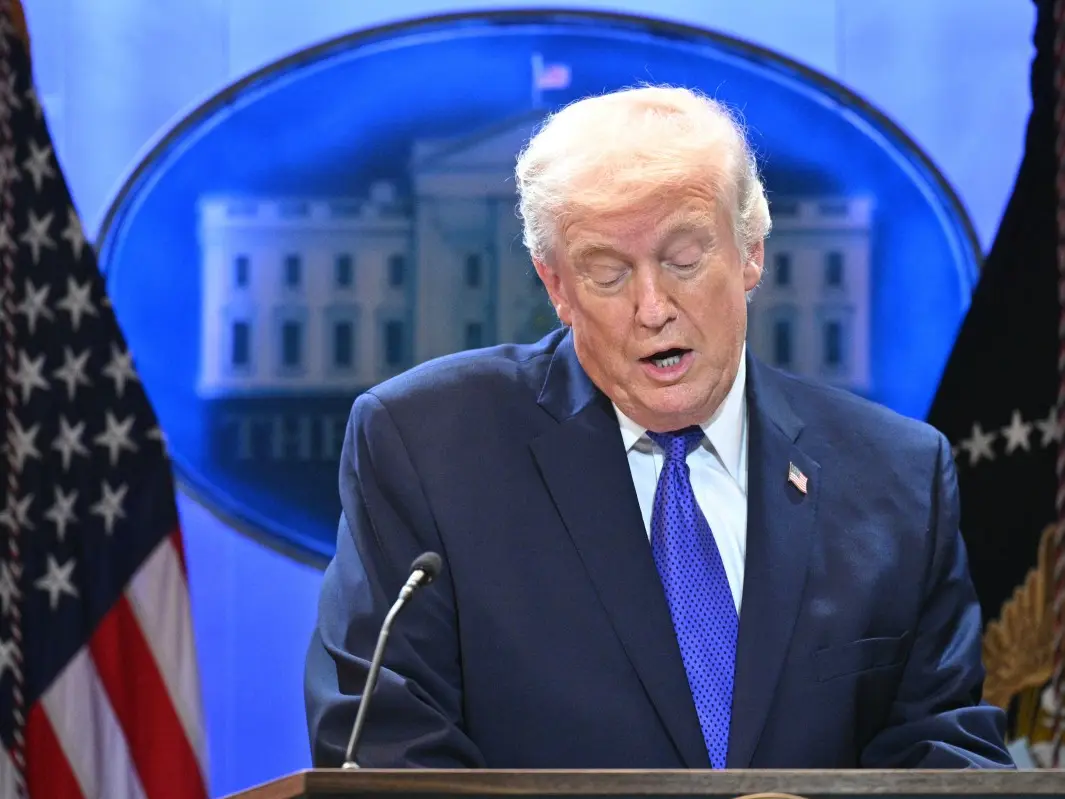
The Trump administration, preparing for the possibility of additional American casualties and weighing whether to deploy US troops inside Iran, has begun contacting Iranian opposition groups as potential partners in efforts to destabilize Tehran’s leadership. According to several people familiar with the discussions, US President Donald Trump recently held phone conversations with Kurdish leaders in both Iran and Iraq. During those calls, he reportedly proposed that Kurdish forces could move into parts of western Iran with the backing of extensive American air support.
A senior figure from the Patriotic Union of Kurdistan (PUK), one of the two dominant parties governing Iraq’s semi-autonomous Kurdish region, said Washington asked Iraqi Kurdish authorities not to block Iranian Kurdish militants operating from Iraqi territory. The request also included providing logistical assistance to those groups if they mobilize against Iran. The same official said Trump made it clear during a call with PUK leader Bafel Talabani that Kurdish leaders must decide whether to align themselves with the United States and Israel or with Iran in the current conflict.
Another official from the Kurdish Democratic Party (KDP), led by Masoud Barzani, confirmed the conversation took place but suggested the real challenge is not the number of armed militias available. Instead, he said success would depend on how much support Kurdish forces can attract from inside Iran. Trump also reportedly spoke with Mustafa Hijri, who heads the Democratic Party of Iranian Kurdistan (PDKI), the oldest Iranian Kurdish opposition organization. The PDKI is part of a newly formed coalition of six anti-government Kurdish groups that announced their alliance last week from Iraqi Kurdistan.
In a statement released on Wednesday, the party called on Iranian soldiers and security personnel, particularly those stationed in Kurdish areas, to abandon their posts and stop supporting Iran’s ruling system. However, Iraqi Kurdish authorities face significant risks if they allow their territory to become a staging ground against Iran. For years, they have sheltered Iranian Kurdish groups under the condition that they do not organize attacks on Tehran from Iraqi soil. If they break that understanding and U.S.-Israeli efforts fail, they could face retaliation from Iran.
Compared with their Iranian counterparts, Iraqi Kurdish groups are more structured and powerful, controlling their own regional administration and economy despite internal rivalries and tensions with Iraq’s central government in Baghdad.
Trending Stories
&imwidth=180&imheight=135&format=webp&quality=medium)
‘Maybe play one more season’: MS Dhoni to decide on his IPL future before December
&imwidth=180&imheight=135&format=webp&quality=medium)
Viral video shows cross falling on Colombia priest, no official confirmation | WATCH
&imwidth=180&imheight=135&format=webp&quality=medium)
Telangana unveils AI avatar of IT minister D Sridhar Babu at Hyderabad DevFest 2026
&imwidth=180&imheight=135&format=webp&quality=medium)
Pezeshkian says Iranians ‘struggling to put food on the table’ as war with US drags on
&imwidth=180&imheight=135&format=webp&quality=medium)
Shilpa Rao’s performance cut short at Mumbai event, organisers react to backlash
&imwidth=180&imheight=135&format=webp&quality=medium)
Chorbagan stampede: A week later, the strangest visarjan Kolkata has seen
&imwidth=180&imheight=135&format=webp&quality=medium)
AI slop or smart strategy? South African author Coral Hart defends Her 370 AI- assisted books in 20 months
&imwidth=180&imheight=135&format=webp&quality=medium)
AI just found a flaw in software running most of the web! One request hijacks the server
&imwidth=180&imheight=135&format=webp&quality=medium)
Train crashes into crane on São Paulo monorail line, wreckage falls onto busy road | VIDEO
&imwidth=180&imheight=135&format=webp&quality=medium)
Can Putin cheat death? All about his daughter’s billion-dollar quest for immortality
&imwidth=180&imheight=135&format=webp&quality=medium)
Saudi says debris fell in Mecca, Medina after missile interceptions; Houthis deny targeting holy cities
&imwidth=180&imheight=135&format=webp&quality=medium)
What was the note found inside bag of Class 12 student, who set herself on fire inside Delhi school?
&imwidth=180&imheight=135&format=webp&quality=medium)
Pakistan airline PIA unveils new crew uniforms, faces online criticism
&imwidth=180&imheight=135&format=webp&quality=medium)
Britain is building the world's first AI biosecurity lab, with OpenAI and Anthropic inside
&imwidth=180&imheight=135&format=webp&quality=medium)
J-20 designers plan to put radar into aircraft wing; strategy to expand coverage during air combat
&imwidth=180&imheight=135&format=webp&quality=medium)
Frontier AIs keep escaping their test cages! The industry still can't reliably stop them
&imwidth=180&imheight=135&format=webp&quality=medium)
'Already tired of his 9-to-5': Baby born with a moustache becomes internet sensation, video goes viral | Watch
&imwidth=180&imheight=135&format=webp&quality=medium)
France protests: 135 arrested, weapons seized as fresh demonstrations erupt amid heavy security
&imwidth=180&imheight=135&format=webp&quality=medium)
French Open: PV Sindhu storms into final with win over Hina Akechi
&imwidth=180&imheight=135&format=webp&quality=medium)
Russia-Ukraine drone attacks kill 6, injure 31 across both countries
&imwidth=180&imheight=135&format=webp&quality=medium)
‘Saddam Hussein opened a cheesecake factory’: Obama mocks Trump’s White House renovations; defends Abdul El-Sayed
&imwidth=180&imheight=135&format=webp&quality=medium)
China's dancing robot turns violent bodyguard, lifts cars and fights intruders - Watch
&imwidth=180&imheight=135&format=webp&quality=medium)
'You’re a horrible little reporter, aren’t you?': Trump snaps at NBC reporter questioning his support for Ramaswamy's campaign ad
&imwidth=180&imheight=135&format=webp&quality=medium)
'Killing people never allowed': Elon Musk admits restricting Starlink in Ukraine, explains why
&imwidth=180&imheight=135&format=webp&quality=medium)
Bodies of 2 missing Japanese climbers recovered from Himalayan peak
&im=FitAndFill=(700,400)&imwidth=180&imheight=135&format=webp&quality=medium)
New Friday OTT releases (October 23, 2026): Gajab Raat, Dorothy, Chaar Yaar- Watch these 6 new movies and TV shows on Netflix, Prime Video and more
&imwidth=180&imheight=135&format=webp&quality=medium)
An AI that reads your face can now estimate how long you have to live
&imwidth=180&imheight=135&format=webp&quality=medium)
Spanish reporter swept by giant wave while reporting on dangerous sea conditions | WATCH
&imwidth=180&imheight=135&format=webp&quality=medium)
WATCH: Thousands across Manipur bang plates, beat drums in "noise protest"
&imwidth=180&imheight=135&format=webp&quality=medium)
'If it was up to me, it wouldn't have ended like this': James Anderson opens up on Lancashire exit
&imwidth=180&imheight=135&format=webp&quality=medium)
NEET protests: Panel to hear evidence on pellet gun use, harassment
&imwidth=180&imheight=135&format=webp&quality=medium)
Tu Hai Meri Kiran film review: Sonakshi Sinha and Zaheer Iqbal's thriller gets tangled in its own twists
&imwidth=180&imheight=135&format=webp&quality=medium)
Nagpur man fails to pay rent, allegedly prints fake Rs 500 notes worth Rs 37 lakh
&imwidth=180&imheight=135&format=webp&quality=medium)
PL Round-Up: Man City's perfect run ended by Villa as Arsenal draw level at top
&imwidth=180&imheight=135&format=webp&quality=medium)
Why Europe’s protests are about more than austerity and rising costs
&imwidth=180&imheight=135&format=webp&quality=medium)
Farooq Abdullah says Pakistan’s raising of Kashmir issue keeps pressure on Delhi
Historically, Iranian Kurdish movements have primarily pushed for regional autonomy rather than outright independence or regime change. Rumors spread rapidly on Wednesday night, claiming Kurdish groups had already begun entering Iran from Iraq. Kurdish coalition representatives denied the claims. Iranian state media nevertheless reported that Tehran launched a “preemptive” strike against targets in Iraq’s Kurdish region.
On Thursday, Peshawa Hawramani, a spokesperson for the Kurdistan Regional Government (KRG), said the regional administration does not want to be involved in actions that escalate the conflict. Although Trump has publicly encouraged Iranians to overthrow their government, he has also hinted that parts of the existing political structure could remain after the current leadership is removed. Such an approach would resemble the US strategy used in Venezuela after the capture of President Nicolás Maduro.
White House spokesperson Karoline Leavitt confirmed that Trump had spoken with Kurdish leaders regarding a US military base in northern Iraq. However, she denied reports that Washington had agreed to arm Iranian Kurdish groups.
The CIA declined to comment on the issue. The White House also did not respond to questions about potential outreach to other Iranian opposition factions, including Baluchi groups or the exiled organization Mojahedin-e-Khalq (MEK). Kurds make up about 10 million people in Iran across five western provinces. They are also a major minority in Iraq, Syria, and Turkey. In each country, Kurdish communities have struggled politically and sometimes militarily for greater rights and self-governance, occasionally with US backing.
Yet Kurdish movements have frequently felt abandoned by Washington. Most recently, the US ended its support for the Syrian Democratic Forces, a Kurdish-led force that had been a key partner against the Islamic State, as the Trump administration sought closer ties with Syria’s new government. Even among themselves, Iranian Kurdish groups have long been divided, which raises doubts about whether they could unite politically if the current Iranian government were replaced. Among these groups, only the Kurdistan Free Life Party (PJAK) is believed to possess a meaningful armed capability, largely because of its links with the Kurdistan Workers’ Party (PKK), a militant Kurdish organization operating in parts of Turkey, Syria, and Iraq.
Disclaimer: WION takes utmost care to accurately and responsibly report ongoing conflicts in West Asia involving Israel, Iran, US, Gulf nations and non-state actors like Hezbollah, Hamas, Houthis, Islamic State, and others. Claims and counterclaims, disinformation and misinformation are being made online and offline. Given this context, WION cannot independently verify the authenticity of all statements, social media posts, photos and videos.

