
&imwidth=800&imheight=600&format=webp&quality=medium "'In return for yellowcake': Iran ready to send enriched uranium abroad after war")
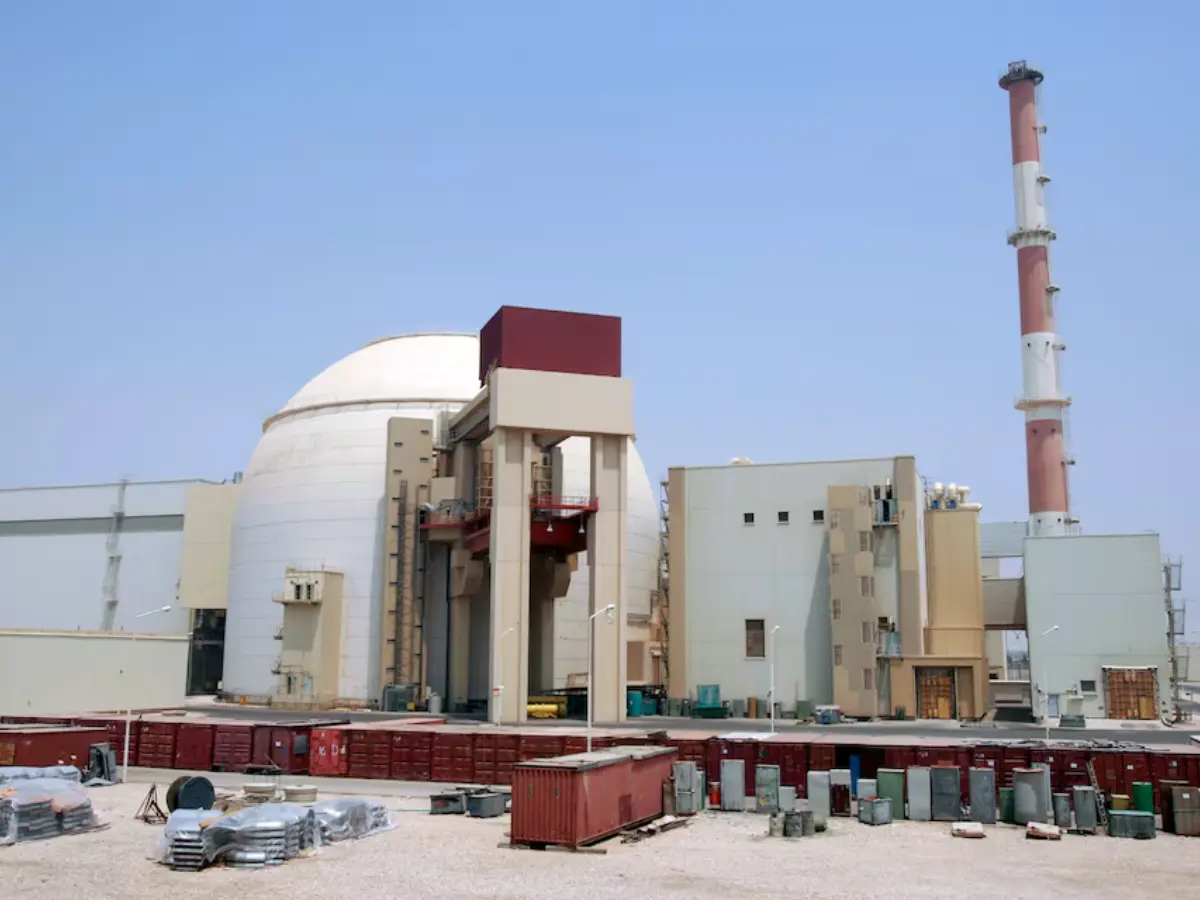
Iran has said it is open to a new nuclear agreement that could see its stockpile of highly enriched uranium transferred abroad. The announcement came through Iran’s ambassador to the United Nations, Amir Saeid Iravani, in a written interview with Al-Monitor. It is the most detailed official statement since the end of a 12-day war involving strikes by the United States and Israel on Iran’s nuclear infrastructure.
“We would be prepared to transfer our stockpiles of 60% and 20% enriched uranium to another country and have them transferred out of Iranian territory in return for receiving yellowcake,” Iravani said. This marked a departure from Iran’s previous position, which strongly opposed such a transfer.

400kg of enriched uranium still missing
While Iran has voiced openness to exporting its stockpile, there are growing concerns over the location of a large quantity of enriched uranium. Roughly 400 kilograms of uranium enriched to 60% purity is reportedly missing. Former top UN nuclear official Olli Heinonen told Eye for Iran, “One should not relax because this material as such is enough for 10 nuclear weapons if it is enriched further to 90%.” The International Atomic Energy Agency (IAEA) has yet to confirm the location of this stockpile.
Iran backs regional nuclear cooperation
Trending Stories
&im=FitAndFill=(700,400))
National Handloom Day 2026: From Alia Bhatt to Samantha Ruth Prabhu; Actresses who celebrated India's textile heritage as brides
)
The Royals enter the Doctor Who universe: King Charles and Queen Camilla beam into Commonwealth Games in TARDIS
)
Unitree Robotics targets $9 billion valuation in landmark IPO backed by DeepSeek and Tencent
)
India names 27 sites in Arunachal Pradesh
)
Bharat Bhhagya Viddhaata OTT: When will Kangana Ranaut's film stream online?
&im=FitAndFill=(700,400))
How many soldiers operate one S-400 battery?
)
Shakib Al Hasan ready to return to Bangladesh—under one condition
)
‘Fake news’: MEA rejects report claiming India sought defence pact with Israel after Pakistan, Saudi Arabia, Turkey deal
)
Rockstar to unveil GTA 6 extended look ahead of November launch
)
Russia forms Ukrainian Volunteer Spetsnaz Brigade to fight Ukraine
)
Drug-resistant fungus that hides in hair and enters bloodstream reported in 23 US states
)
Technology transfer deal boosts India's defence manufacturing ambitions
)
Border row erupts in Europe after Ceuta crossings, Spain imposes border controls on Italy
)
Morale plummets on USS Abraham Lincoln: Are US sailors reaching a breaking point? | GRAVITAS
)
'Security can't be bought with Pakistan, Turkey deal': Iran tells Saudi Arabia
)
Baba Vanga's 2026 prophecy: 2 predictions 'already came true', 3 terrifying ones remain. Details inside
)
Colombia’s new president Abelardo de la Espriella vows to ‘defeat narco-terrorists’, signals hardline shift
&im=FitAndFill=(700,400))
New Friday OTT releases (August 7, 2026): Operation Safed Sagar, Vadhandhi, Main Vaapis Aaunga- 6 movies and TV shows on Netflix, Prime Video and more
)
Squadron Leader Bhawana Kanth scripts history as Indian Air Force gets its first woman ‘Top Gun’ pilot
)
RSS says Gen Z protests reflect genuine distress
)
Trump says Iranian school bombing photos could be AI-generated - 'I don’t think...'
)
IAF officer held for sharing sensitive information in 'honey trap' case, booked under Official Secrets Act
)
Stray Kids under scrutiny? Fans react to Grammy submission silence after BTS boycott
&im=FitAndFill=(700,400))
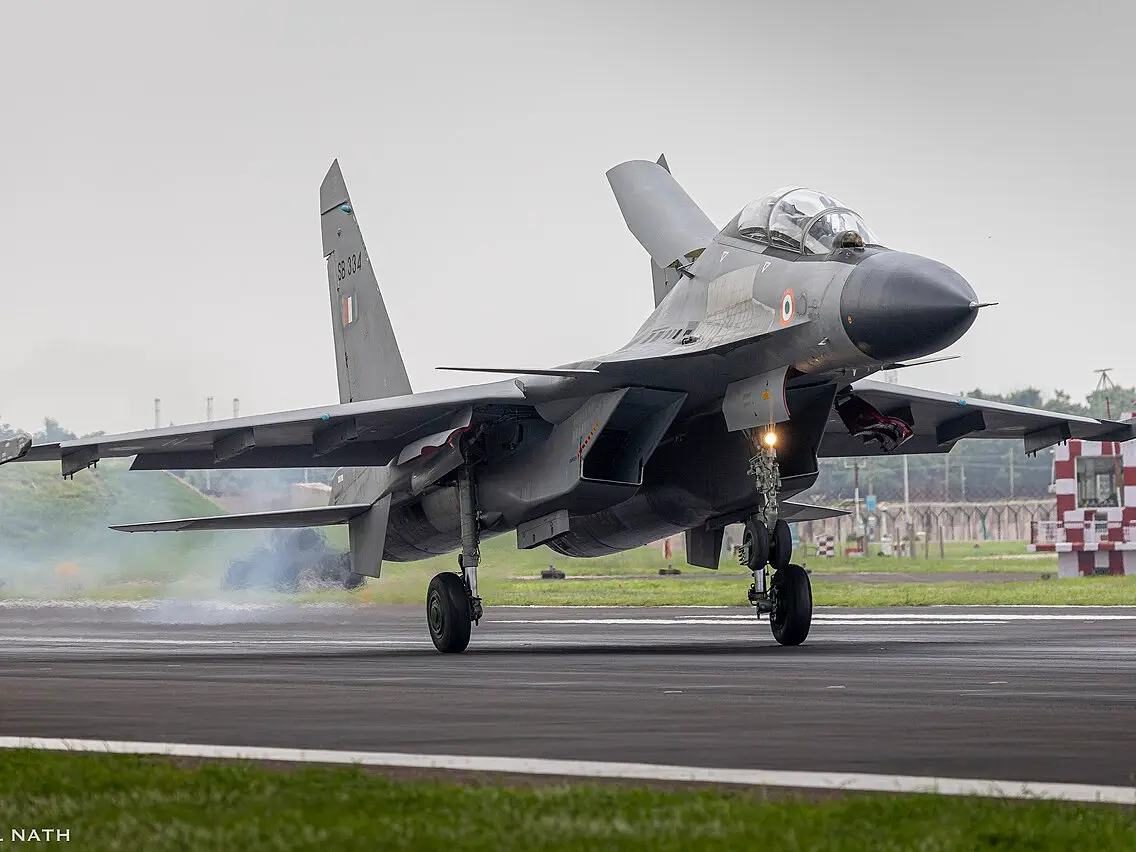
Why the Su-30MKI doesn't need external fuel tanks to fly vast distances
)
Jugal Hansraj reunites with Shekhar Kapur after 40 years for Masoom: The Next Generation
)
New speed limits, automatic challans: Big traffic change coming to Delhi-Meerut Expressway. All you need to know
)
India officially names 27 places in Arunachal to counter China's renaming claims
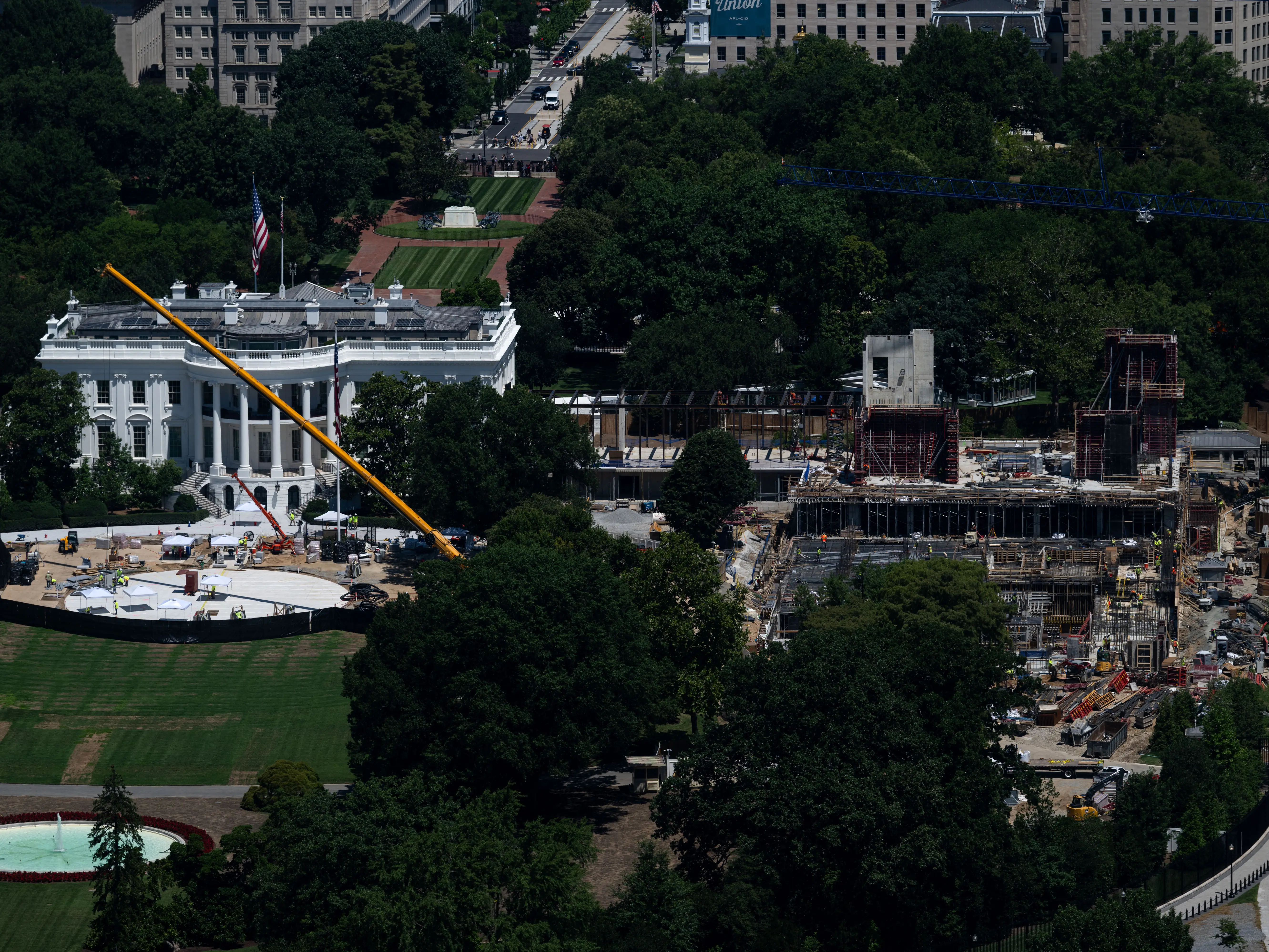)
Trump calls White House ballroom ruling a 'national disgrace' as court says Congress approval needed
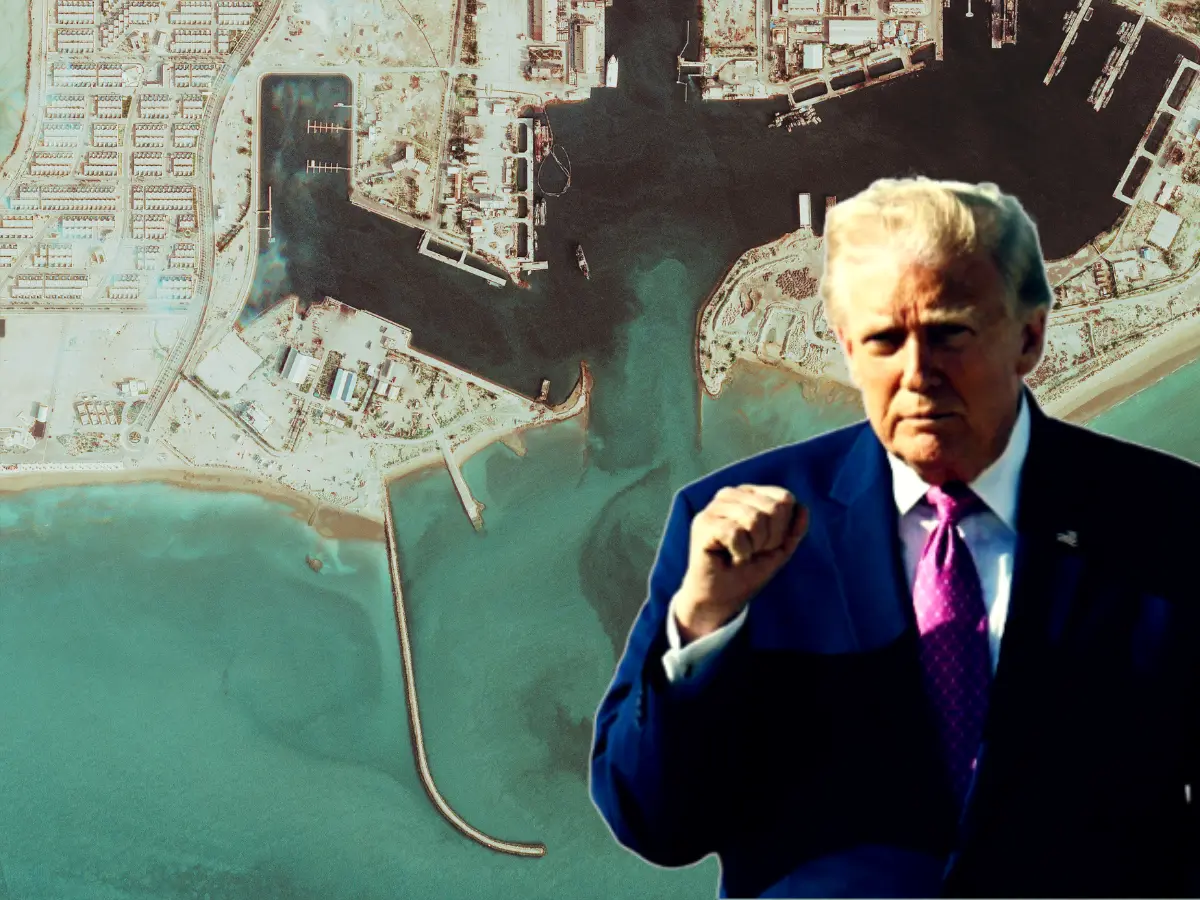)
US sanctions Iran’s crypto network after Strait of Hormuz attacks, offers $15m bounty for intel on IRGC finance
&im=FitAndFill=(700,400))
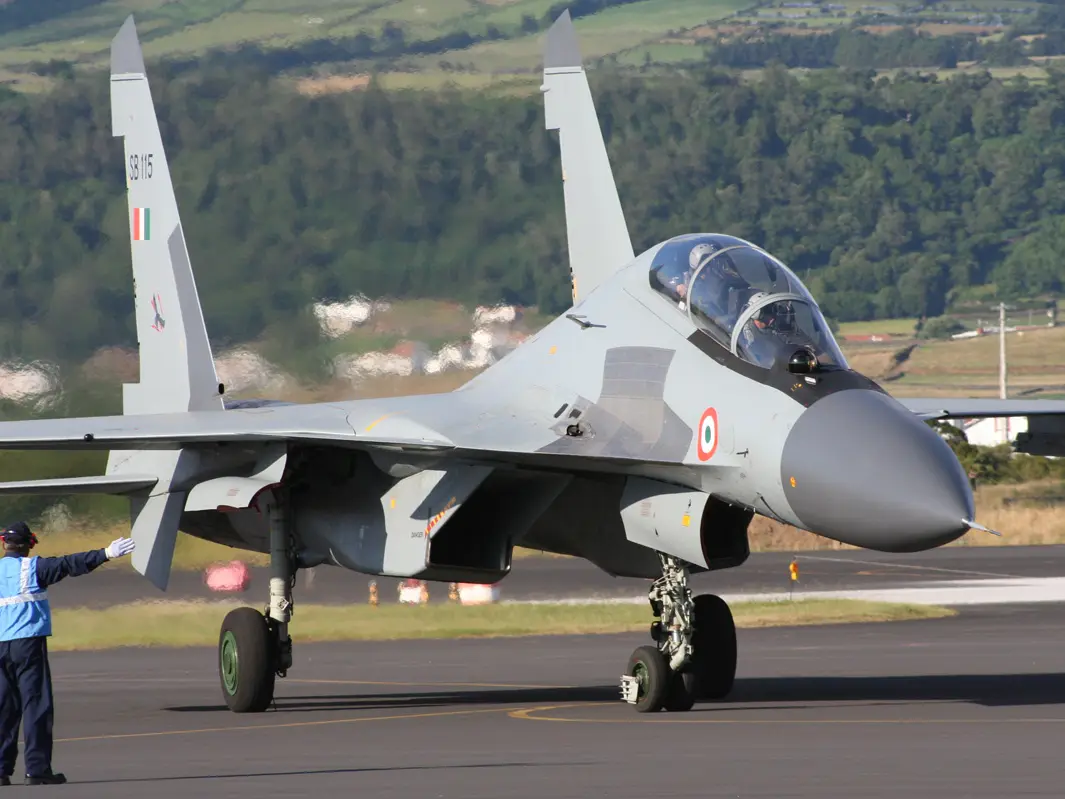
Why the Su-30MKI is one of the heaviest fighters ever built
)
Uttarakhand young innovator builds India's own flying vehicle, conducts first test flight: WATCH
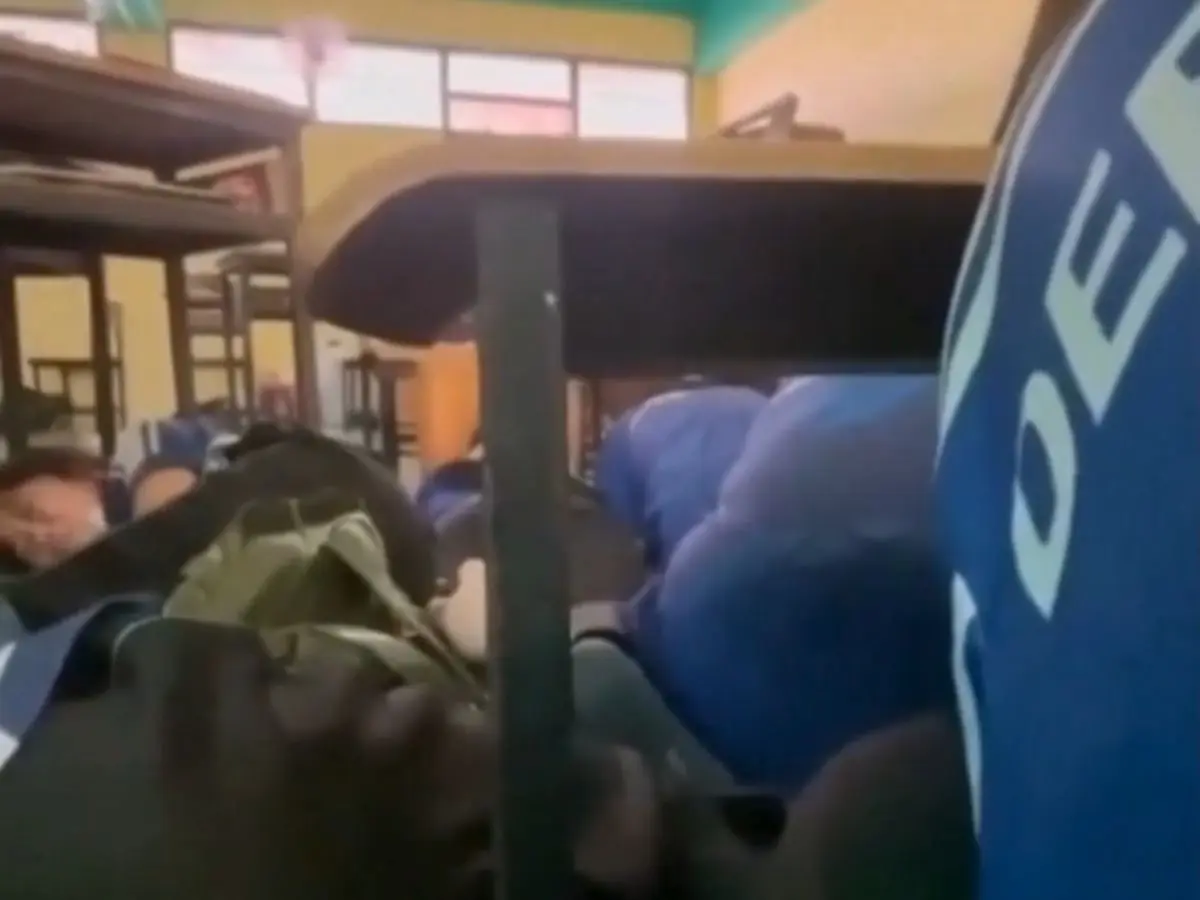)
Chilling video shows students take cover as teen opens fire at Thai school
)
Reese Witherspoon's father hospitalised after poolside incident in Nashville: Report
In addition to exporting uranium, Iran has also shown interest in a regional nuclear consortium. Iravani said Tehran is willing to collaborate with countries in the region that operate nuclear reactors, including on fuel supply and safety standards. “We are willing to collaborate with all countries in our region… if such a move is a complementary initiative and not a substitute for Iran’s domestic nuclear program,” Iravani said.
The United States reportedly pitched this idea before the war, with the potential involvement of Saudi Arabia, Oman, the UAE, Qatar, and the US. The plan includes supplying enriched uranium for civilian use in exchange for partial sanctions relief.
No clear location for proposed consortium
The question of where the enrichment would take place remains unresolved. Iran has insisted that enrichment must continue on its soil. Despite this, Iravani gave the strongest endorsement yet of the consortium plan, saying, “A consortium could very well be one of the forms such cooperation might take.”
Asked whether Iran would limit enrichment to such a consortium operating inside the country, he said, “In principle, we have no objection to that; however, we should consider it based on the details of any potential proposals we receive.”
NPT membership still stands, says Iran
Iran’s parliament recently passed a law restricting cooperation with the IAEA, raising concerns that it could be distancing itself from the Non-Proliferation Treaty (NPT). Iravani clarified that this was not the case. “It does not signify Iran’s withdrawal from the NPT,” he said, adding that any deal with the US must still respect Iran’s rights under the treaty.
