‘Halt military action first’: Iran’s president calls on India-chaired BRICS to play role in halting aggression

&imwidth=600&imheight=450&format=webp&quality=medium "‘Halt military action first’: Iran’s president calls on India-chaired BRICS to play role in halting aggression")
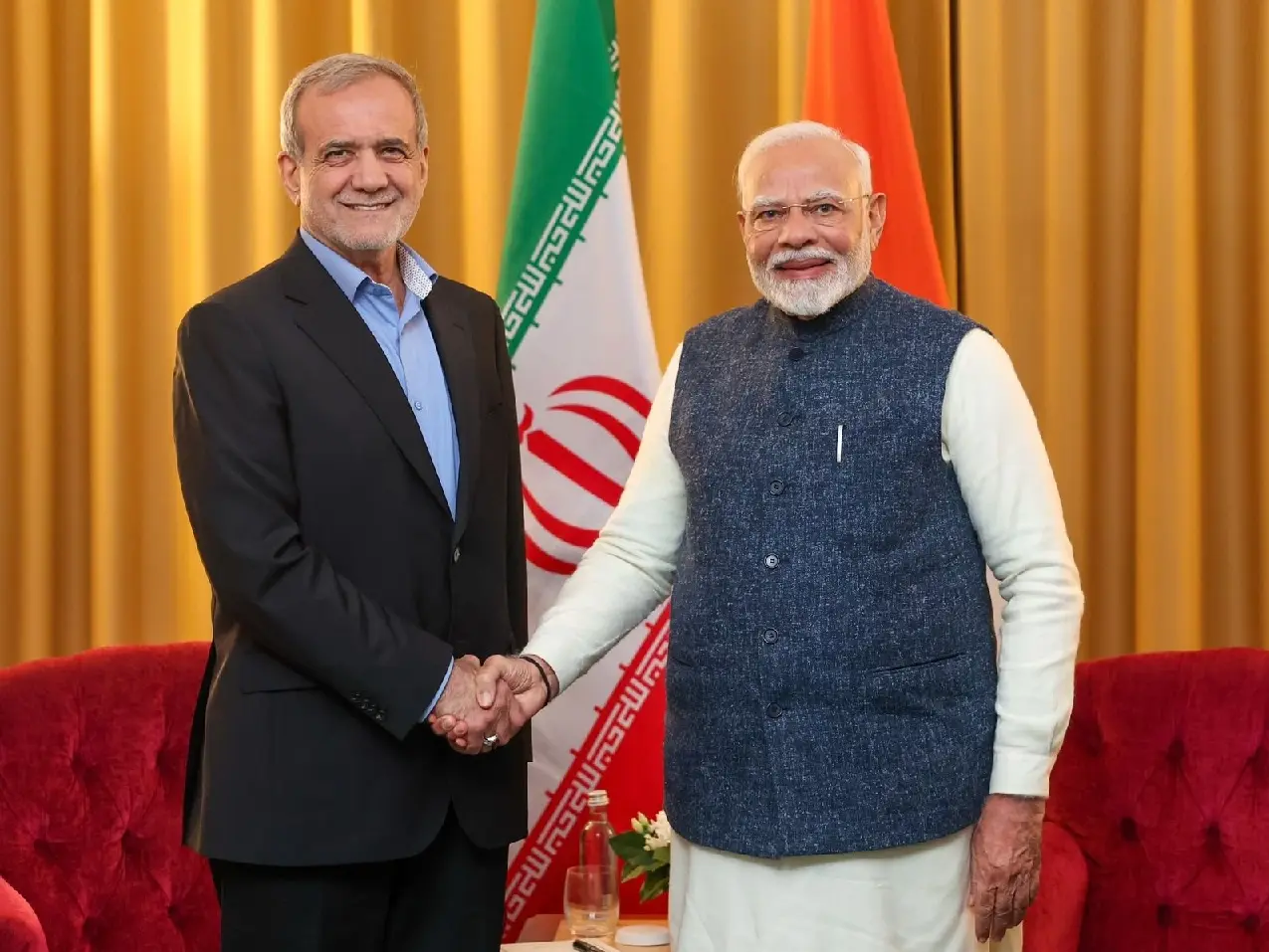
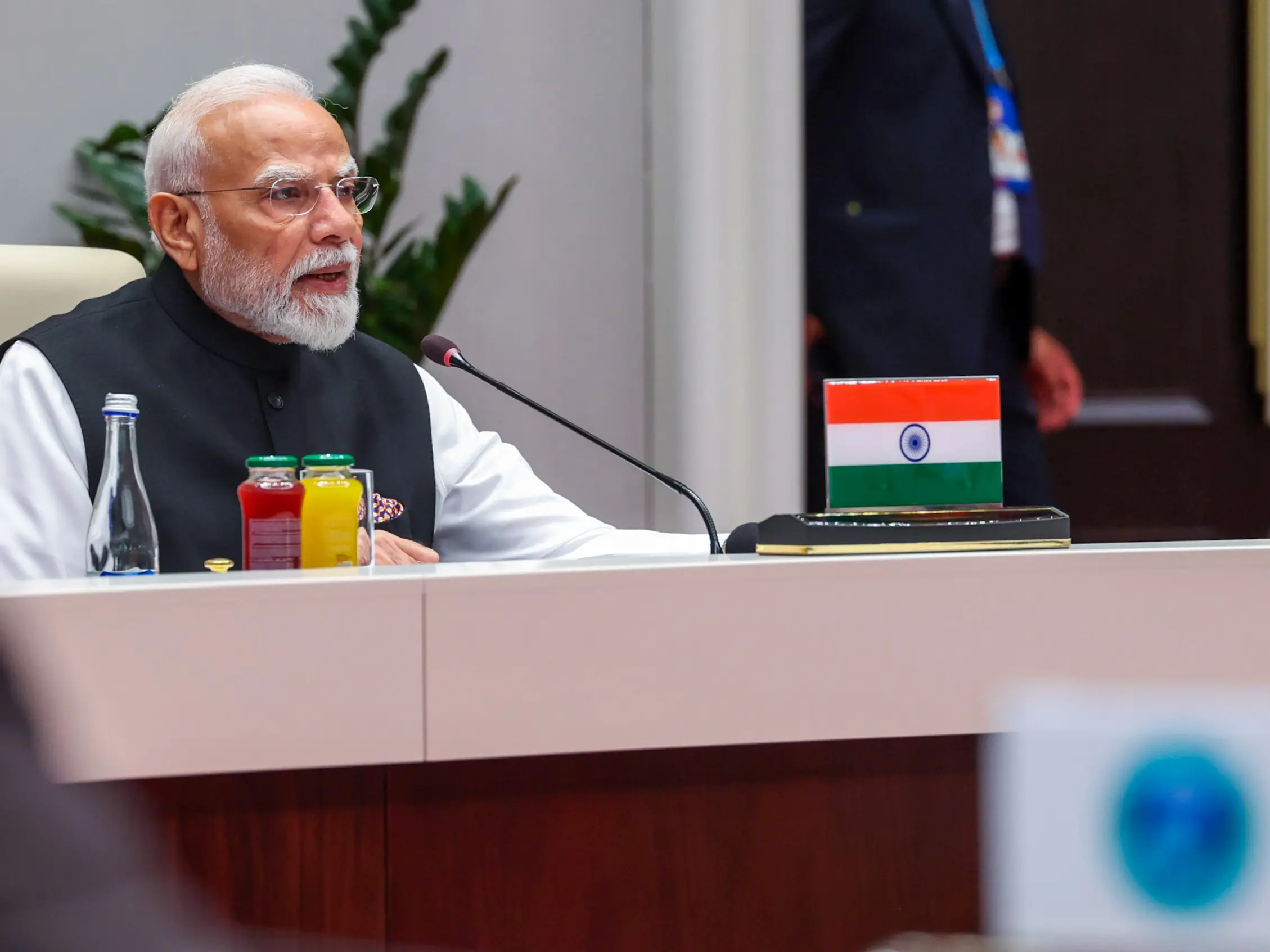
President of Iran, Masoud Pezeshkian, with Prime Minister Narendra Modi. Photograph: (X)
In the call, the Iranian President Masoud Pezeshkian said an “immediate cessation of aggressions by the US and Israel, along with guarantees against their recurrence in the future,” are the prerequisites for ending the war and preventing a broader catastrophe.
Iranian President Masoud Pezeshkian has called on the BRICS bloc of major emerging economies to play an “independent” role in halting the ongoing conflict and aggression against Iran. Pezeshkian said in a telephone conversation with Indian Prime Minister Narendra Modi on Saturday that any resolution to the ongoing conflict would require the US and Israel to halt their military actions first, along with firm guarantees to prevent future military strikes against Iran, said a post from Iran’s embassy in India.
Pezeshkian referred to India’s rotating presidency of BRICS and called for the group to play an independent role in halting aggressions against Iran and in safeguarding regional and international peace and stability.
The Iranian president said an “immediate cessation of aggressions by the US and Israel, along with guarantees against their recurrence in the future,” are the prerequisites for ending the war and preventing a broader catastrophe.
Pezeshkian reiterated willingness to engage in dialogue
Pezeshkian reiterated his country’s willingness to engage in dialogue with global leaders, including on the sidelines of the United Nations, for verification and oversight of its nuclear programme.
He also proposed the establishment of a regional security framework composed of countries of West Asia, aimed at ensuring peace and stability in the region through regional cooperation without foreign interference.
Trending Stories
&imwidth=280&imheight=210&format=webp&quality=medium)
&imwidth=280&imheight=210&format=webp&quality=medium)
&imwidth=280&imheight=210&format=webp&quality=medium)
&imwidth=280&imheight=210&format=webp&quality=medium)
&imwidth=280&imheight=210&format=webp&quality=medium)
&imwidth=280&imheight=210&format=webp&quality=medium)
&imwidth=280&imheight=210&format=webp&quality=medium)
&imwidth=280&imheight=210&format=webp&quality=medium)
&imwidth=280&imheight=210&format=webp&quality=medium)
&imwidth=280&imheight=210&format=webp&quality=medium)
&imwidth=280&imheight=210&format=webp&quality=medium)
&imwidth=280&imheight=210&format=webp&quality=medium)
&imwidth=280&imheight=210&format=webp&quality=medium)
&im=FitAndFill=(700,400)&imwidth=280&imheight=210&format=webp&quality=medium)
&imwidth=280&imheight=210&format=webp&quality=medium)
&imwidth=280&imheight=210&format=webp&quality=medium)
&imwidth=280&imheight=210&format=webp&quality=medium)
&imwidth=280&imheight=210&format=webp&quality=medium)
&imwidth=280&imheight=210&format=webp&quality=medium)
&imwidth=280&imheight=210&format=webp&quality=medium)
&imwidth=280&imheight=210&format=webp&quality=medium)
&imwidth=280&imheight=210&format=webp&quality=medium)
&imwidth=280&imheight=210&format=webp&quality=medium)
&imwidth=280&imheight=210&format=webp&quality=medium)
&imwidth=280&imheight=210&format=webp&quality=medium)
&imwidth=280&imheight=210&format=webp&quality=medium)
&imwidth=280&imheight=210&format=webp&quality=medium)
&imwidth=280&imheight=210&format=webp&quality=medium)
&imwidth=280&imheight=210&format=webp&quality=medium)
&imwidth=280&imheight=210&format=webp&quality=medium)
&imwidth=280&imheight=210&format=webp&quality=medium)
&imwidth=280&imheight=210&format=webp&quality=medium)
&imwidth=280&imheight=210&format=webp&quality=medium)
&imwidth=280&imheight=210&format=webp&quality=medium)
&imwidth=280&imheight=210&format=webp&quality=medium)
Conveying Tehran’s position to PM Modi, Pezeshkian said that Iran “did not initiate the war”, alleging that the “aggressor, without any justification, logic, or legal basis, launched military attacks against Iran” even as nuclear negotiations were underway.
Pezeshkian also rejected claims by the US that the military action was aimed at preventing Iran from acquiring nuclear weapons. He said that in multiple meetings, “the late Leader of the Islamic Revolution had firmly opposed nuclear weapons and had issued both administrative and religious directives prohibiting any move toward their development.”
Also Read: ‘India is incredible, will be next super power,’ says Laura Loomer in dramatic U-turn after visit
Dismisses allegations portraying Iran as source of regional instability
He also dismissed allegations portraying Iran as a source of regional instability, and asserted that Israel has carried out attacks and assassinations “across countries including Lebanon, Gaza, Iran, Iraq and Qatar, under the pretext of maintaining security while fuelling unrest.”
It was the second conversation between President Pezeshkian and PM Modi since the conflict started on February 28.
In a statement, the Iranian embassy in India said, "President of the Islamic Republic of Iran held a telephone conversation with Prime Minister of India, during which they discussed and exchanged views on bilateral relations, as well as regional and international developments in light of the continued military aggressions by the United States and the Zionist regime against Iran.”
‘War serves no one’s interest,’ reiterates PM Modi
Expressing deep concern over the escalating tensions, "PM Modi strongly condemned attacks on energy infrastructure, warning that such actions pose serious risks to global food and energy security, as well as agricultural exports," the release stated. Referring to his ongoing consultations with world leaders, the
Prime Minister Modi reiterated that “war serves no one’s interest, and therefore, all parties should move toward peace as soon as possible.”
PM Modi also stressed the need to ensure the security of the Strait of Hormuz and uphold freedom of navigation in the Persian Gulf, given their critical role in global trade and energy supplies.
India has stepped up diplomatic engagement with Iran, focusing on ensuring the uninterrupted flow of energy supplies and the safety of key shipping routes.