'Cocaine in Coca-Cola': How Pablo Escobar once used smuggling to mock the United States

&imwidth=600&imheight=450&format=webp&quality=medium "'Cocaine in Coca-Cola': How Pablo Escobar once used smuggling to mock the United States")
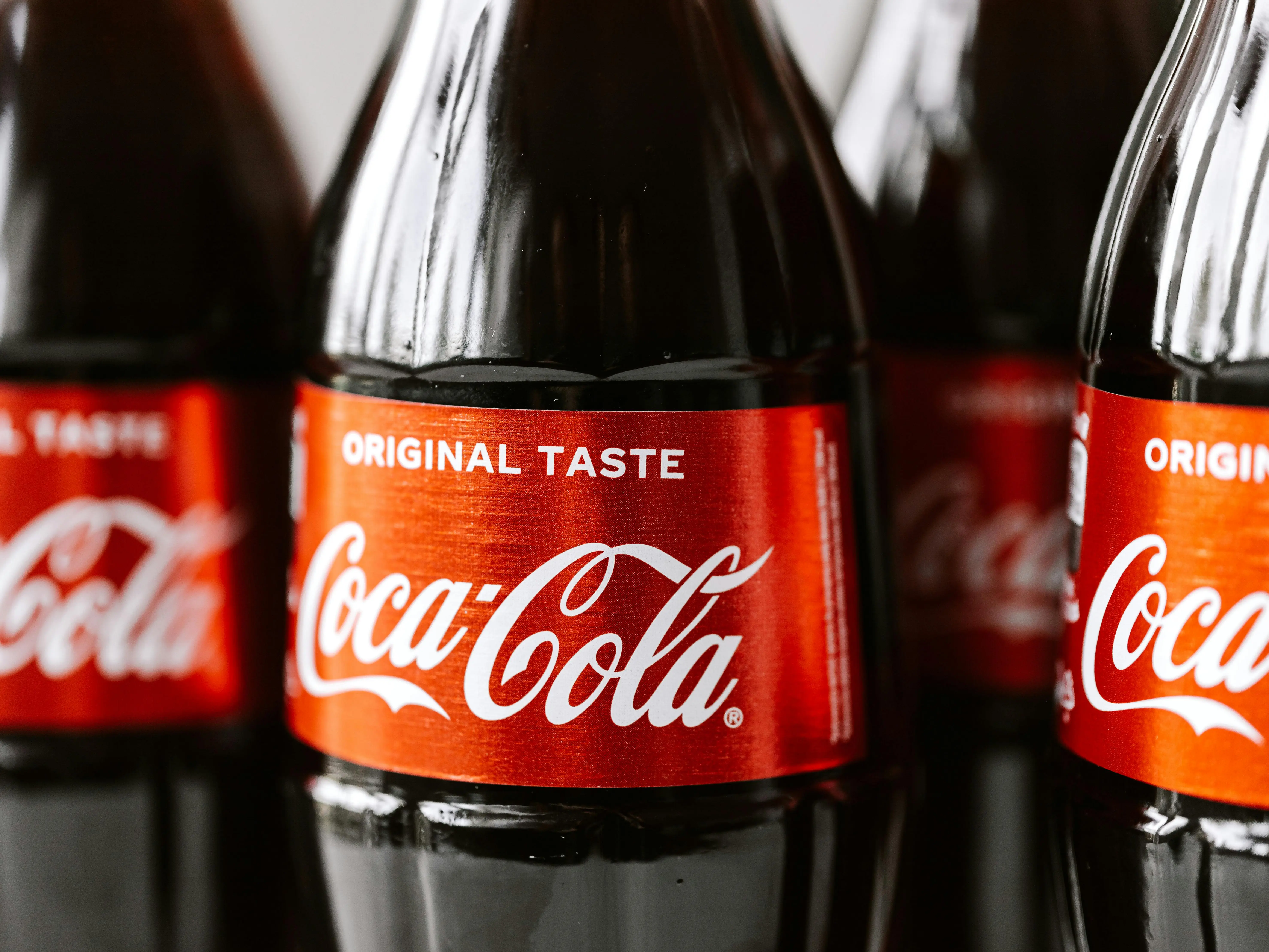
'Cocaine in Coca-Cola': How Pablo Escobar once used smuggling to mock the United States Photograph: (Pexels)
At his peak, Pablo Escobar smuggled cocaine in Coca-Cola bottles, not for money, but because he thought it was funny.
Pablo Escobar’s name is synonymous with cocaine smuggling, violence, and unimaginable wealth. At the height of his power in the 1980s, the Medellín Cartel controlled nearly 80 per cent of the global cocaine trade. Escobar was earning more than $400 million every week, but beyond his empire of crime, he was also known for his bizarre sense of humour.
One of the strangest stories to emerge from Escobar’s reign involves Coca-Cola, a drink seen as the ultimate symbol of American consumer culture. Escobar allegedly smuggled cocaine inside Coca-Cola bottles, not just as a clever trafficking trick, but because he found the idea funny.
Coca-Cola: The Perfect Disguise
At a time when authorities were desperate to intercept Escobar’s shipments, the cartel turned everyday products into carriers for cocaine. Coca-Cola was an ideal choice because bottles moved freely across borders without raising suspicion. Cartel chemists dissolved cocaine into liquid concentrate, resealed the bottles, and shipped them across the world. To customs officers, they looked like ordinary fizzy drinks.
For Escobar, the Coca-Cola stunt was more than just business. It was a mockery of the United States and its most recognisable brand. Smuggling cocaine inside Coke was his way of laughing at the same country that consumed the majority of his product while waging a “war on drugs.”
This was only one of Escobar’s many creative smuggling methods. His cartel used submarines, planes with hidden compartments, and even zoo animals to move cocaine internationally. Over time, traffickers around the world copied these ideas, hiding drugs in bananas, coffee, pineapples, and even breast implants.
Trending Stories
)
)
)
&im=FitAndFill=(700,400))
)
)
)
)
&im=FitAndFill=(700,400))
)
)
)
)
)
)
)
)
)
)
)
)
)
)
)
)
)
)
)
)
)
)
)
)
)
&im=FitAndFill=(700,400))
)
)
)
&im=FitAndFill=(700,400))
)
A Legacy of Crime and Absurdity
Escobar was killed in 1993, but tales like the Coca-Cola operation continue to capture global fascination. It shows how his empire was built not only on fear and money, but also on outrageous stunts that blurred the line between genius, cruelty, and absurd entertainment.
Even
