&imwidth=800&imheight=600&format=webp&quality=medium "$400,000 freight rate for large vessels, hundreds of ships stranded: Shipping, freight industries face rude shock from Israel-US vs Iran conflict")
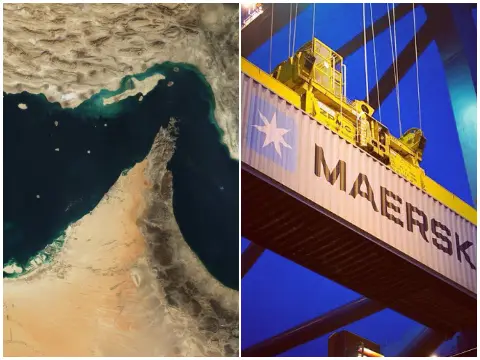
The global shipping industry is facing tens of billions of dollars in estimated costs and losses per day after just three days of regional conflict arising from the US-Israel attack on Iran and Tehran's retaliatory strikes on Gulf nations, coupled with disruptions at the Strait of Hormuz. Freight charges have surged given security risks, with some reports citing increases of up to $400,000 per day. The Strait of Hormuz handles roughly 20 per cent of global seaborne oil, approximately 20–21 million barrels per day before the conflict began. It also handles a similar share of LNG exports, primarily from Qatar.
At least 750 ships hit by congestion
As Iran effectively shut down the Strait of Hormuz, nearly 750 ships are reportedly impacted by congestion in and around the waterway,. Only a few tankers were transiting compared with the normal 130 per day, as ship traffic through the strait plunged by about 86 per cent. Hundreds of vessels are queued on either side.

Some 100 container ships, representing about 10 per cent of the global container fleet, are caught in the backups and unable to transit normally because insurers have withdrawn war-risk coverage and carriers are avoiding the area.
Maersk and other major carriers suspend operations
Maersk, one of the world’s largest container carriers, suspended acceptance of new bookings on key routes in and out of the Middle East, including Gulf states like UAE and Oman, and has paused some operations to safeguard cargo and crews. Other major carriers such as MSC, CMA CGM, Hapag-Lloyd, and COSCO have also stopped transits through the Strait of Hormuz or rerouted services to avoid the affected waters.
Trending Stories
&im=FitAndFill=(700,400))
Shahid Kapoor to Rajkummar Rao: Actors who rule both theatres and OTT
&im=FitAndFill=(700,400))
How 2nm technology improves iPhone performance
)
BRICS Summit 2026: Trump wants to weaken BRICS, but maybe doing the opposite
&im=FitAndFill=(700,400))
Meet top 5 batters fastest to 3000 runs in T20Is
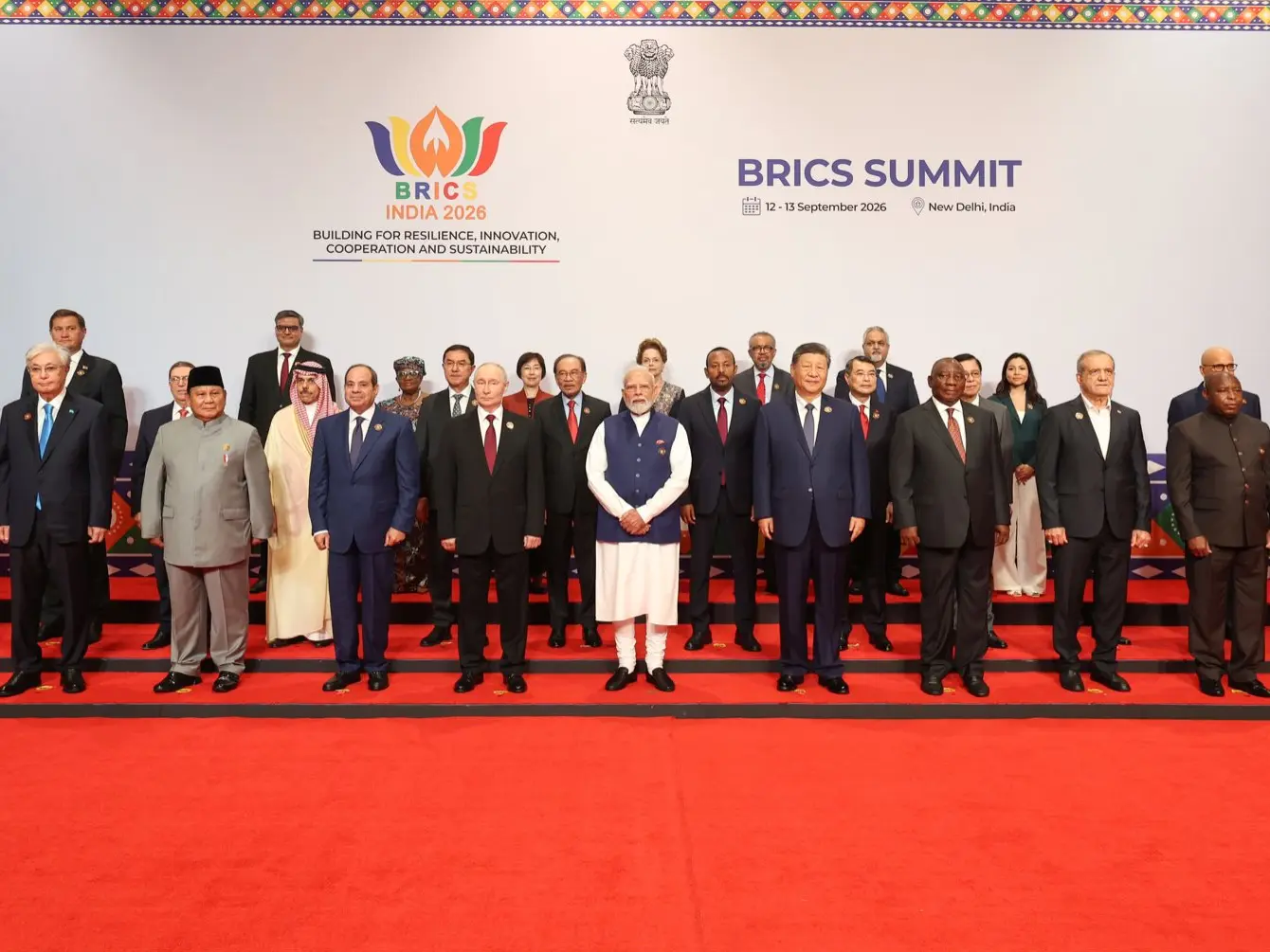)
Did BRICS Summit 2026 prove that an 11-member bloc with India and China in it can still agree on key issues?
)
Top 5 places to visit in Goa beyond its famous beaches
&im=FitAndFill=(700,400))
Why European Meteor missiles use ramjet engines compared to standard US solid rockets
)
'He is popular...': Malaysian PM Anwar Ibrahim's praise for PM Modi during bilateral meeting | WATCH
)
BRICS Summit 2026: PM Modi, Xi reach key consensus on ties, China to assume BRICS chairmanship in 2027
)
Russia-Ukraine-US talks in October? Kremlin says not ruling out possibility of trilateral
)
UK breakup on the cards? Scotland, Wales and Northern Ireland push for independence
)
‘Want to reset ties with India, have engagement based on mutual interests,’ says Bangladesh minister
)
Trump says Canada eager to reach a deal, it could come ‘fairly soon’ if Ottawa treats US farmers better
)
The Verdict | Africa is too big to remain a guest at the BRICS table
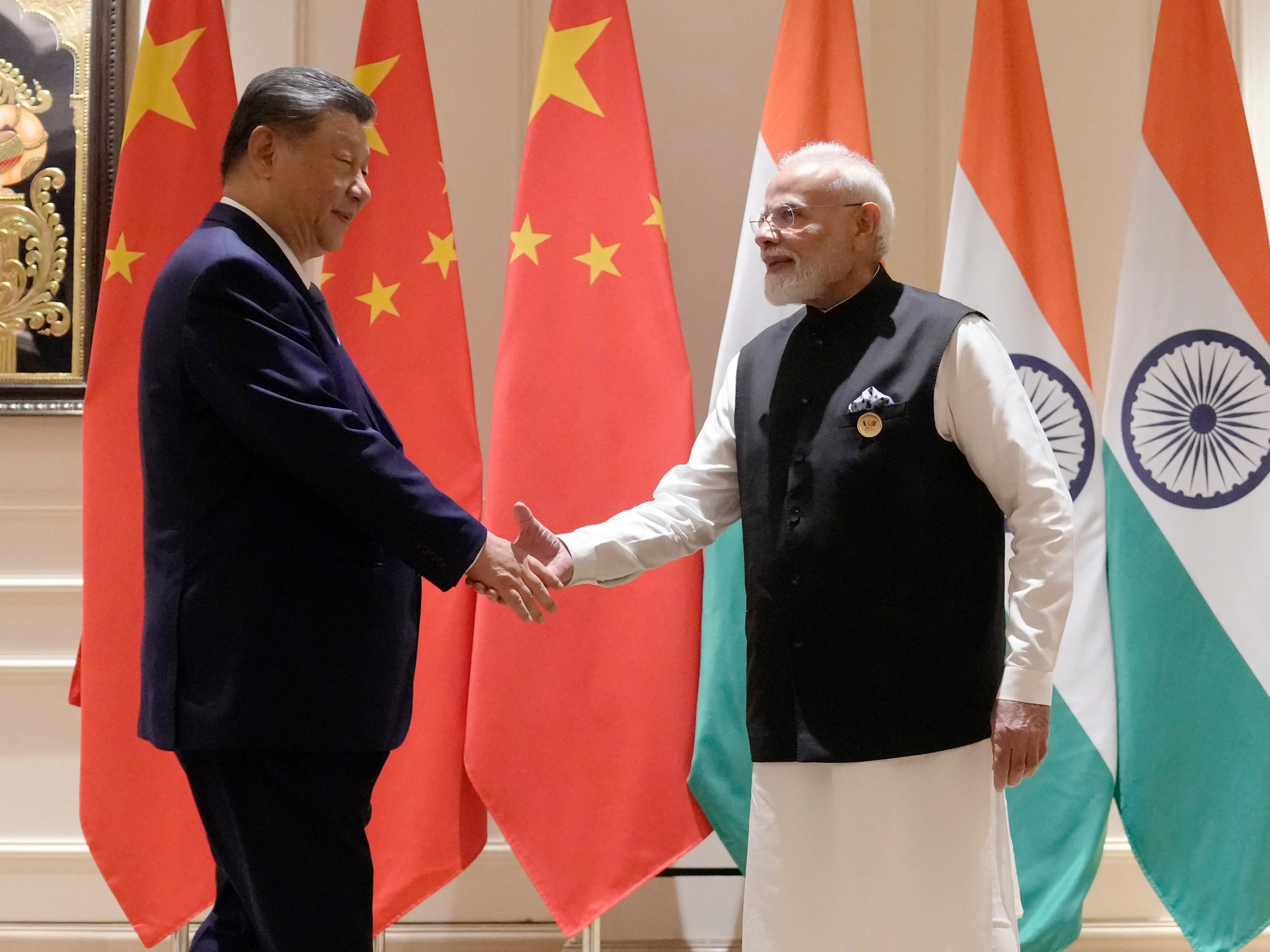)
‘Partners, not rivals’: Xi outlines four point plan for stronger India-China ties
&im=FitAndFill=(700,400))
Why Chinese PL-15 air-to-air missiles use dual-pulse motors compared to European interceptors
)
'It’s going to be a war': Ben Shelton on facing Zverev in US Open title clash
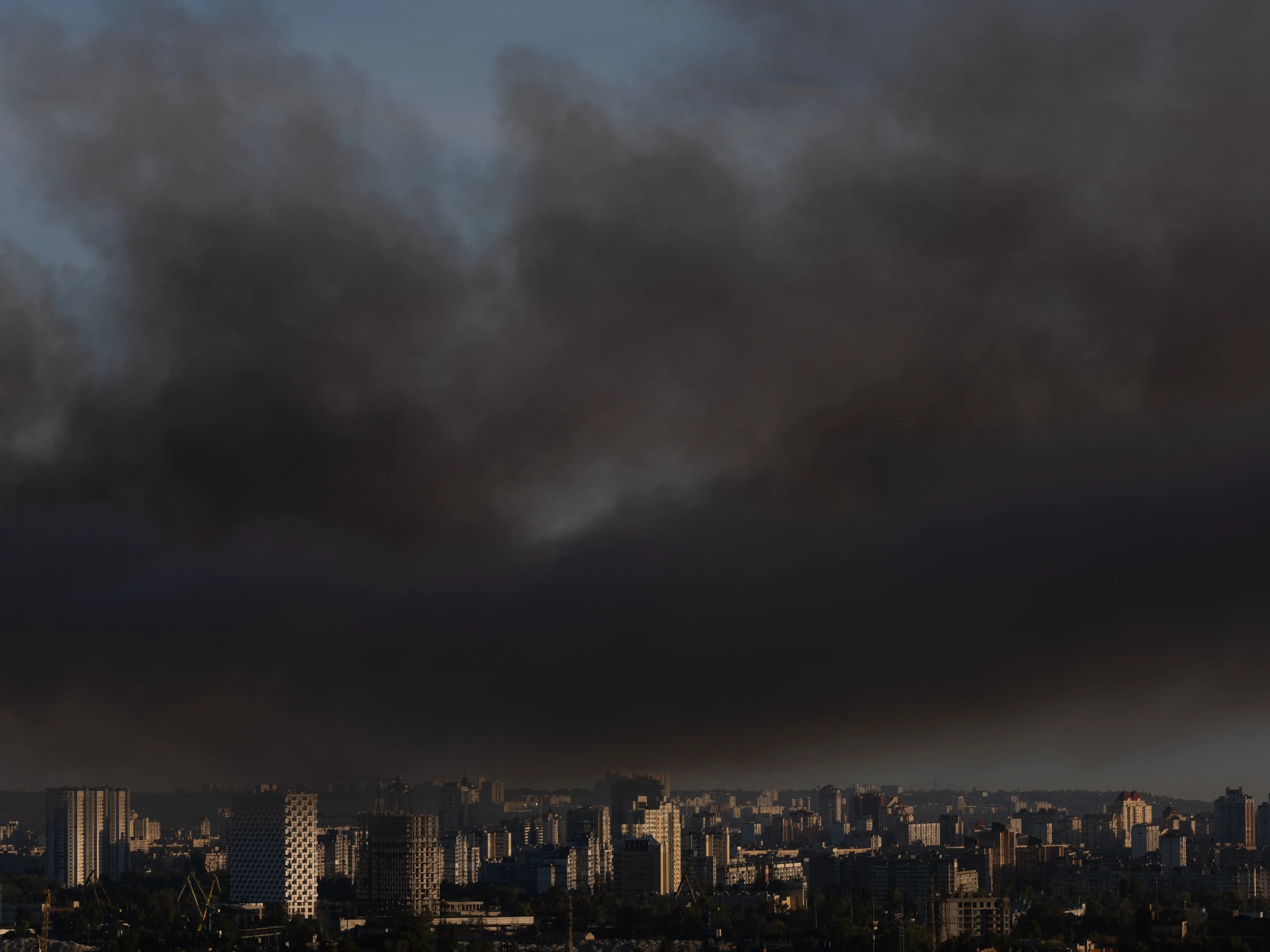)
NATO under Russian threat? Drone strikes just 2 km from Poland, narrow escape for former UK PM, CIA chief
)
Song Ha Yoon school violence case explained: The claims, denials and latest twist of Marry My Husband actress
)
'80% of Indians are non-vegetarian': Rahul Gandhi slams BRICS Summit dinner menu, BJP calls it 'politics on food menu'
)
BRICS Summit: New Delhi declaration adopted with full consensus, big diplomatic win for India
)
800 million years old - Scientists discover 'fingerprints' of supercontinent Gondwana in ancient rocks
)
Russian drone hits Warsaw-bound train near Polish border, Zelensky accuses Moscow of ‘deliberate’ targeting
)
War is making Russia stronger? How Ukraine is shaping Moscow’s next generation of weapons
)
BRICS Summit 2026: Russia-India-China grouping never formalised
)
From severe mobility problems to recovery: Madhuri the elephant’s journey of wildlife care
)
9-year-old Chennai prodigy clears Cambridge IGCSE grade 10 exams
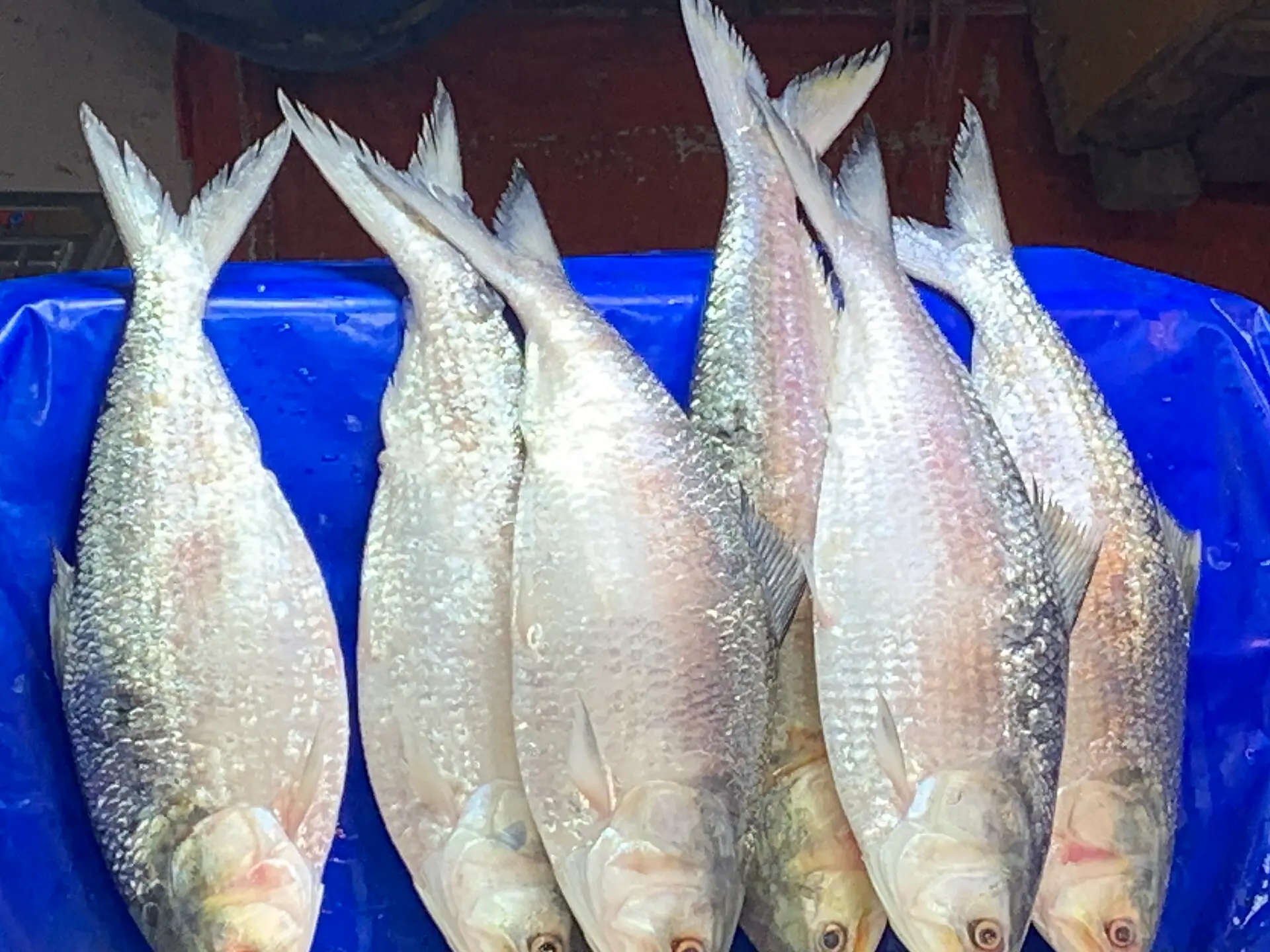)
Indian importers urge Bangladesh to lift export ban on 'Hilsa' fish ahead of Durga Puja
)
Humans may lose control of AI: Anthropic CEO calls for slowdown, Altman, Musk back him
)
BRICS Summit 2026: Modi-Xi moment highlights India-China thaw at BRICS
)
US diplomat accused of possessing child abuse images secretly flown out of UK by US Marines
)
Bigg Boss 20: Who Is Rohed Khan? Meet the Austrian actor from Bade Miyan Chote Miyan
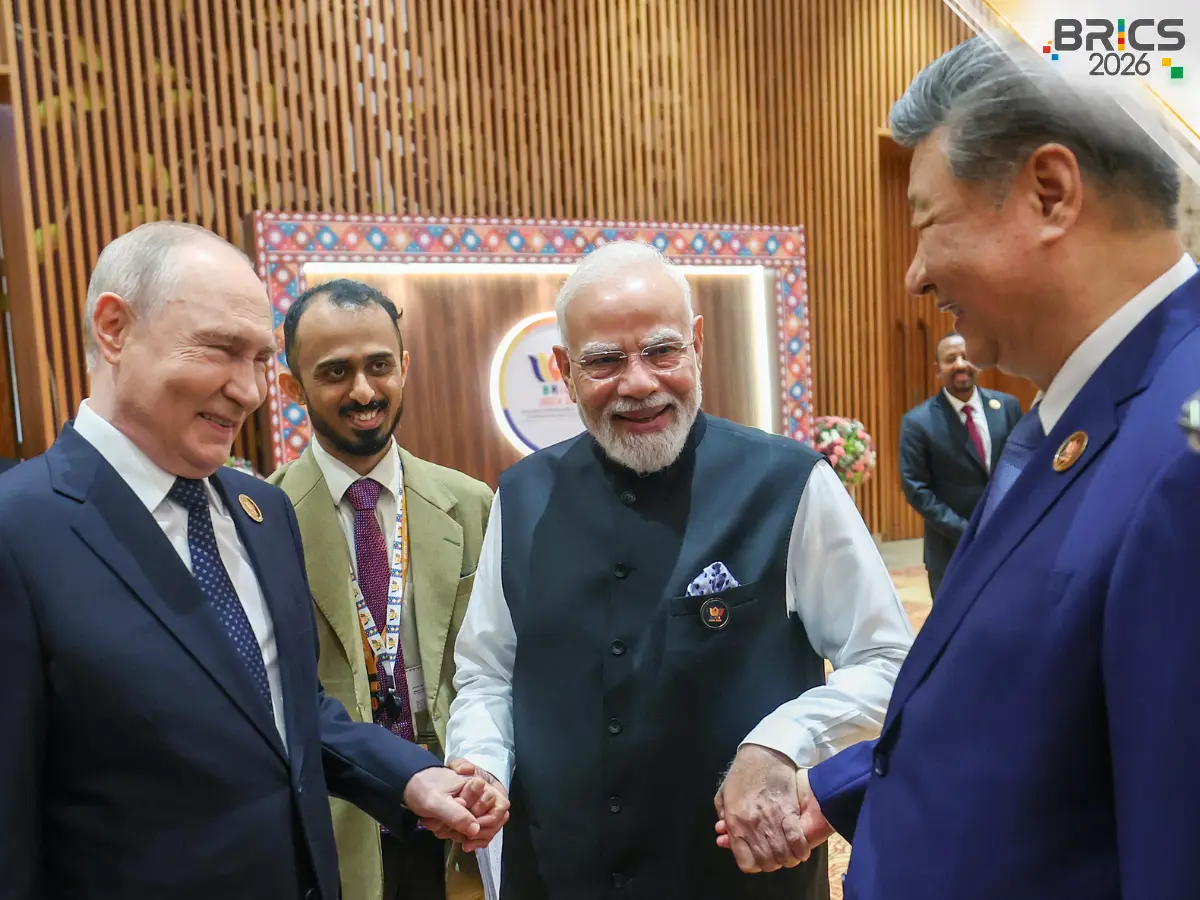)
PM Modi and China's Xi offered to help resolve Russia-Ukraine war: Kremlin
)
Akram, Afridi, Mushtaq tear into PCB after Pakistan’s Test series collapse in UK
From freight rates to war-risk premiums, shipping costs shoot through the roof
Freight rates for oil tankers have surged to record highs, reportedly up to $400,000 per day in the case of Very Large Crude Carriers or VLCCs transporting crude from the Middle East to China due to route disruptions and elevated risk. LNG tanker rates have surged more than 40 per cent, with some routes reaching $41,000–$61,500 per day according to reports.
Shipping companies have introduced emergency conflict surcharges of up to $4,000 per container to offset added risks and expenses. War-risk insurance premiums have risen sharply or been cancelled entirely for vessels in the region, forcing carriers to either pay much higher insurance or avoid the strait altogether.
Ripple effect: A sharp rise in oil and gas prices
The fuel transit disruption, along with Iran’s attacks on oil and gas facilities in producer nations like Qatar and Saudi Arabia, has contributed to sharply rising oil and gas prices, which in turn increase operating costs for ships worldwide. Brent crude futures spiked nearly 10–13 per cent in direct response to the conflict, trading nearly $77–$85 per barrel, with fears of $100 or even $200 per barrel in prolonged disruption scenarios.
Indirect costs include higher freight rates, insurance surcharges, longer detour routes, and idle vessels, potentially amounting to tens of billions of dollars.
All these factors point to mounting economic stress across the shipping and freight industry.
More than 150 oil and LNG tankers and other vessels are currently stranded or forced to anchor outside the strait due to the escalating conflict and safety concerns. Idling loaded LNG vessels also incur significant boil-off losses, which could be up to 100 tonnes per day per large vessel, impacting fuel and cargo value.
Longer routes bleed the shipping industry
There is a de facto closure of the Strait of Hormuz despite no official full blockade by Iran. Direct attacks on vessels, threats to close the strait, and GPS jamming have led to the rerouting of vessels, often around the Cape of Good Hope, or anchoring in safer waters. These developments have contributed to a near-total halt in commercial traffic, with tanker and bulk traffic dropping by 80 per cent or more.
A dire prognosis: Strait of Hormuz could be disrupted for weeks. Another oil shock in the making?
Analysts warn that if the strait remains disrupted for weeks, costs to global goods and energy markets could grow larger. Some estimates suggest global oil supply disruptions equivalent to 20 per cent of daily world consumption. A one-day full blockade of Hormuz could spike potentially double the oil prices in extreme scenarios, translating to billions in daily global economic costs. Clearly, the clock is ticking as stranded ships, surcharges, higher insurance and rate spikes are leading to mouting costs
Disclaimer: WION takes utmost care to accurately and responsibly report ongoing conflicts in West Asia involving Israel, Iran, US, Gulf nations and non-state actors like Hezbollah, Hamas, Houthis, Islamic State, and others. Claims and counterclaims, disinformation and misinformation are being made online and offline. Given this context, WION cannot independently verify the authenticity of all statements, social media posts, photos and videos.