What is a leap second and what to do with it? International organisation to decide this week

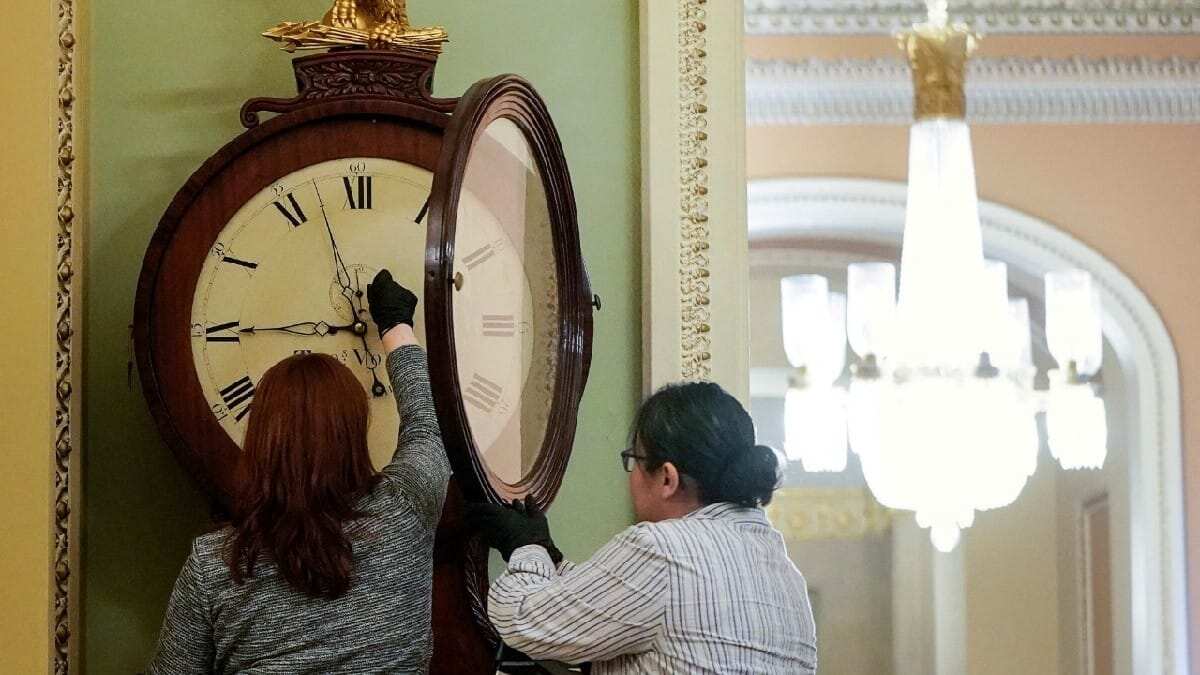
Representative image
The children of the world have long learned to memorise the leap-year formula, that is, after every four years February has 29 days instead of 28 and the yearly number of days become 366 from 365. But the fact that has not made to the textbooks in parts of the world is that since 1972, we occasionally add an extra second, a leap second, by the end of a day.
The officials, however, are now proposing an end to the leap year practice. A vote is expected at a meeting of the International Bureau of Weights and Measures in Versailles on November 18, to abandon the leap year practice by 2035. The IBWM instead wants the world to embrace atomic time until global timekeepers come up with a better plan.
Why the IBWM wants to change the way world measures time?

According to international conventions, a day comprises of 86,400 vibrations of an atom of cesium-133. However, every day there are some vibrations other than these 86,400 vibrations that cannot be added further in the day for mathematical uniformity. So in 1972, scientists added an extra second to the end of an atomic day.
Also, the Earth's rotation is unpredictable. Moreover, precise timing has become integral to world's highly computerised infrastructure. Financial transactions, GPS navigations are all functions of a second.
Data packages related to these financial transactions must be time-stamped to that fine level of precision, recorded and made traceable back to Coordinated Universal Time, the universally agreed-upon standard managed by the timekeepers at the B.I.P.M.
)
Over 4,200 books withdrawn from circulation in J&K colleges, 94% from Kashmir
)
IIT Bombay professor Suryanarayana Doolla sent on leave amid Sahil Wakode death probe
)
Justice eludes Air India 1985 bombing victims as Canada probe goes 'inactive' | Gravitas
)
81st UN General Assembly: Burnham announces UK-US AI defence tie-up
)
WION Iconic Tourism Summit and Iconic Awards 2026: India's travel economy leaders gather in Delhi
&im=FitAndFill=(700,400))
New OTT releases this week (September 21-27, 2026): Shaque: Trust No One, Hunkkaar, Don’t Be Shy- 5 new titles coming to Netflix, Prime Video and more
)
Glitch in the matrix caught on camera: Woman vanishes after talking to reporter
&im=FitAndFill=(700,400))
National Film Awards 2026: Kartik Aaryan, Mammootty, Yami Gautam, Randeep Hooda and other key winners
)
American manufacturing is reshoring faster than its factory floors can absorb
)
ICC plans T20I expansion and fewer ODIs in 2027–2031 FTP cycle: Report
)
Raaka creates history! Allu Arjun’s film secures Guinness World Record ahead of release
)
‘Strike a deal or drive Iran into hell’: Trump issues fresh warning to Tehran at UNGA
)
WION Iconic Tourism Summit and Awards 2026: Key voices to discuss India’s tourism future
)
Who is Clavicular? The 20-year-old controversial 'Looksmaxxing' influencer charged with rape allegations
)
'Mumma’s boy from Gwalior who dared to dream': Kartik Aaryan pens long note after first National Award win
)
The Verdict | Moral policing isn’t culture or discipline, it’s crime
)
'What kind of confession is this?': Pakistan PM Shehbaz Sharif’s 'terrorists would be roaming New York' remark goes viral, raises alarm online. Watch
)
Four female students raped during 'Red Zone' at California university. What we know
)
US and China vie for AI dominance as calls grow for regulation | Gravitas
)
Saudi Arabia exits China-led mBridge digital currency platform amid Saudi-Houthi conflict
)
Explainer: Why rare-earth export licences and Board of Trade are US priorities ahead of Trump-Xi summit
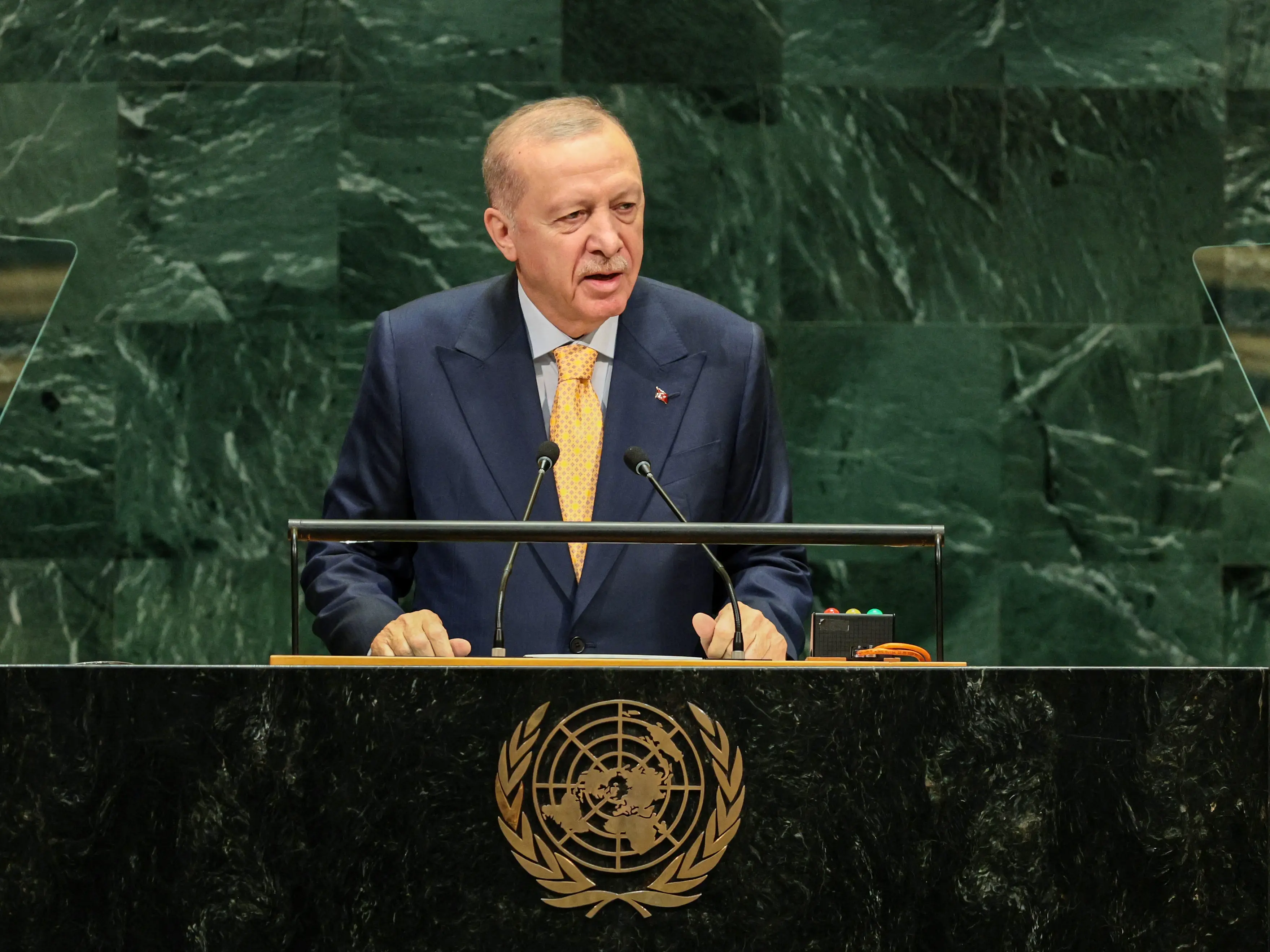)
Erdogan again raises Kashmir issue at UNGA, calls for dialogue under UN Charter
)
Bomb scare in New York amid UNGA: Suspicious suitcase found near UN headquarters
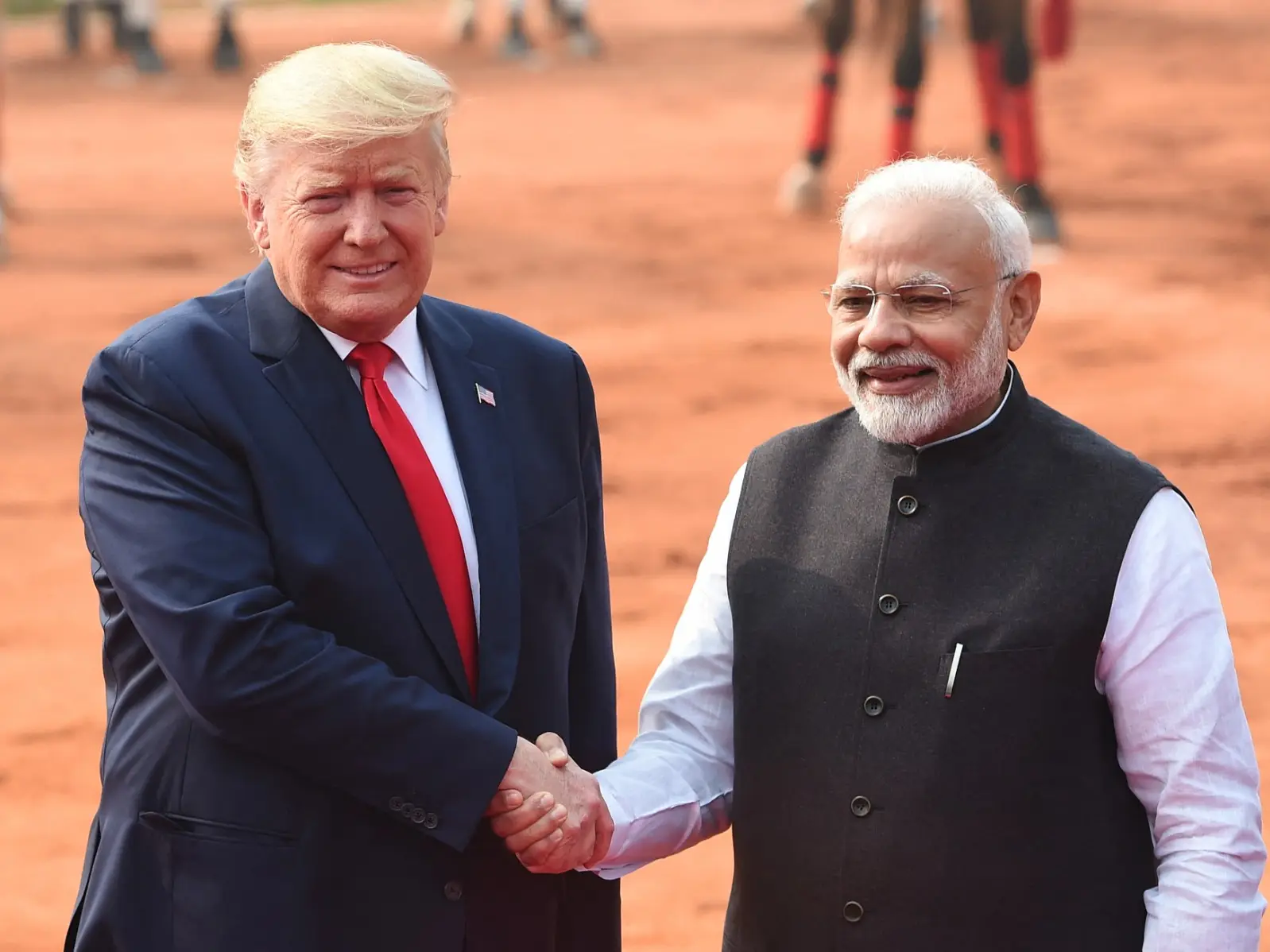)
Trump revives India-Middle East-Europe economic corridor as India emerges central to West Asia’s future: What is it?
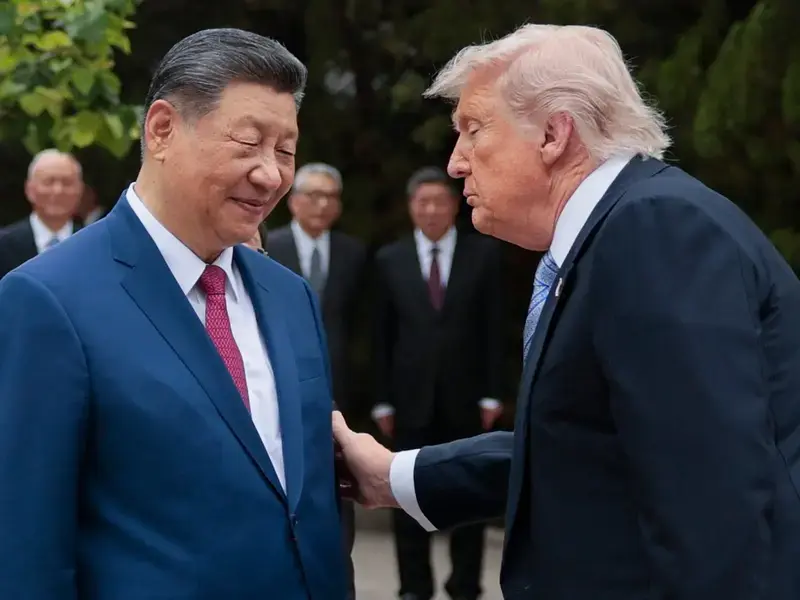)
Trump-Xi summit: From trade to Taiwan, what will the US and Chinese presidents discuss in Washington?
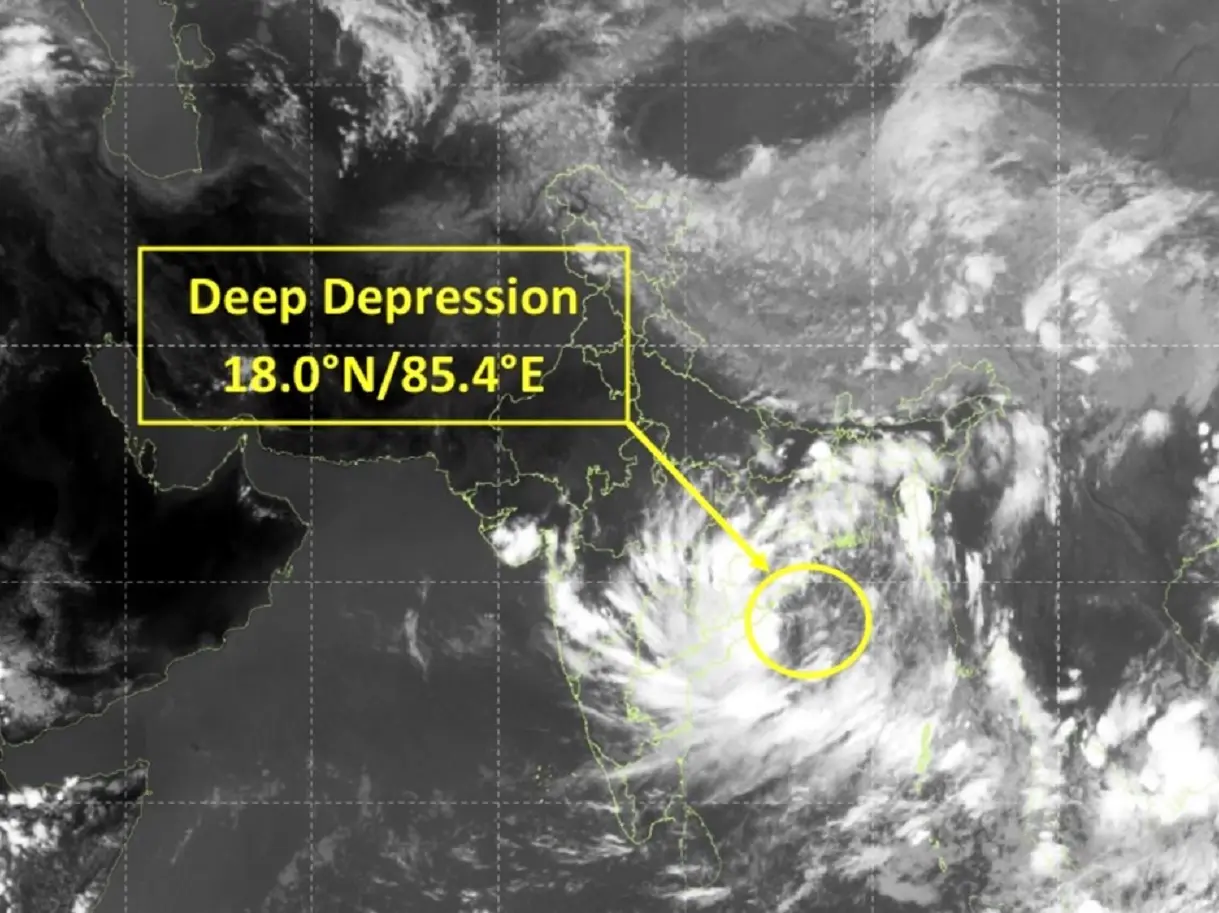)
Cyclone Arnab: Landfall expected before midnight tomorrow as IMD issues orange alerts across six states
)
IND vs JPN, one-off T20I: Japan captain Kendel on pushing India to the brink - ‘It was special’
)
Four decades after leaving Kolkata, the Birlas may be coming back for more
)
Oil slips to $98 as Saudi Arabia restarts East-West oil pipeline
)
Yemen clashes kill 154 people in two days as cornered Saudi battles Houthi offensive | Gravitas
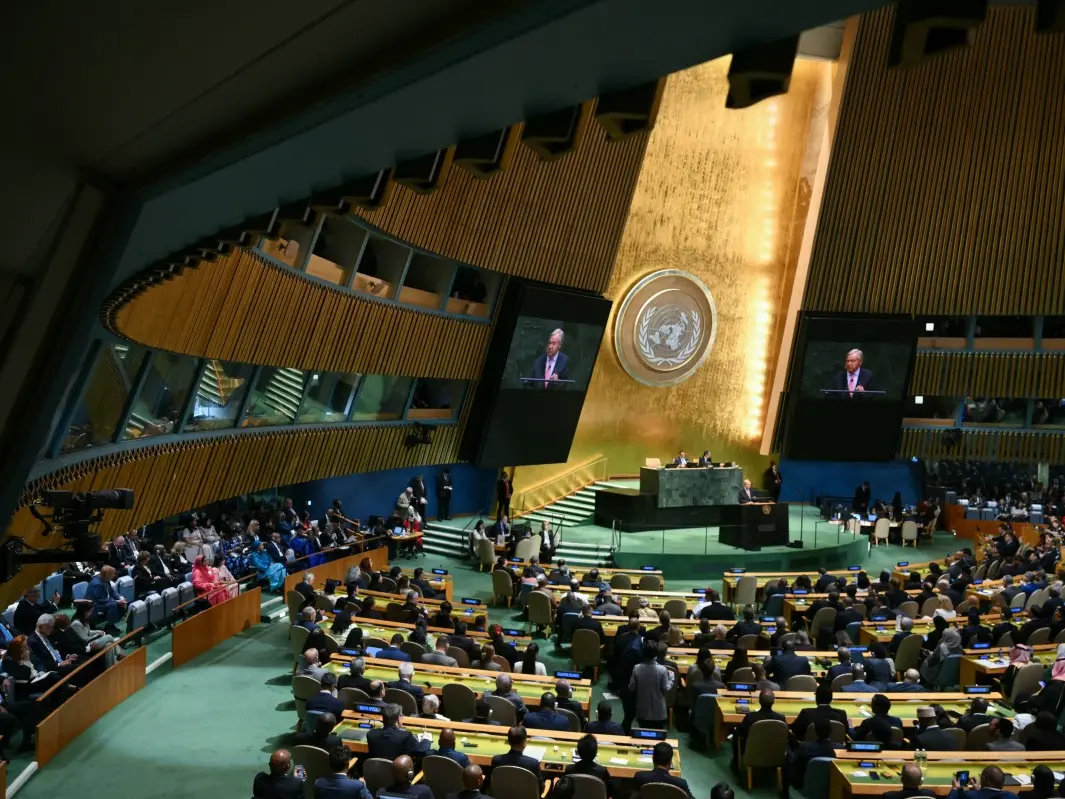)
World leaders repeatedly call Gaza crisis ‘genocide’ as Israel’s war dominates opening sessions of UNGA
)
IND vs JPN T20I: How an overturned wide became point of difference between India's win and a tie
)
Major League Soccer referee sacked for sexist comment about female match referee
)
'This is normally what toddlers do': Why a psychiatrist is raising fresh questions about Trump’s recent behaviour
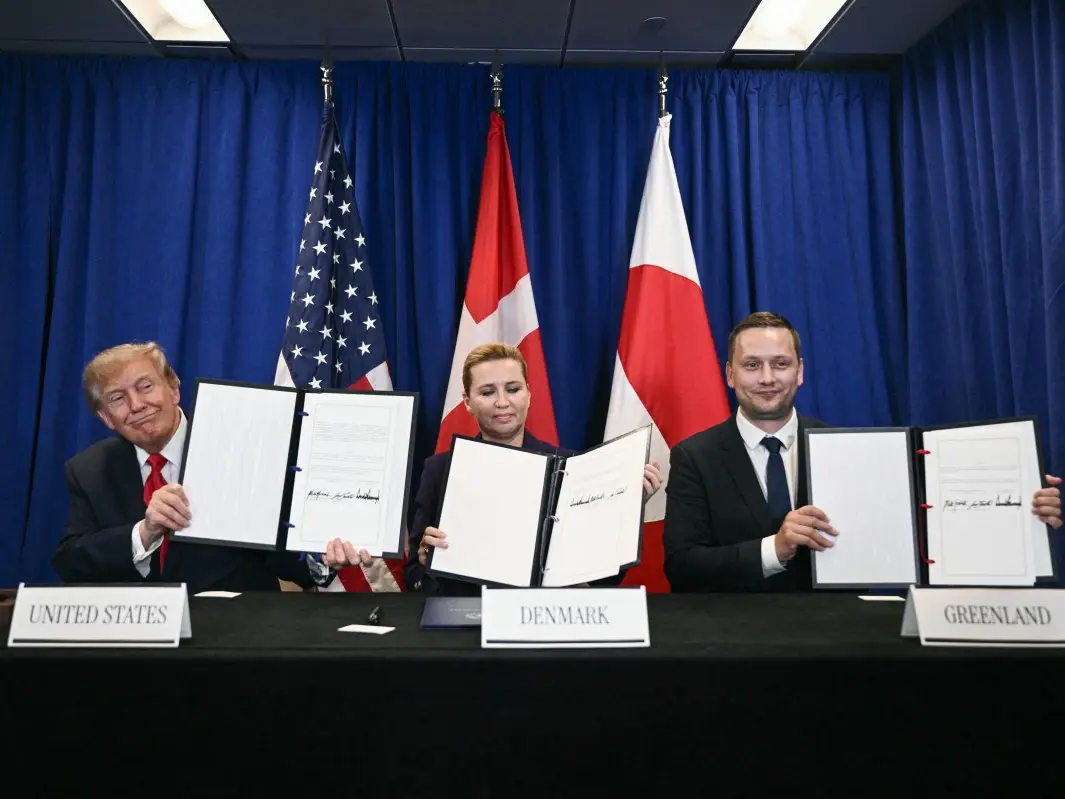)
Trump signs Greenland security deal with Denmark, paving way for two new US military bases
)
Trump calls on nations to quit ‘rogue’ and ‘out-of-control’ International Criminal Court, rips UN
)
Gravitas | Boosting NHS productivity could save 20,600 lives in UK annually: Report
ALSO READ |Pacific Ocean island nation to build country on metaverse as climate change threatens existence
Every additional leap second introduces the risk of confusion that some digital networks won’t implement the change correctly, won’t know precisely what time it is with regard to the other systems, and will fail to synchronise properly.
“What was before just a way of measuring the flow of time is today essential for transportation, location, defense, finance, space competition,” Felicitas Arias, former director of the time department of the International Bureau of Weights and Measures, was quoted as saying by New York Times.
A vote, in the form of Resolution D, is expected on Nov. 18 at a meeting in Versailles of the International Bureau of Weights and Measures.
“Time is ruling the world," he said further.
When was leap year practice first established?
The leap year practice was first established by Julius Caesar over 2,000 years ago. It was modified in the 16th century by Pope Gregory XIII, leading to the creation of Gregorian calendar.
WATCH WION LIVE HERE
You can now write for wionews.com and be a part of the community. Share your stories and opinions with us here.