Valentine's Day 2023: What is its history & why is it celebrated? Why some countries have banned this day?


All you need to know about Valentine's day
Valentine's Day 2023:Every year on 14 February, couples all around the world celebrate the day of love and affection, that is, Valentine's day. Though love doesn't need a single day to be 'celebrated' but this is a special day on which people express their affection for each other, exchange gifts and promise a lifetime of company to each other on this day. But have you ever wondered how this day originated? Or whose idea was it to dedicate an entire day to celebrate love and affection?
Let's dive deeper into the ocean of love and find out.
Origins of Valentine's Day in history

Initially, Valentine's Day was observed as a Christian holiday to honour the Christian martyrnamed Saint Valentine. The day was also known by different names like Saint Valentine's Day or the Feast of Saint Valentine. Some even say that this day is similar to the Roman festival of Lupercalia, which is also celebrated in mid-February.
The Lupercalia festival is celebrated to welcome spring which included fertility rites and the pairing off of women with men by lottery. But at the end of the 5th century, Pope Gelasius I forbade the celebration of Lupercalia, which was then later replaced as Valentine's day.
The legend of 'from your Valentine'
)
Two men die of suspected chemical exposure inside public toilet in Mumbai
)
Asian Games 2026: India face Afghanistan in quarterfinal on Sep 28; Pakistan clash with Hong Kong
&im=FitAndFill=(700,400))
New Friday OTT releases (September 25, 2026): Don’t Be Shy, Hunkkaar: The Roar, Mango Pachcha- 6 movies and TV shows on Netflix, Prime Video and more
)
Sri Lankan Tamil migrant worker gets death sentence in Saudi Arabia, help sought from India
)
Nations League: Spain sink England at Wembley; Modric shines for Croatia
)
IND vs WI 1st ODI: Naman Dhir debuts as India bowl first in Trivandrum; check playing XIs
)
Bollywood x K-pop crossover! LE SSERAFIM’s Kazuha charms fans with Shah Rukh Khan’s ‘Chammak Challo’ steps
)
OpenAI AI Agents hacked 4 websites before Hugging Face, researchers reveal
&im=FitAndFill=(700,400))
Humanoid robots to virtual worlds! Korean sci-fi dramas to watch: Are You Human Too?, Memories of the Alhambra and more
)
‘Anti-social elements spreading false rumours’: LPU issues statement amid massive unrest over alleged rape
)
Bigg Boss 20: Salman Khan schools Rhiti Tiwari over Qazi Touqeer clash, compares her to Dolly Bindra
)
LPU students go on rampage, vandalise campus amid widespread protest: What's happening
)
US-Iran war: Trump rejects Iran's Hormuz proposal, reports suggest talks expected next week
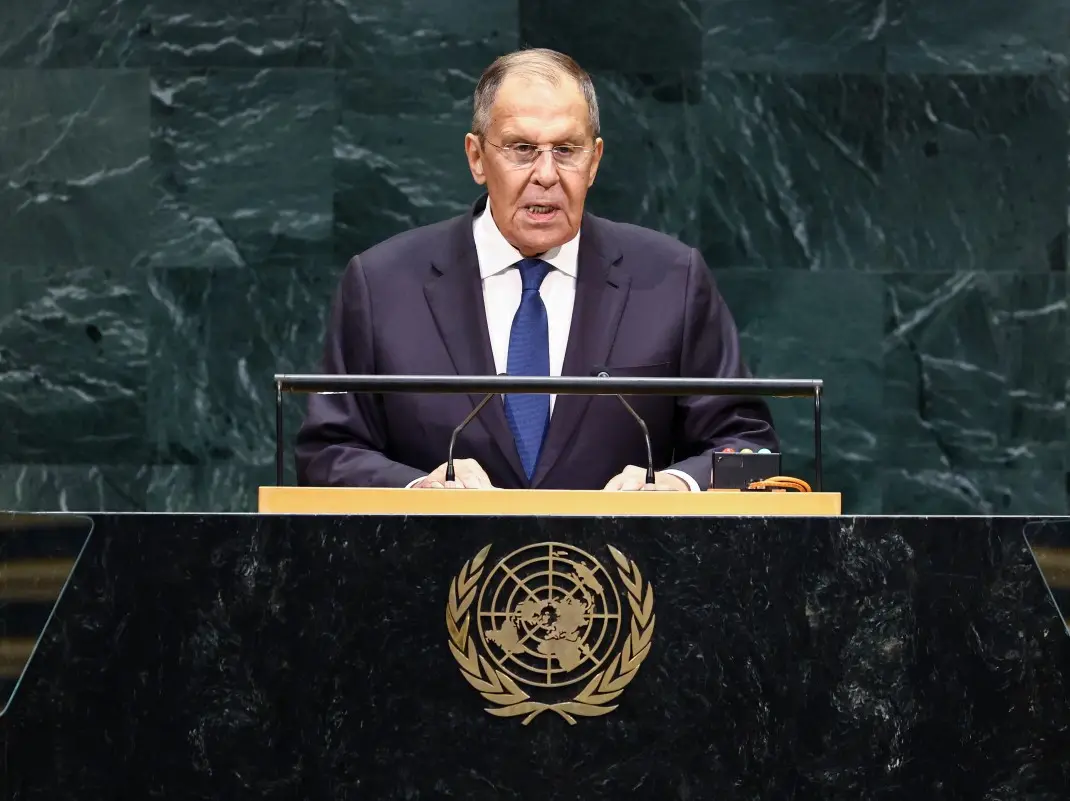)
Russia will achieve Ukraine war aims; Europe doing everything to block peace talks: Lavrov at UN
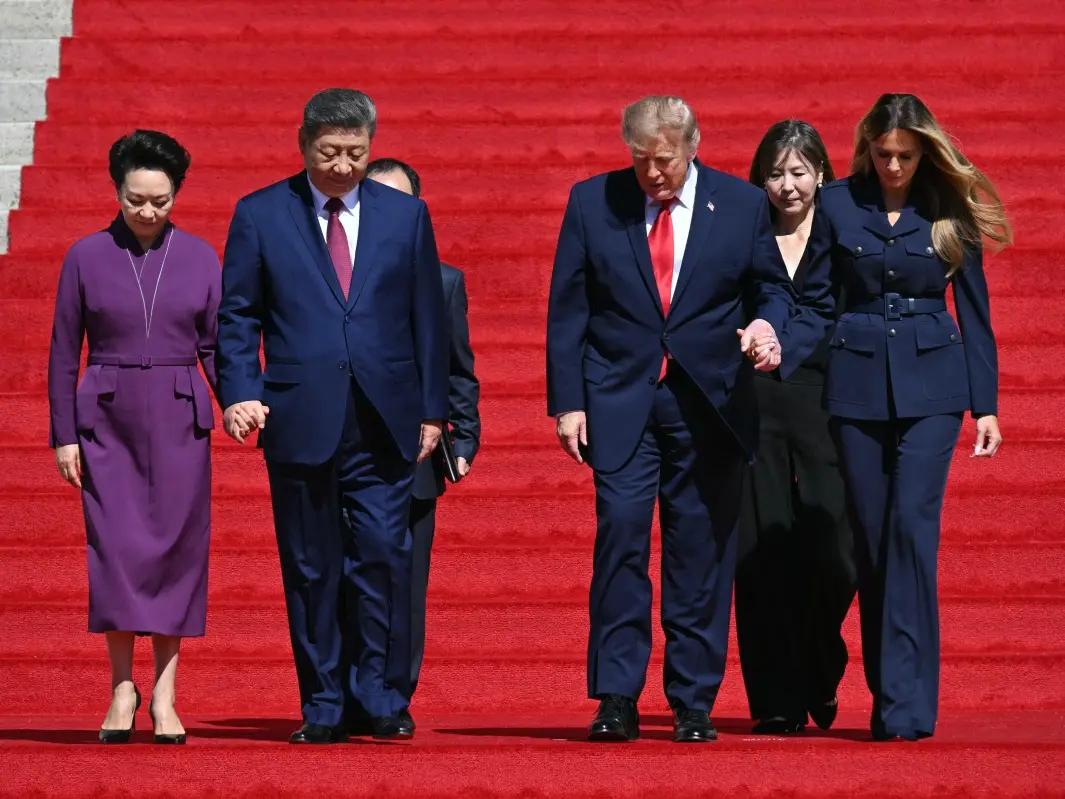)
Trump-Xi summit wrap: Big pageantry, Iran talks, few major developments and more meetings planned
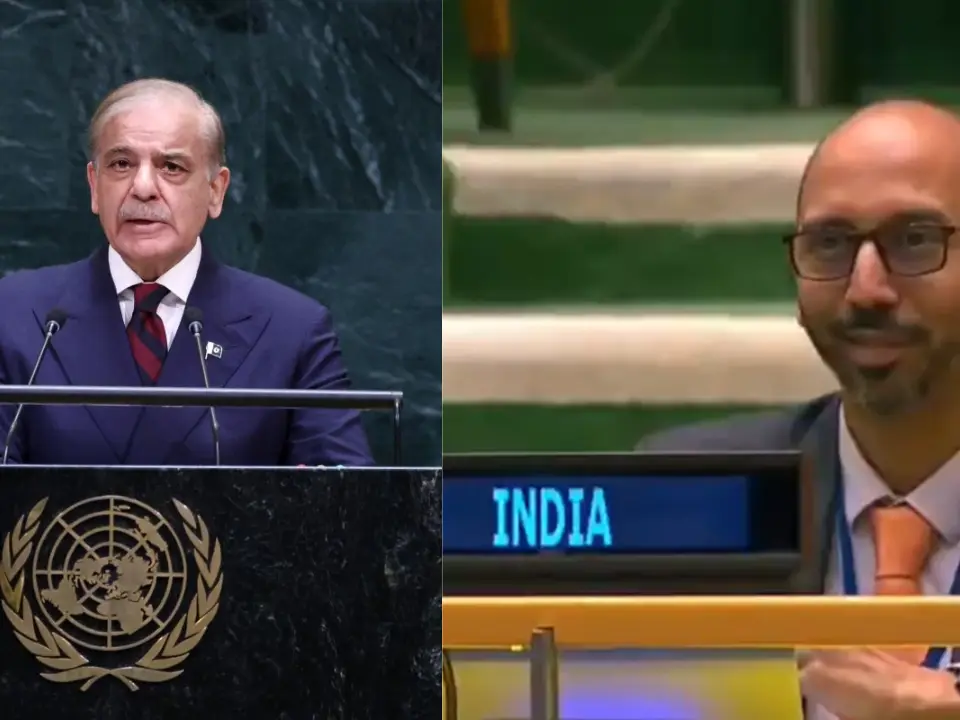)
WATCH | As Shehbaz Sharif claims Pakistan’s ‘victory’ during 2025 conflict, Indian diplomat R Srinivas laughs at UN
)
Avalanche strikes Nepal's Himlung Himal base camp, at least 10 missing
)
US vs China over South China Sea: Washington backs Philippines, Beijing hits back
)
Ceuta migrant crisis: Protesters take to streets as Spain grapples with migrant challenge
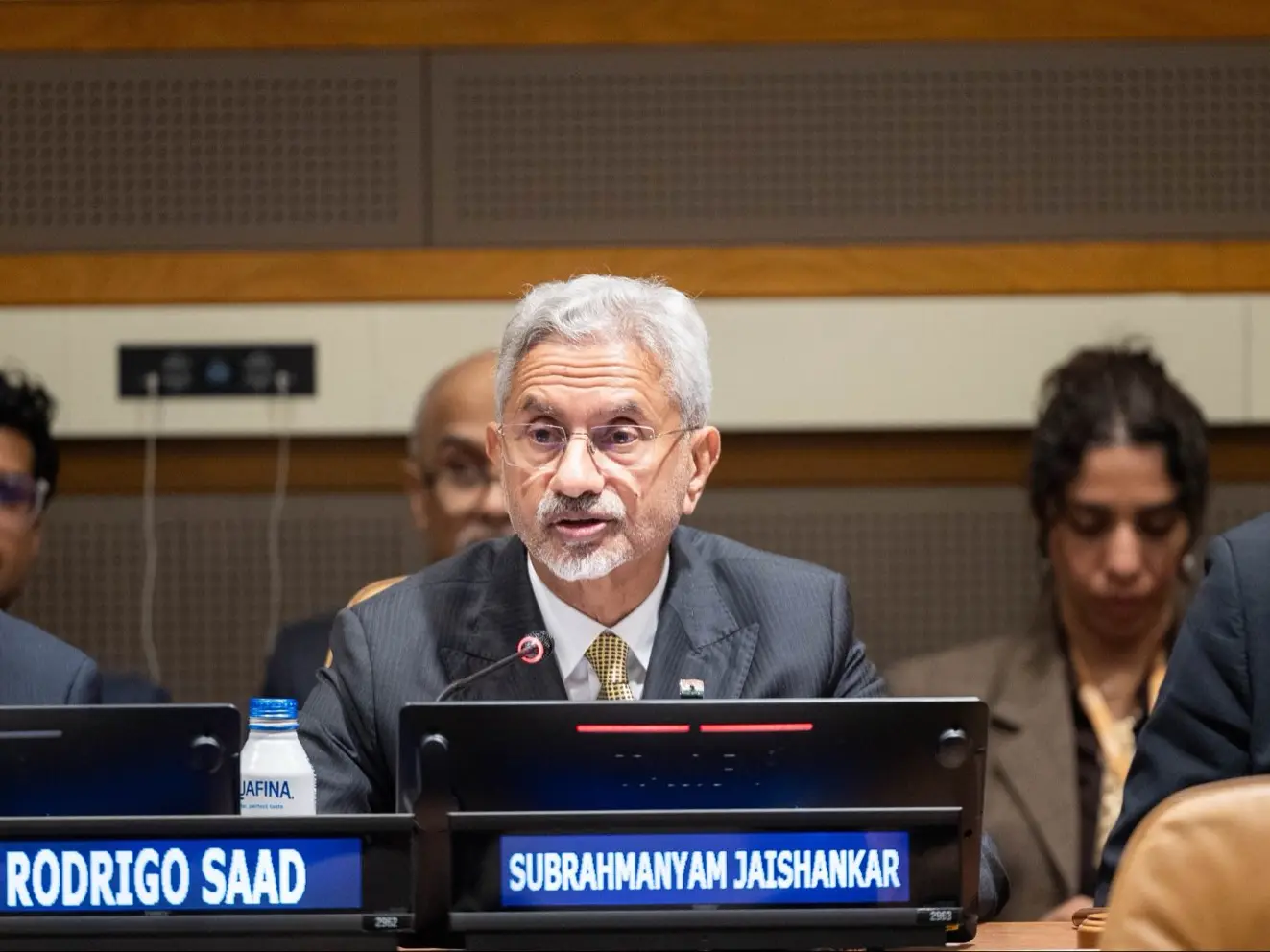)
'Countries far from conflict are penalised': Jaishankar calls for Gulf peace, seafarer safety at UN
)
‘Could kill billions...’: Bill Gates backs calls to slow AI development amid fears of catastrophe
)
Ramayana: Yash’s Ravana gets first official poster from Nitesh Tiwari’s epic
)
'A terrorist country is asking me that question?': Jaishankar hits back at Pakistani journalist at UN; flags attacks on commercial shipping
)
US Treasury Secretary Scott Bessent hails global crackdown on Iranian banks and airlines
)
UK police arrest several under explosives act near air base used by US forces
)
'What kind of confession is this?': Pakistan PM Shehbaz Sharif’s 'terrorists would be roaming New York' remark goes viral, raises alarm online. Watch
)
‘Attack on Mecca a red line for Pakistan’: Shehbaz Sharif warns Houthis at UN
)
'FIRST LOOK from inside Noah’s Ark': Researchers share video from inside mysterious mound in Turkey
)
Jaishankar at UNGA: Goodwill and friendship can't coexist with terrorism
)
UNSC reform momentum grows: Russia, Portugal, Mauritius push for India's permanent seat bid
But Valentine's day had nothing to do with romance until about the 14th century. Historically, a priest called Valentine was murdered by the emperor Claudius II Gothicus in 270 CE. If legend is to be believed, the priest signed a letter 'from your Valentine'to his jailer's daughter as a farewell note, whom he had befriended and healed from blindness.
Some other accounts also tell us that it was St. Valentine of Terni, who defied the emperor's orders and secretly married couples to Christian soldiers who were forbidden to get married.
Connection of Valentine's day with romantic love
The day came to be associated with romance and love in the 14th and 15th centuries when notions of courtly love flourished apparently by association with the 'love birds' of early spring. In 18th-century England, it grew into an occasion in which couples expressed their love for each other by presenting flowers, offering confectionery, and sending greeting cards (known as 'valentines').
Valentine's Day symbols that are used today include the heart-shaped outline, doves, and the figure of the winged Cupid. Since the 19th century, handwritten valentines have given way to mass-produced greeting cards.
Valentine's day celebrations around the world
The day is very popular among young couples in the US as well as in Britain, Canada, and Australia. It is also celebrated in other countries like Argentina, France, Mexico, South Korea and India. In the Philippines, it is the day when people observe their wedding anniversary and mass weddings of hundreds of couples take place.
But in some other countries like Indonesia, Pakistan and Saudi Arabia, the day is banned due to the day's conflicting views with the Islamic culture. Since 2009, certain practices pertaining to Valentine's Day (such as giving flowers, cards, or other gifts suggestive of Valentine's Day) are banned in Iran.
In 2021, the Prosecutor's Office of Qom, Iran, stated that it will prosecute those who disseminate and provide anti-cultural symbols like those of Valentine's Day.