
&imwidth=800&imheight=600&format=webp&quality=medium "Strongest solar storm radiation in over 20 years slams Earth: Where to see auroras?")
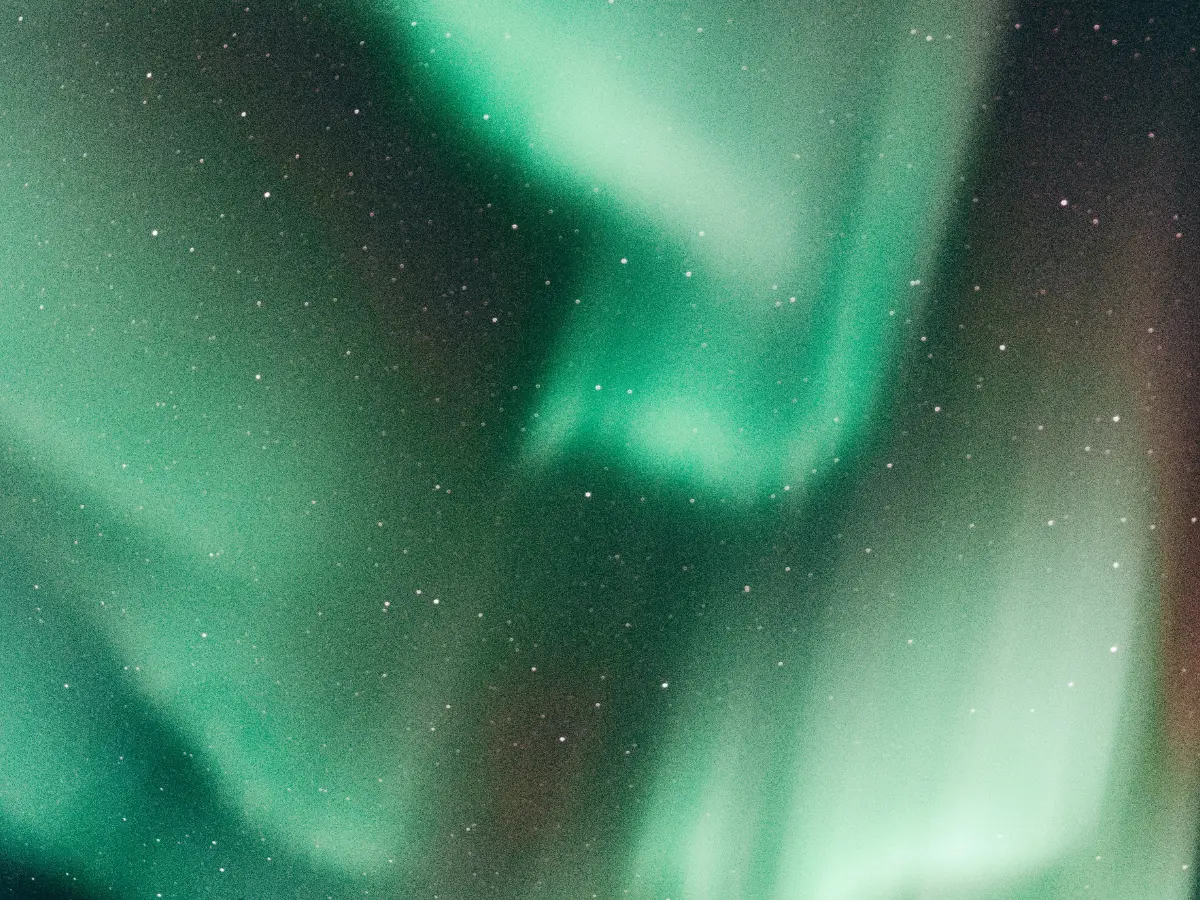
The strongest solar radiation storm in over two decades was recorded on Monday (January 19), which will not only bring beautiful auroras but also disrupt communication networks in affected regions. The Space Weather Prediction Center (SWPC) announced on Monday that this storm is currently in progress and is classified as an “S4” – the second-highest possible level. It added that such a solar storm is incredibly rare, and the last time something like this was seen was in October 2003. Forecasters say that it has triggered a severe geomagnetic storm, which has intensified to a G4 by the afternoon of Monday. “We reached nearly 20 times what’s normal background level for magnetic energy out in space with that arrival here at Earth,” Shawn Dahl, a service coordinator with the SWPC, was quoted as saying by WPRI News. The high-intensity storm is expected to last for days and bring severe consequences.
Where will northern lights be visible in the US?
According to officials, high-frequency communications could be completely cut off in the polar regions. The radiation is also likely to pose a health hazard for those flying on aeroplanes at high altitudes. The strong geomagnetic storm will bring auroras to several places in the United States, especially those further north. According to forecasters, the northern lights are expected to put up a show in Washington, Oregon, Idaho, Montana, Wyoming, northern Utah, northern Colorado, North Dakota, South Dakota, Nebraska, northern Kansas, Minnesota, Iowa, northern Missouri, Wisconsin, Michigan, Illinois, Indiana, Ohio, Pennsylvania, New York, New Jersey, Connecticut, Rhode Island, Massachusetts, Vermont, New Hampshire, Maine and Alaska. If the intensity of the geomagnetic storm grows to G4 again, places as far as Alabama and California could also see auroras, SWPC said.

Solar storm impact on satellites, astronauts and health
The storm could disrupt pipelines and rail services because of the electrical current induced by the storm. Coronal Mass Ejections (CMEs) come with their own magnetic field that causes this current, which can wreak havoc on power grids, radio communications and GPS, Robert Steenburgh, a space scientist at SWPC, said. However, phones and ATMs should work fine unless there is a power outage. When a similar solar storm occurred in October 2003, spacecraft and satellites were hit. Scientists in Antarctica lost communications for five days, and astronauts on the International Space Station implemented measures to shield themselves from the radiation. This time as well, those aboard the ISS will have to protect themselves, and SWPC is working with NASA to ensure they remain safe.
Trending Stories
)
‘No Unfair Treatment’: Kotak tells Jaiswal to wait for his turn in IND vs WI ODIs
)
50MP vs 48MP cameras: iPhone 18 Pro Max and Pixel 11 Pro XL compared
)
Building collapses after blast in Athens: 4 Americans, British man among 6 killed; cause not known
)
Why has Iran released no proof of life of Mojtaba Khamenei? Araghchi reveals...
)
Afghanistan says 28 fighters killed in clash near Pakistan border, Islamabad denies
)
‘Terror suspects arrested near UK air base were looking to do big damage’: Trump
)
Man arrested after his 22-year-old girlfriend dies at homestay in Guwahati; police suspect murder over suicide claim
)
Sri Lankan Tamil migrant worker gets death sentence in Saudi Arabia, help sought from India
)
Nations League: Spain sink England at Wembley; Modric shines for Croatia
)
Ceuta migrant crisis: Protesters take to streets as Spain grapples with migrant challenge
)
Bank unions defer 3-day strike from tomorrow after talks with IBA, committee set up
)
99.9% more powerful - Scientists find boy who can recall memories from just 3 months of age
)
Trump expects Iran talks this week despite rejecting Tehran’s proposal: Report
)
Russia backs India at UNGA, but flags limits on UNSC seat expansion
)
Tesla builds first Cybertruck with its own refined lithium: Elon Musk's $1 billion Texas bet pays off
)
South Africa probes string of murders targeting women
)
Jaishankar at UNGA: Goodwill and friendship can't coexist with terrorism
)
Kendall Jenner, Jacob Elordi’s Milan Fashion Week appearance has fans talking; his reaction steals the show
)
US vs China over South China Sea: Washington backs Philippines, Beijing hits back
)
UNSC reform momentum grows: Russia, Portugal, Mauritius push for India's permanent seat bid
)
‘Anti-social elements spreading false rumours’: LPU issues statement amid massive unrest over alleged rape
)
Jerry Maguire star Jonathan Lipnicki makes rare red carpet appearance
)
LPU students go on rampage, vandalise campus amid widespread protest: What's happening
)
Iran ready for ‘doomsday war’ if US resumes attacks, but open to diplomacy: Araghchi
)
'Victory for low-budget consumers': Raghav Chadha hails 30-day telecom recharge rules
)
IndiGo flight suffers tail strike in Bengaluru while landing; DGCA to probe incident
)
‘Olympic inclusion is our major target’: WPA President Ishaun Singh on pool’s global ambitions
)
Delhi gets first late-September rain in 7 years, mercury dips 5.1°C below normal
)
Russian envoy claims US tactics to contain India were revealed in ‘Freudian slip’
)
Trump asked Xi to pressure Iran. China did not say yes — here’s what Beijing wants
)
Beyond metros: How Tier-2 and Tier-3 cities could drive India’s next AI wave
)
Powerful Autumn storm threatens major coastal flooding across the US Northeast
)
Muslim marriage cannot shield sex with minor wife from prosecution under POCSO: Delhi HC
)
'FIRST LOOK from inside Noah’s Ark': Researchers share video from inside mysterious mound in Turkey
)
Venezuela's oil heartland eyes US revival
)
US Treasury Secretary Scott Bessent hails global crackdown on Iranian banks and airlines
)
Beyond BrahMos: India targets Rs 50,000 crore in defence exports with unmatched price edge

