Mystery of ancient burial: Archaeologists uncover 3,000-year-old skeleton in El Salvador

&imwidth=600&imheight=450&format=webp&quality=medium "Mystery of ancient burial: Archaeologists uncover 3,000-year-old skeleton in El Salvador")
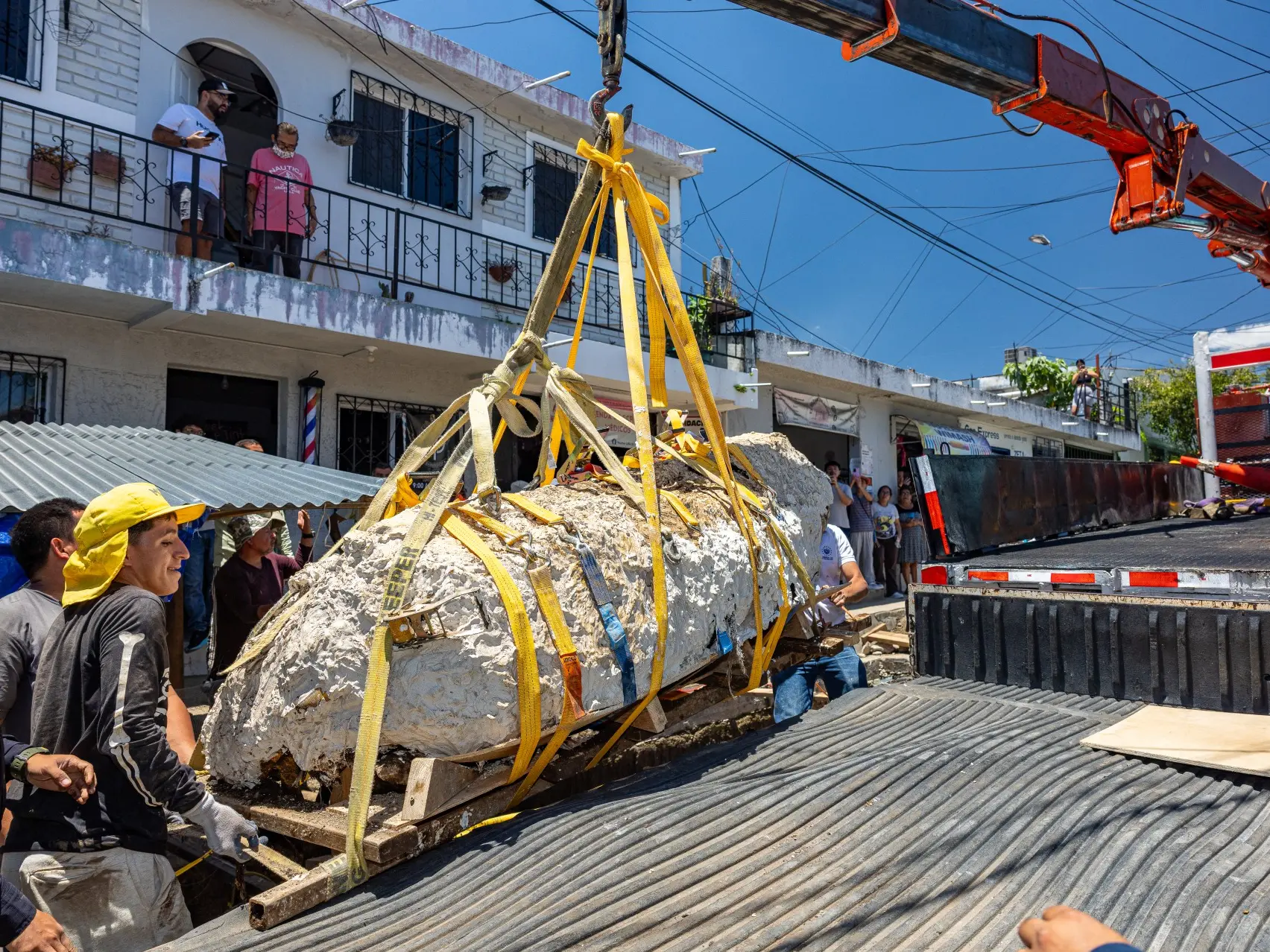
This handout image released by El Salvador's Presidency shows archaeologists extracting a pre-Hispanic burial estimated to date to 850 B.C. at an archaeological site in Antiguo Cuscatlan, El Salvador, on July 21, 2026. Photograph: (AFP)
Archaeologists in El Salvador unearthed 3,000-year-old human remains at an ancient burial site, alongside a turtle-shaped ceramic vessel, offering clues into early Mesoamerican rituals and traditions.
Archaeologists have uncovered human remains dating back to around 850 BC in El Salvador on Tuesday (Jul 21), the country’s Ministry of Culture said. The remains, which are believed to be nearly 3,000 years old, were found beneath the layers of volcanic ash at a burial site in Antiguo Cuscatlan, a suburb of San Salvador.
Researchers found the remains alongside a small Usulutan-style ceramic vessel shaped like a sea turtle – an artefact that offers a rare connection to the beliefs and traditions of people who lived in the region thousands of years ago.
The excavation also revealed traces of cassava branches preserved beneath layers of volcanic ash deposited over different periods. The natural covering helped protect fragments of the ancient burial site for centuries.
The remains were found lying face down, a detail that has caught the attention of archaeologists. They will now undergo radiocarbon testing to confirm their age, while DNA analysis will help determine the person’s sex.
The find has revived interest in El Salvador’s ancient burial practices, with experts drawing comparisons to the Chalchuapa archaeological site in western El Salvador.
Trending Stories
&imwidth=280&imheight=210&format=webp&quality=medium)
&imwidth=280&imheight=210&format=webp&quality=medium)
&imwidth=280&imheight=210&format=webp&quality=medium)
&imwidth=280&imheight=210&format=webp&quality=medium)
&imwidth=280&imheight=210&format=webp&quality=medium)
&imwidth=280&imheight=210&format=webp&quality=medium)
&im=FitAndFill=(700,400)&imwidth=280&imheight=210&format=webp&quality=medium)
&imwidth=280&imheight=210&format=webp&quality=medium)
&imwidth=280&imheight=210&format=webp&quality=medium)
&imwidth=280&imheight=210&format=webp&quality=medium)
&imwidth=280&imheight=210&format=webp&quality=medium)
&imwidth=280&imheight=210&format=webp&quality=medium)
&imwidth=280&imheight=210&format=webp&quality=medium)
&imwidth=280&imheight=210&format=webp&quality=medium)
&imwidth=280&imheight=210&format=webp&quality=medium)
&imwidth=280&imheight=210&format=webp&quality=medium)
&imwidth=280&imheight=210&format=webp&quality=medium)
&imwidth=280&imheight=210&format=webp&quality=medium)
&imwidth=280&imheight=210&format=webp&quality=medium)
&imwidth=280&imheight=210&format=webp&quality=medium)
&imwidth=280&imheight=210&format=webp&quality=medium)
&imwidth=280&imheight=210&format=webp&quality=medium)
&imwidth=280&imheight=210&format=webp&quality=medium)
&imwidth=280&imheight=210&format=webp&quality=medium)
&imwidth=280&imheight=210&format=webp&quality=medium)
&imwidth=280&imheight=210&format=webp&quality=medium)
&imwidth=280&imheight=210&format=webp&quality=medium)
&imwidth=280&imheight=210&format=webp&quality=medium)
&imwidth=280&imheight=210&format=webp&quality=medium)
&im=FitAndFill=(700,400)&imwidth=280&imheight=210&format=webp&quality=medium)
&imwidth=280&imheight=210&format=webp&quality=medium)
&imwidth=280&imheight=210&format=webp&quality=medium)
&imwidth=280&imheight=210&format=webp&quality=medium)
&imwidth=280&imheight=210&format=webp&quality=medium)
&imwidth=280&imheight=210&format=webp&quality=medium)
&imwidth=280&imheight=210&format=webp&quality=medium)
&imwidth=280&imheight=210&format=webp&quality=medium)
At Chalchuapa, excavated in the 1970s, archaeologists discovered the remains of 33 people, including complete and partial skeletons as well as isolated skulls. Some of the remains showed signs of violence, including bound limbs, mutilation and decapitation, leading researchers to identify the site as one of the earliest known examples of possible human sacrifice in Mesoamerica.
Also read | Cannon event! 16th century artefact weighing 3.5 tonnes stolen from MP’s Narwar Fort
The Antiguo Cuscatlan discovery is now being studied to determine whether it carries similar evidence of ritual practices or reveals a different chapter of the region’s ancient history. For archaeologists, the grave is more than a collection of bones and artefacts – it is a rare record of a civilisation that existed long before modern borders shaped the land.

