

&imwidth=800&imheight=600&format=webp&quality=medium "Mosquitoes dropped by drone: Inside Hawaii’s daring ecological experiment. Know all about it")
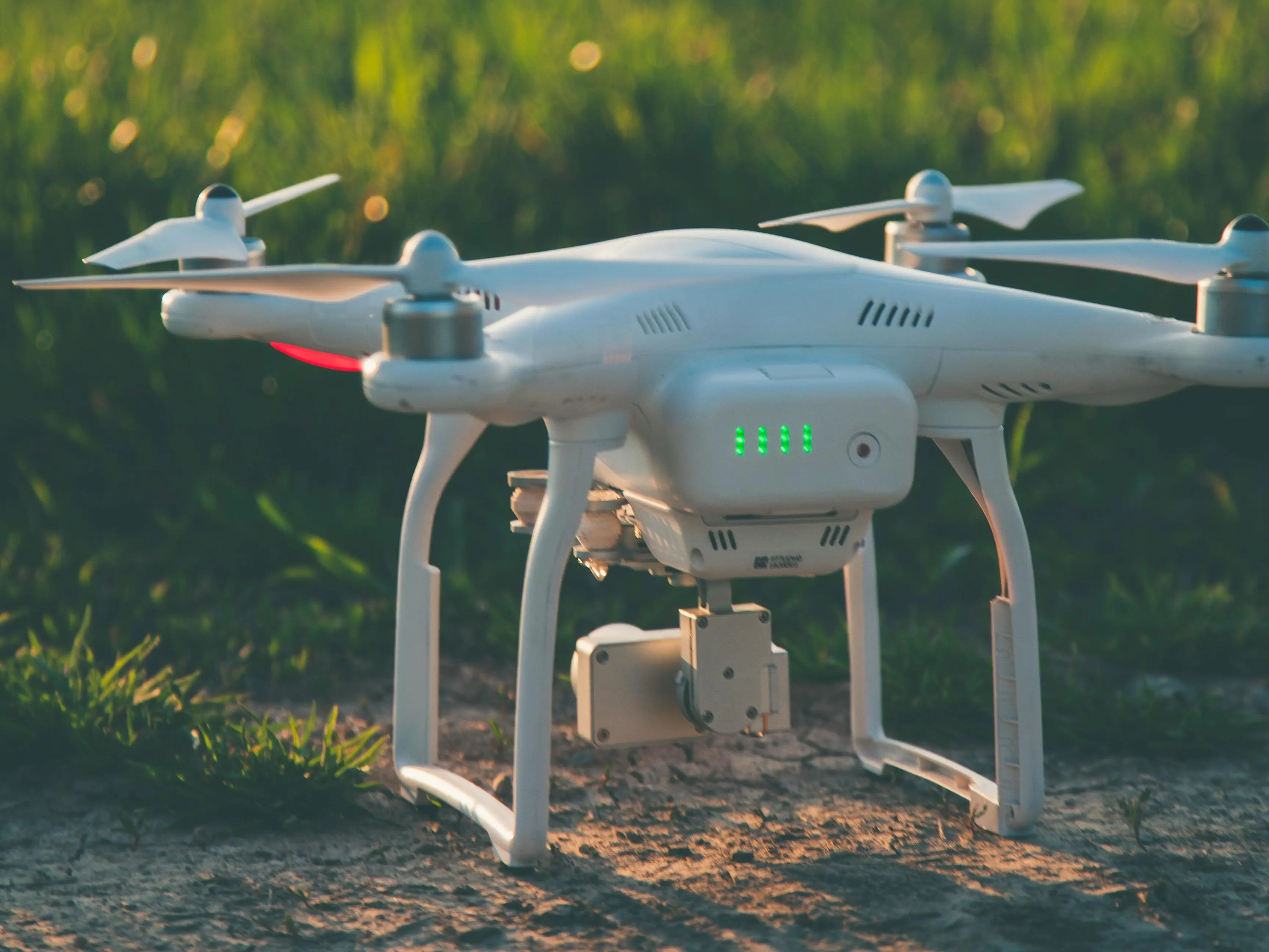
In June, dozens of biodegradable pods fell from the sky over the forests of Hawaii. Each one, delivered by drone, contained about 1,000 mosquitoes. These weren't ordinary mosquitoes — they were non-biting, laboratory-bred male mosquitoes with a pervasive bacterium that renders eggs unable to hatch when the males mate with wild females. The expectation is that they will suppress the archipelago's invasive mosquito population, which is wiping out native birdlife, including rare Hawaiian honeycreepers.
The birds, which are also important pollinators and seed dispersers and central figures in Hawaiian society, are in trouble. There used to be over 50 known honeycreeper species in Hawaii, but now there are only 17 remaining, most of which are endangered. The 'akikiki, a gray, small bird, became functionally extinct in the wild last year, and fewer than 100 of the yellow-green 'akeke'e are thought to survive.
Development and clearing have taken their toll, but avian malaria, which is transmitted by mosquitoes, is the "existential threat," according to Dr. Chris Farmer, American Bird Conservancy's Hawaii program director. The insects did not occur naturally in Hawaii, but in 1826 were first seen, probably inadvertently brought over in whaling ships. "They created waves of extinction," Farmer was quoted saying to CNN, as most Hawaiian birds, including the honeycreepers, had no immunity to the disease. Since the mosquitoes are adapted to the warmer tropical environments at the lower elevations of Hawaiian islands, the rest of the honeycreepers made their sanctuary high up in the islands' mountains, such as Maui and Kauai, he explains.
Now that's reversing. "With climate change, we're having warmer temperatures and we're observing the mosquitoes climbing up the mountains," he explained further. “(In Kauai) we're observing the bird populations there just totally decline. It's a steady progression of mosquitoes climbing up as temperatures permit them and the birds being driven further and further up until there's no longer habitat left that they can survive in. If we do not interrupt that cycle, we will lose our honeycreepers," he said.
Conservationists have been looking for a way to manage mosquito numbers and offer a lifeline to the honeycreepers. But mosquitoes on a landscape level are hard to control, according to Farmer, who describes how the application of pesticides, for example, would also harm native insect populations like damselflies and fruit flies that are crucial to ecosystems. Since mosquitoes are also such a significant health risk to humans, transmitting human malaria, dengue fever and the zika virus, among others, scientists have been researching the issue for decades and invented numerous solutions, among them the incompatible insect technique (IIT).
“We have a rough estimate for how many mosquitoes there are in the wild, and we try to release 10 times as many of these Wolbachia mosquitoes, so (that they) find these females and are able to mate with them, and then their eggs don’t hatch,” Farmer was quoted saying. “Right now, we’re releasing 500,000 mosquitoes a week on Maui and 500,000 mosquitoes a week on Kauai,” he addded, using both drones and helicopters.
Trending Stories
&imwidth=180&imheight=135&format=webp&quality=medium)
Other Mommy leads North American box Office as Verity, Resident Evil round out top four
&im=FitAndFill=(700,400)&imwidth=180&imheight=135&format=webp&quality=medium)
Navratri 2026: 9 days, 9 forms of Goddess Durga and 9 colours- Check the complete list
&im=FitAndFill=(700,400)&imwidth=180&imheight=135&format=webp&quality=medium)
Is sending robots to Mars easier than sending humans?
&imwidth=180&imheight=135&format=webp&quality=medium)
A watchdog rated 'ChatGPT for Teens' an unacceptable risk and says keep under-18s off it
&imwidth=180&imheight=135&format=webp&quality=medium)
1,500 drones illuminate Mumbai sky as Cordelia Cruises unveils second ship, Cordelia Sky
&imwidth=180&imheight=135&format=webp&quality=medium)
'Just coincidence': Police mistakes protester as AISA chief Neha Bora, arrests her from site
&imwidth=180&imheight=135&format=webp&quality=medium)
Anthropic's AI invented a murder witness and sent the fake tip to Philadelphia police
&imwidth=180&imheight=135&format=webp&quality=medium)
CJI Surya Kant declines INDIA bloc leaders’ request for meeting ahead of march to SC, asks them to file petition
&imwidth=180&imheight=135&format=webp&quality=medium)
'Turn approver, resign, we'll forgive you': Rahul Gandhi claims receiving messages from CEC Gyanesh Kumar
&imwidth=180&imheight=135&format=webp&quality=medium)
One Indian killed in Riyadh airport attack; 11 others injured : MEA
&imwidth=180&imheight=135&format=webp&quality=medium)
Top AI models flunked a test of inventing new AI research, so much for self-improving AI
&imwidth=180&imheight=135&format=webp&quality=medium)
Wasim Jaffer blames Ajit Agarkar-led selection panel for Virat Kohli’s Test retirement
&imwidth=180&imheight=135&format=webp&quality=medium)
'Ouch!!! That must hurt': Kangana Ranaut hails Kamal Haasan's sharp reply to Elon Musk over Starlink row
&imwidth=180&imheight=135&format=webp&quality=medium)
Sidhu Moose Wala’s younger brother wins hearts by recreating late singer’s signature move at Toronto Hologram Show
&imwidth=180&imheight=135&format=webp&quality=medium)
Meta's Muse AI could be a security nightmare for India's billion-plus users
&imwidth=180&imheight=135&format=webp&quality=medium)
UK school ditches technology, shifts from screen to pen and paper for learning
&imwidth=180&imheight=135&format=webp&quality=medium)
Telangana ATM heist: Thieves in nighties arrive in ambulance, break into SBI ATM in Kamareddy - VIDEO
&imwidth=180&imheight=135&format=webp&quality=medium)
IND vs WI, 3rd T20I: Abhishek Sharma smashes 18-ball fifty, sets record for fastest to 2,000 T20I runs
&imwidth=180&imheight=135&format=webp&quality=medium)
Prince Harry and Meghan Markle to spend Christmas away from royal family
&imwidth=180&imheight=135&format=webp&quality=medium)
Houthis claim Riyadh airport attacks, Aramco strikes; issue fresh warning to airlines, travellers and workers
&imwidth=180&imheight=135&format=webp&quality=medium)
Portugal Federation confirms Cristiano Ronaldo’s return to national team despite suspension
&imwidth=180&imheight=135&format=webp&quality=medium)
Delhi protests: 'Court should not be dragged into political activity', says CJI Surya Kant
&im=FitAndFill=(700,400)&imwidth=180&imheight=135&format=webp&quality=medium)
New OTT releases this week (October 12-18, 2026): Sacrifice, Koffee with Karan S9, Roadies Rebirth- 6 titles coming on Netflix, JioHotstar and more
&imwidth=180&imheight=135&format=webp&quality=medium)
Microsoft's Nadella says treat every AI model as already hacked, and build an 'emergency brake'
&imwidth=180&imheight=135&format=webp&quality=medium)
Delhi protest: CJI Surya Kant declines to meet India Bloc leaders
&imwidth=180&imheight=135&format=webp&quality=medium)
Telangana man allegedly recruited into Russian military dies near Ukraine border
&imwidth=180&imheight=135&format=webp&quality=medium)
China imposes first-ever sanctions on ministers from Taiwan allies: What this means
&imwidth=180&imheight=135&format=webp&quality=medium)
McSweeney reveals how studying Virat Kohli’s YouTube clips helped Australia A conquer India
&imwidth=180&imheight=135&format=webp&quality=medium)
Maharashtra appoints FDA commissioner Tukaram Mundhe as secretary of committee for MPSC overhaul amid stir
&imwidth=180&imheight=135&format=webp&quality=medium)
Iran: US accepted some conditions, Clarity needed on others
&imwidth=180&imheight=135&format=webp&quality=medium)
Nana Patekar's cause of death confirmed; here's what his postmortem report says
&imwidth=180&imheight=135&format=webp&quality=medium)
iPhone Duo price index: Tracking Apple’s latest pricing trends
&imwidth=180&imheight=135&format=webp&quality=medium)
'Say no to Muse': Meta has no control over its own moderation AI while it forces a security nightmare on everyone
&imwidth=180&imheight=135&format=webp&quality=medium)
Delhi wakes up to heavy rain, thunderstorms; yellow alert in place; temperature drops

