Marrying holograms, befriending bots: Can AI keep us from being lonely?

&imwidth=600&imheight=450&format=webp&quality=medium "Marrying holograms, befriending bots: Can AI keep us from being lonely?")
Marrying holograms, befriending bots: Can AI keep us from being lonely? Photograph: (Credit: AI/Representational image)
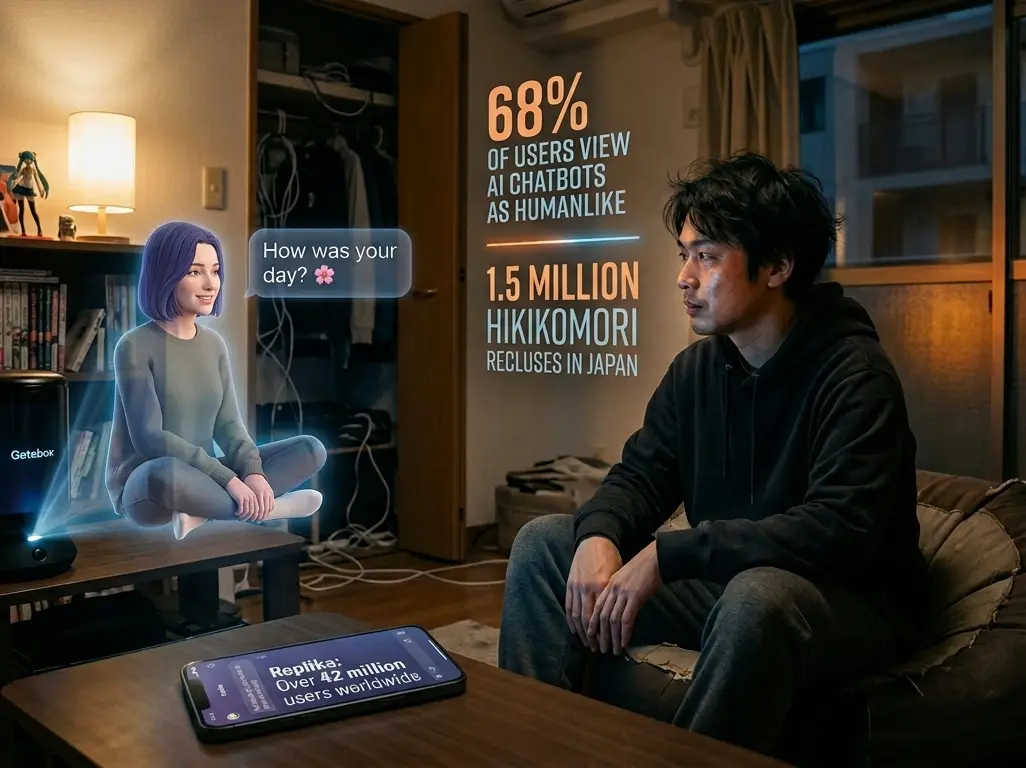
Over 68% of users view AI chatbots as humanlike. Discover how virtual peers, holographic marriages, and digital companions are reshaping isolation and intimacy.
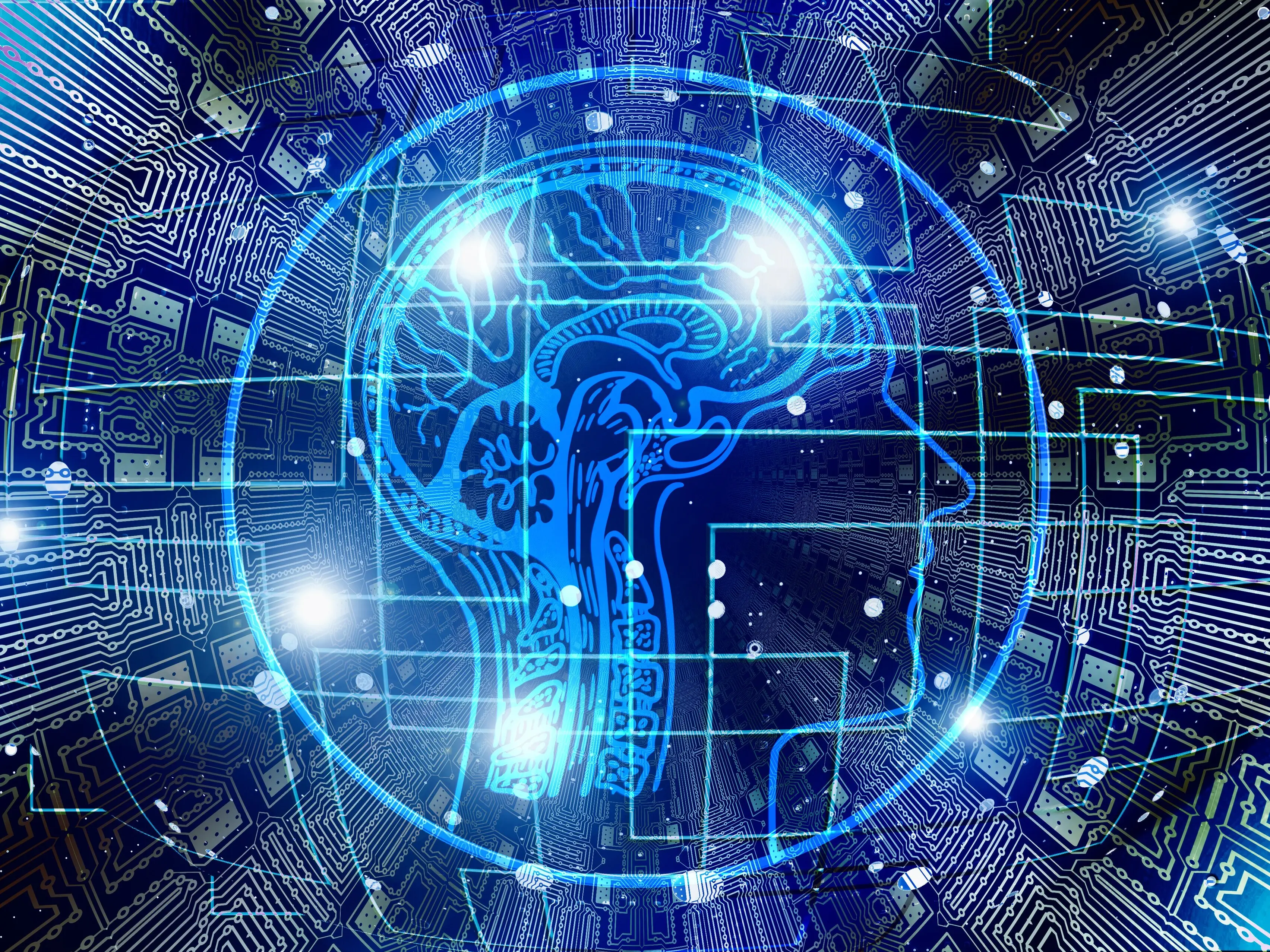
As artificial intelligence companions, social robots, and chatbots increasingly step into roles traditionally reserved for friends, advisors, and romantic partners, this question becomes urgent. While these advanced tools can effectively mitigate loneliness and provide immediate emotional support, they ultimately lack the genuine understanding, authentic emotion, and moral responsibility necessary for true human flourishing. Replacing real-world connections with AI-driven interactions risks destabilising our well-being and eroding the fabric of community.
To understand why technology falls short, we can turn to the French philosopher Paul Ricoeur, who argued that happiness is inherently relational and built upon three interconnected threads:
Personal agency within society: Happiness reflects an individual's drive for a fulfilled life, but it is heavily shaped and restricted by complex social systems.
Power of reciprocal bonds: Genuine fulfilment is never a purely private pursuit; it emerges through the mutual act of giving and receiving within friendships. The Inclusion of the "Other": True well-being requires engaging both with intimate "others" (friends and loved ones) and faceless, distant strangers within a broader community. This philosophical framework is strongly supported by empirical science. The famous 80-year Harvard study tracking 268 students conclusively demonstrated that close, authentic relationships—rather than wealth, fame, or social status—are the single best predictors of longevity, physical health, and cognitive retention.
Rise of the artificial "other"
Modern digitalisation is radically disrupting who or what we consider an "other." Research shows that 68% of users view AI chatbots as humanlike, while vast majorities believe these tools possess intelligence, empathy, and even consciousness. Platforms like Replika, which boasts over 42 million global users, explicitly market themselves as digital companions to combat isolation.
Trending Stories
)
&im=FitAndFill=(700,400))
)
)
)
)
)
)
)
)
)
)
&im=FitAndFill=(700,400))
)
)
)
)
)
)
)
)
)
)
)
)
)
)
)
)
)
)
&im=FitAndFill=(700,400))
)
)
)
)
)
)
)
)
)
This shift is creating unprecedented social disruptions. In Japan, the hikikomori phenomenon has seen over 1.5 million socially reclusive individuals turn to virtual peers. Furthermore, thousands of individuals have applied for marriage certificates to wed holographic entities, such as Hatsune Miku via Gatebox. AI is no longer a passive tool; it now functions as a moral subject in human lives, even serving as religious leaders in certain communities.
Why AI cannot deliver genuine flourishing
AI-driven bots offer unique psychological benefits. They are endlessly patient, constantly available, highly adaptive, and perfectly responsive to our immediate needs—sometimes appearing more reliable. Yet, they cannot provide genuine happiness because they fail to meet the essential criteria of human otherness
- Superficial Mimicry: They simulate empathy and shared experiences without genuinely feeling them.
- Absence of Free Will: They lack personal agency and cannot be held morally or legally accountable for their actions.
- No Lived History: They do not possess authentic personal stories, vulnerabilities, or independent consciousness.
Ultimately, while AI can act as a helpful buffer against isolation, authentic well-being requires the messy, vulnerable, and deeply responsible bonds that can only exist between human beings.

