
&imwidth=800&imheight=600&format=webp&quality=medium "Scientists reveal the hiding place of all the water on Earth 4.6 billion years ago")
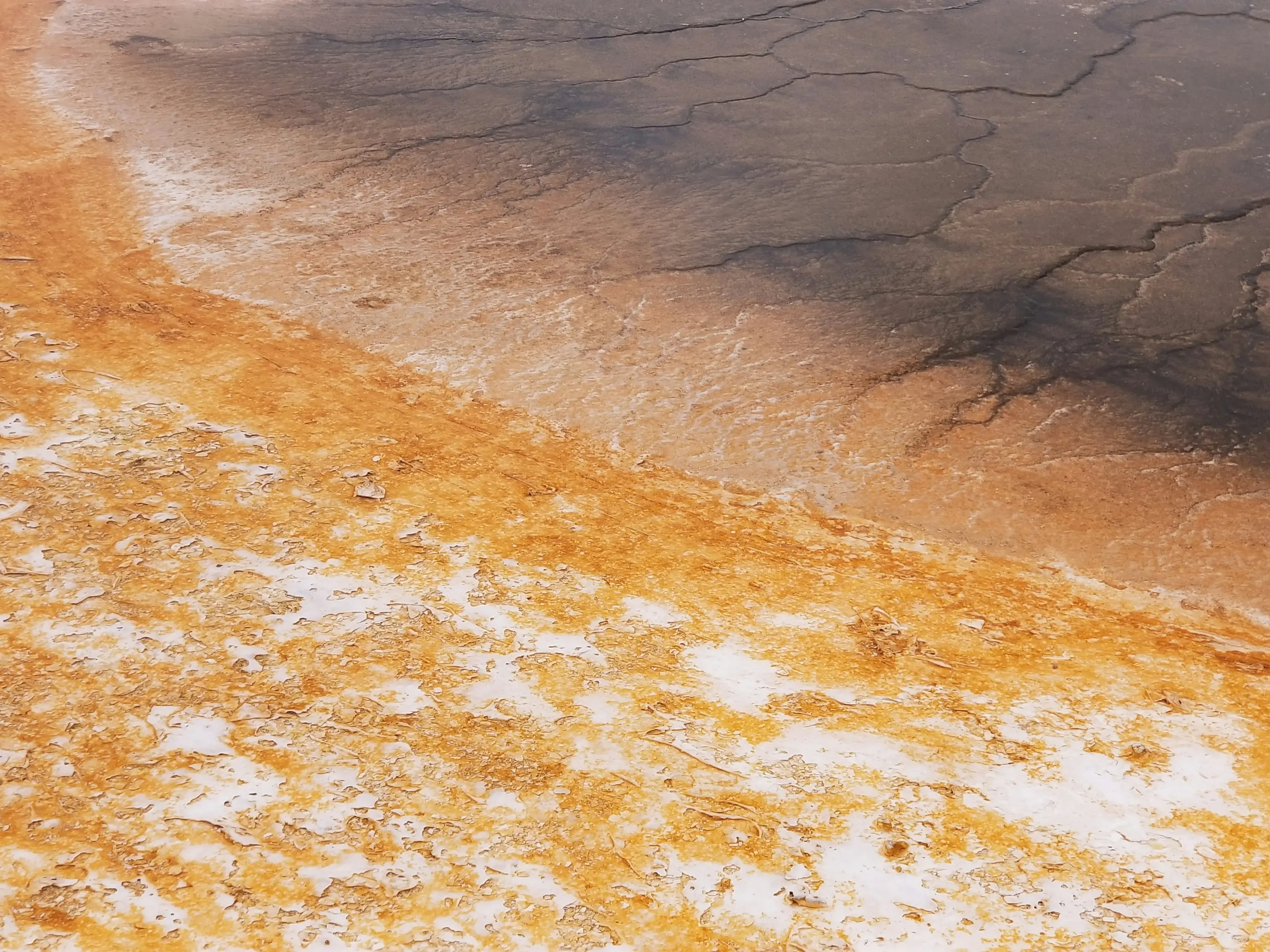
Once upon a time, Earth was a hot planet with magma flowing in one vast ocean. When our home was born 4.6 billion years ago, space was not the kindest place. The chaotic environment and the constant bombardment caused the planet’s surface and interior to remain in a near-constant molten state. So if magma was spread everywhere, where was water? According to a study, Earth was hiding it all deep within a mineral in the mantle. This was a time when the flowing magma turned the planet into a blazing furnace. Over millions of years, Earth transitioned from being a hot piece of cosmic body in a molten state to a cool and calm solid planet. The oceans were filled with water, which was hiding somewhere on the planet.
Professor Zhixue Du from the Guangzhou Institute of Geochemistry of the Chinese Academy of Sciences (GIGCAS) tried to decode this mystery of the hiding place of Earth's water. According to the researchers on his team, large quantities of water were effectively "locked away" deep inside Earth’s mantle. A mineral found abundantly in the mantle acted like a microscopic "water container" as the planet solidified. Their findings have been published in Science.

Also Read: Catastrophe in 2.8 days: Scientists say Earth at risk of disastrous chain reaction in space
Simulation revealed something new about the water-absorbing mineral
This water reservoir is what helped Earth transform from a fiery planet into the habitable world we know today. The team set out to test a previous theory, according to which bridgmanite had limited water storage capacity in low-temperature conditions. They built a diamond anvil cell experimental setup equipped with laser heating and high-temperature imaging to understand the extreme conditions at depths exceeding 660 kilometres, and detect water signals in bridgmanite samples. They gradually raised temperatures to approximately 4,100 degrees Celsius, which helped them learn how it affects the ability of minerals to pull in water.
Trending Stories
)
Trump-Xi Summit: Trade, Taiwan and the red lines shaping US-China talks | Race To Power
)
US judge questions Trump’s decision to ban CNN, MS NOW and Politico from White House
)
Afghan woman cyclist who disguised herself as a boy to escape Taliban, wins Asian Games medal
)
Trump signs Greenland security deal with Denmark, paving way for two new US military bases
)
IND vs JPN T20I: How an overturned wide became point of difference between India's win and a tie
)
IIT Bombay CCTV footage emerges: Sahil Wakode seen looking at phone in examination hall
)
Cyclone Arnab: Landfall expected before midnight tomorrow as IMD issues orange alerts across six states
)
NBA player Steven Adams shares hilarious GTA VI theory
)
TMC revives impeachment push against CEC Gyanesh Kumar after report of internal dissent
)
WION Iconic Tourism Summit 2026: Union Minister Shekhawat on 'experiential travel', peace diplomacy
)
ICC plans T20I expansion and fewer ODIs in 2027–2031 FTP cycle: Report
)
'AI got into my speech': Prince Harry jokes after teleprompter failure at event in New York
)
WION Iconic Tourism Summit: Seychelles envoy says India partnership is important for Seychelles
)
Scientists detect first radio signals directly from faraway planet
)
China to test supersonic jet that moves at Mach 2, double the speed of sound
)
WION Iconic Tourism Summit: 'Hanuman Ansh' Director on blockbuster success
)
Open AI, Anthropic CEO urges caution over rapid AI development at UN Security Council, call for 'extreme care'
)
Bomb scare in New York amid UNGA: Suspicious suitcase found near UN headquarters
)
Hours before Xi-Trump meeting, US announces visa curbs targeting birth tourism: What is it?
)
WION Iconic Tourism Summit: Is India's travel boom outrunning its airports, airlines and hotels?
)
WION Iconic Tourism Summit and Awards 2026: Key voices to discuss India’s tourism future
)
Trump-Xi state dinner 2026: Who is invited? Full guest list of tech CEOs, business leaders and officials
)
American manufacturing is reshoring faster than its factory floors can absorb
&im=FitAndFill=(700,400))
New OTT releases this week (September 21-27, 2026): Shaque: Trust No One, Hunkkaar, Don’t Be Shy- 5 new titles coming to Netflix, Prime Video and more
)
WATCH | China President Xi Jinping lands in US as Trump greets him ahead of high-stakes summit
)
Australian PM Anthony Albanese calls OpenAI AI incident 'unacceptable' after restricted data access
)
'What kind of confession is this?': Pakistan PM Shehbaz Sharif’s 'terrorists would be roaming New York' remark goes viral, raises alarm online. Watch
)
WION Iconic Tourism Summit: How local tourism MSMEs must upskill for AI integration
)
Elephants hide behind trees, stage surprise attack on poachers targeting rhinos in South Africa
)
'Putin is patient zero': Zelensky slams Russian president at UNGA, accuses him of using fighters from 47 countries
&im=FitAndFill=(700,400))
National Film Awards 2026: Kartik Aaryan, Mammootty, Yami Gautam, Randeep Hooda and other key winners
)
El Niño 2026 heats up to become strongest in 1,000 years
)
Israeli envoy to US Yechiel Leiter’s son critically injured in West Bank ramming attack
&im=FitAndFill=(700,400))
Trump welcomes Xi Jinping in rare airport gesture: Photos from Chinese President's arrival in US
)
Anne Hathaway to run in supporting race for Nolan's epic
)
Xi-Trump meeting: China’s human rights red line and past protests explained
This simulation revealed that bridgmanite’s “water-locking” capacity increased with rising temperature. This means that during Earth’s hottest “magma ocean” phase, it had changed to retain a lot more water. After the magma ocean solidified, the lower mantle became the largest water reservoir in the solid mantle. Gradually, this water reached the surface through magmatic activity.

