Love your naps? Scientists reveal secret connection between sleep and creativity


Naps makes a person more creative
Love your naps? You'll now love them even more. A new study by MIT researchers, published in Scientific Reports has revealed that people are more creative after waking from the earliest stage of sleep. It was found that in the phase between when you're stuck between being asleep and being awake, your creative mind is quite fertile.
The researchers also found that when people are prompted to dream about a particular phase or topic during that sleep phase, they are more to perform creatively when asked to do three creative tasks around that topic.
Now you must be wondering how naps enable creativity. Here's your answer:

Kathleen Esfahany, the study's lead author and an MIT senior said when an individual is promoted to dream about a particular topic during sleep, he/shecan have dream experiences thatcan be used laterin creative tasks.
The study revealed that people who recieved the prompts or "targeted dream incubation," were able to create more creative stories than people who napped without a specific prompt or those who didn't sleep at all.
According to the findings, this dream stage enables the brain to make connections between disparate concepts which boosts creativity.
&imwidth=180&imheight=135&format=webp&quality=medium)
'Baseless and misconceived': India issues statement after Elon Musk's 'oligarchs' claim over Starlink delay
&imwidth=180&imheight=135&format=webp&quality=medium)
‘You earned that love’: Messi’s wife shares heartfelt message as football icon bids farewell to international stage
&imwidth=180&imheight=135&format=webp&quality=medium)
‘Team first and team ahead’: India coach Gambhir pens heartfelt wish for chief selector Ajit Agarkar
&imwidth=180&imheight=135&format=webp&quality=medium)
BJP chief Nitin Nabin calls Rahul Gandhi ‘anarchist’, says Oppn ‘spreading poison’ in society
&imwidth=180&imheight=135&format=webp&quality=medium)
Trump's naked 23-karat gold statue unveiled near European Parliament
&imwidth=180&imheight=135&format=webp&quality=medium)
Nana Patekar: Remembering a legend of the Indian cinema
&imwidth=180&imheight=135&format=webp&quality=medium)
Thai Actors Fourth Nattawat, Gemini Norawit face racism accusations from Indian fans over viral Bollywood act
&imwidth=180&imheight=135&format=webp&quality=medium)
Captain Smit Machchhar on feet again, walks 10 steps as recovery continues after Flydubai flight attack
&imwidth=180&imheight=135&format=webp&quality=medium)
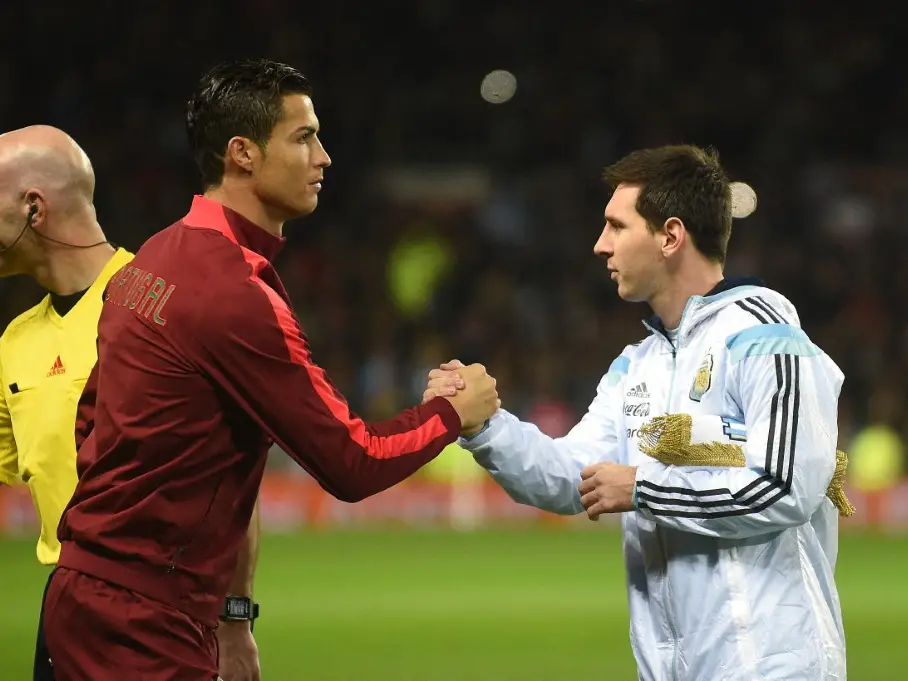
Ronaldo sends 'a hug' after Messi says he misses 'wearing the blue and white'
&imwidth=180&imheight=135&format=webp&quality=medium)
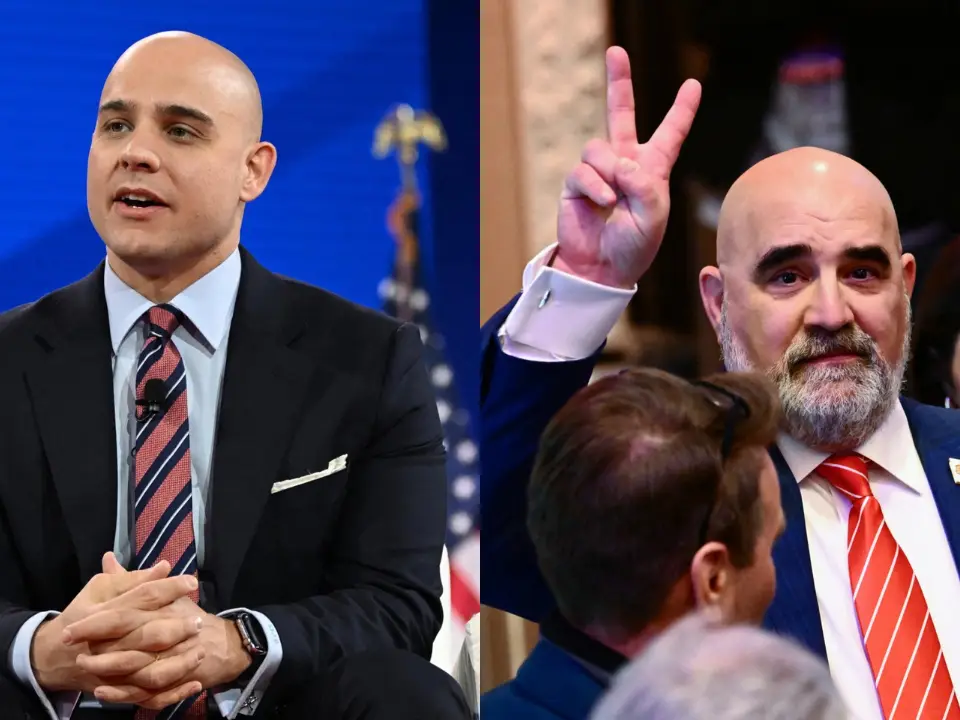
Trump distances himself from senior political advisers over work for pro-Russian government
&imwidth=180&imheight=135&format=webp&quality=medium)
A Love Other Than Yours: The temptation to cheat and what pushes people over the edge
&imwidth=180&imheight=135&format=webp&quality=medium)
Narendra Modi Stadium bomb threat declared hoax; India & Australia U19 squads safe
&imwidth=180&imheight=135&format=webp&quality=medium)
US midterms 2026: Why the Latino vote could shape control of Congress
&imwidth=180&imheight=135&format=webp&quality=medium)
BTS agency HYBE announces first-ever Weverse Con Festival in India
&imwidth=180&imheight=135&format=webp&quality=medium)
US Midterms 2026: Barack Obama hits campaign trail to boost Democratic candidates
&imwidth=180&imheight=135&format=webp&quality=medium)
Shia LaBeouf and Mia Goth head for divorce after nearly 10 years
&imwidth=180&imheight=135&format=webp&quality=medium)
Nicolas Maduro, wife likely to face new charges over alleged torture of US citizens: Report
&imwidth=180&imheight=135&format=webp&quality=medium)
Texas man executed by lethal injection; first US execution since botched Christa Pike execution
&imwidth=180&imheight=135&format=webp&quality=medium)
Christa Pike wakes after failed execution, asks 'Where am I and who are you?'
&imwidth=180&imheight=135&format=webp&quality=medium)
Christa Pike 'angry' and 'confused' after failed execution; judge orders to preserve evidence
&imwidth=180&imheight=135&format=webp&quality=medium)
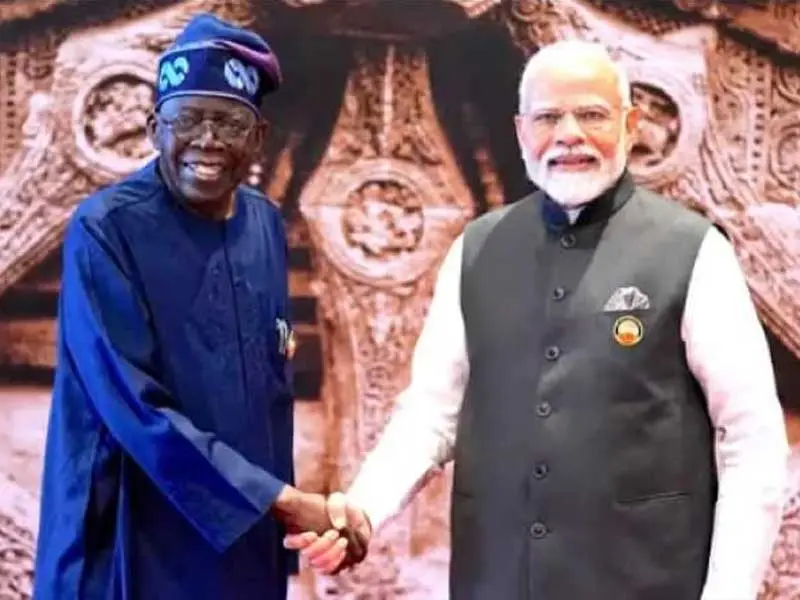
Nigerian President Bola Ahmed Tinubu hails Modi’s 25-year leadership milestone, calls for deeper Nigeria-India strategic ties
&im=FitAndFill=(700,400)&imwidth=180&imheight=135&format=webp&quality=medium)
US midterms 2026: 10 leaders and candidates to watch in the battle for Congress
&imwidth=180&imheight=135&format=webp&quality=medium)
Nana Patekar's #MeToo controversy: From Tanushree Dutta’s allegations to court ruling
&imwidth=180&imheight=135&format=webp&quality=medium)
Atlantic hurricane Isaias could make landfall as a strong Category 2 storm, tornado warnings issued
&imwidth=180&imheight=135&format=webp&quality=medium)
Veteran actor Nana Patekar dies at 75 after suffering cardiac arrest
&imwidth=180&imheight=135&format=webp&quality=medium)
Musk alleges ‘oligarchs’ blocking Starlink in India, here is what we know so far
&imwidth=180&imheight=135&format=webp&quality=medium)
Lightning strikes IndiGo Patna-Lucknow flight at 17,000 feet, damages nose; all 110 safe
&imwidth=180&imheight=135&format=webp&quality=medium)
Mall of America attack: FBI arrests man over alleged ISIS-inspired mass shooting plot with AK-47 and 200 rounds
&imwidth=180&imheight=135&format=webp&quality=medium)
France holds talks with Taliban government amid diplomatic outreach
&imwidth=180&imheight=135&format=webp&quality=medium)
IndiGo flight struck by lightning at 17,000 feet, nose of Patna-Lucknow flight damaged
&imwidth=180&imheight=135&format=webp&quality=medium)
US readying to strike Iran? Report suggests Trump preparing to put on show of strength ahead of US midterms
&im=FitAndFill=(700,400)&imwidth=180&imheight=135&format=webp&quality=medium)
World’s top vehicle producers: Top 10 countries making the most cars. Check where India stands
&imwidth=180&imheight=135&format=webp&quality=medium)
Trump to honour Elon Musk, Sergey Brin and Jensen Huang with top science honour at White House. Check the full list here
&imwidth=180&imheight=135&format=webp&quality=medium)
'We don't think so': Trump says Russian plague lab worker's death not linked to bio-weapon
&imwidth=180&imheight=135&format=webp&quality=medium)
Sri Lankan Tamil worker gets death sentence in Saudi Arabia over blasphemy, calls for pardon intensify
&imwidth=180&imheight=135&format=webp&quality=medium)
France protests: How a Gen Z school movement turned into a political war | The Verdict
Adam Haar Horowitz, another leader of the study said that the connection between sleep and creativity also called N1 or hypnagogia has been known for a while, however, the new study wanted to explore whether it was possible to guide the content of people's dreams and how it would affect their creative process.
The testing process:
For this, the researchers developed a device called Dormio to target dream incubation. This includes a glove that measures three physiological markers of sleep- changes in muscle tone, heart rate and skin conductance bycommunicating these responses to smartphones or computers.
A total of 49 participants were tested for the experiment. Individuals were asked to wear the glove and then take a nap. As soon as they would enter the N1 sleep rate, the app prompts them to dream about something specific. Right before they would jump into the next stage of sleep, the app wakesthem up, asking them about the dream and recording their response.
The results revealed that individuals who napped for 45 minutes had the best performance in terms of creativity.
The study also discovered that during sleep onset, the brain was able to bring together concepts that won't happen during waking hours.
The researchers further clarified that the Dormio device isn't particularly necessary for targeting dream incubation. They revealed that a device that can track sleep, play and record sound is suitable for this kind of enquiry.
WATCH WION LIVE HERE
You can now write for wionews.com and be a part of the community. Share your stories and opinions with us here.