

&imwidth=800&imheight=600&format=webp&quality=medium "Japanese researchers find invisible gold in massive quantities hiding beneath seafloor")
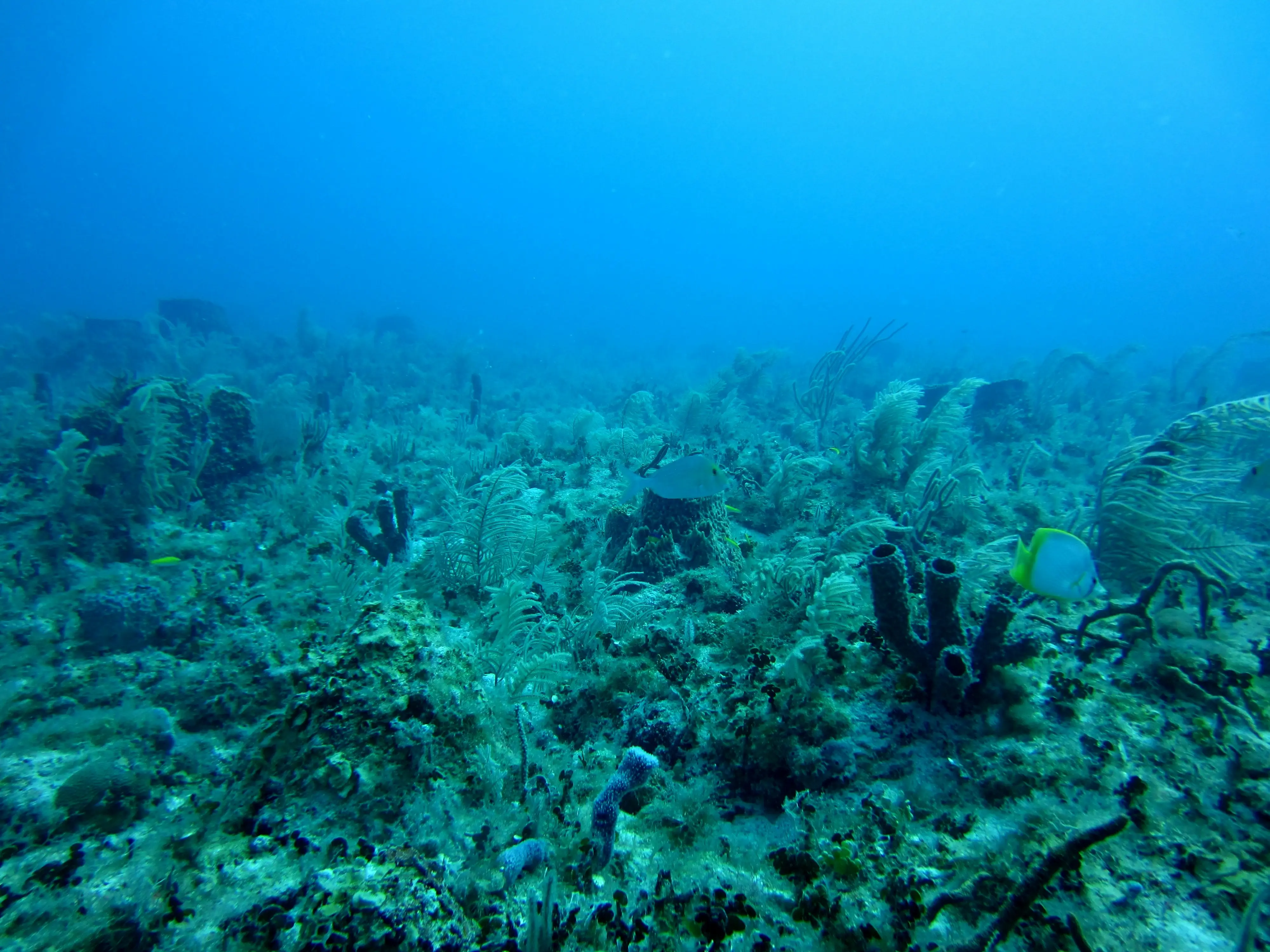
Japanese researchers discovered black smoker chimneys and hydrothermal mounds that are actively forging vast quantities of gold along the submerged volcanic crater off the southeastern coast of Japan. The hydrothermal vents are not only releasing small particles of gold but are also producing "invisible gold" that cannot be seen with the naked eye or even through a regular microscope.
Instead, the gold is wrapped up inside materials on the seafloor. Scientists reported that the concentration of this hidden gold in the underwater crater is the highest ever recorded worldwide. The discovery was published in the report after an international team of scientists warned that active seafloor mounds need to be protected from commercial mining interests.
The Higashi-Aogashima vents were discovered in 2015 within Japan's exclusive economic zone, and to this day, it remains unknown how much marine life these hydrothermal fields host. Researchers from Shizuoka University, Waseda University, and the University of Tokyo in Japan jointly analysed rock samples from hydrothermal fields located nearly 350 kilometres (217 miles) south of Tokyo.
Japan's hydrothermal vent
Using secondary-ion mass spectrometry (SIMS), a highly sensitive method capable of detecting small amounts of gold, researchers discovered secret deposits of "extremely high-grade" invisible gold. These tiny gold nanoparticles are trapped inside pyrite, a sulfide mineral formed when hot, metal-rich fluids spew from the seafloor. Because of its shiny appearance, pyrite is commonly known as "fool's gold."
Trending Stories
&imwidth=180&imheight=135&format=webp&quality=medium)
US sanctions Cuban state-owned bank BICSA over alleged financial links to Iran
&imwidth=180&imheight=135&format=webp&quality=medium)
US considering use of ‘mother of all bombs’ in its war with Iran: Report
&imwidth=180&imheight=135&format=webp&quality=medium)
Russian woman and Bihar boy's love story goes viral after she reaches India to marry him
&imwidth=180&imheight=135&format=webp&quality=medium)
Arijit Singh 9-city India stadium tour to start from January: Check venue and ticket prices
&imwidth=180&imheight=135&format=webp&quality=medium)
'Don't ever mess with nature!': Trump’s tiger attack post triggers social media backlash as victim's family issues heartbreaking tribute
&imwidth=180&imheight=135&format=webp&quality=medium)
88 days apart, twice: Mystery signal detected coming from empty region of space
&imwidth=180&imheight=135&format=webp&quality=medium)
Saudi Arabia executes two Bangladeshi nationals over ‘immoral acts’ inside Mecca mosque
&imwidth=180&imheight=135&format=webp&quality=medium)
Mumbai gears up for Marco Rubio’s visit as US Secretary of State prepares for India trip
&imwidth=180&imheight=135&format=webp&quality=medium)
Turkey Floods: Heavy rains flood homes and submerge vehicles in Istanbul
&imwidth=180&imheight=135&format=webp&quality=medium)
Leap second could go by 2027. What it means, as timekeepers gather in Versailles
&imwidth=180&imheight=135&format=webp&quality=medium)
Women who eat meat have a higher chance of living to 100: Study
&imwidth=180&imheight=135&format=webp&quality=medium)
Katie Zacharia, White House Press Secretary admits she never passed bar exam amid credentials controversy
&imwidth=180&imheight=135&format=webp&quality=medium)
Ukraine blinded: Musk deflects blame on Trump, Putin sharpens attack | Gravitas
&imwidth=180&imheight=135&format=webp&quality=medium)
Oregon school shooting: At least four killed, including three children; suspected shooter dead
&imwidth=180&imheight=135&format=webp&quality=medium)
‘False accusations’: Maduro, wife plead not guilty to new US torture charges
&imwidth=180&imheight=135&format=webp&quality=medium)
Who is Abu Dhabi royal Mahrah Al Nahyan, found unconscious on London street with toddler after cocaine use
&imwidth=180&imheight=135&format=webp&quality=medium)
Ukraine running out of patriot missiles as Russian ballistic attacks intensify: Report
&imwidth=180&imheight=135&format=webp&quality=medium)
Iranian woman, 23, handed death sentence for ‘blasphemy’ in social media post; appeals for help
&imwidth=180&imheight=135&format=webp&quality=medium)
Australian woman charged for adding snail poison to lover's curry at work
&imwidth=180&imheight=135&format=webp&quality=medium)
Central Park in Delhi shut on October 16, 17 amid CJP's protest call
&im=FitAndFill=(700,400)&imwidth=180&imheight=135&format=webp&quality=medium)
Inside the Peshawar school tragedy: 34 dead, building's condition under scrutiny and owner arrested. Here's what all happened
&imwidth=180&imheight=135&format=webp&quality=medium)
‘My president, I mean my husband’: Trump's new press secretary Katie Zacharia's first briefing goes off the rails in 14 minutes
&imwidth=180&imheight=135&format=webp&quality=medium)
IND-W vs ZIM-W, 1st T20I: When and where to watch live streaming in India?
&imwidth=180&imheight=135&format=webp&quality=medium)
NASA captures strange structure with tentacle-like formation from space
&im=FitAndFill=(700,400)&imwidth=180&imheight=135&format=webp&quality=medium)
World's 7 most innovative countries in 2026 REVEALED: Did India make the list? | In Pics
&imwidth=180&imheight=135&format=webp&quality=medium)
Trump's tariff strategy faces new test: India wants preferential access and tariff stability
&imwidth=180&imheight=135&format=webp&quality=medium)
Girl 'dead' for 8 hours wakes up at her own funeral, dad insists she wasn't breathing
&imwidth=180&imheight=135&format=webp&quality=medium)
US midterms 2026: FBI investigates suspicious mailings containing 'unknown substance' sent to election offices
&imwidth=180&imheight=135&format=webp&quality=medium)
The war premium, in rupees: How the Iran conflict could hit India’s import bill as US midterms near
&imwidth=180&imheight=135&format=webp&quality=medium)
US business activity grows in June, but tariffs and inflation cloud outlook
&imwidth=180&imheight=135&format=webp&quality=medium)
Yemen’s govt says PM, cabinet survived Houthi missile attack on presidential palace in Aden
&imwidth=180&imheight=135&format=webp&quality=medium)
Abhishek Sharma sets all-time record for most T20I sixes in a year
&imwidth=180&imheight=135&format=webp&quality=medium)
India’s naval priorities: Ex-Navy Chief calls for third aircraft carrier, more warships and submarines
&imwidth=180&imheight=135&format=webp&quality=medium)
Netanyahu defies Trump, blocks Gaza military base for Board of Peace | Gravitas
&imwidth=180&imheight=135&format=webp&quality=medium)
India to overtake Japan, become 4th-largest economy by 2027? What IMF’s latest projection reveals
&imwidth=180&imheight=135&format=webp&quality=medium)
'White supremacist' terror plot against Illinois Hindu temple foiled by jammed gun: Who is Alexandros Paporakis?
The study found that real gold exists within pyrite in two forms: as microscopic nanoparticles and as individual gold atoms embedded within the mineral's crystal structure. Both forms were identified in the Higashi-Aogashima caldera. According to the researchers, the pyrite found in the underwater crater contains the highest concentration of gold ever recorded. The site is also relatively shallow compared with other hydrothermal vent fields in Japan being considered for resource development, making it a promising location for future mining.
Although no commercial gold mine currently operates on the ocean floor, the Higashi-Aogashima caldera's accessibility and exceptionally high gold content have made it a strong candidate for future extraction. Scientists, however, are still working to develop an economical and efficient method to recover this "invisible gold" from seafloor minerals.

