Is it 79th year of freedom or 80th Independence Day of India? The confusion explained

&imwidth=600&imheight=450&format=webp&quality=medium "Is it 79th year of freedom or 80th Independence Day of India? The confusion explained")
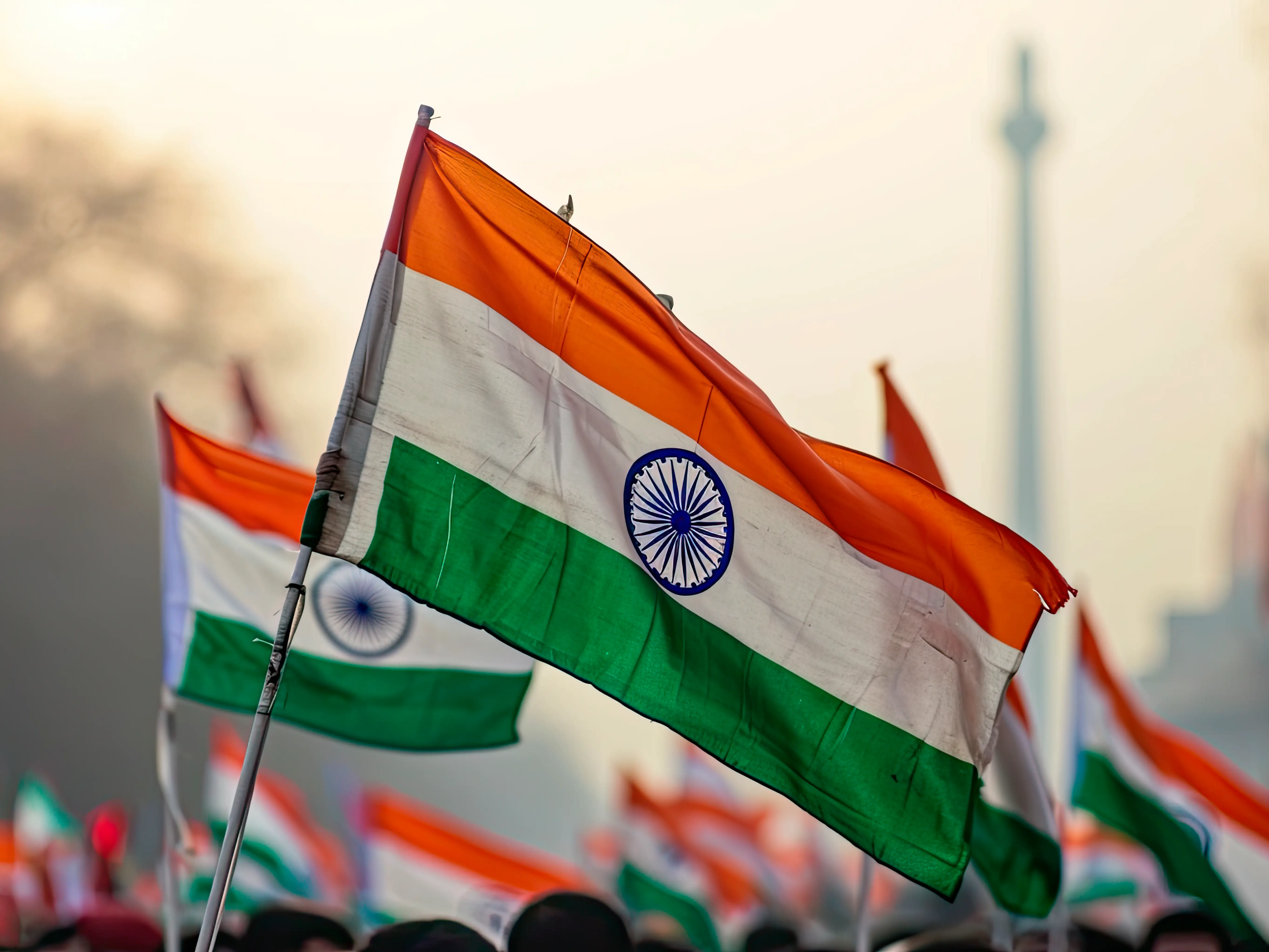
Representative image. Photograph: (Magnific)
The answer is a bit of a twist, but both are true, in a way. Since the first Independence Day was observed on August 15, 1947, India has completed 79 years of independence and celebrates its 80th Independence Day.
In 2026, as August 15 approaches, multiple people began wondering whether India is celebrating its 79th or 80th Independence Day. The answer is a bit of a twist, but both are true, in a way. Since the first Independence Day was observed on August 15, 1947, India has completed 79 years of independence and celebrates its 80th Independence Day.
Is it 79th anniversary vs 80th Independence Day?
To understand the count, one must distinguish between the number of celebration events and the number of full years completed. August 15, 1947, marked the first Independence Day, while August 15, 1948, marking one year of freedom, was celebrated as the second Independence Day. Accordingly, India completes 79 years of independence on August 15, 2026, while celebrating its 80th Independence Day.
This is because subtracting 1947 from 2026 gives 79 years of independence, but since August 15, 1947, was itself the first celebration, 2026 marks the 80th time the national flag is being unfurled for the occasion.
Theme for Independence Day 2026
Trending Stories
)
)
)
)
)
)
)
)
)
)
)
)
)
)
)
)
)
)
)
)
)
)
)
)
)
)
)
)
)
)
)
)
)
)
&im=FitAndFill=(700,400))
)
)
)
)
The core theme of the 80th Independence Day is "Yuva Shakti for Viksit Bharat@2047" alongside commemorating "150 Years of Vande Mataram". The theme signifies the important role of India's young generation in leading the nation towards becoming a developed nation by its centenary of independence in 2047.
The important sectors include technological progress, self-reliance in defence, green energy transitions and youth innovation. At the same time, commemorating Vande Mataram pays tribute to the national song which has inspired millions during the freedom struggle.
Why August 15 holds historical importance
India won freedom from nearly 200 years of British rule at the stroke of midnight between August 14 and 15, 1947. This moment came after years of struggle led by iconic freedom fighters such as Mahatma Gandhi, Jawaharlal Nehru, Sardar Vallabhbhai Patel, Netaji Subhas Chandra Bose and Bhagat Singh.
The nation's sovereignty was formally established through the Indian Independence Act of 1947. It was Jawaharlal Nehru who, after Independence, set the precedent of addressing the country and raising the national flag at the Red Fort every year.

