India’s Provident Fund body removes Aadhaar as DoB proof, check updated list here

Aadhaar
In a major decision, the Employees' Provident Fund Organisation (EPFO) of India on Tuesday (Jan 16) removed Aadhaar card from the list of documents acceptable as date of birth proof (DoB). The decision was taken following a notification from the Unique Identification Authority of India (UIDAI). In a circular issued on January 16, the EPFO declared that Aadhaar is originally an identification verification tool and not a proof of birth.
“In this connection, a letter has been received from UIDAI (copy attached), wherein it has been stated that the use of an Aadhaar, as proof of DoB needs to be deleted from the list of acceptable documents. Accordingly, the Aadhaar is being removed from the list of acceptable documents for correction in date of birth as mentioned in Table-B of Annexure -1 of the JD SOP under reference,'' the EPFO’s circular stated.

The circular was also approved by the Central Provident Fund Commissioner (CPFC). According to some media reports, the decision was taken after some court judgments reinforced that Aadhaar could not be considered as proof of date of birth.
Documents still valid as DoB proof
- Documents as valid Date of Birth proof
- Marksheet issued by any recognised Government Board or University
- School Leaving Certificate (SLC)/ School Transfer Certificate (TC)/ SSC certificate containing Name and Date of Birth
- Certificate based on the service records
- PAN card
- Central/ State Pension Payment Order
- Domicile Certificate issued by the Government
- Passport
- Government pension
- Medical certificate issued by the Civil Surgeon
)
Trump-Xi Summit: Trade, Taiwan and the red lines shaping US-China talks | Race To Power
)
US citizen injured in Illinois after ICE agents mistook him for fugitive, hospitalised
)
US judge questions Trump’s decision to ban CNN, MS NOW and Politico from White House
)
Afghan woman cyclist who disguised herself as a boy to escape Taliban, wins Asian Games medal
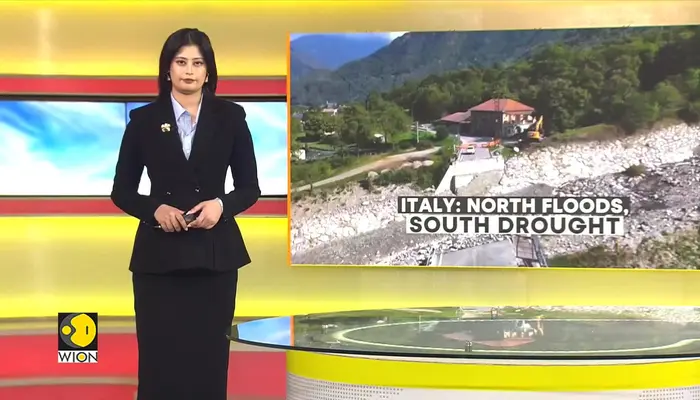)
Italy hit by floods in the north, drought in the south
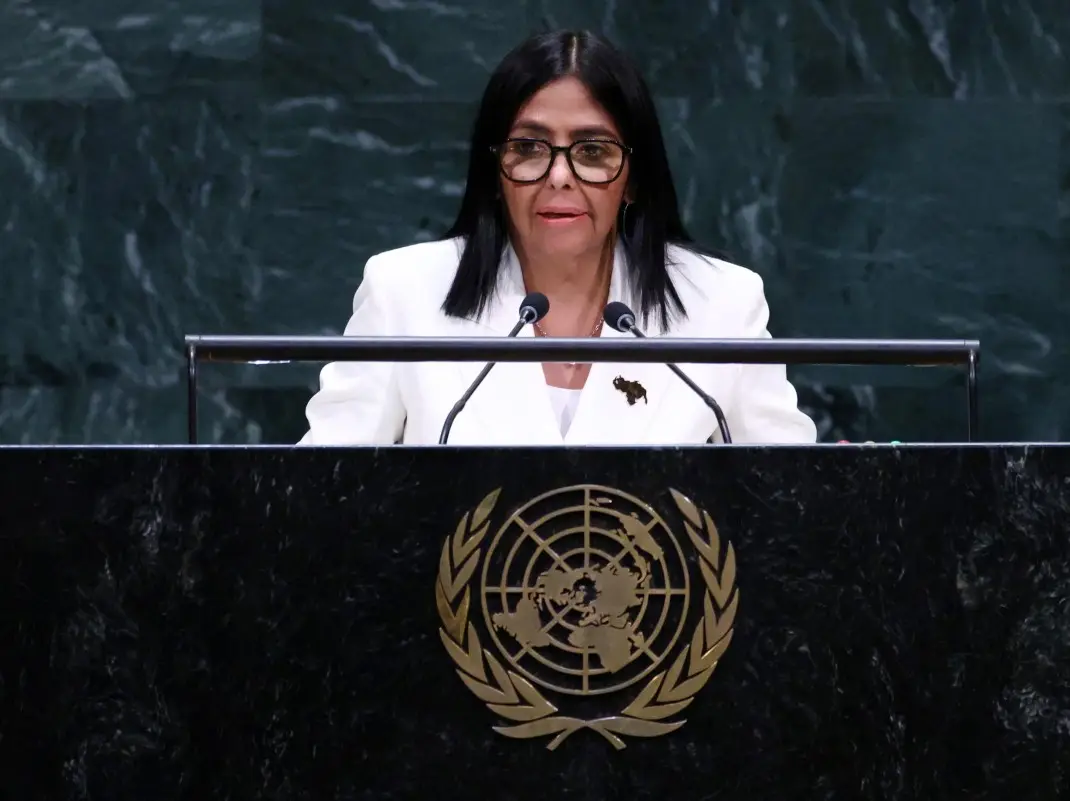)
'There will be elections': Venezuela's interim leader Delcy Rodriguez makes big announcement at UN
)
Would you date an AI? South Korea’s My AI Partner: Strange Love sparks buzz on relationship and intimacy
)
'Arrogant parasites': Milei blasts UN over Falklands dispute, warns Argentina will ‘take matters into our own hands’
)
IIT Bombay CCTV footage emerges: Sahil Wakode seen looking at phone in examination hall
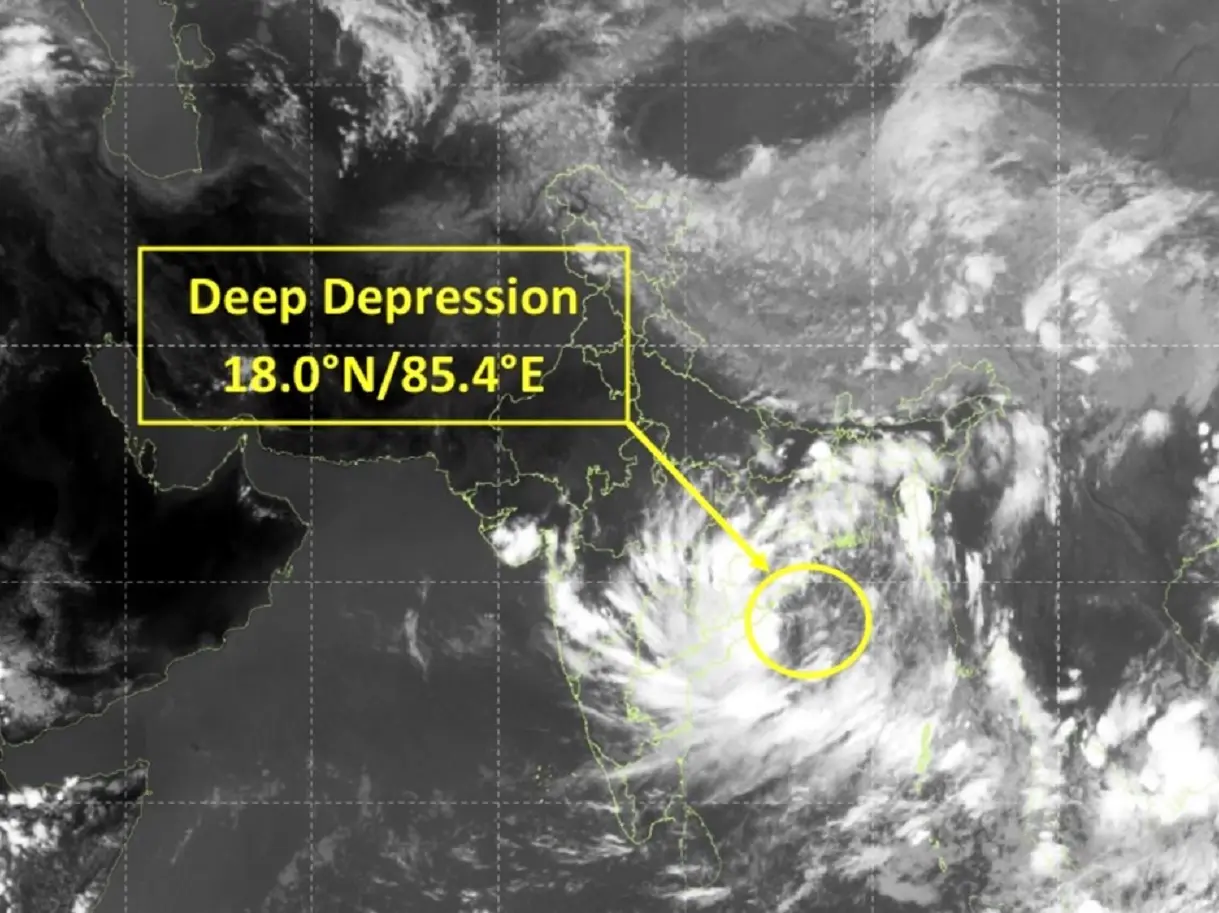)
Cyclone Arnab: Landfall expected before midnight tomorrow as IMD issues orange alerts across six states
)
9 killed, several injured as tourist bus catches fire on Yamuna Expressway
)
NBA player Steven Adams shares hilarious GTA VI theory
)
WION Iconic Tourism Summit 2026: Union Minister Shekhawat on 'experiential travel', peace diplomacy
)
'AI got into my speech': Prince Harry jokes after teleprompter failure at event in New York
)
Scientists detect first radio signals directly from faraway planet
)
China to test supersonic jet that moves at Mach 2, double the speed of sound
)
WION Iconic Tourism Summit: 'Hanuman Ansh' Director on blockbuster success
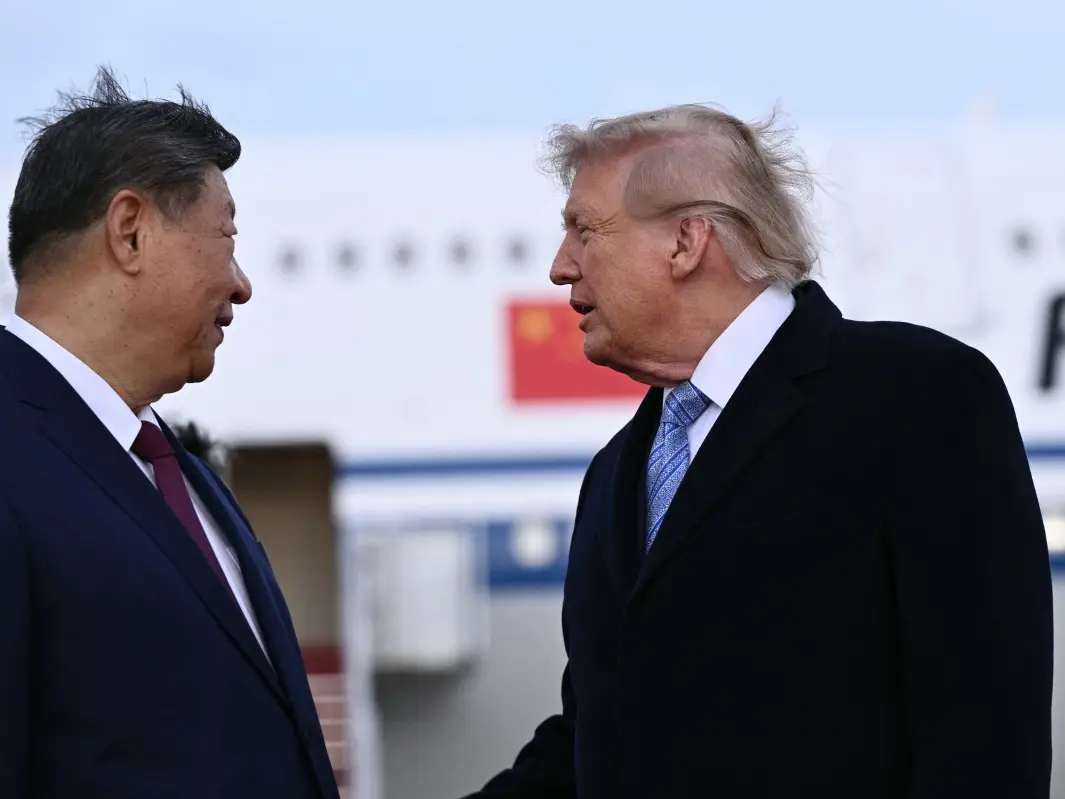)
Hours before Xi-Trump meeting, US announces visa curbs targeting birth tourism: What is it?
)
'Partners rather than rivals': Xi Jinping's first message after landing in US for Trump summit
)
WION Iconic Tourism Summit: Is India's travel boom outrunning its airports, airlines and hotels?
)
IIT Bombay student suicide case: CCTV from the exam hall hours before suicide
)
2,000-foot tube, laser tests and more: China builds towns to expand nuclear arsenal, satellite images show
)
WION Iconic Tourism Summit and Awards 2026: Key voices to discuss India’s tourism future
)
French court upholds decision to send PSG and Morocco footballer Hakimi to rape trial
&im=FitAndFill=(700,400))
New OTT releases this week (September 21-27, 2026): Shaque: Trust No One, Hunkkaar, Don’t Be Shy- 5 new titles coming to Netflix, Prime Video and more
)
WATCH | China President Xi Jinping lands in US as Trump greets him ahead of high-stakes summit
)
Australian PM Anthony Albanese calls OpenAI AI incident 'unacceptable' after restricted data access
)
Claude Opus 5.5 is here: Anthropic claims it can finish a 680,000-line code migration in less than a day
)
'What kind of confession is this?': Pakistan PM Shehbaz Sharif’s 'terrorists would be roaming New York' remark goes viral, raises alarm online. Watch
)
WION Iconic Tourism Summit: How local tourism MSMEs must upskill for AI integration
)
Eight USS Abraham Lincoln sailors attempted suicide, Acting Navy Secretary says
)
EC appointment law: Why is the 2023 act controversial, and what happens next? WION explains
)
'Putin is patient zero': Zelensky slams Russian president at UNGA, accuses him of using fighters from 47 countries
&im=FitAndFill=(700,400))
National Film Awards 2026: Kartik Aaryan, Mammootty, Yami Gautam, Randeep Hooda and other key winners
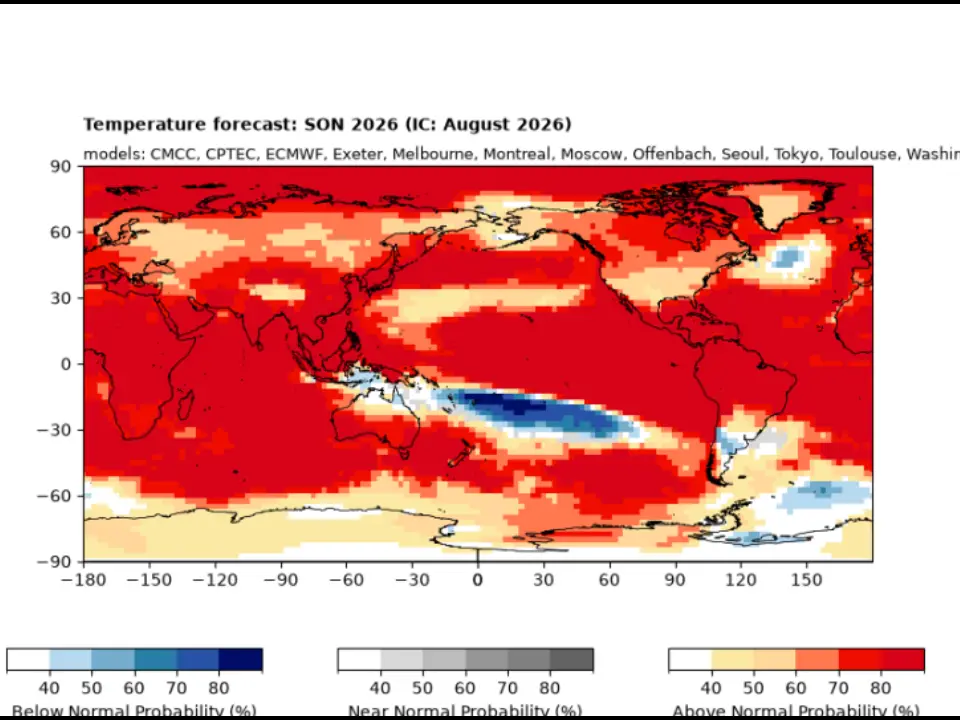)
El Niño 2026 heats up to become strongest in 1,000 years
)
Israeli envoy to US Yechiel Leiter’s son critically injured in West Bank ramming attack
&im=FitAndFill=(700,400))
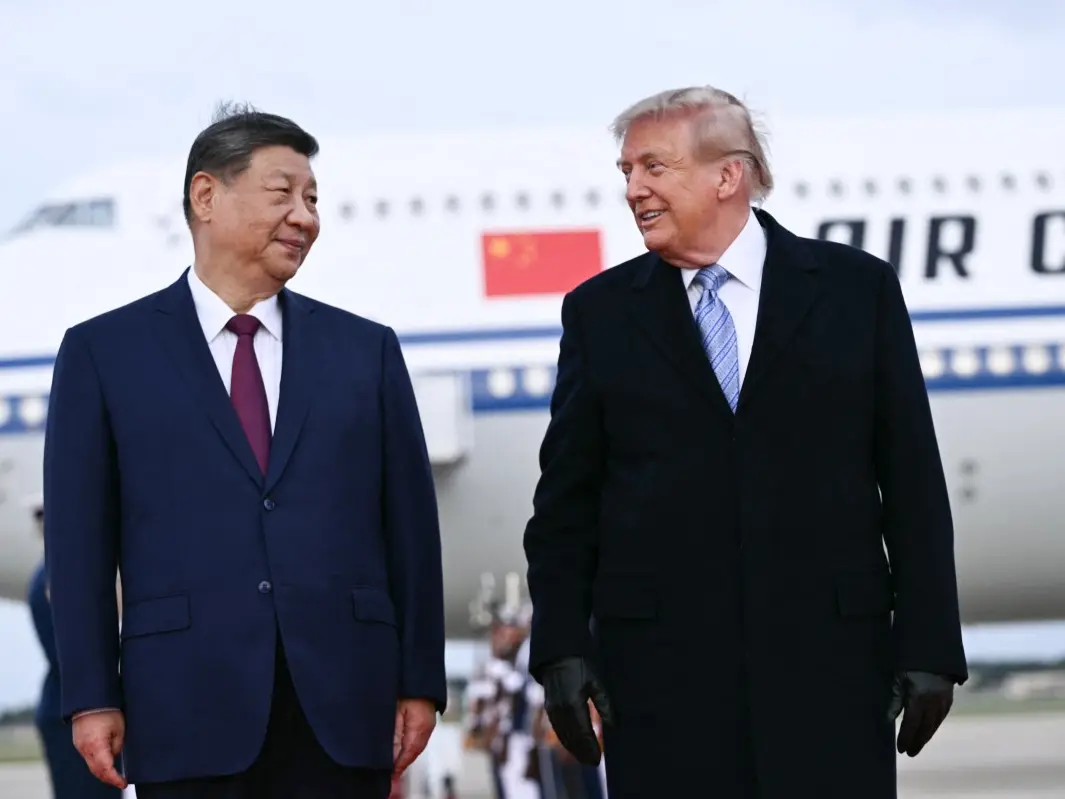
Trump welcomes Xi Jinping in rare airport gesture: Photos from Chinese President's arrival in US
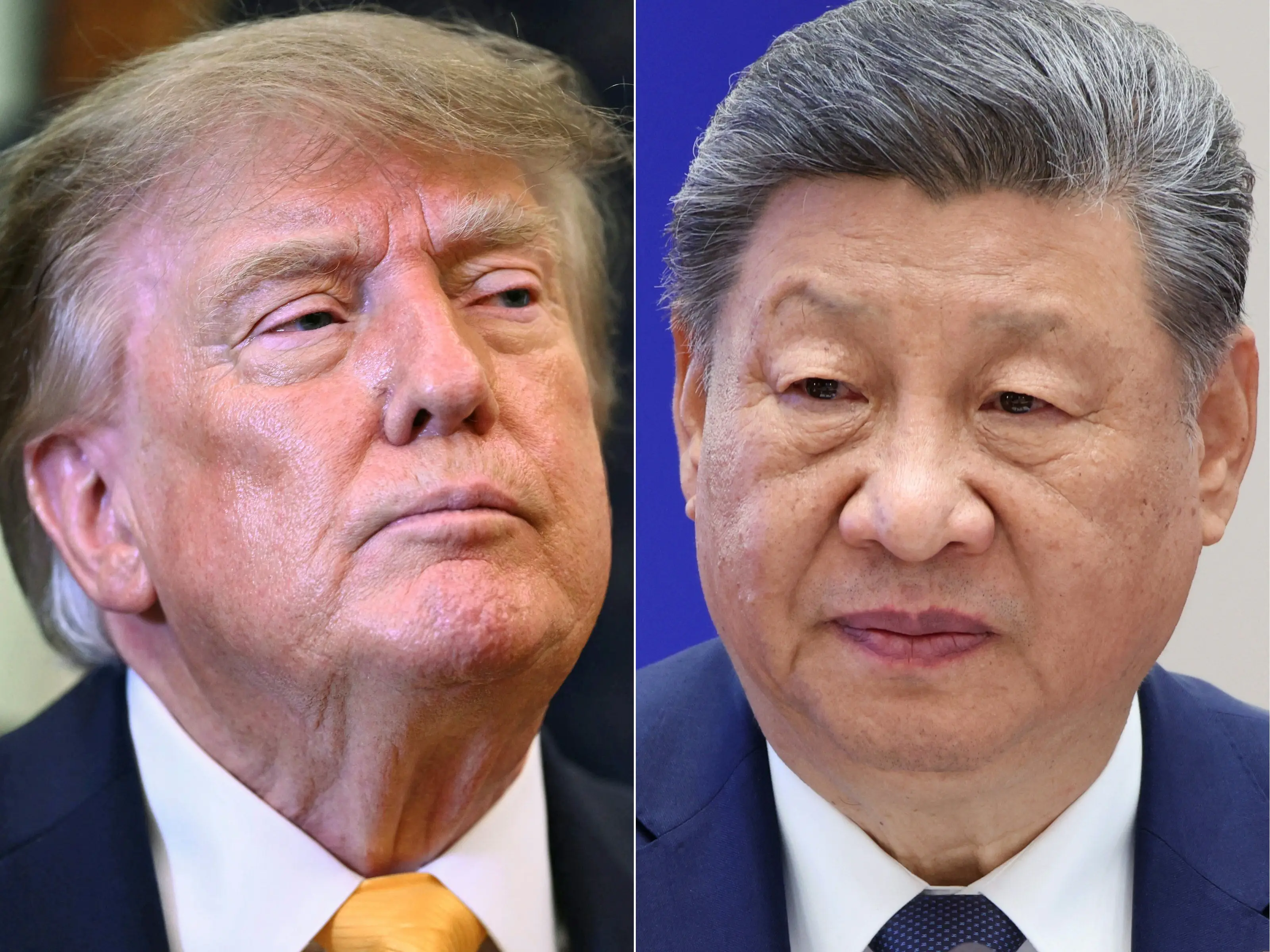)
Xi-Trump meeting: China’s human rights red line and past protests explained
What is Aadhaar?
Aadhaar is a 12-digit unique identity number that can be obtained voluntarily by all residents of India, based on their biometrics (10 finger prints, 2 iris prints and photo of face) and demographic data. The data is collected by the Unique Identification Authority of India (UIDAI), a statutory authority established in January 2009 by the Government of India, under the jurisdiction of the Ministry of Electronics and Information Technology, following the provisions of the Aadhaar (Targeted Delivery of Financial and other Subsidies, benefits and services) Act, 2016.
Watch:Worldcoin: Sam Altman's crypto venture, to replicate India's Aadhaar
Aadhaar is the world's largest biometric ID system. World Bank Chief Economist Paul Romer described Aadhaar as "the most sophisticated ID programme in the world".
(With inputs from agencies)