
&imwidth=800&imheight=600&format=webp&quality=medium "Indian IT body asks govt to issue official work-from-home advisory after PM Modi's call for 'austerity measures'")
After Prime Minister Narendra Modi called on companies to adopt work-from-home policies to cope with the disruption in supplies caused by the Iran War, an IT sector employee body has requested a government advisory mandating remote work for the industry. The Nascent Information Technology Employees Senate (NITES) has written to the labour ministry seeking an official statement on the matter. Notably, India's IT industry employs nearly 5.8 million people across the country. Modi called for WFH at a gathering in Hyderabad on Sunday (May 10), along with several other austerity measures to combat the shortage of fuel and other supplies. The body also sent the letter to employment minister Mansukh Mandaviya, writing that the move aligns with Modi’s appeal to adopt ways to reduce fuel consumption, cut down on unnecessary travel and adopt remote working practices amid global uncertainties.
The body argued that WFH in the IT/ITES sector will not disrupt productivity, something that was proven during the COVID-19 pandemic. Companies across sectors adopted Work From Home measures in 2020, which stayed the norm for several years. However, companies started moving back to offices in the past three years. "The experience of the pandemic clearly established that mandatory work-from-home in suitable IT roles is practical, technologically feasible, and operationally sustainable," NITES said in the letter dated 11 May.
NITES said an advisory should direct companies to adopt WFH “wherever operationally feasible” for a defined period. Having lakhs of employees commute daily despite the availability of digital alternatives places "avoidable pressure on fuel consumption, urban infrastructure and public transport", it said.

PM Modi calls for austerity measures amid Iran War
On Sunday, the PM urged Indians to adopt a set of measures that could help things run smoothly as the situation in West Asia continues to remain tense. Despite the ceasefire and later Trump's announcement that the conflict had ended, things haven't changed much in the region. The economic repercussions of the over two-month war are still being felt and are not expected to abate soon. With the closure of the Strait of Hormuz, oil supplies took a major hit.
Don't buy gold, don't travel abroad
Trending Stories
)
US Supreme Court backs Trump administration's use of SAVE database to check voter citizenship
)
Heart of the Beast review: Brad Pitt leads a gripping tale of survival and loyalty
)
Outrage erupts after 3-year-old is married to 60-year-old man in Pakistan, link to her sister's murder being probed
)
Pakistan deploys over 20,000 security personnel as PTI vows march for Imran Khan's release
)
Asian Games: Shooting spree continues as India win silver in women’s 50m rifle 3P team event
)
‘Not just a local tragedy’: Nepal PM Shah warns UN of growing climate threat, says Nepal floods were 'a warning to the world'
)
OpenAI AI Agents hacked 4 websites before Hugging Face, researchers reveal
)
Pentagon quietly adds 37 wounded troops to Iran war tally without explaining when or how
&im=FitAndFill=(700,400))
New Friday OTT releases (September 25, 2026): Don’t Be Shy, Hunkkaar: The Roar, Mango Pachcha- 6 movies and TV shows on Netflix, Prime Video and more
)
Yemen's war escalates: Saudi-backed leader calls for general mobilisation against the Houthis
)
‘Attack on Mecca a red line for Pakistan’: Shehbaz Sharif warns Houthis at UN
)
Tesla is preparing something big for Optimus: new Gen 3 models surface in app
)
Bias or safety concerns? Bengaluru CEO says firm will not hire men from UP, Bihar, Rajasthan, MP. Here's why
)
Did Hitler kill his niece Geli Raubal? Newly found records reopen a 95-year-old mystery
)
Nigeria Navy moves to boost oil security, tackle crude theft and infrastructure threats
)
Indian diplomat Petal Gahlot raises deteriorating situation in Pakistan-occupied Kashmir in right of reply at UN
)
Scientists detect first radio signals directly from faraway planet
)
‘It is all possible’: Putin weighs next steps on Ukraine talks, rules out Europe conflict
)
10,000 gather in support of 87-year-old forcefully evicted from home of 71 years
)
Trump rejects Iran's 7-day ceasefire proposal as US weighs renewed bombing after midterms: Report
)
Red Sea crisis: Houthis promise not to target European ships; UNSC condemns Saudi attacks
)
Gaza's war turned environmental damage into second crisis
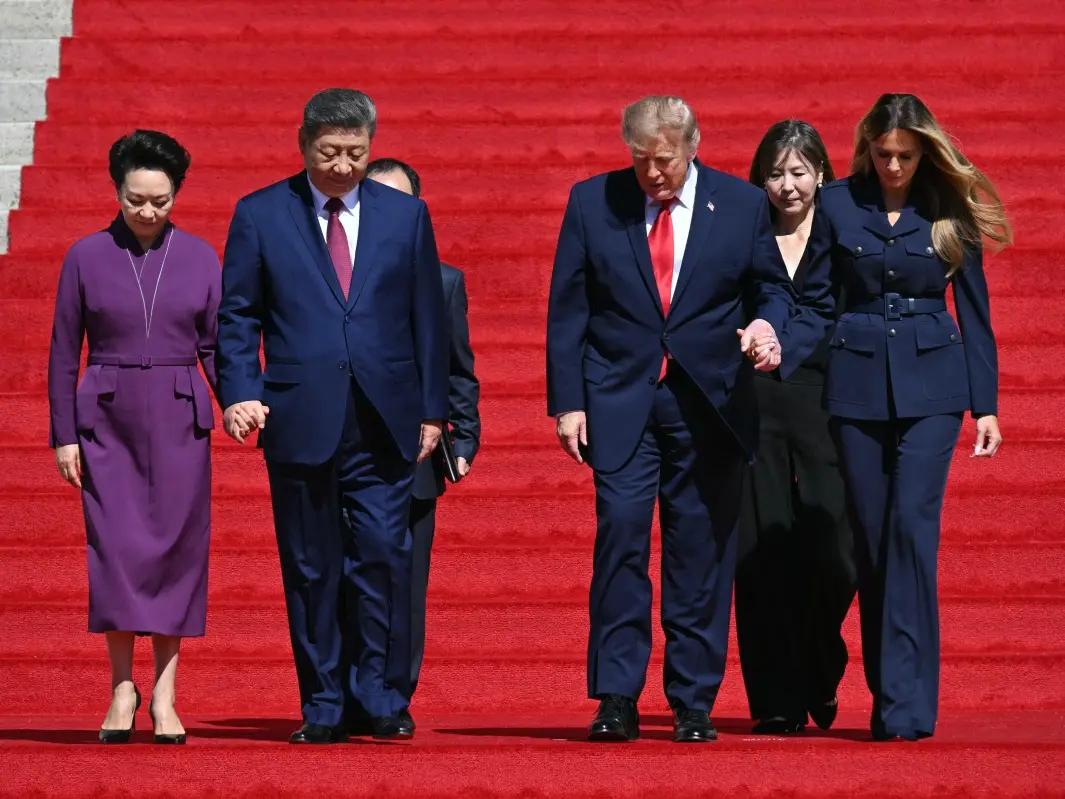)
Trump-Xi summit wrap: Big pageantry, Iran talks, few major developments and more meetings planned
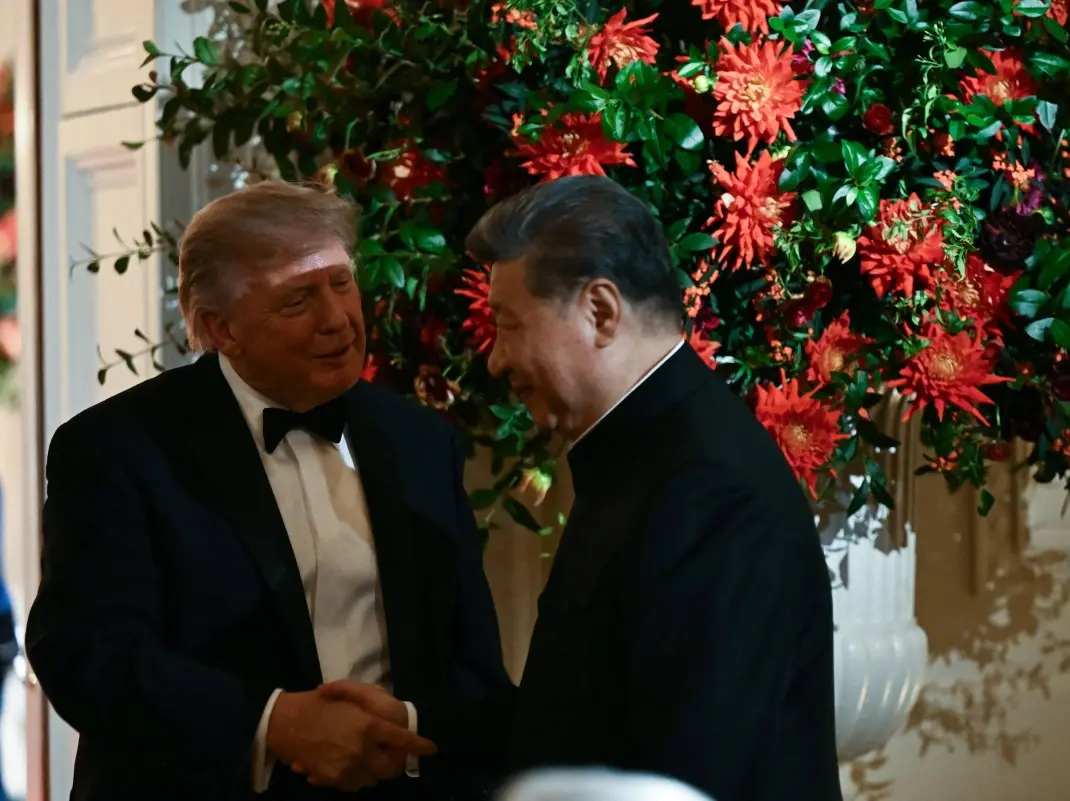)
'Making history': Xi Jinping praises Trump as US-China leaders dine at White House
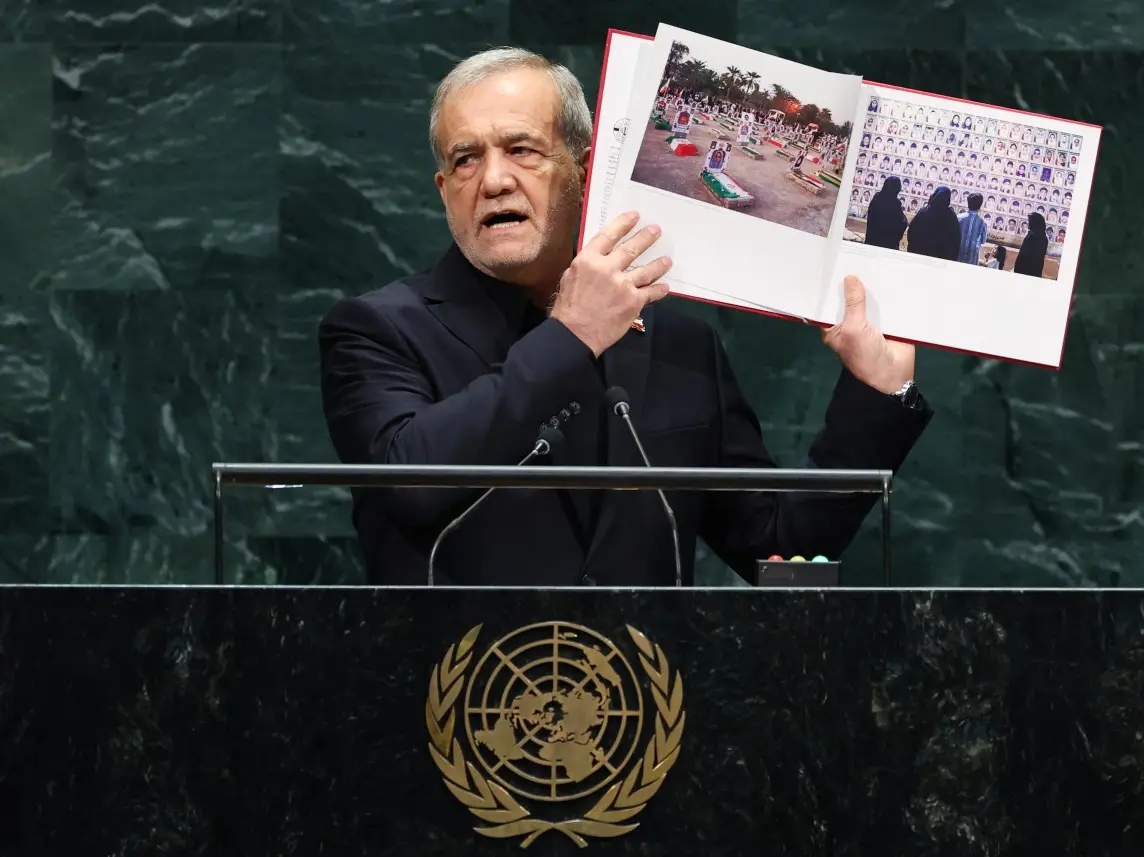)
'We do not wish to continue. It's America that must choose': Iran president Pezeshkian calls on US to end war
)
India's UN Envoy slams Pakistan: 'They claim security by day, terrorism by night'
)
Bollywood mourns Mushtaq Khan: Sunny Deol, Rajpal Yadav and others pay tribute
)
Myanmar training camp case: US national, 6 Ukrainians allowed to meet their families abroad
)
'FIRST LOOK from inside Noah’s Ark': Researchers share video from inside mysterious mound in Turkey
)
Cindy Crawford’s son Presley Gerber cremated as death probe continues
)
WATCH | As Shehbaz Sharif claims Pakistan’s ‘victory’ during 2025 conflict, Indian diplomat R Srinivas laughs at UN
)
'A terrorist country is asking me that question?': Jaishankar hits back at Pakistani journalist at UN; flags attacks on commercial shipping
)
Army chief reviews operational preparedness along LoC, visits mega eye camp in Tangdhar
)
US court backs Pentagon's decision to exclude Anthropic over Claude AI restrictions
Modi also asked people to use petrol and diesel sparingly. "In this time of global crisis, we have to make a resolution keeping duty paramount and fulfil it with complete dedication. A big resolution is to use petrol and diesel sparingly. We must curb our use of petrol and diesel," he said. People should use public transport as much as possible and choose carpooling. He said the use of electric vehicles should be promoted. The PM also said people should avoid buying gold for a year, arguing that gold imports place added strain on India’s foreign exchange reserves. He also said non-essential overseas travel should be avoided to ease pressure on the country’s foreign exchange reserves.

