From digital twins to green systems: How smart engineering is driving next generation of sustainable innovation

&imwidth=600&imheight=450&format=webp&quality=medium "From digital twins to green systems: How smart engineering is driving next generation of sustainable innovation")
Representative image. Photograph: (Magnific)
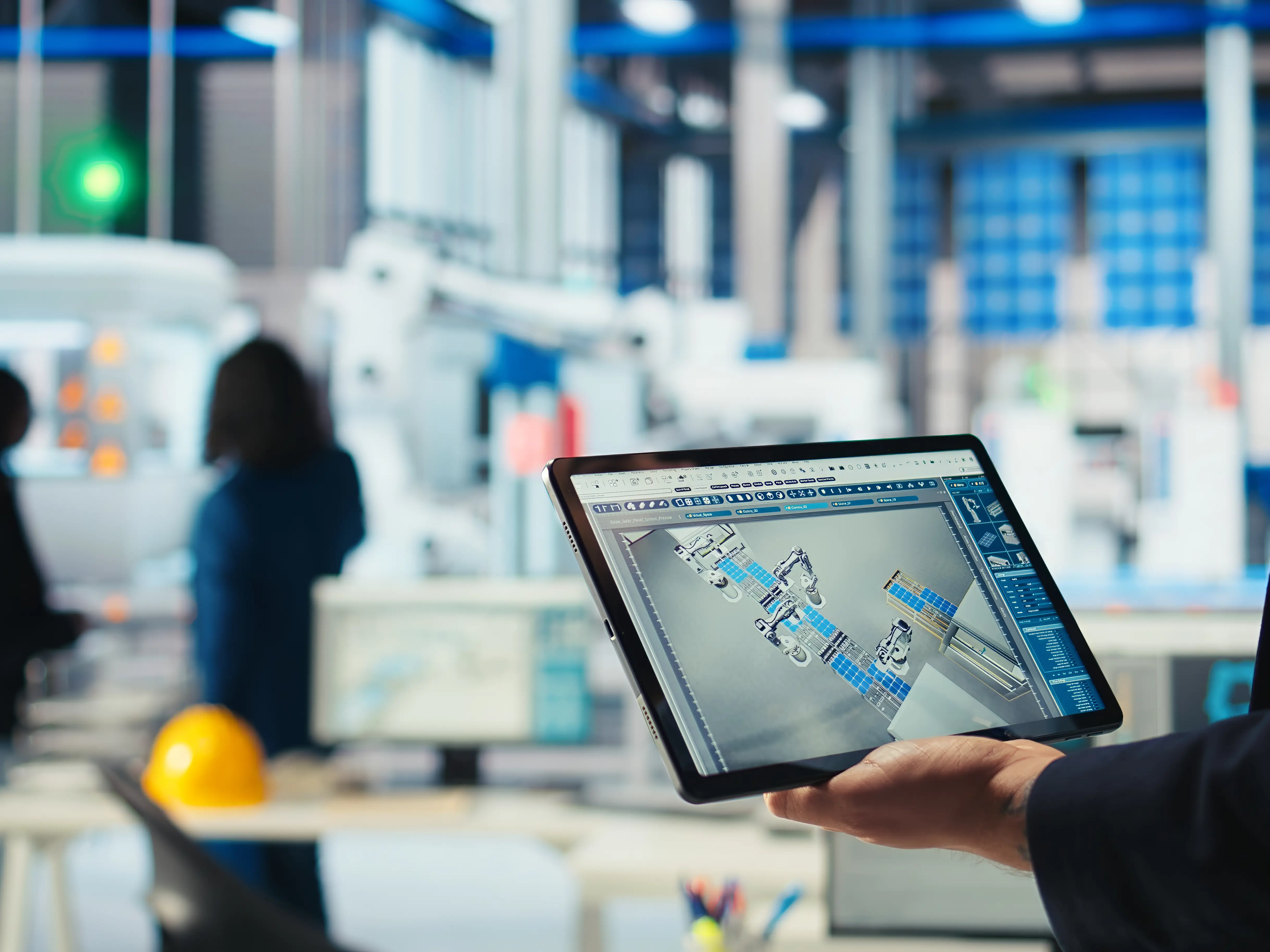
Industry leaders consider that technologies like digital twins, artificial intelligence and advanced simulation are reshaping how systems, infrastructure and products are conceived, tested and optimised, well before they are physically built.
Using artificial intelligence, digital tools, and advanced technology systems, smart engineering is driving sustainable innovation in order to reduce waste and optimise energy use. It analyses large datasets to create energy-efficient buildings and select sustainable materials while placing more focus on renewable energy sources like wind and solar, and minimising power loss.
In addition, sustainability is increasingly becoming the starting point of the design process itself. Even industry leaders also consider that technologies like digital twins, artificial intelligence and advanced simulation are reshaping how systems, infrastructure and products are conceived, tested and optimised, well before they are physically built.
They also believe that the real opportunity lies in blending engineering excellence with data-driven intelligence to design products, systems, and infrastructure that are not only high-performing but also more sustainable, resilient, and future-ready. Even digital tools are coming up with changes in terms of designed, tested, and optimised systems, while advances in AI and data analytics are enabling more informed decisions and more efficient use of resources.
Smarter decisions for smart engineering
Highlighting the future of sustainable innovation, Unnikrishnan Anilkumar, Chief Operating Officer, Expleo, India, said, "It will be engineered, simulated and optimised long before it is built, with sustainability becoming a core design principle from the outset. Technologies such as digital twins, AI, simulation, and connected engineering help organisations make smarter decisions, optimise resources, reduce waste, and accelerate innovation with greater confidence. The real opportunity lies in blending engineering excellence and data-driven intelligence to design products, systems, and infrastructure that are high-performing and also more sustainable, resilient, and future-ready. This shift is transforming how we deliver value for society and the planet."
Trending Stories
)
)
)
)
)
)
)
)
)
)
)
)
)
&im=FitAndFill=(700,400))
)
&im=FitAndFill=(700,400))
)
)
)
)
)
)
&im=FitAndFill=(700,400))
)
)
)
)
)
)
)
)
)
)
)
)
)
)
)
)
Echoing similar views, Dr Jaspal Singh Sandhu, Vice-Chancellor of LPU, said," The future of engineering will rely on our ability to create engineering systems that are more deliberate, intentional, and sustainable. Digital tools are changing how engineers design, test, and optimise systems, while advances in AI and data analytics are enabling more informed decisions and efficient use of resources. The real opportunity lies in translating these capabilities into solutions that address energy, infrastructure, and environmental challenges at scale. This requires engineers who can think beyond conventional boundaries, combining technological expertise with creativity, systems thinking, and a strong sense of responsibility. To achieve this, engineering education must enable our young professionals to move beyond innovation and prioritise the implementation of sustainable technologies that bring enduring positive social and environmental changes."
Similarly, Maninder Singh Nayyar, Founder & CEO, CEF Group, stated that digital twins are on the verge of becoming the backbone of sustainable engineering, not just a modelling novelty. By creating living, data-fed replicas of physical assets buildings, factories, power grids engineers can simulate energy flows, predict failures, and optimise performance before committing real-world resources.
"This shift from reactive to predictive design slashes waste across a system's entire lifecycle, from material selection to end-of-life decommissioning.
What makes this genuinely transformative is convergence: IoT sensors feed real-time data into twins, AI identifies inefficiencies humans would miss, and cloud computing scales these insights across entire portfolios rather than single sites. The result is "green by design" rather than "green by retrofit."

