

&imwidth=800&imheight=600&format=webp&quality=medium "EXHAUSTED in your 40s? You are the only ones who can rightfully complain, according to science")
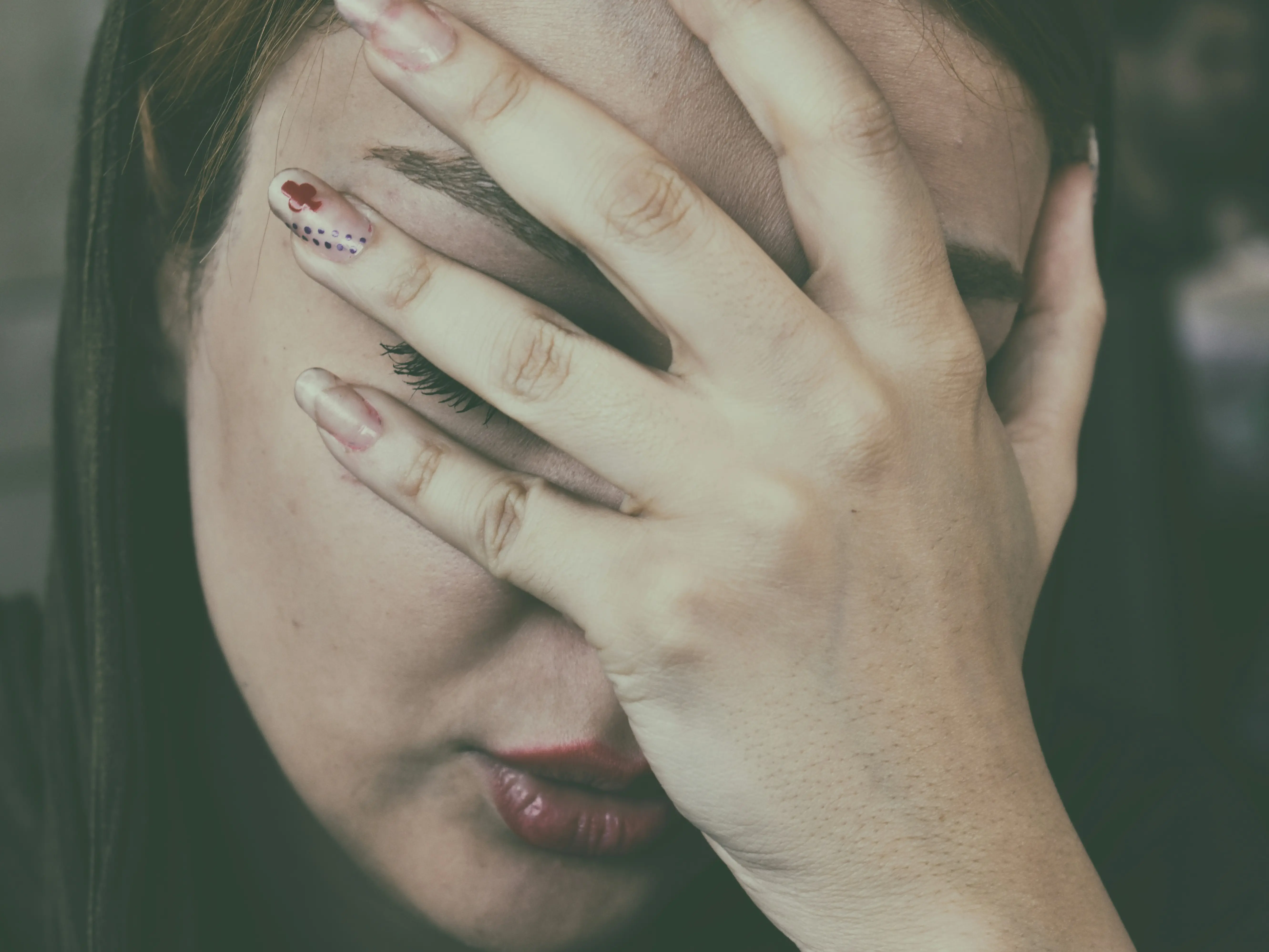
Everyone complaining that they are tired all the time, step aside. Only people currently in one particular decade of their life have the right to say, according to science. Researchers have found that the most exhausting period of our lives arrives after we turn 40. By this age, even though the body isn't as young as it was in your 20s, life's demands are still sky high. You still have kids to raise and work to do. So you have to do it all, but not be at your best. According to Professor Michelle Spear, an anatomist from the University of Bristol, it is not just about getting older, but is linked to several small biological changes happening together. She told Daily Mail that this "midlife fatigue" is a result of "mismatch between biology and demand".
She says that even though our bodies are still producing energy at this age, it does not happen in the same way as in our 20s. It occurs "under different conditions than in earlier adulthood, while the demands placed on that energy often peak." However, she states that these biological imbalances, which drain our energy, are only temporary. But they are enough to leave us feeling tired and fatigued, more than at any other times of our lives. Spear added that in our 40s, we undergo a cellular change. In our 20s, mitochondria, the parts of our cells responsible for making energy, do so in a way that less of it is wasted and inflammatory by-products are not as much. So even if you do not exercise as much or sleep late, the body is not affected as much. However, the same activities in your 40s will have a detrimental effect because of the subtle physical changes that begin to occur.
More exercise, poor sleep quality, perimenopause — Endless list of problems
So despite continuous energy production, we feel sapped because our body is using more of it. Strength training is one effective way to prevent muscle loss and mitigate the impact of this condition. Another aspect is the difference between how stress and less sleep impact us in our 40s as compared to 20s or 30s. Adding to the problem is the fact that getting a good night's sleep becomes difficult with age. So you need to sleep well to feel energetic, and yet sleep eludes you, making it a tough problem to navigate. Professor Spear says, "Hormonal changes, particularly fluctuating oestrogen and progesterone for women during perimenopause, directly affect the brain regions that regulate sleep depth and body temperature."
Our body's stress response becomes more active with age, which leads to cortisol rising at night instead of falling, making us feel less rested. Along with all this, people in their 40s face a huge amount of cognitive and emotional load because of all the responsibilities. So you are physically and mentally drained because of all the work and your body is not supporting you. Spear added, "Midlife fatigue, in particular, often reflects cumulative load rather than ageing itself."
Trending Stories
&imwidth=180&imheight=135&format=webp&quality=medium)
‘This is just the start’: Maaya Rajeshwaran on historic ITF title, confidence boost and future goals
&imwidth=180&imheight=135&format=webp&quality=medium)
'Turn approver, resign, we'll forgive you': Rahul Gandhi claims receiving messages from CEC Gyanesh Kumar
&imwidth=180&imheight=135&format=webp&quality=medium)
Anti-SIR protest in Mumbai: Protestors wear black masks & ribbons in Mumbai
&imwidth=180&imheight=135&format=webp&quality=medium)
Congress demands action against chief election commissioner
&imwidth=180&imheight=135&format=webp&quality=medium)
Trump says he 'may' meet North Korean leader Kim Jong Un during upcoming Asia trip
&imwidth=180&imheight=135&format=webp&quality=medium)
Apple HomeView smart home hub may launch soon with A18 chip, display and Siri controls: What to expect
&imwidth=180&imheight=135&format=webp&quality=medium)
Rahul Gandhi's plea against Election Commission delayed as Supreme Court registry flags 14 ‘defects’
&imwidth=180&imheight=135&format=webp&quality=medium)
'Ouch!!! That must hurt': Kangana Ranaut hails Kamal Haasan's sharp reply to Elon Musk over Starlink row
&im=FitAndFill=(700,400)&imwidth=180&imheight=135&format=webp&quality=medium)
New OTT releases this week (October 12-18, 2026): Sacrifice, Koffee with Karan S9, Roadies Rebirth- 6 titles coming on Netflix, JioHotstar and more
&imwidth=180&imheight=135&format=webp&quality=medium)
'Almost certainly': UK Prime Minister Andy Burnham says Iran's IRGC behind RAF Fairford threat
&imwidth=180&imheight=135&format=webp&quality=medium)
UK school ditches technology, shifts from screen to pen and paper for learning
&im=FitAndFill=(700,400)&imwidth=180&imheight=135&format=webp&quality=medium)
Navratri 2026: 9 days, 9 forms of Goddess Durga and 9 colours- Check the complete list
&imwidth=180&imheight=135&format=webp&quality=medium)
Robotic surgery, advanced treatment: What is coming to this small Gujarat town?
&imwidth=180&imheight=135&format=webp&quality=medium)
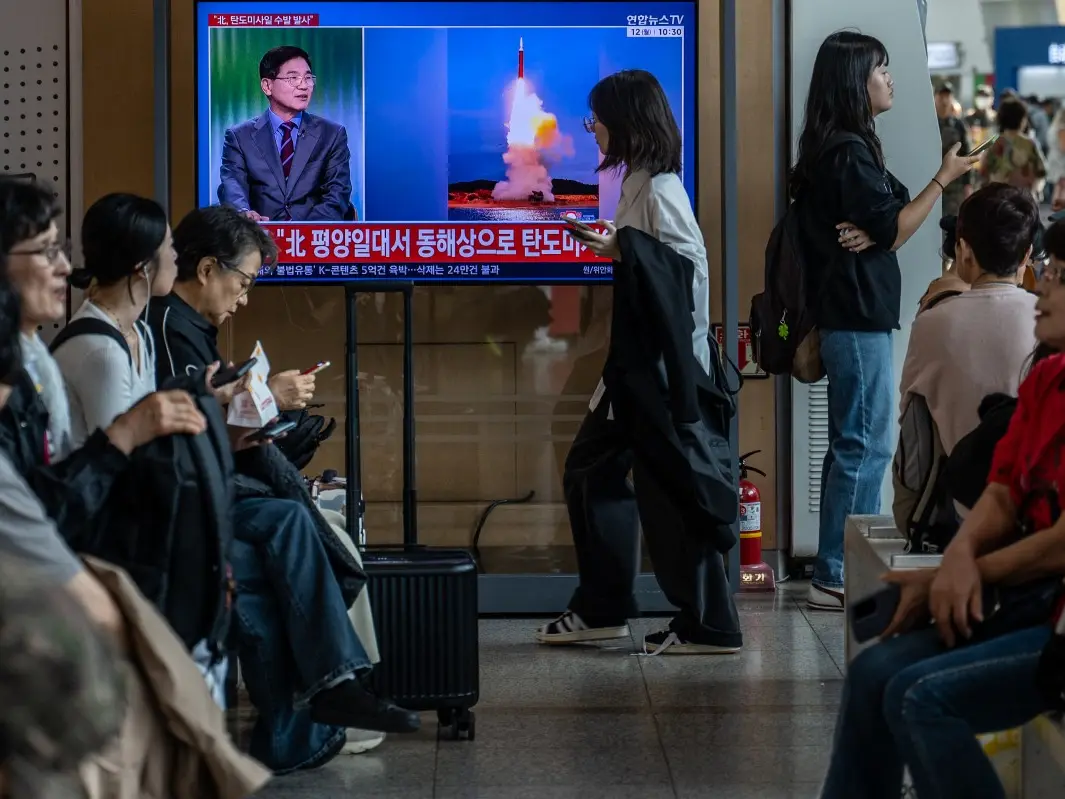
Korean peninsula tensions escalate as North Korea launches multiple ballistic missiles, PACOM says 'no threat to US personnel'
&imwidth=180&imheight=135&format=webp&quality=medium)
UK PM Andy Birnham renews claims of Russian meddling in Brexit vote
&imwidth=180&imheight=135&format=webp&quality=medium)
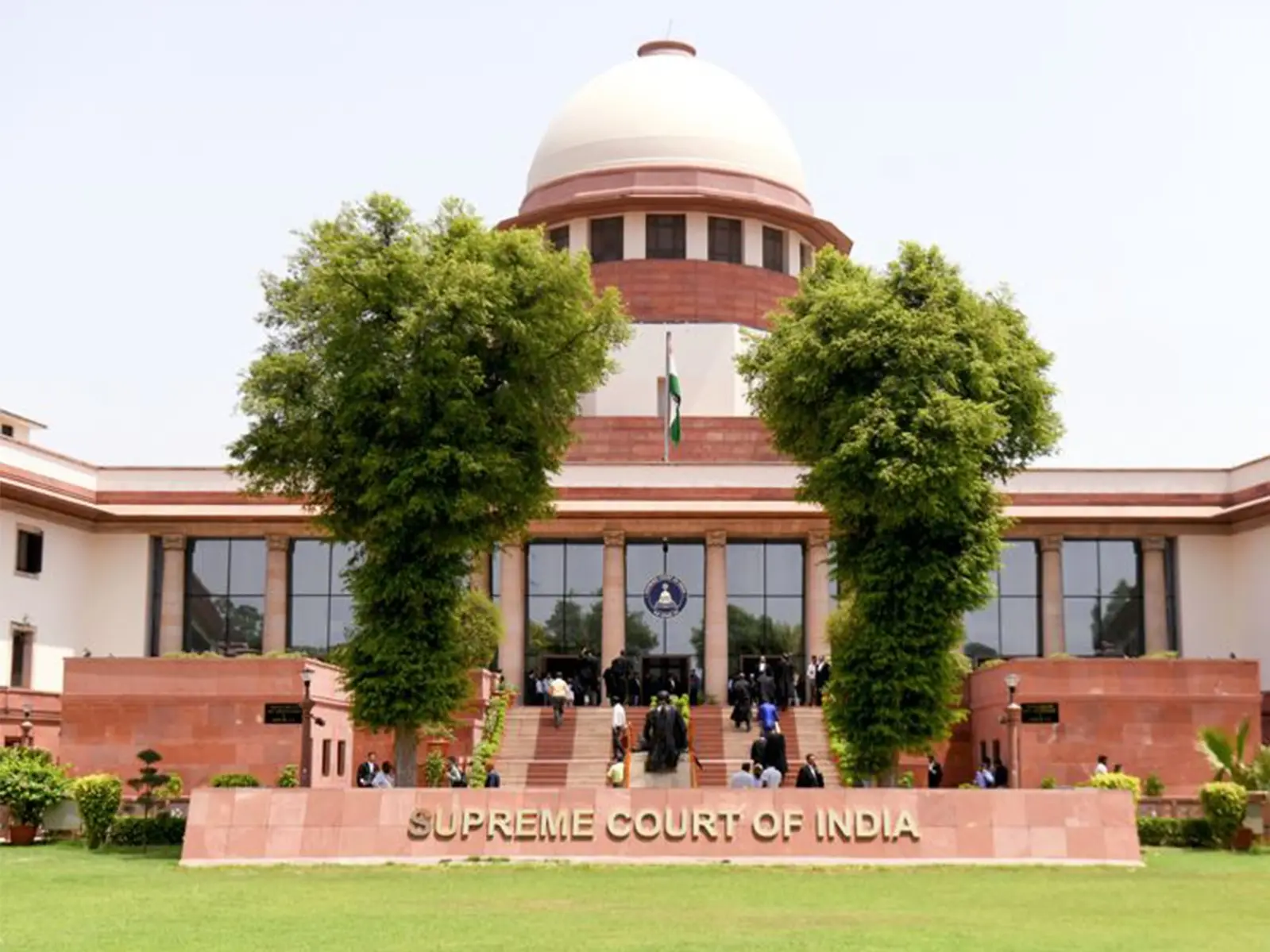
Opposition’s 10 demands in Supreme Court petition range from stay on SIR to audit of voter rolls
&imwidth=180&imheight=135&format=webp&quality=medium)
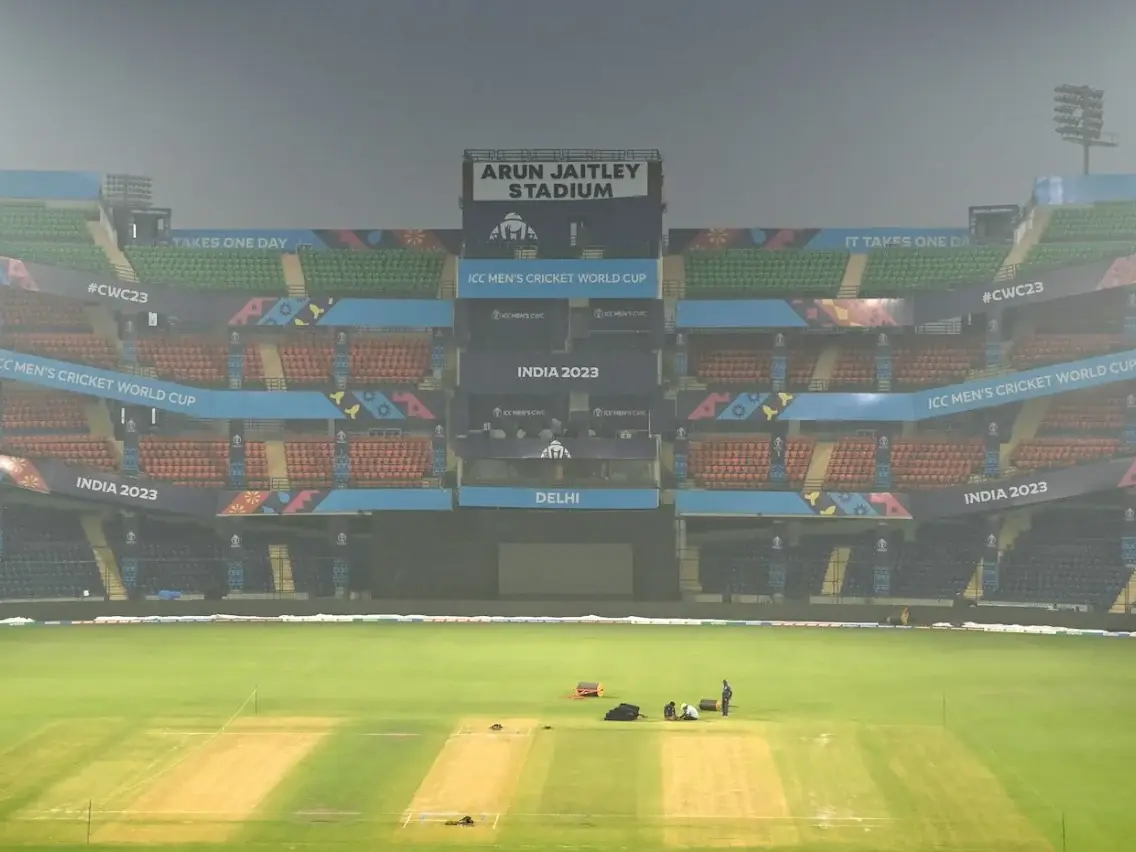
BCCI rejects venue shift reports, India vs Sri Lanka 1st ODI to remain in Delhi
&imwidth=180&imheight=135&format=webp&quality=medium)
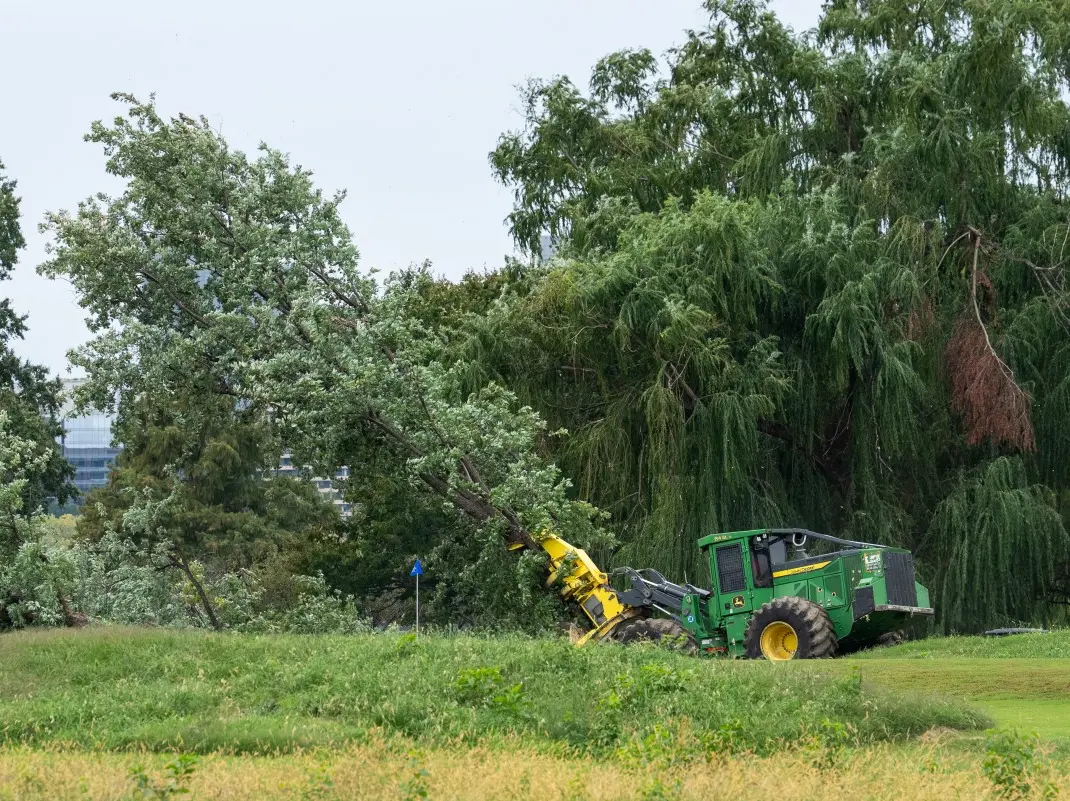
'I am thoroughly unamused': Judge slams Trump administration after 400 trees cut at Washington golf course
&imwidth=180&imheight=135&format=webp&quality=medium)
Houthis warns US of 'painful response' if Washington joins Saudi war in Yemen as airlines suspend flights to Saudi Arabia
&imwidth=180&imheight=135&format=webp&quality=medium)
Girl 'dead' for 8 hours wakes up at her own funeral, dad insists she wasn't breathing
&imwidth=180&imheight=135&format=webp&quality=medium)
'I will not be silenced': Ilhan Omar alleges political intimidation after federal officers search her Washington home
&imwidth=180&imheight=135&format=webp&quality=medium)
Sidhu Moose Wala’s younger brother wins hearts by recreating late singer’s signature move at Toronto Hologram Show
&imwidth=180&imheight=135&format=webp&quality=medium)
1,500 drones illuminate Mumbai sky as Cordelia Cruises unveils second ship, Cordelia Sky
&imwidth=180&imheight=135&format=webp&quality=medium)
India's Ajit Doval, Iran's Mohsen Rezaei hold talks amid escalating West Asia tensions, discuss 'issues of mutual interest'
&imwidth=180&imheight=135&format=webp&quality=medium)
Pakistan's government blames PTI for rise of terrorism in Khyber Pakhtunkhwa
&imwidth=180&imheight=135&format=webp&quality=medium)
Trump weighs firing Kimberly Guilfoyle as US ambassador to Greece amid misconduct allegations: Report
&im=FitAndFill=(700,400)&imwidth=180&imheight=135&format=webp&quality=medium)
How does a robot decide what to do next?
&imwidth=180&imheight=135&format=webp&quality=medium)
Delhi protest: CJI Surya Kant declines to meet India Bloc leaders
&imwidth=180&imheight=135&format=webp&quality=medium)
Elon Musk pumps $276 million into Republican campaigns ahead of US midterm elections
&imwidth=180&imheight=135&format=webp&quality=medium)
'Absolutely disgusting': Australia slams US plan to livestream Nidal Hasan's execution; Mike Johnson raises concerns, warns of terrorist propaganda
&imwidth=180&imheight=135&format=webp&quality=medium)
Portugal Federation confirms Cristiano Ronaldo’s return to national team despite suspension

