&imwidth=800&imheight=600&format=webp&quality=medium "Controversial study on underground city 2,100 feet below the Giza pyramids is retracted")
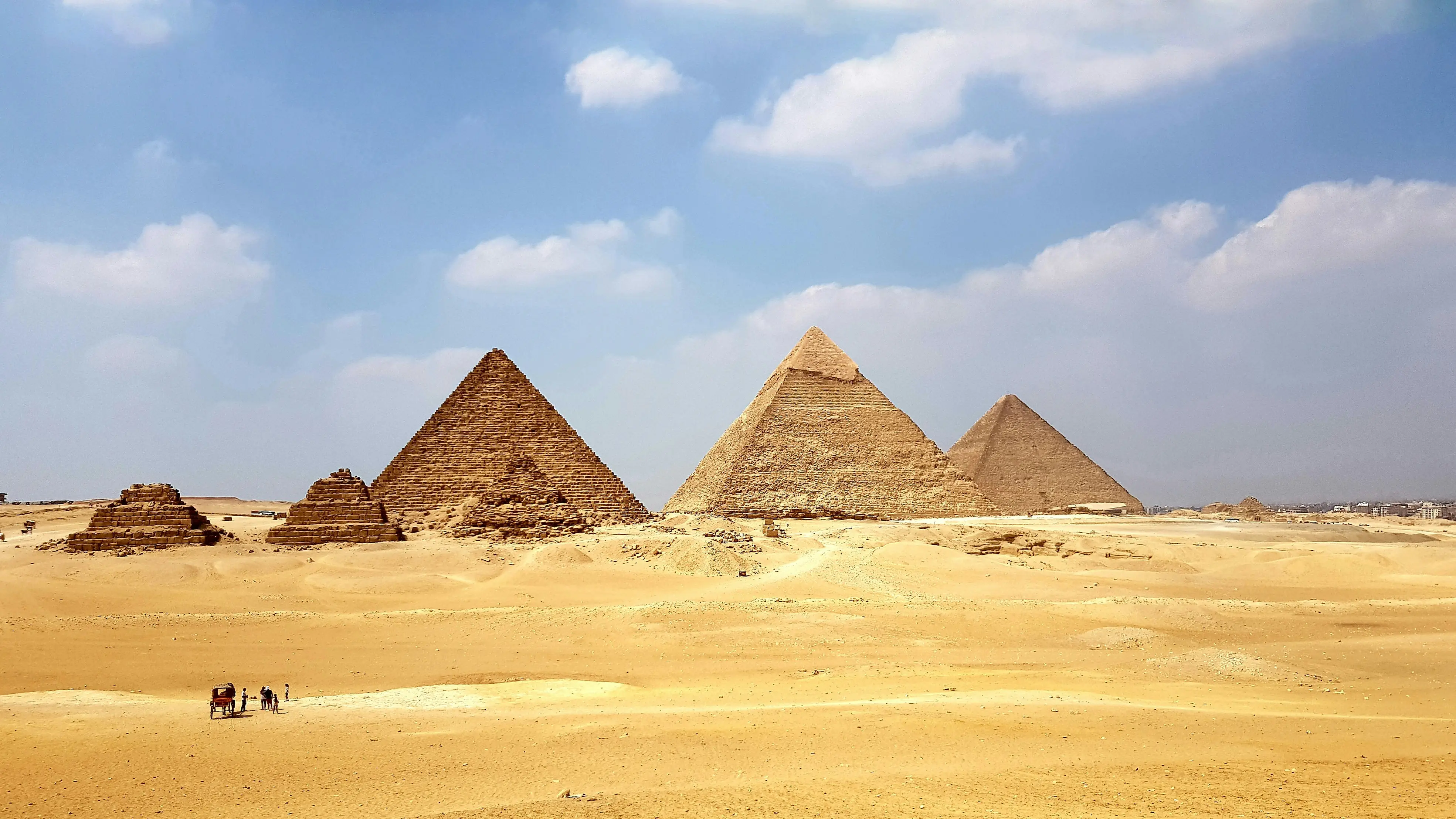
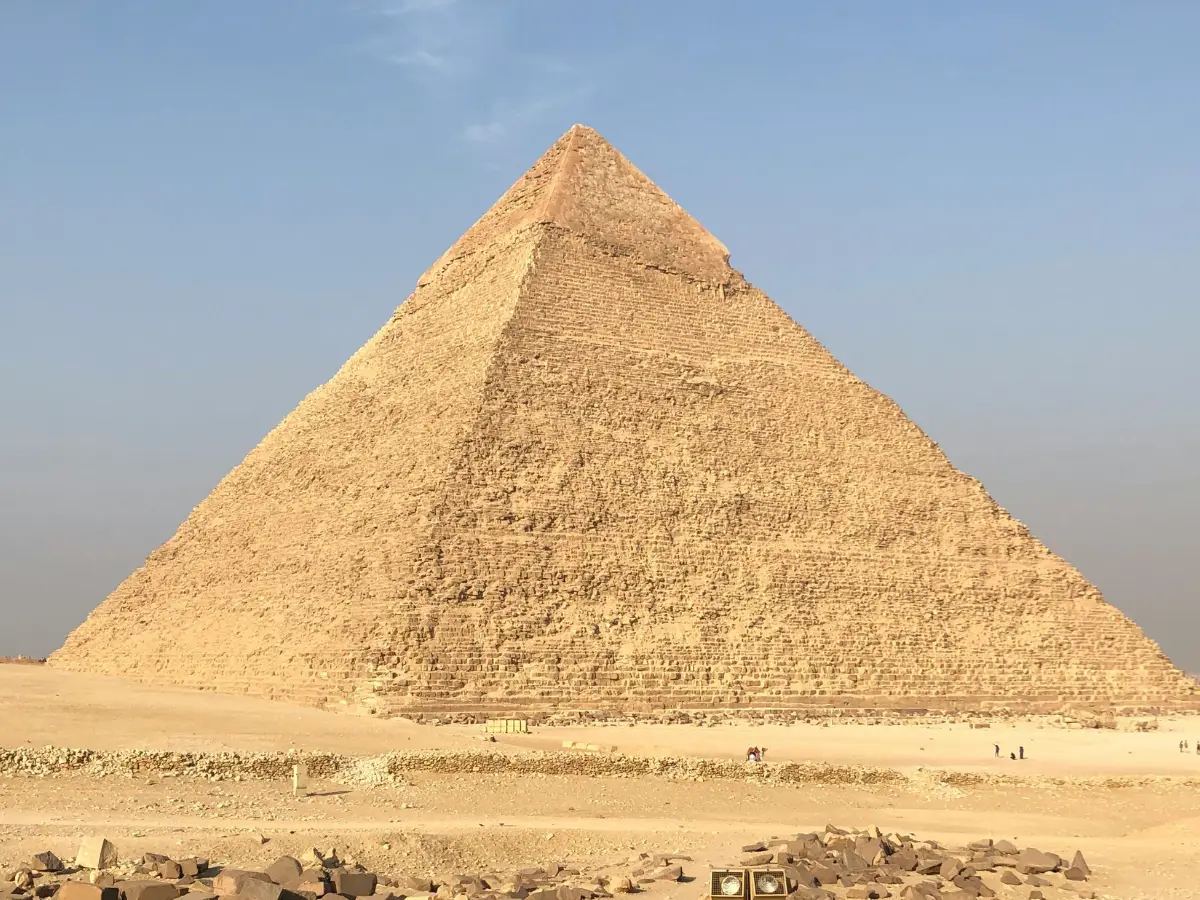
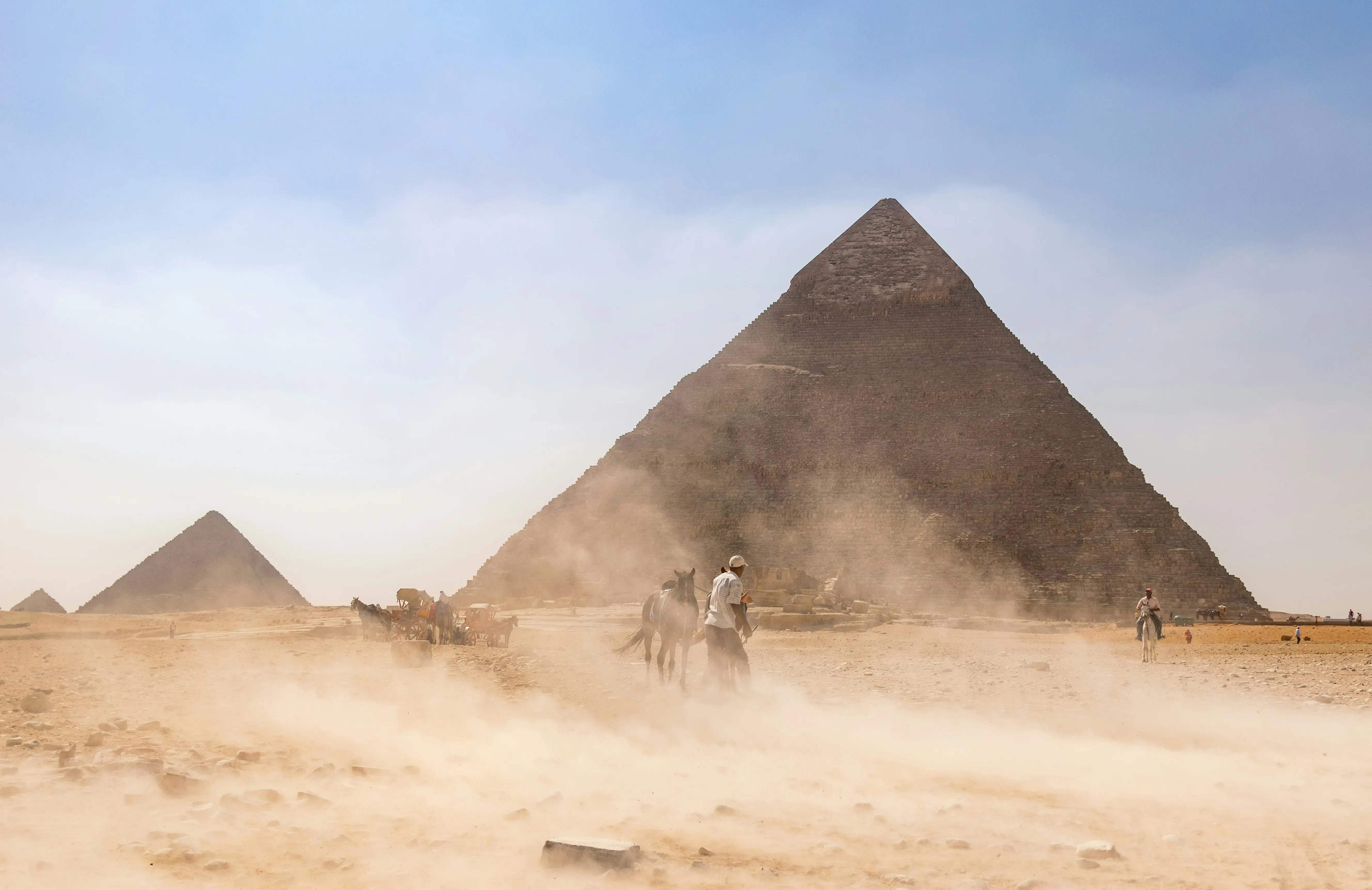
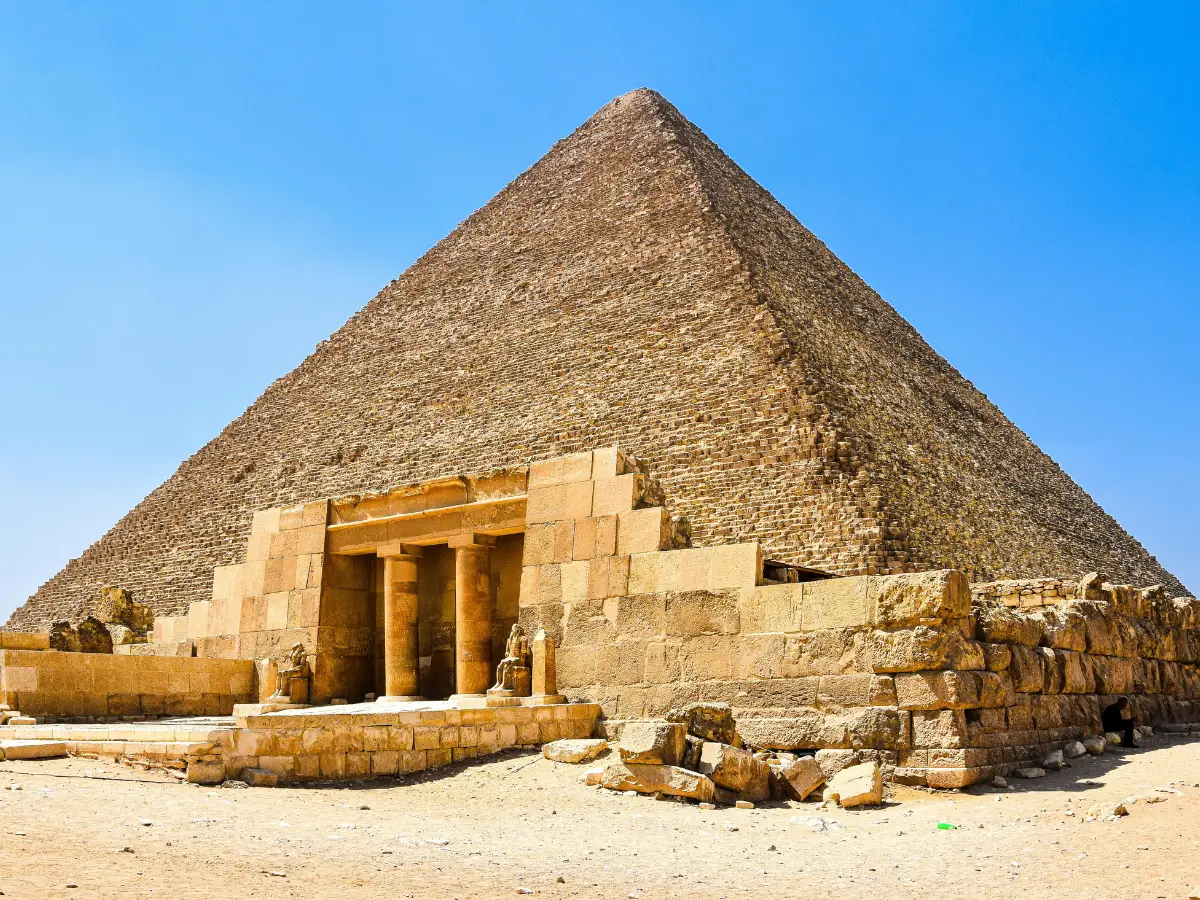
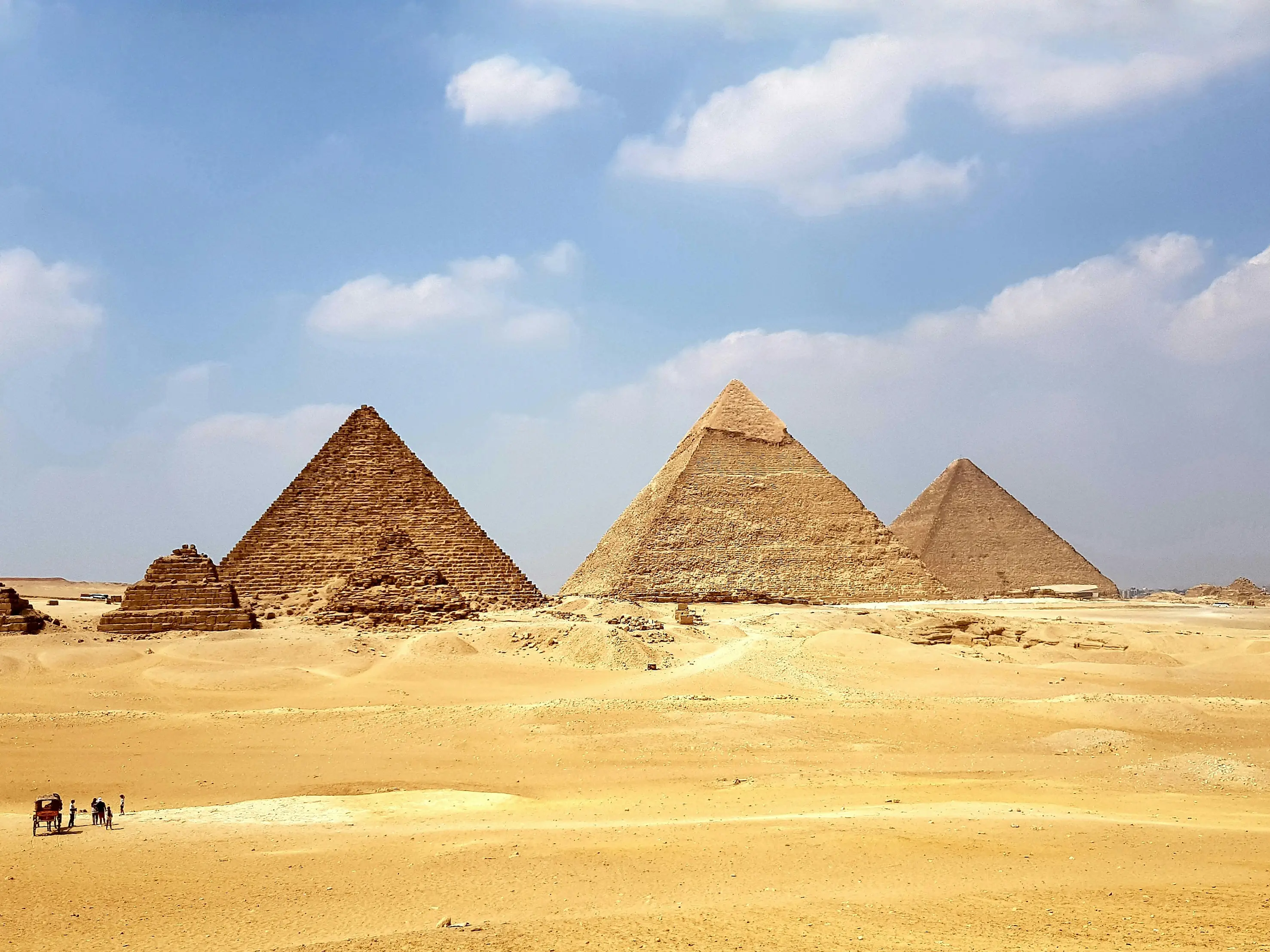
The study that claimed satellite radar could reveal hidden structures under the Pyramid of Khufu in Egypt has been retracted. In 2022, Italian researchers Filippo Biondi and Corrado Malanga published a paper arguing that small changes in radar signals could be used to create a picture of structures inside the pyramid. Later, they also claimed that they had found chambers, tunnels, rooms and corridors under the Pyramid of Khafre.
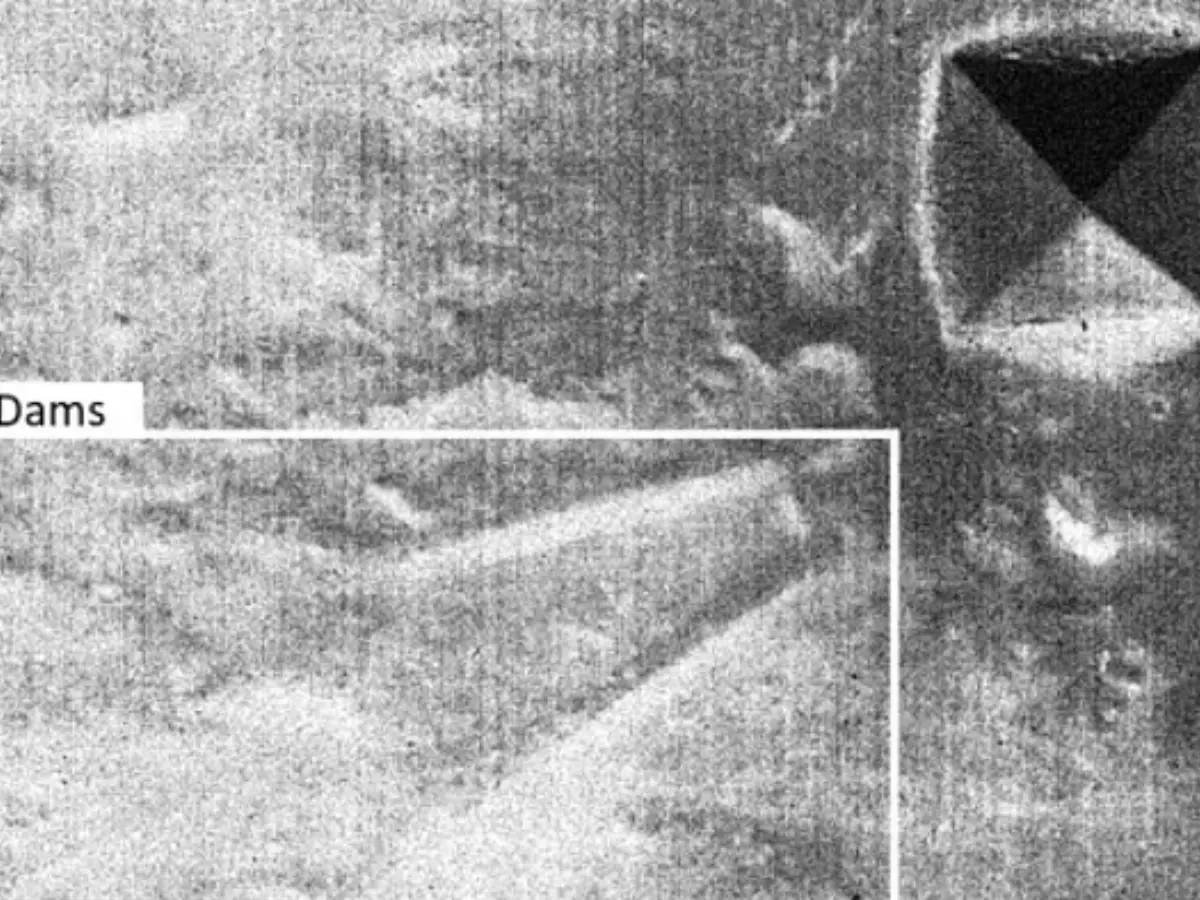
They used a radar-based imaging technique called synthetic aperture radar Doppler tomography to identify and create a picture of the structures, which they said indicated an underground city.
Their findings were widely dismissed, but they persisted and were sure of their findings. They were published in Remote Sensing, a peer-reviewed scientific journal, which retracted the study on August 10. It found "serious methodological flaws and statistical errors" in the claims and decided to remove it. The authors are not happy about it and have expressed dissatisfaction with the decision, the journal said.

The journal initiated an investigation after a reader raised concerns about the methodology. Remote Sensing decided to retract the paper and published the information on its page. "The journal retracts the article titled “Synthetic Aperture Radar Doppler Tomography Reveals Details of Undiscovered High-Resolution Internal Structure of the Great Pyramid of Giza," it wrote.
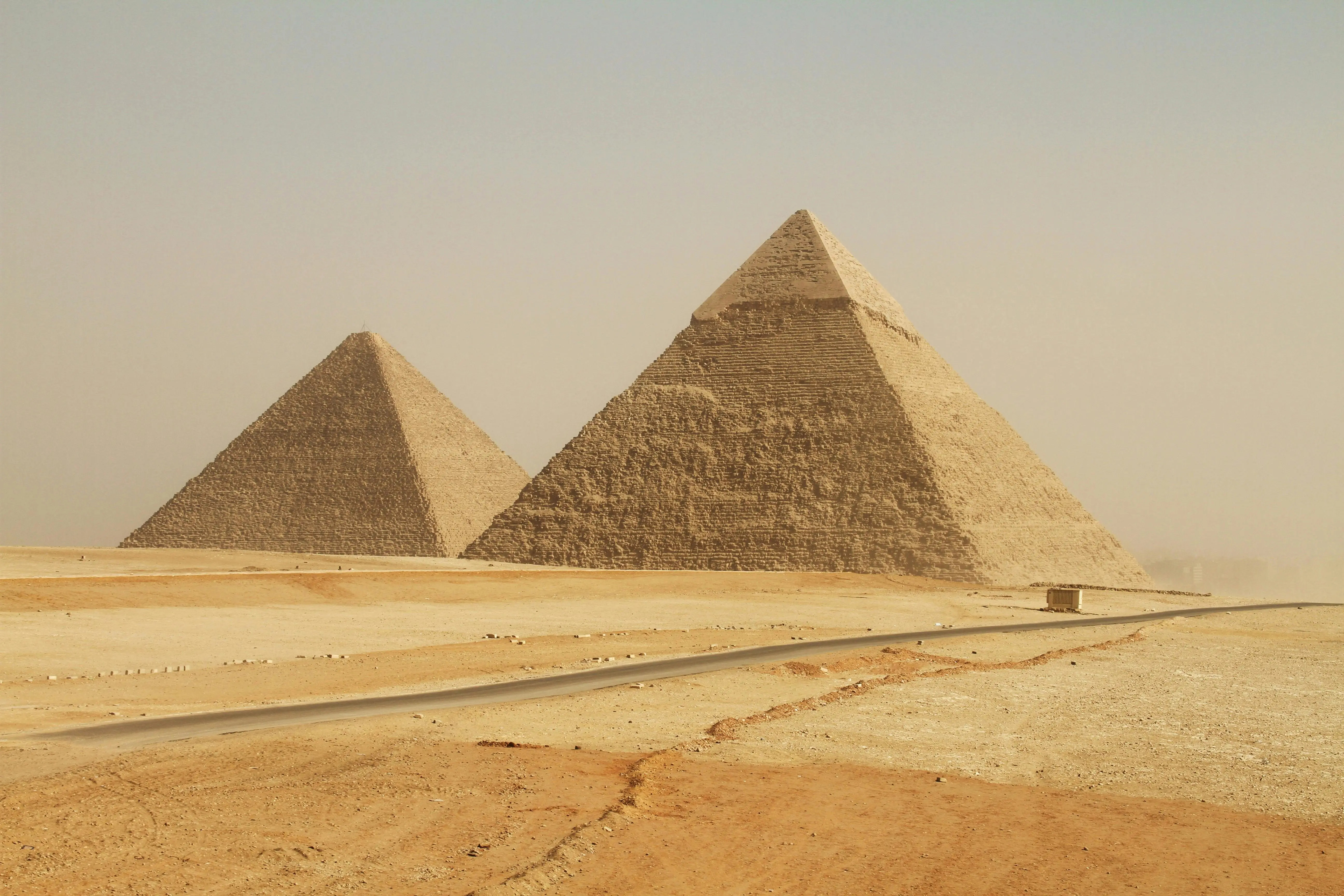
Structures under Pyramid of Khafre
Trending Stories
)
The Early Spring is proof not everyone can talk about their real feelings, and it is perfectly OK
)
UN votes to ‘correct the map’ as India backs fairer world view
)
Nigerian Navy discovers 99,000 litres of suspected stolen, illegally refined products as it intensifies anti-crude oil theft operations
)
Who is Aditi Paudel? 17-year-old becomes Japan's first literacy ambassador
)
Bengaluru: Officials find 40 kg expired chilli at chairman's club
)
Jaishankar rejects trade link to ending Ukraine war
)
Israeli strikes on Lebanon kill three, injure 23 despite truce
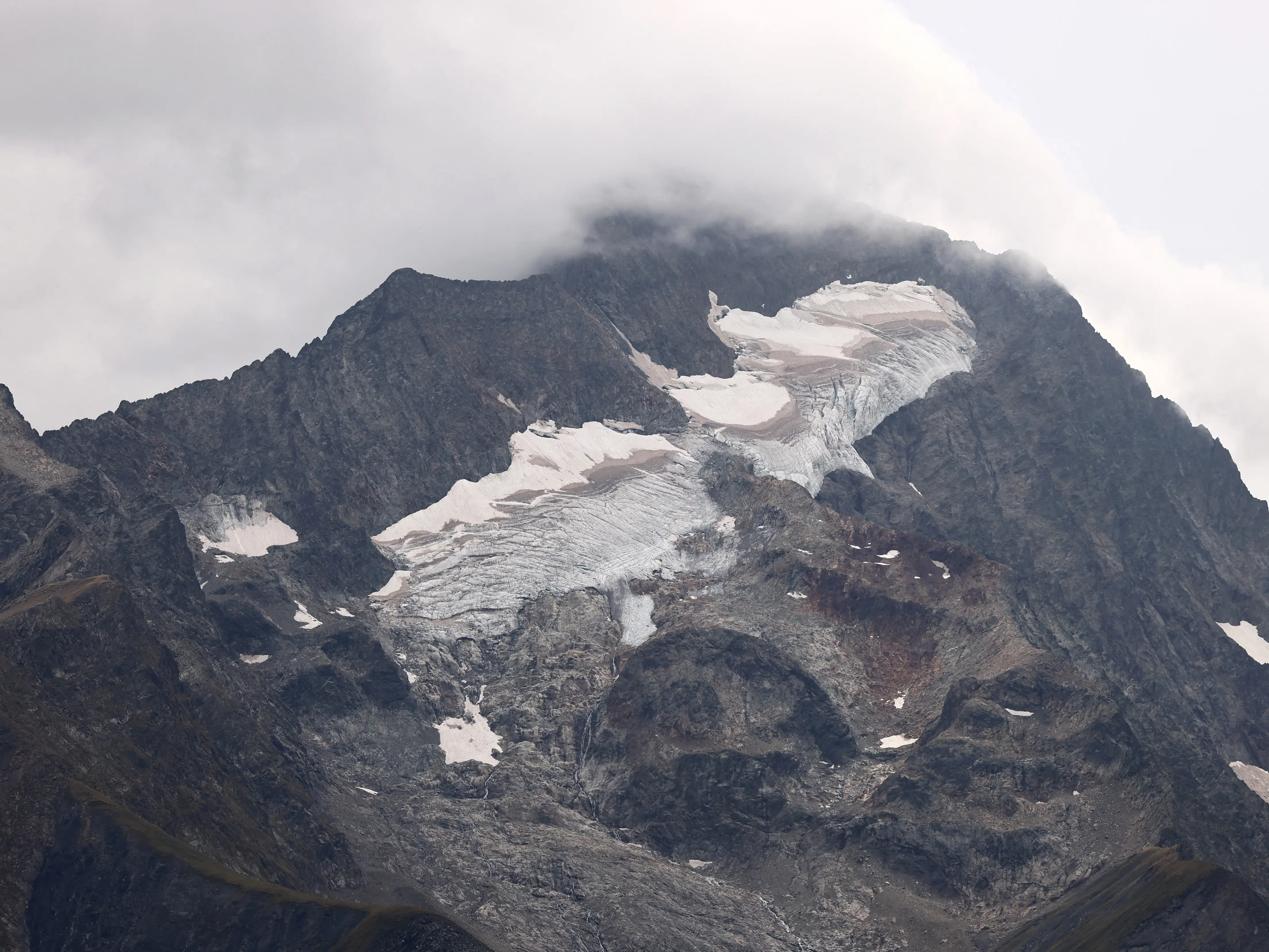)
Alpine glacier was covered with sheep wool sheets to prevent melting. It worked
)
South Korea mulls deploying military assets to Strait of Hormuz
)
World's fifth-largest economy, British army can't afford to train
)
Breaking | Vance takes the podium: First White House briefing since Leavitt's exit
)
Taiwan raises 'concerns' over China's missile test
)
BRICS 2026: $1 trillion sovereign capital set to converge in Delhi for first iBRICS Summit
)
What is Iran's Pickaxe Mountain that Trump has again threatened to bomb?
)
UN votes to correct world map that visually shrank Africa for 450 years
)
Former NewJeans member Danielle launches YouTube channel, hints at new solo journey
)
Bangladesh batter Towhid Hridoy creates history with 350 not out in South Africa
)
Brendan Fraser’s transformation fuels The Mummy 4 excitement as fans welcome back Rick O’Connell
&im=FitAndFill=(700,400))
Krishna Janmashtami 2026: From Dhaniya Panjiri to Makhana Kheer- 5 best sweet dishes perfect for celebrating Lord Krishna’s birth
)
Donald Trump plans to travel to Ireland on Qatari-donated jet amid security concerns
)
Nazi-looted art to return to Jewish heirs
)
Eight killed in Kerala’s Thrissur after car rams into lorry parked on highway
&im=FitAndFill=(700,400))
Why Russian fighter jets use bulky, low-pressure tyres compared to US jets
)
FBI-wanted fraud accused arrested in Jalandhar over $600,000 scam
&im=FitAndFill=(700,400))
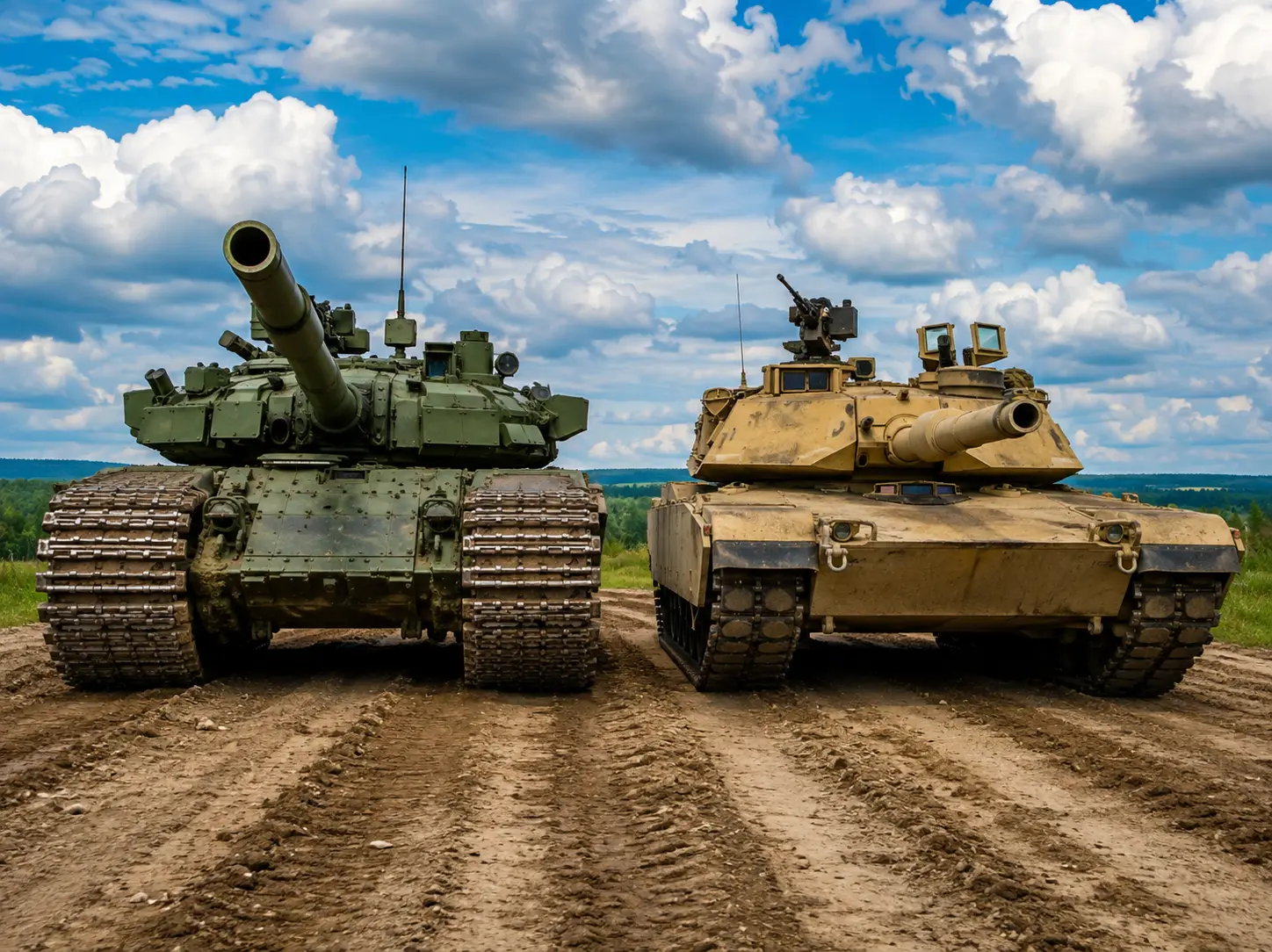
Why US tanks weigh over 20 tons more than Russian tanks
&im=FitAndFill=(700,400))
New Friday OTT releases (September 4, 2026): GDN, Dhamaal 4, Jagamae Sangeetham- Watch 6 new movies and TV shows on Netflix, Prime Video and more
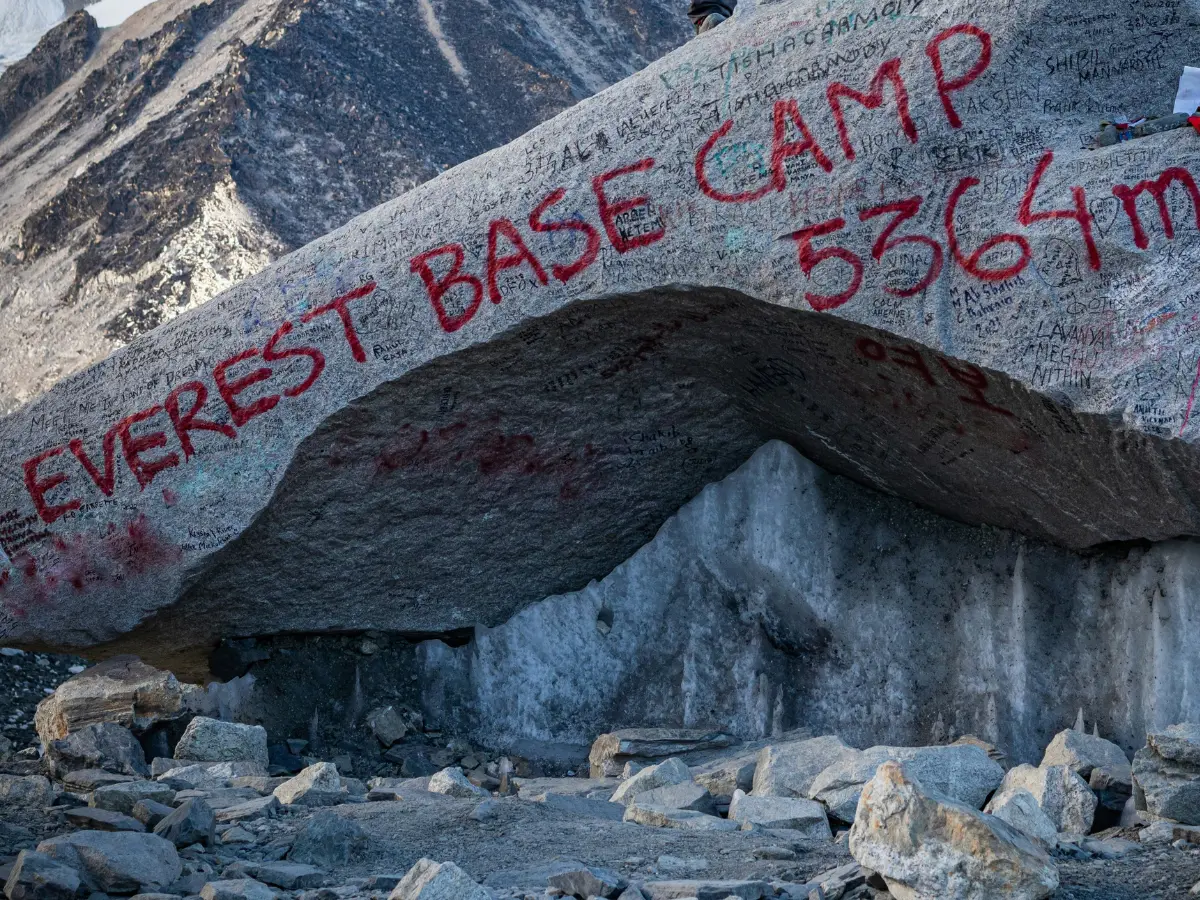)
Killing the Himalayas slowly: Human urine is melting a glacier on Mount Everest
Biondi and Malanga claimed that satellite data could reveal structures under the Great Pyramid of Giza. In 2025, they used the method to see what lay beneath the Pyramid of Khafre and officially announced their findings. They claimed to have detected a city spanning more than 6,500 feet and 10 times larger than the pyramids. They created high-resolution images of the region.
Their findings showed eight vertical cylinder-shaped structures extending more than 2,100 feet below the pyramid. They also detected several more unknown structures at a depth of 4,000 feet. There were also chambers, pipes and a water system which converged into cube-shaped structures.
The researchers also said that their method has found the "Big Void", a cavity that had been previously found using cosmic-ray scans. Satellite radar was used to study wind, earthquakes and other activity around the site, which they claimed helped them create a detailed picture of the structures. They said it was like looking through a crystal.
But their claims were shunned by other scientists who said the technology cannot be used to look underground. They said that while smaller structures like caves and chambers might be present under the pyramids, knowing whether an entire city was present required targeted excavations.