
&imwidth=800&imheight=600&format=webp&quality=medium "Constitution Day 2025: 15 stunning facts about India’s Samvidhan you probably didn’t know")
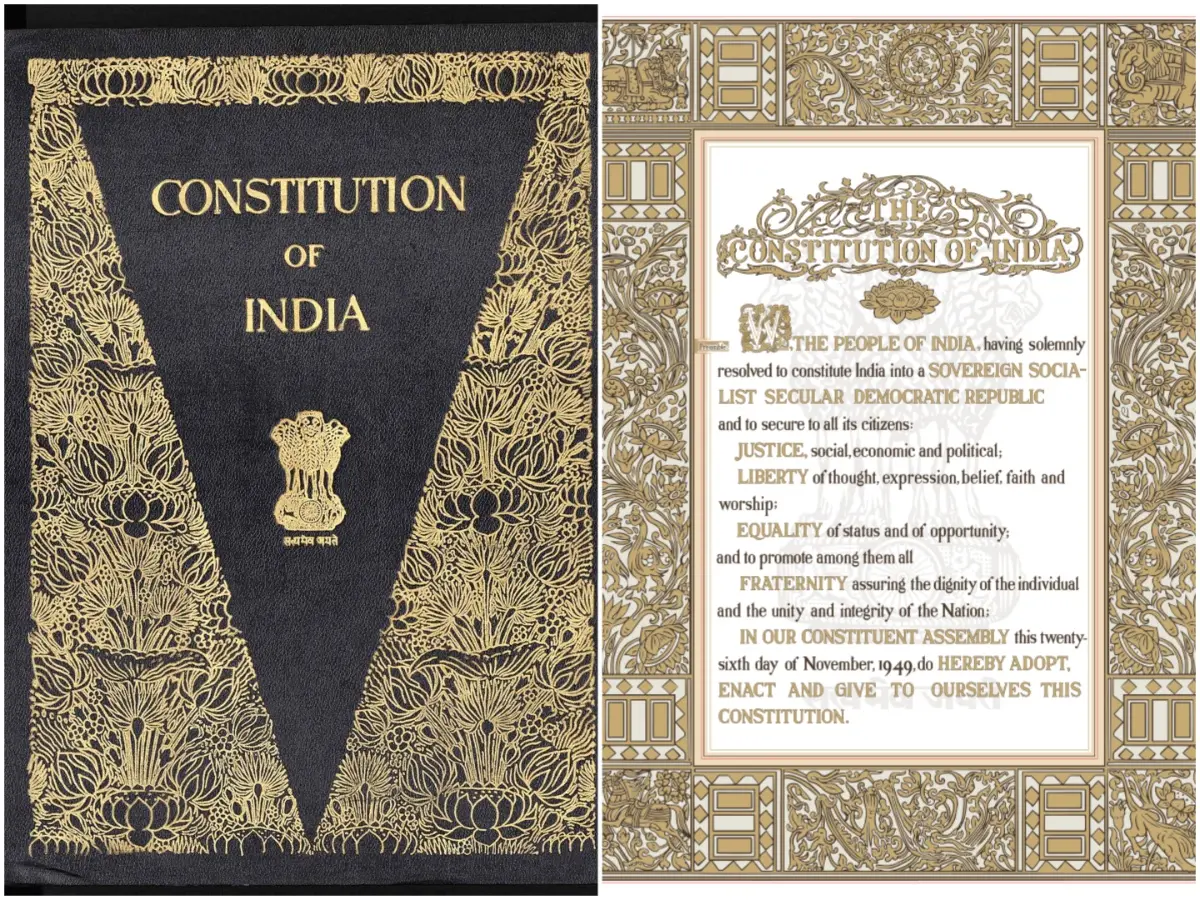
November 26 is observed as National Constitution Day or Samvidhan Diwas annually to commemorate the adoption of the Constitution of India. The Constitution of India was initially adopted on 26 November 1949 and came into force on 26 November 1950. Surprisingly, India had never celebrated National Constitution Day before 2015. But, the country began celebrating it after the Ministry of Social Justice and Empowerment notified the government’s decision on November 19, 2015, to commemorate November 26 as National Constitution Day annually.
Here are 15 interesting facts about the Constitution of India that will surprise you:
1. M.N. Roy first suggested creating a Constituent Assembly in 1934, a proposal that the Indian National Congress formally adopted the following year, in 1935.

2. The Government of India Act, 1935, served as the foundation for the Indian Constitution. Its adoption replaced the Act and transformed the Dominion of India into the Republic of India.
3. The Indian Constitution was neither typed nor printed; it was entirely handwritten and calligraphed in Hindi and English by Prem Behari Narain Raizada, who produced it in Dehradun.
4. The original handwritten Constitution is stored in helium-filled cases in the Parliament Library. The document was finalised at a total cost of ₹6.4 million.
Trending Stories
)
Nations League: Spain sink England at Wembley; Modric shines for Croatia
)
UNSC reform momentum grows: Russia, Portugal, Mauritius push for India's permanent seat bid
)
US court backs Pentagon's decision to exclude Anthropic over Claude AI restrictions
)
'A terrorist country is asking me that question?': Jaishankar hits back at Pakistani journalist at UN; flags attacks on commercial shipping
)
'What kind of confession is this?': Pakistan PM Shehbaz Sharif’s 'terrorists would be roaming New York' remark goes viral, raises alarm online. Watch
)
‘Could kill billions...’: Bill Gates backs calls to slow AI development amid fears of catastrophe
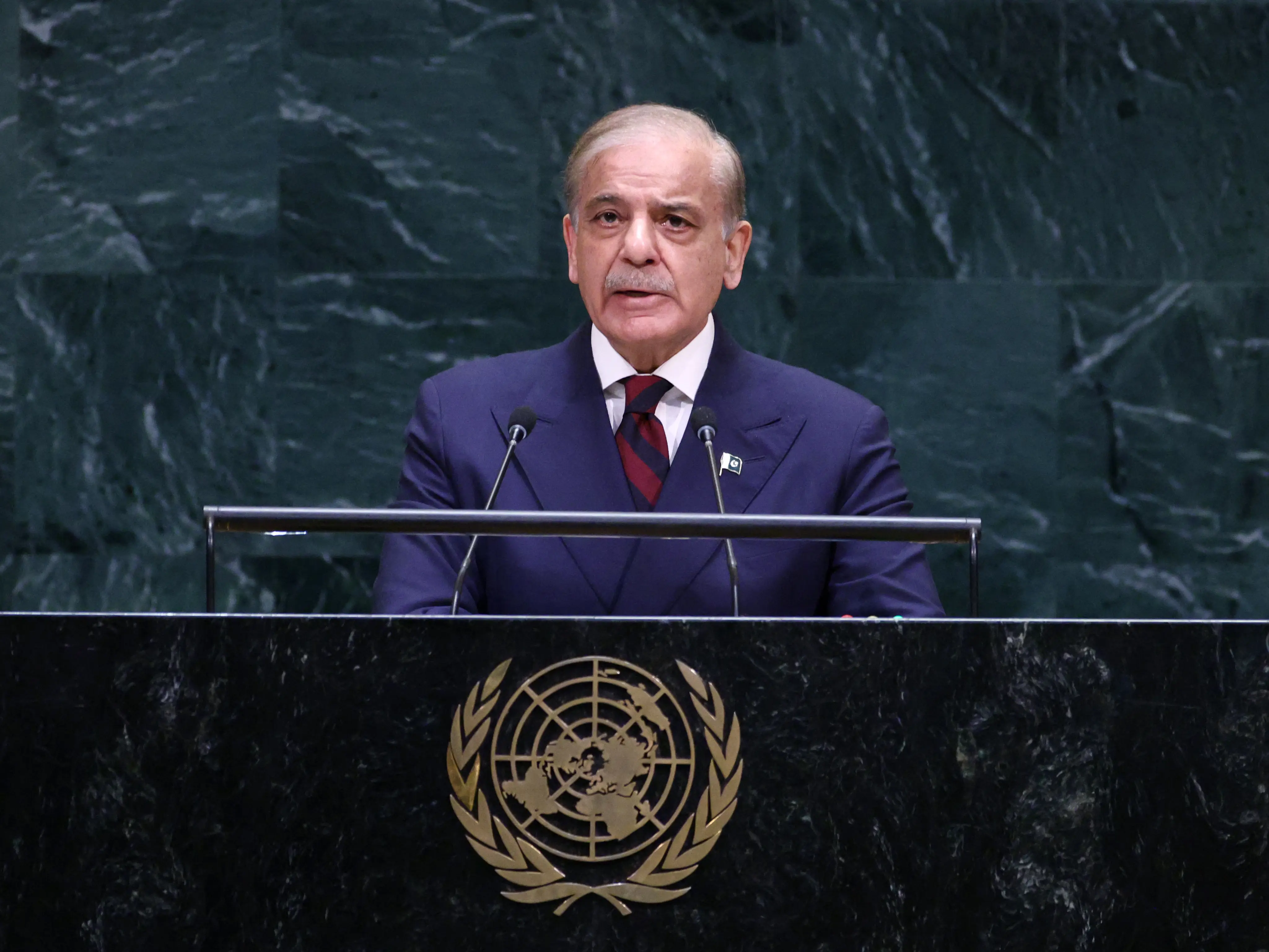)
‘Attack on Mecca a red line for Pakistan’: Shehbaz Sharif warns Houthis at UN
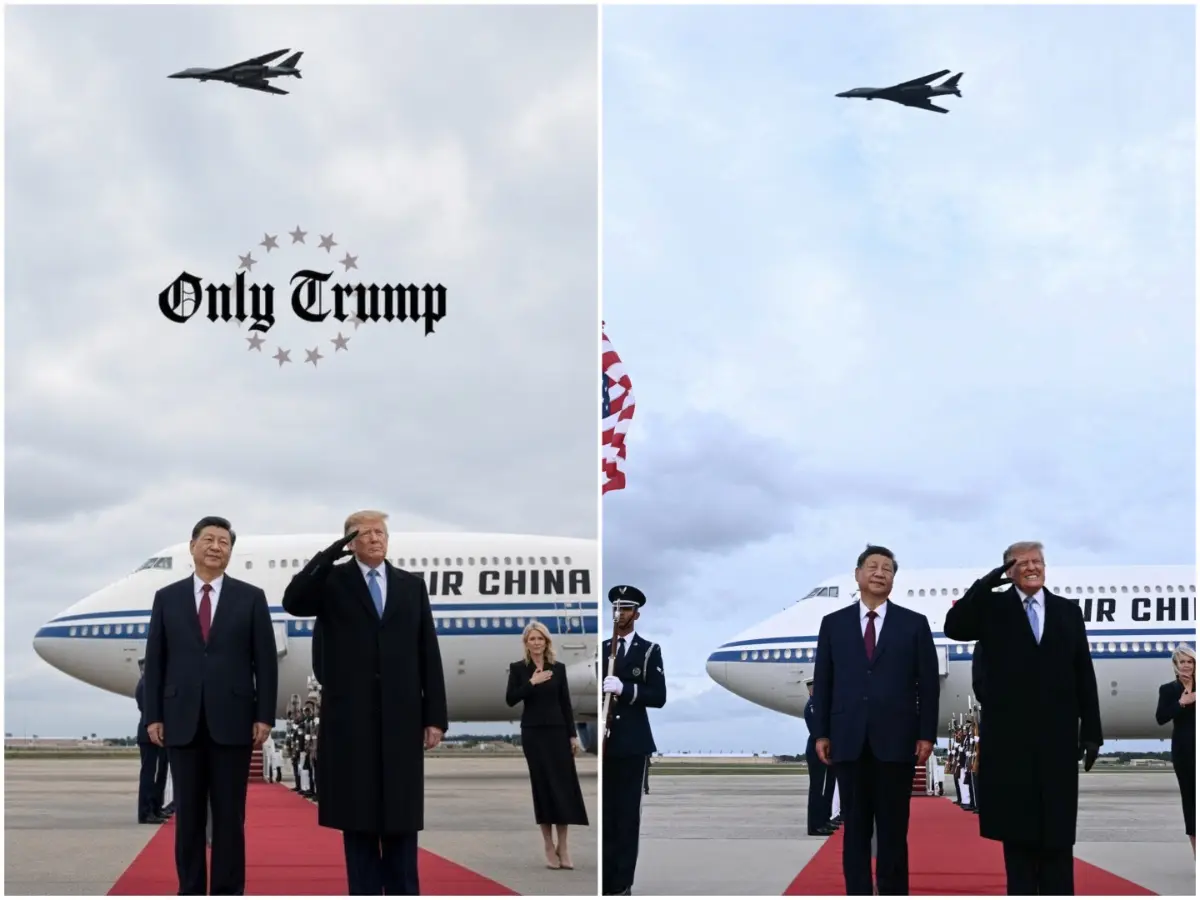)
Donald Trump shares image of Xi's arrival in Washington, carries signs of AI
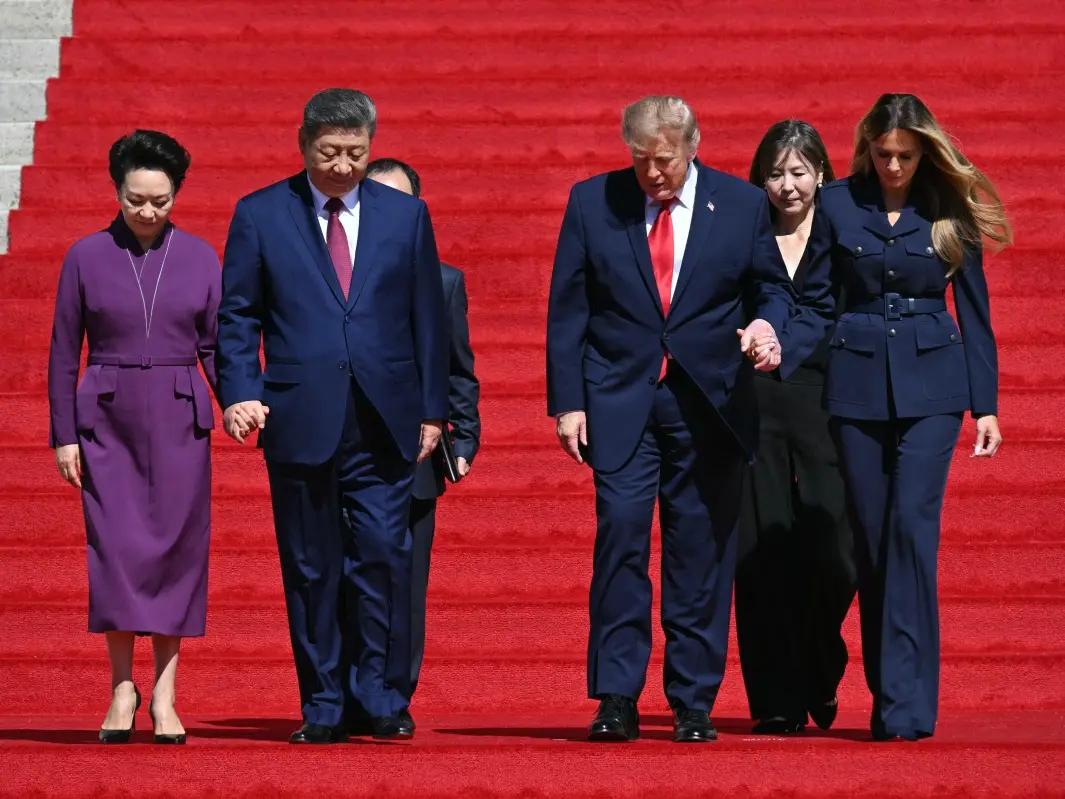)
Trump-Xi summit wrap: Big pageantry, Iran talks, few major developments and more meetings planned
)
Outrage erupts after 3-year-old is married to 60-year-old man in Pakistan, link to her sister's murder being probed
)
Asian Games 2026: India face Afghanistan in quarterfinal on Sep 28; Pakistan clash with Hong Kong
)
Myanmar training camp case: US national, 6 Ukrainians allowed to meet their families abroad
)
WATCH | As Shehbaz Sharif claims Pakistan’s ‘victory’ during 2025 conflict, Indian diplomat R Srinivas laughs at UN
)
Nigeria Navy moves to boost oil security, tackle crude theft and infrastructure threats
)
'Countries far from conflict are penalised': Jaishankar calls for Gulf peace, seafarer safety at UN
)
LPU students go on rampage, vandalise campus amid widespread protest: What's happening
)
US Supreme Court backs Trump administration's use of SAVE database to check voter citizenship
)
'FIRST LOOK from inside Noah’s Ark': Researchers share video from inside mysterious mound in Turkey
)
OpenAI AI Agents hacked 4 websites before Hugging Face, researchers reveal
)
Gaza's war turned environmental damage into second crisis
)
Russia will achieve Ukraine war aims; Europe doing everything to block peace talks: Lavrov at UN
)
Sri Lankan Tamil migrant worker gets death sentence in Saudi Arabia, help sought from India
)
'He's very much in our plans': Ravindra Jadeja ‘in mix’ for 2027 ODI World Cup, says batting coach
)
‘Serial practitioner of terrorism’: Jaishankar calls out Pakistan’s ‘state-sponsored’ terror at UNGA
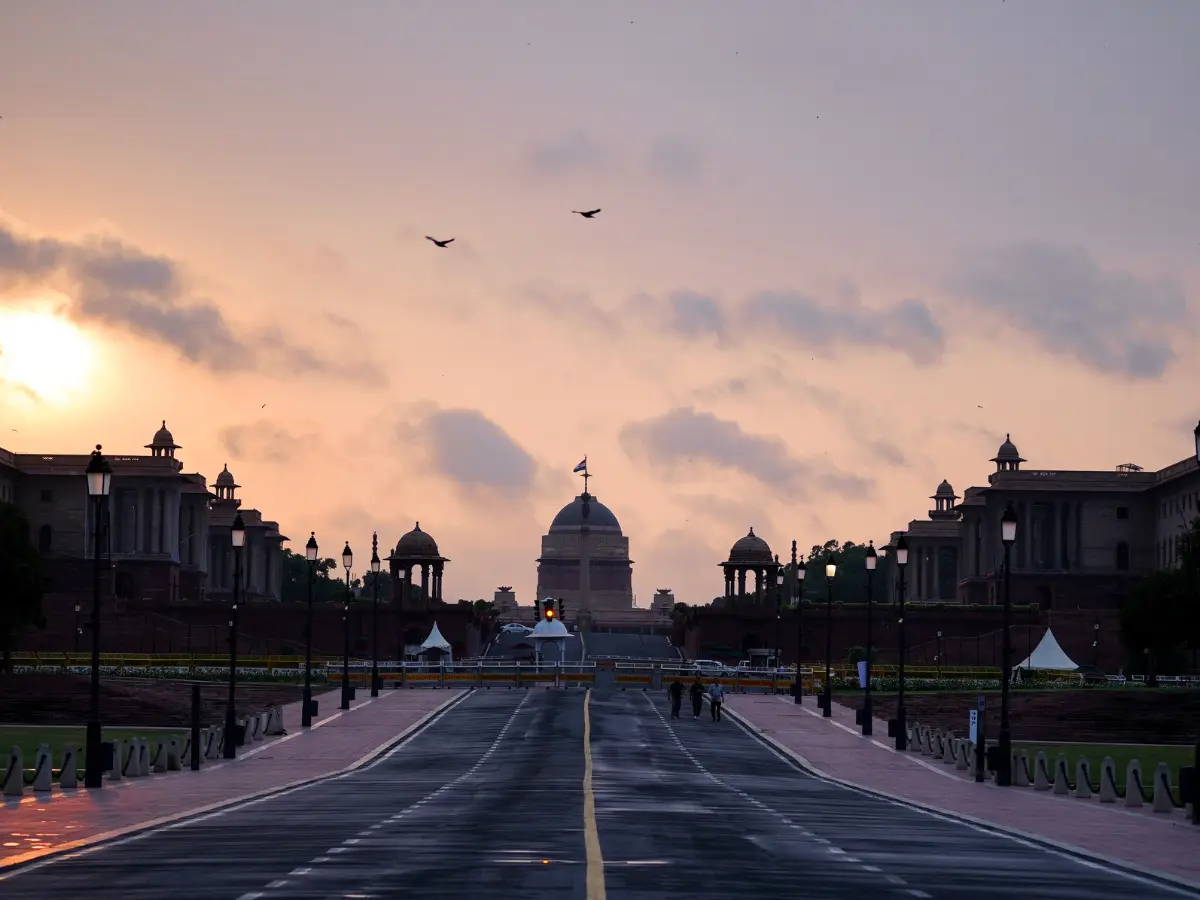)
Delhi gets first late-September rain in 7 years, mercury dips 5.1°C below normal
&im=FitAndFill=(700,400))
New Friday OTT releases (September 25, 2026): Don’t Be Shy, Hunkkaar: The Roar, Mango Pachcha- 6 movies and TV shows on Netflix, Prime Video and more
)
Bigg Boss 20: Salman Khan schools Rhiti Tiwari over Qazi Touqeer clash, compares her to Dolly Bindra
)
Bollywood x K-pop crossover! LE SSERAFIM’s Kazuha charms fans with Shah Rukh Khan’s ‘Chammak Challo’ steps
)
‘Anti-social elements spreading false rumours’: LPU issues statement amid massive unrest over alleged rape
)
US-Iran war: Trump rejects Iran's Hormuz proposal, reports suggest talks expected next week
)
Jaishankar at UNGA: Goodwill and friendship can't coexist with terrorism
)
Ceuta migrant crisis: Protesters take to streets as Spain grapples with migrant challenge
)
Pentagon quietly adds 37 wounded troops to Iran war tally without explaining when or how
5. A total of 284 members of the Constituent Assembly signed the Constitution. By the final meeting on January 24, 1950, the text consisted of 395 Articles, eight Schedules, and 22 Parts.
6. Indian women secured the right to vote only after the Constitution of India came into effect.
7. Dr Rajendra Prasad, India’s first President, was the first to sign the Constitution, while Feroze Gandhi, then President of the Constituent Assembly, was the last to sign it.
8. Article 32, which guarantees the Right to Constitutional Remedies, is often described as the “heart and soul” of the Indian Constitution.
9. The 42nd Amendment of 1976, one of the most sweeping changes to the Constitution, is commonly referred to as the “Mini Constitution.”
10. Though many contributed to its creation, Dr B.R. Ambedkar, head of the Drafting Committee, is widely honoured as the “Father of the Indian Constitution.”
11. When the Constitution came into force in 1950, it contained 395 Articles, 22 Parts and eight Schedules, all of which have expanded significantly through later amendments.
12. With continuous additions and changes, India now has one of the world’s lengthiest written constitutions—detailed, extensive and continually evolving.
13. The Fundamental Duties followed by citizens today were introduced in 1976 through the 42nd Amendment; they were not included in the original Constitution.
14. India’s Constitution draws from several global models, combining the British parliamentary structure, American-style fundamental rights and Irish Directive Principles.
15. The Supreme Court serves as the ultimate authority for interpreting the Constitution and adjudicating constitutional amendments.
Constitution Day is dedicated to honouring the vision of the Constituent Assembly and reminding citizens of the foundational principles that guide Indian society. The day also encourages reflection on the fundamental duties listed in the Constitution, fostering respect, inclusivity, and unity.

