Birds turn 'crunchy' - 894 pieces of plastic found in tiny bird leaves scientists horrified

&imwidth=600&imheight=450&format=webp&quality=medium "Birds turn 'crunchy' - 894 pieces of plastic found in tiny bird leaves scientists horrified")
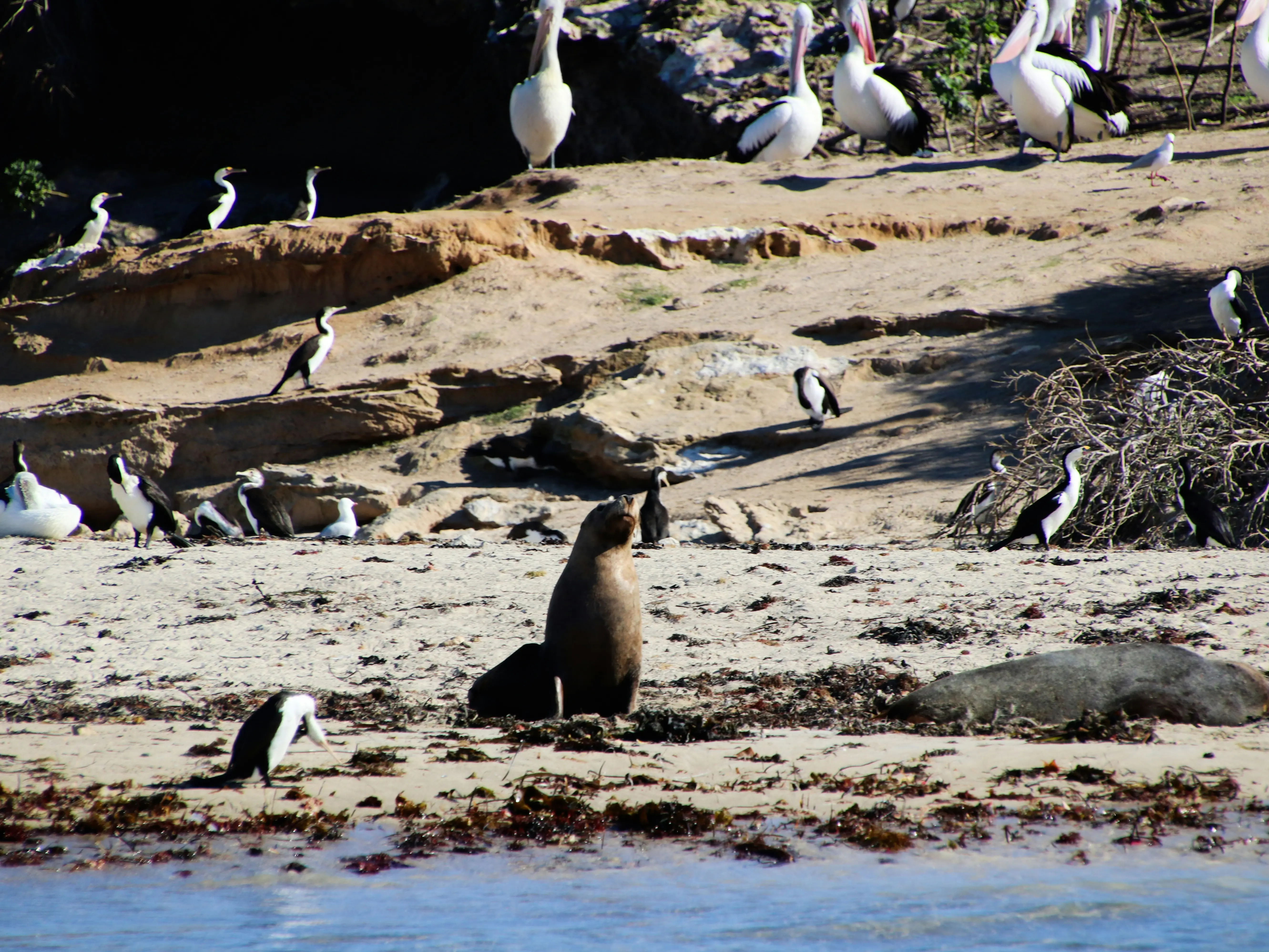
Birds are feeding plastic to their babies because they think it is food.
Birds are feeding their young so much plastic that scientists were shocked to find nearly 900 pieces of it in one tiny bird. Last year, they found 778 pieces in a dead chick. The researchers say this is beyond horrific, and witnessing this has affected their mental health as well.
Plastic pollution in the oceans has caused a spike in plastic ingested by seabirds, with the number rising each year since 2023. A study done on Australian seabirds has found that there is so much plastic in their bodies that their bodies literally make a crunching sound. Carried out by researchers from the Adrift Lab in Australia and published in the journal Earth’s Future, it states that a fledgling, a bird that has just learnt to fly, was found with 894 pieces of plastic in its body.
This is a new record after a dead chick last year was found to have eaten 778 pieces of plastic. The 894 pieces of plastic weighed 64.2 grams, more than 15 per cent of a shearwater’s expected body weight. In human terms, it would be like an 80 kg person having 12 kg of plastic in his body.
Scientists studied 16 years of data on ingestion patterns among Australian seabirds. They noticed that their exposure to plastic had jumped in recent years. This was also the time when a lot more waste, especially plastic, was ending up in the oceans.
From 276 to 894 - number of plastic pieces in bodies on birds
The team raised concerns over the increase in the amount of plastic that was being eaten by the birds every year. Alex Bond, co-author of the study, said that in 2012 they found a "sable shearwater with 276 pieces of plastic". It was small, and they assumed it was the worst-case scenario since a bird of this size could not survive eating any more.
"We were wrong. From 2023 to 2026, the record for the most plastic ingested by these birds has been broken year after year. The plastic crisis is only getting worse, but we’re acting nowhere near fast enough to try and tackle it."
Trending Stories
)
)
)
)
)
)
)
)
)
)
)
)
)
)
)
)
)
)
)
)
)
)
)
)
)
)
)
)
)
&im=FitAndFill=(700,400))
)
)
)
)
)
)
)
)
&im=FitAndFill=(700,400))
)
)
)
More and more plastic is entering the oceans. Birds do not know the difference between edible items and plastic floating in the sea and unknowingly end up feeding their young ones plastic. A large portion of the items in the birds' bodies comprised bottle caps and plastic resin pellets.
Need to recycle plastic
Bond has called on countries to take urgent steps to mitigate the problem of plastic pollution in the oceans. These objects need to be recycled, and steps need to be taken to prevent bottle caps from reaching the seas. This could be done by attaching them to the bottle, something Europe is already doing.
Adrift Lab scientists have been removing plastic from the stomachs of young birds for years, and say "terms like ‘unprecedented’ and ‘horrific’ really don’t do it justice" to the gravity of the situation. They wrote in a press release that they can "barely begin to describe what witnessing this for two decades has done to our mental and physical well-being."

