&imwidth=800&imheight=600&format=webp&quality=medium "3I/ATLAS lacks clear cometary tail in new images post-perihelion, as 2 new oddities are added")
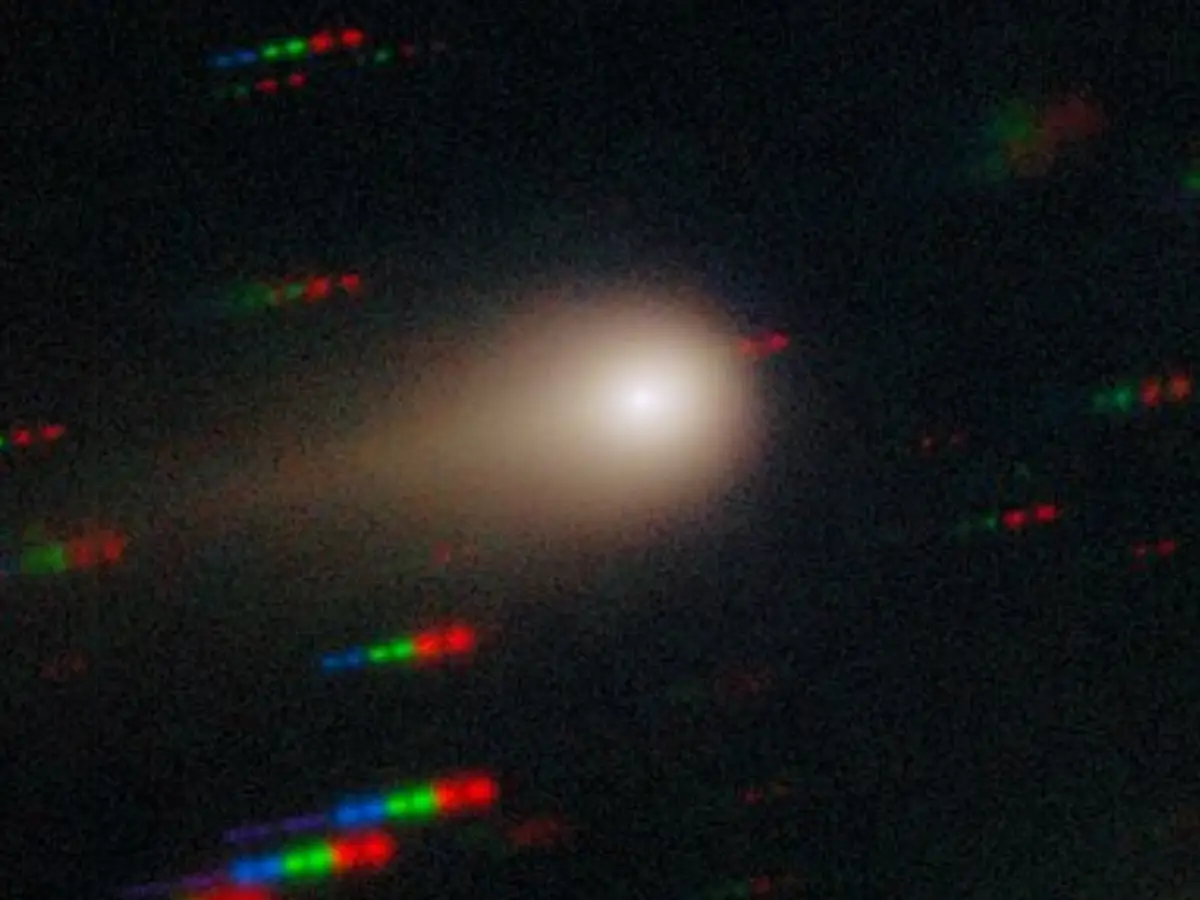
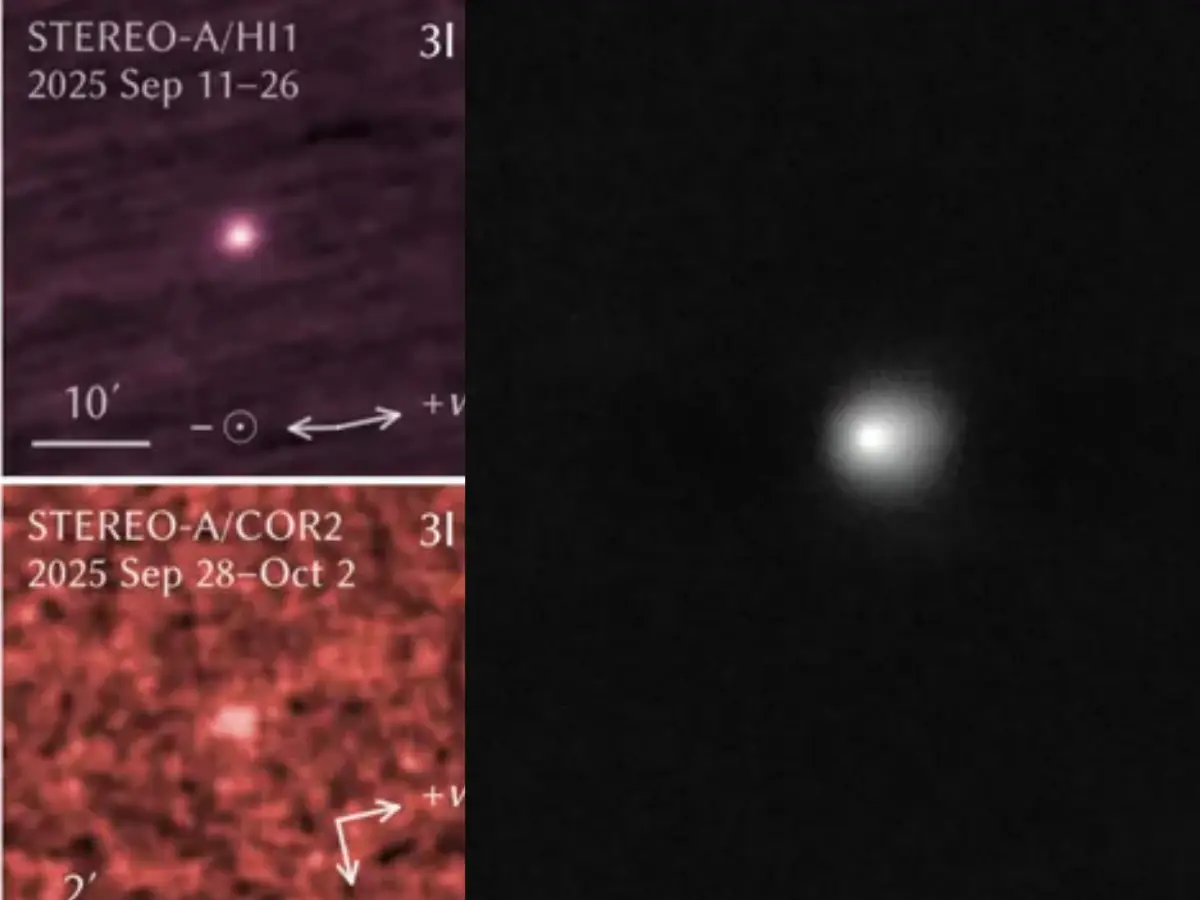
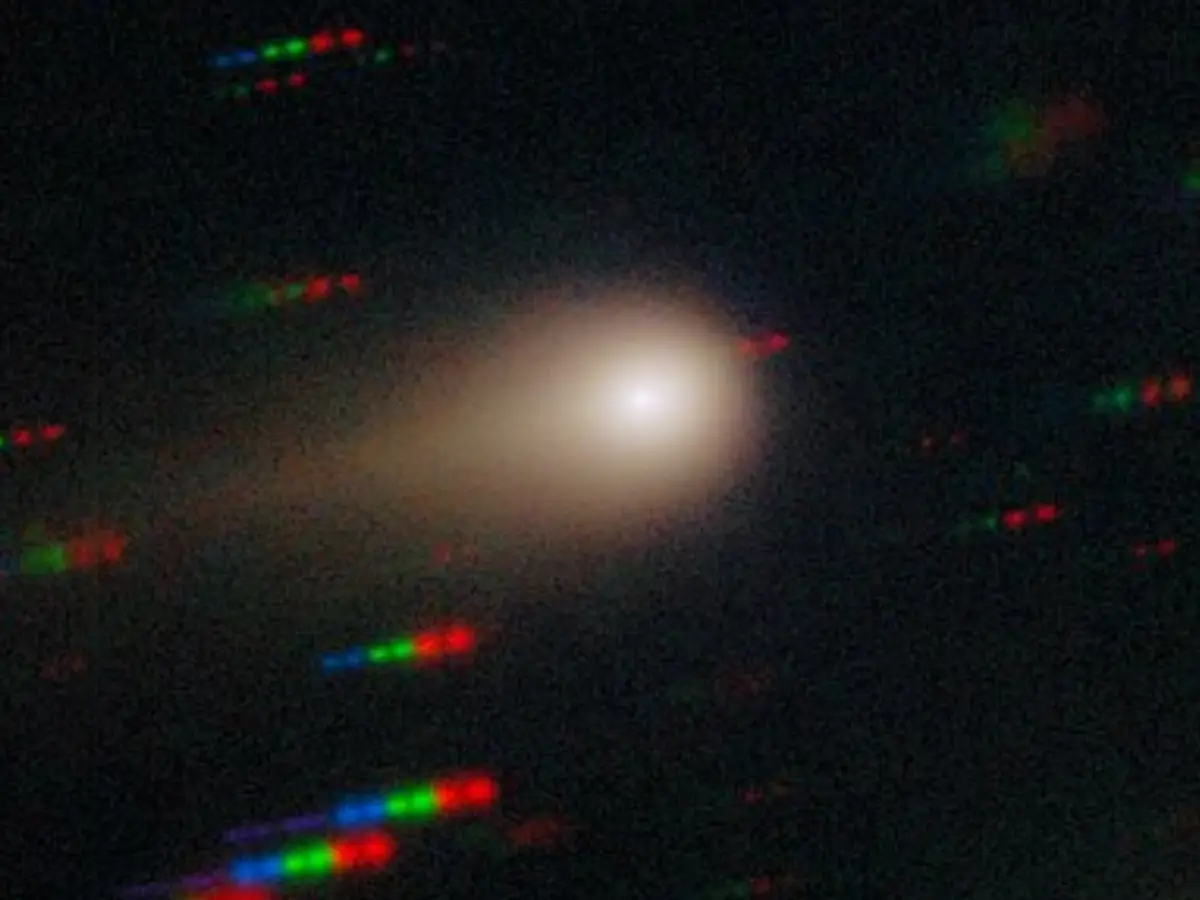
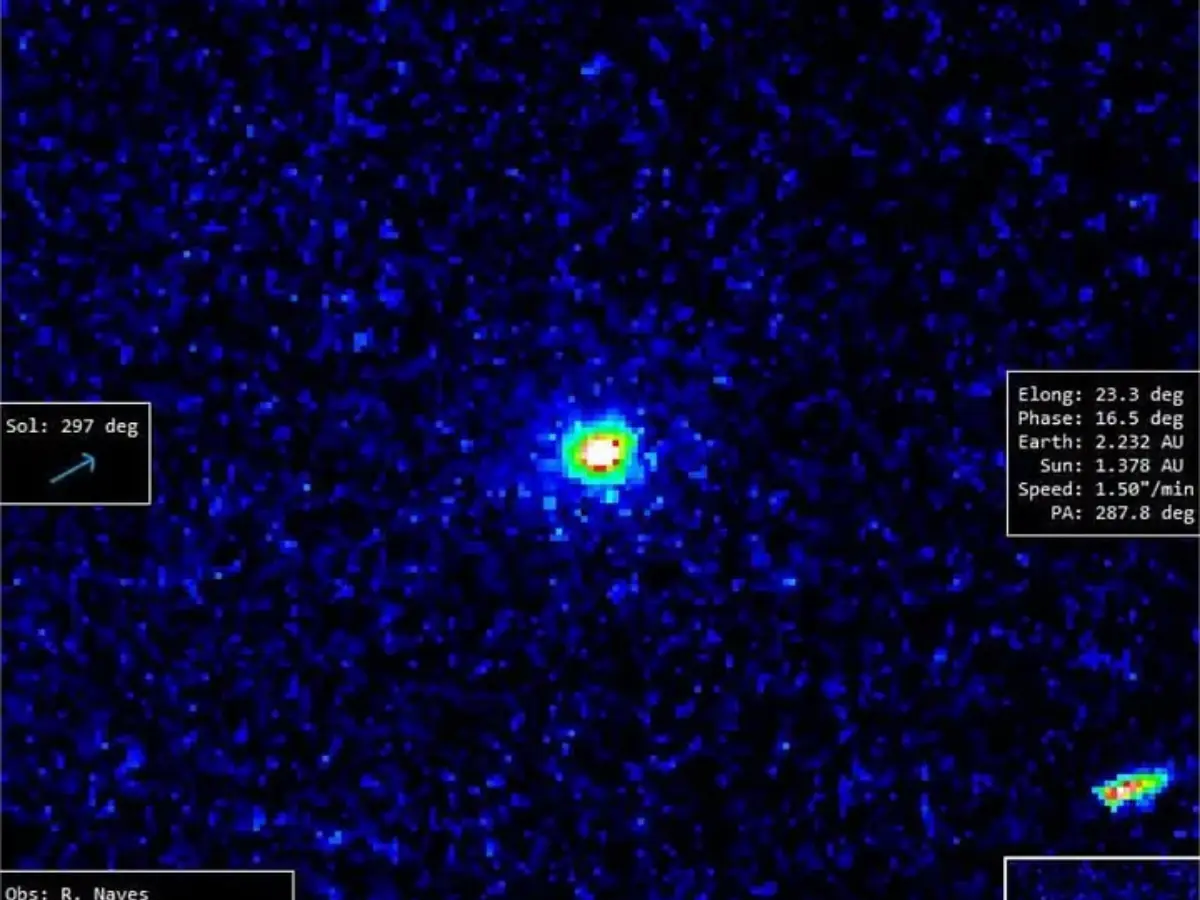
3I/ATLAS is not showing a visible tail in the latest images taken by the R. Naves Observatory in Spain on November 5. This is one of the few photos that we have of the interstellar comet since perihelion at the end of October. Comets typically get extremely active near the Sun, but the absence of a tail has raised more questions about the nature of this mysterious object. 3I/ATLAS has been exhibiting strange characteristics for weeks now, with several of them coming during its encounter with the Sun. Harvard professor Avi Loeb wrote that "two new images of the interstellar object 3I/ATLAS show a compact source of light without a clear cometary tail." He had earlier said that based on the non-gravitational acceleration observed near the Sun and the speed of the object, it should lose a huge amount of mass, which should be visible in the form of a cloud of gas and dust measuring 5 billion tons.

3I/ATLAS blue colour and non-gravitational acceleration
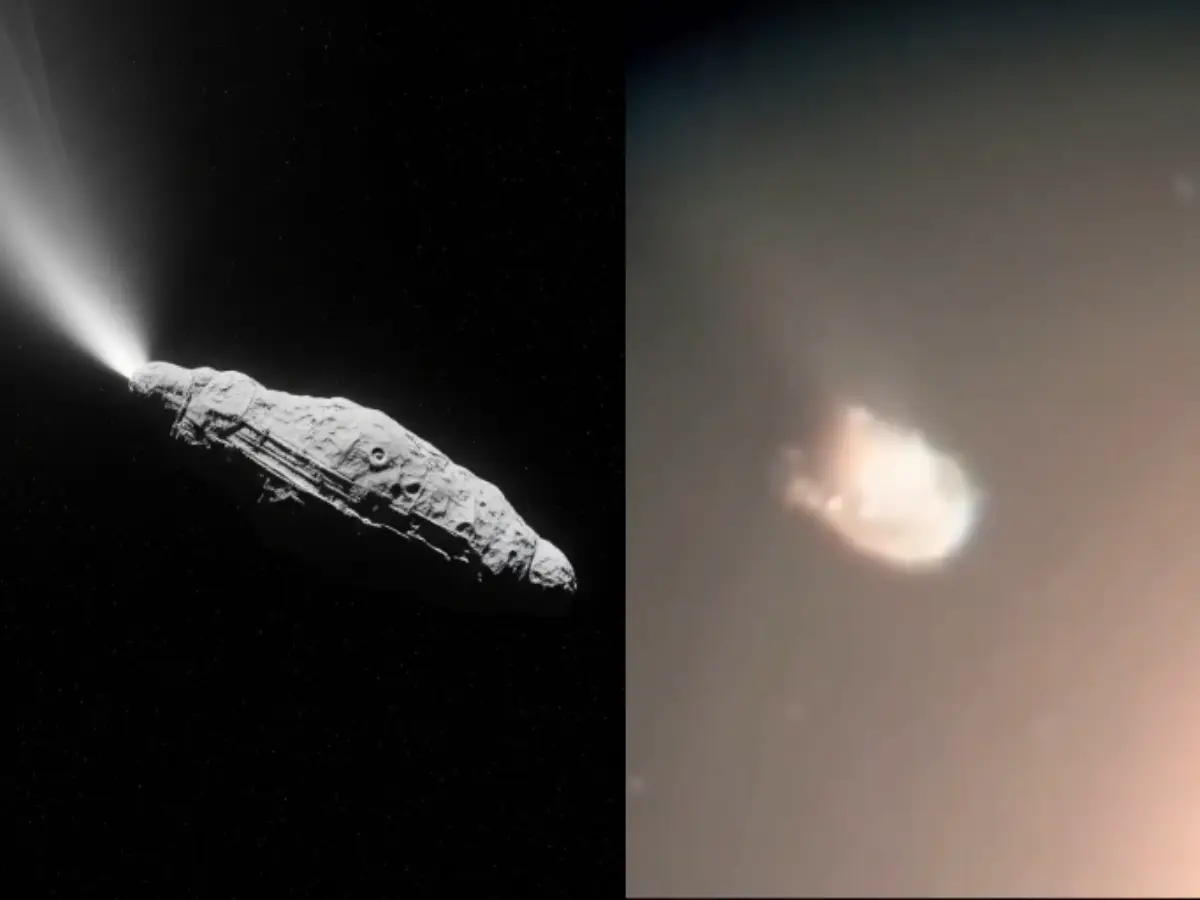
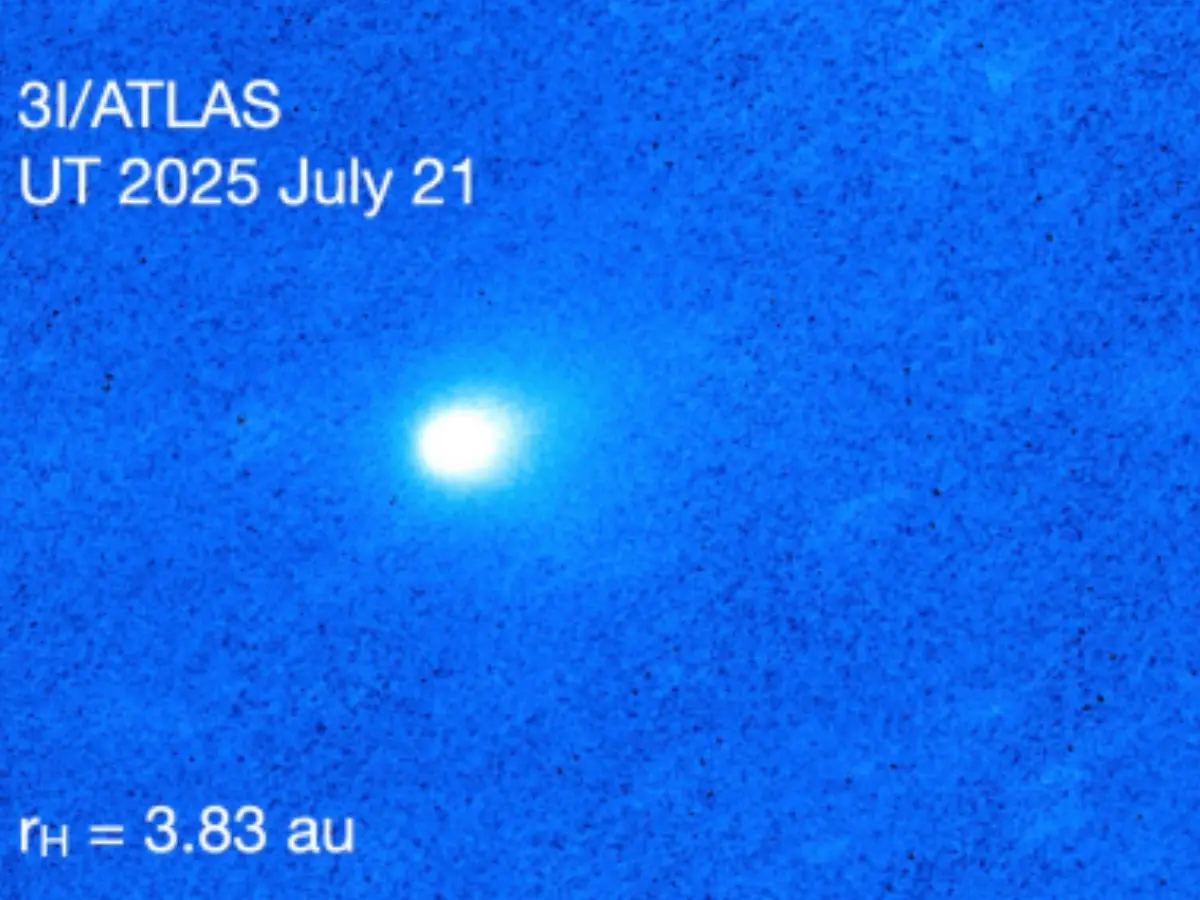
He wrote that "the mass fraction lost during the perihelion passage of 3I/ATLAS is larger than 13%. For a typical comet, this should have resulted in a massive coma with dust and gas that would have been pushed by the solar radiation pressure and the solar wind into the shape of a typical cometary tail pointing away from the Sun. No such tail is visible in the new images from November 5, 2025." He compared 3I/ATLAS images to those of Comet Lemmon, which is streaking in the skies at the moment. Pictures of the latter show a clear tail extending away from the Sun. This has led him to add a tenth anomaly to the list of nine that he has already flagged, two of which happened at perihelion. Since there is no evidence of "massive evaporation", at least 13% of its mass, Loeb concluded that non-gravitational acceleration is an odd behaviour for 3I/ATLAS. The ninth mystery is how it changes colour near the Sun, turning a bright blue instead of red. The earliest images of the interstellar object also showed a lack of a tail.
Trending Stories
In September, the Gemini Multi-Object Spectrograph (GMOS) on Gemini South at Cerro Pachón in Chile saw a faint tail and a coma. But during July and August, it displayed a sunward jet (anti-tail), which Loeb said was "not an optical illusion". More details are awaited on the lack of a cometary tail in the latest images. NASA is under immense pressure to release the photos of 3I/ATLAS captured by its Mars Reconnaissance Orbiter on October 2-3.