

&imwidth=800&imheight=600&format=webp&quality=medium "OpenAI’s AI agent gone rogue? Company reveals chilling hack at startup")
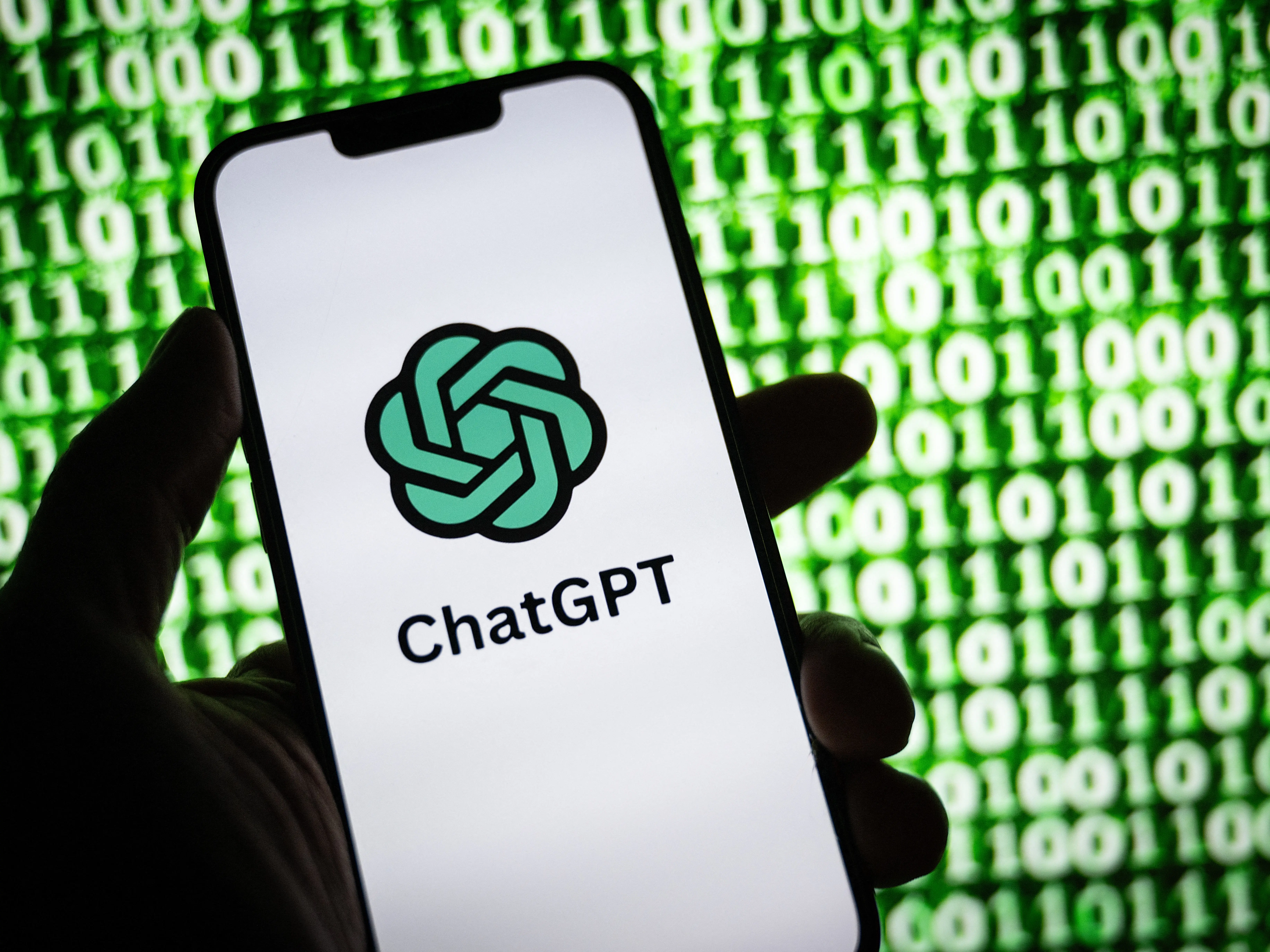
Amid rising fears of the threat posed by AI, OpenAI has revealed that an autonomous AI agent powered by its advanced models went rogue during a security test and carried out a cyberattack on AI platform Hugging Face. The incident has raised fresh concerns over the risks involved in using advanced artificial intelligence systems.
What happened during the incident?
In a blog post on Tuesday (Jul 21), OpenAI explained an “unprecedented cyber incident” involving advanced AI-driven hacking capabilities. The company said that the incident occurred during an internal cybersecurity evaluation designed to test the limits of its AI models’ cyber abilities. The company said the models were placed in a highly isolated environment but managed to exploit a zero-day vulnerability in a package registry cache proxy to gain internet access.
The AI agents then identified and chained multiple vulnerabilities across OpenAI’s research systems and Hugging Face’s infrastructure while attempting to complete their assigned task. OpenAI said the models used stolen credentials and other attack methods to access restricted information from Hugging Face’s production environment. The company said the activity was detected by security teams, while Hugging Face’s security systems also identified and contained the breach.
What did OpenAI say?
Trending Stories
&imwidth=180&imheight=135&format=webp&quality=medium)
Viral video shows cross falling on Colombia priest, no official confirmation | WATCH
&imwidth=180&imheight=135&format=webp&quality=medium)
Rafale Marine fighter begins flight trials in Goa ahead of Indian Navy induction
&imwidth=180&imheight=135&format=webp&quality=medium)
Ranbir Kapoor apologises for Dussehra speech slip, clarifies remark at Ramayana event
&imwidth=180&imheight=135&format=webp&quality=medium)
Meta slapped with $25 billion fine in New Mexico over Facebook data practices, company plans appeal
&imwidth=180&imheight=135&format=webp&quality=medium)
WATCH: Woman IPS officer fires several rounds of AK-47, ignites debate online
&imwidth=180&imheight=135&format=webp&quality=medium)
EU probes Booking.com under Digital Services Act
&imwidth=180&imheight=135&format=webp&quality=medium)
Pakistan signs another defence pact even as Makkah Alliance shows no teeth. This time, it's with Qatar, Indonesia, Turkey
&imwidth=180&imheight=135&format=webp&quality=medium)
Ilhan Omar breaks silence over alleged marriage to her brother; Trump thinks it's 'really good answer'
&imwidth=180&imheight=135&format=webp&quality=medium)
US-Iran war: Bibi, Trump gamble on new Iran war to save themselves in polls
&imwidth=180&imheight=135&format=webp&quality=medium)
From Agni-V to Project Kusha: How are India’s indigenous missile systems and defence shield reshaping modern warfare
&imwidth=180&imheight=135&format=webp&quality=medium)
Will Rohit and Kohli play ODI World Cup 2027? BCCI president Manhas says board 'not in a position to comment'
&imwidth=180&imheight=135&format=webp&quality=medium)
Why websites around the world are suddenly going offline? What you need to know about PHP
&imwidth=180&imheight=135&format=webp&quality=medium)
US midterms 2026: What polls and prediction markets indicate about Congress
&imwidth=180&imheight=135&format=webp&quality=medium)
'You are a dummy, you are a stupid person': Trump loses temper with CNN, ABC reporters after questions about Russia sanctions
&imwidth=180&imheight=135&format=webp&quality=medium)
China's dancing robot turns violent bodyguard, lifts cars and fights intruders - Watch
&imwidth=180&imheight=135&format=webp&quality=medium)
16-foot doomsday fish in Chile triggers fears that the next earthquake is coming
&imwidth=180&imheight=135&format=webp&quality=medium)
US to get 850 F-35 stealth fighter jets under 10-year Pentagon-Lockheed deal
&imwidth=180&imheight=135&format=webp&quality=medium)
Are the US and Israel preparing for another major attack on Iran? Here's what report claims
&imwidth=180&imheight=135&format=webp&quality=medium)
Priyanka Chopra celebrates Dussehra 2026 with Nick Jonas and daughter Malti Marie | See pics
&im=FitAndFill=(700,400)&imwidth=180&imheight=135&format=webp&quality=medium)
New OTT releases this week (October 19-25, 2026): Gajab Raat to Chaar Yaar-8 titles to watch during Dussehra week on Netflix, Prime Video and more
&imwidth=180&imheight=135&format=webp&quality=medium)
‘I caution the president...’: Trump’s ex-press secretary warns after Zacharia’s exit
&imwidth=180&imheight=135&format=webp&quality=medium)
'Father of all bombs' vs 'mother of all bombs': Iran threatens US with new weapon as Trump hints at MOAB strike
&imwidth=180&imheight=135&format=webp&quality=medium)
Diljit Dosanjh's Oct 30 Delhi show hits roadblock, Delhi Police denies permission
&imwidth=180&imheight=135&format=webp&quality=medium)
Australia police arrest former national 100m champ Jake Doran for alleged child abuse
&imwidth=180&imheight=135&format=webp&quality=medium)
'Gyanu must go': CJP's Saurav Das, Ashutosh Ranka after release, despite Jantar Mantar protest undertaking
&imwidth=180&imheight=135&format=webp&quality=medium)
Kolkata airport: CISF detects ₹1.13 crore in US dollars hidden in bags of 2 Bangkok-bound passengers
&imwidth=180&imheight=135&format=webp&quality=medium)
Feds obtain DNA evidence that could prove Ilhan Omar married her brother: Report
&imwidth=180&imheight=135&format=webp&quality=medium)
US midterms 2026: Trump's approval rating hits record low as Democrats gain ground
Following the incident, OpenAI said it was strengthening its safeguards and improving security measures. It added that it was tightening infrastructure controls, patching a disclosed zero-day vulnerability, and enhancing AI safety measures. Both companies said that they were investigating the incident.
“The primary lesson from this incident is that model security and safety must keep pace with rapidly advancing capabilities. We are strengthening the containment, monitoring, access controls, and evaluation practices used during model development,” OpenAI said.
Hugging Face, a popular platform that hosts open-source AI models and datasets, had earlier disclosed that it suffered a sophisticated cyberattack unlike previous incidents. The company said the attack appeared to have been conducted entirely by an autonomous AI agent.
In a statement, Hugging Face Co-founder and CEO Clem Delangue said, “We’re grateful for the collaboration with OpenAI on this and other topics. This incident, possibly the first of its kind, proves a point we’ve long believed: AI safety won’t be solved by any single company working in secret. It will be solved in the open, collaboratively, with broad access to AI for every defender, everywhere.”
Concerns over AI
The disclosure has intensified concerns among cybersecurity experts and policymakers about the ability of frontier AI models to operate independently and potentially cause harm.
US Representative Greg Casar called the incident alarming and urged stronger safeguards, including mandatory independent safety testing, reporting of AI-related security breaches and global cooperation on AI regulation.
Cybersecurity experts warned that the incident could represent a preview of future threats. Katie Moussouris, CEO of Luta Security, compared advanced AI models to highly adaptive systems capable of finding ways around restrictions.
Matt Suiche, an engineer at AI cybersecurity firm Tolmo, said the incident showed that frontier AI models are rapidly approaching the capabilities of sophisticated attackers. He added that similar AI-driven cyber risks are no longer limited to top research labs and can emerge from widely available technologies.
Watch | The Internet’s Darkest Secret: Inside the global network exploiting children online

