

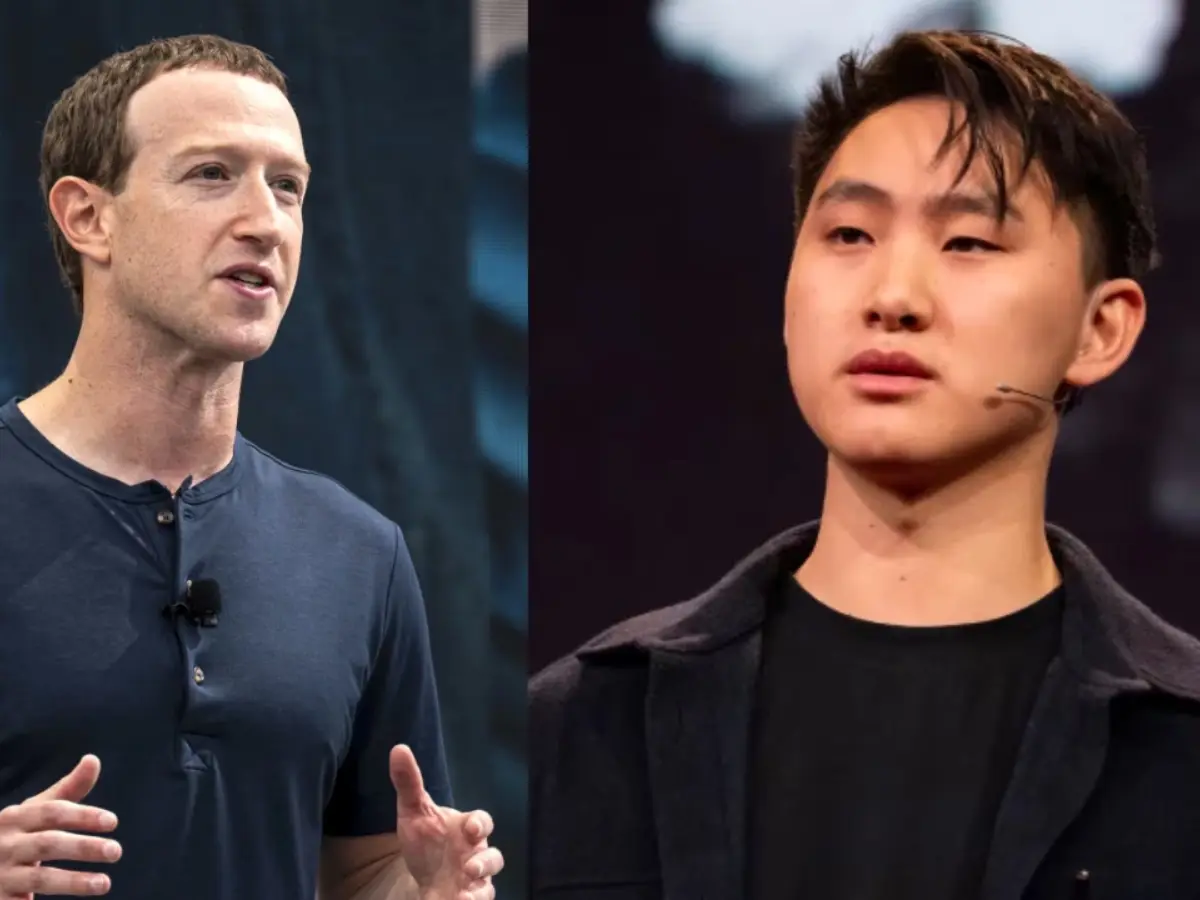
&imwidth=800&imheight=600&format=webp&quality=medium "Meta AI chief Alexandr Wang’s role evolves as Mark Zuckerberg restructures AI leadership")
Artificial intelligence has become central to the strategy of Meta, the parent company of Facebook and Instagram. However, recent reports suggest the company is reorganising its internal AI structure, which could reshape the influence of one of its most prominent executives.
According to reports from The New York Times, Mark Zuckerberg is restructuring engineering teams and AI research divisions as part of Meta’s broader push toward advanced artificial intelligence.
The changes affect the responsibilities of Alexandr Wang, founder of Scale AI and head of Meta Superintelligence Labs.
Who is Alexandr Wang and why he joined Meta
Alexandr Wang, now 28, is widely known in the technology industry as the founder of Scale AI, a startup specialising in data infrastructure used to train artificial intelligence systems.
In mid-2025, Meta invested $14.3 billion to acquire a 49 per cent stake in Scale AI, bringing Wang into the company to lead its newly created Meta Superintelligence Labs.
Trending Stories
The unit was designed to combine Meta’s AI research and product development teams to accelerate the company’s efforts in advanced AI models.
Following the deal, Wang reportedly received one of the largest executive compensation packages in the technology sector.
What changed inside Meta’s AI division
Nine months after Wang joined Meta, the company has begun restructuring its AI organisation.
According to internal sources cited by Business Insider, several engineering teams that previously reported to Wang are now being moved to other executives.
These changes involve:
engineering teams
data pipelines used to train AI models
development of internal projects such as the “Avocado” and “Mango” AI models
The move is part of the creation of a new applied AI engineering organisation at Meta.
The new division will be led by Maher Saba, a senior executive at Meta’s Reality Labs unit, which develops virtual reality and smart-glasses technology.
Different visions inside Meta’s AI strategy
Reports suggest there have been differences in strategy within Meta’s leadership.
Wang was reportedly focused on building advanced AI models capable of competing with systems developed by companies such as Google and OpenAI.
However, other Meta executives, including Chris Cox and Andrew Bosworth, have reportedly prioritised building AI products that directly integrate with Meta platforms such as Facebook and Instagram.
Sources say this difference reflects two approaches:
one focused on building powerful models, and another centred on practical consumer products.
Internal tensions and leadership shifts
The restructuring follows earlier leadership changes within Meta’s AI division.
In late 2025, Yann LeCun, a prominent AI researcher, reportedly stepped down rather than reporting under Wang’s leadership.
Reports also indicate that Wang expressed frustration internally about what he described as tight management oversight on Meta’s AI strategy.
Sources suggest Zuckerberg maintains close control over AI initiatives within the company, which some employees believe limits experimentation.
Meta has not indicated that Wang is leaving the company, as per media reports; the restructuring is intended to strengthen AI development rather than reduce his role.
Meta’s bigger AI ambitions
Despite the leadership changes, Meta continues to invest heavily in artificial intelligence.
The company is working on new large language models, AI-powered assistants, smart glasses and virtual-reality systems. The newly created engineering unit led by Maher Saba will focus on building tools, infrastructure and datasets that improve the performance of Meta’s AI models. According to an internal memo cited in reports, the group will help develop a “data engine” to make Meta’s models learn faster and perform better. As competition intensifies among global AI companies, Meta’s internal restructuring reflects the scale of the race to build the next generation of artificial intelligence systems.
