

&imwidth=800&imheight=600&format=webp&quality=medium "Higher education at risk? Ex-Google AI leader warns law and medical degrees may lose value as AI moves fast")
A former senior leader from Google has raised concerns about the future of higher education, warning that long academic degrees in fields like law and medicine may no longer offer the same security they once did.
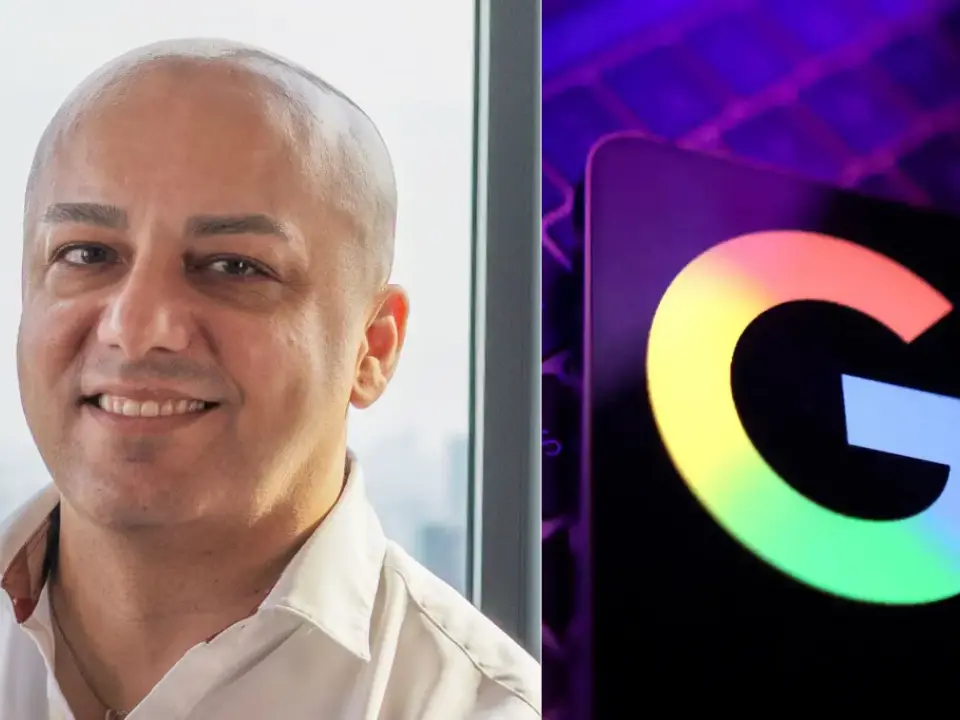
According to a report by Business Insider, Jad Tarifi, who helped build Google’s first generative AI team, believes artificial intelligence is advancing so fast that many traditional degree programmes cannot keep up.
Tarifi, who earned his own PhD in artificial intelligence in 2012, said young people risk spending years preparing for jobs that could look very different or even shrink by the time they graduate.
Why AI could outpace long degrees
Tarifi said degrees that take many years to complete, such as medicine, law and doctoral programmes, are especially exposed. In some cases, medical and legal training can take close to a decade before a student fully enters the workforce.
By then, he warned, AI systems may already be performing large parts of the work these professions rely on.
Trending Stories
&imwidth=180&imheight=135&format=webp&quality=medium)
Rahul Gandhi's plea against Election Commission delayed as Supreme Court registry flags 14 ‘defects’
&im=FitAndFill=(700,400)&imwidth=180&imheight=135&format=webp&quality=medium)
Navratri 2026: 9 days, 9 forms of Goddess Durga and 9 colours- Check the complete list
&imwidth=180&imheight=135&format=webp&quality=medium)
Korean peninsula tensions escalate as North Korea launches multiple ballistic missiles, PACOM says 'no threat to US personnel'
&imwidth=180&imheight=135&format=webp&quality=medium)
Trump weighs firing Kimberly Guilfoyle as US ambassador to Greece amid misconduct allegations: Report
&imwidth=180&imheight=135&format=webp&quality=medium)
Anti-SIR protest in Mumbai: Protestors wear black masks & ribbons in Mumbai
&imwidth=180&imheight=135&format=webp&quality=medium)
UK PM Andy Birnham renews claims of Russian meddling in Brexit vote
&imwidth=180&imheight=135&format=webp&quality=medium)
BCCI rejects venue shift reports, India vs Sri Lanka 1st ODI to remain in Delhi
&imwidth=180&imheight=135&format=webp&quality=medium)
'Absolutely disgusting': Australia slams US plan to livestream Nidal Hasan's execution; Mike Johnson raises concerns, warns of terrorist propaganda
&imwidth=180&imheight=135&format=webp&quality=medium)
1,500 drones illuminate Mumbai sky as Cordelia Cruises unveils second ship, Cordelia Sky
&imwidth=180&imheight=135&format=webp&quality=medium)
Houthis warns US of 'painful response' if Washington joins Saudi war in Yemen as airlines suspend flights to Saudi Arabia
&imwidth=180&imheight=135&format=webp&quality=medium)
Congress demands action against chief election commissioner
&imwidth=180&imheight=135&format=webp&quality=medium)
Robot gropes girl, makes thrusting movements in bizarre crime in Germany
&imwidth=180&imheight=135&format=webp&quality=medium)
'Turn approver, resign, we'll forgive you': Rahul Gandhi claims receiving messages from CEC Gyanesh Kumar
&imwidth=180&imheight=135&format=webp&quality=medium)
'I will not be silenced': Ilhan Omar alleges political intimidation after federal officers search her Washington home
&imwidth=180&imheight=135&format=webp&quality=medium)
Pakistan's government blames PTI for rise of terrorism in Khyber Pakhtunkhwa
&imwidth=180&imheight=135&format=webp&quality=medium)
‘This is just the start’: Maaya Rajeshwaran on historic ITF title, confidence boost and future goals
&imwidth=180&imheight=135&format=webp&quality=medium)
I.N.D.I.A. Bloc lists 10 requests to Supreme Court
&im=FitAndFill=(700,400)&imwidth=180&imheight=135&format=webp&quality=medium)
IMF World Economic Outlook: 10 economies to watch for growth in FY27 and FY28 - Where does India stand?
&im=FitAndFill=(700,400)&imwidth=180&imheight=135&format=webp&quality=medium)
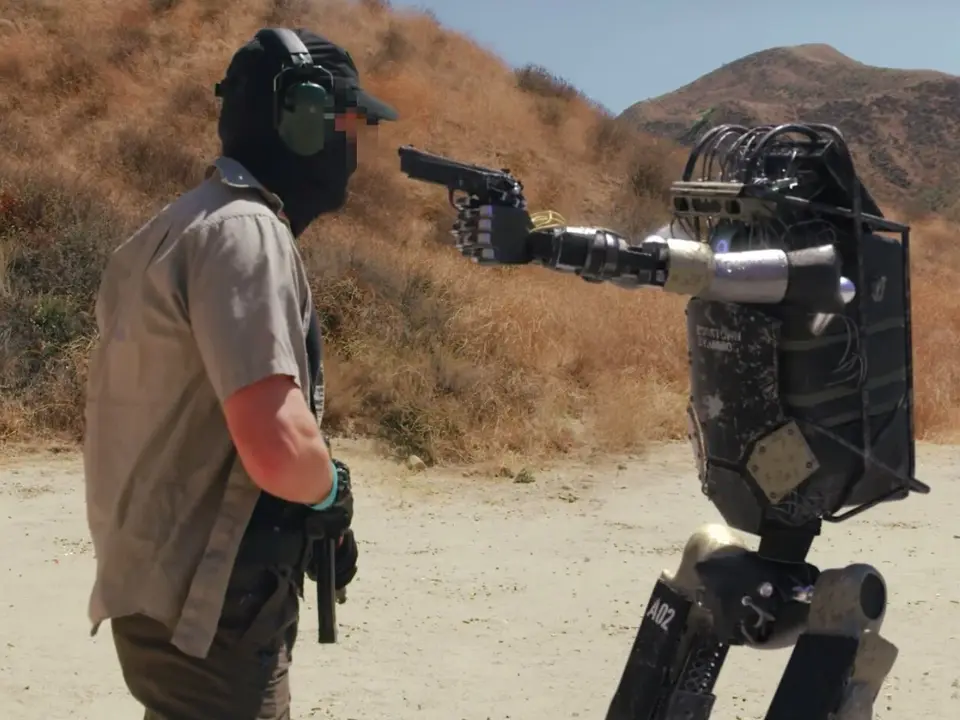
How does a robot decide what to do next?
&imwidth=180&imheight=135&format=webp&quality=medium)
Is the AI chip boom already over? Global semiconductor stocks slide as investors question unbridled spending
&imwidth=180&imheight=135&format=webp&quality=medium)
L Murugan resigns as Union Minister, expresses wish to return to grassroots
&imwidth=180&imheight=135&format=webp&quality=medium)
Trump says he 'may' meet North Korean leader Kim Jong Un during upcoming Asia trip
&imwidth=180&imheight=135&format=webp&quality=medium)
'Ouch!!! That must hurt': Kangana Ranaut hails Kamal Haasan's sharp reply to Elon Musk over Starlink row
&imwidth=180&imheight=135&format=webp&quality=medium)
Sidhu Moose Wala’s younger brother wins hearts by recreating late singer’s signature move at Toronto Hologram Show
&imwidth=180&imheight=135&format=webp&quality=medium)
Girl 'dead' for 8 hours wakes up at her own funeral, dad insists she wasn't breathing
&imwidth=180&imheight=135&format=webp&quality=medium)
UK school ditches technology, shifts from screen to pen and paper for learning
&imwidth=180&imheight=135&format=webp&quality=medium)
Opposition’s 10 demands in Supreme Court petition range from stay on SIR to audit of voter rolls
&imwidth=180&imheight=135&format=webp&quality=medium)
'I am thoroughly unamused': Judge slams Trump administration after 400 trees cut at Washington golf course
&im=FitAndFill=(700,400)&imwidth=180&imheight=135&format=webp&quality=medium)
New OTT releases this week (October 12-18, 2026): Sacrifice, Koffee with Karan S9, Roadies Rebirth- 6 titles coming on Netflix, JioHotstar and more
&imwidth=180&imheight=135&format=webp&quality=medium)
China’s gold rush puts billion in focus
&imwidth=180&imheight=135&format=webp&quality=medium)
India's Ajit Doval, Iran's Mohsen Rezaei hold talks amid escalating West Asia tensions, discuss 'issues of mutual interest'
&imwidth=180&imheight=135&format=webp&quality=medium)
New Cold War: Why is China buying more gold? Explained
&imwidth=180&imheight=135&format=webp&quality=medium)
Anupam Kher joins Ranbir Kapoor's Ramayana as Jatayu, new poster unveiled
&imwidth=180&imheight=135&format=webp&quality=medium)
'Almost certainly': UK Prime Minister Andy Burnham says Iran's IRGC behind RAF Fairford threat
&imwidth=180&imheight=135&format=webp&quality=medium)
Elon Musk pumps $276 million into Republican campaigns ahead of US midterm elections
He also said that advanced research areas like applying AI to robotics are progressing so quickly that today’s PhD students may graduate into a world where those problems are already largely solved.
“The risk,” Tarifi suggested, is not education itself, but the time lag between learning and real-world application.
Medical and law education under pressure
Tarifi was particularly critical of how medicine is taught. He argued that much of medical education still depends heavily on memorisation, while AI systems are increasingly good at analysing medical data, recognising patterns and assisting with diagnosis.
He said this could leave new doctors entering the profession with knowledge that is already dated, especially as AI tools continue to improve clinical decision-making.
Law degrees face similar pressure. AI systems are already being used to review contracts, search case law and draft legal documents tasks that once formed the backbone of junior legal work.
While Tarifi did not say doctors or lawyers would disappear, he warned that the traditional path to these professions may no longer offer the same return on time and cost.
Skills may matter more in the future
Instead of focusing only on formal qualifications, Tarifi believes future success will depend more on skills that AI cannot easily replace.
Younger generations need to invest in emotional awareness, decision-making, creativity and strong human relationships.
He said the ability to connect deeply with others, work across disciplines and understand human needs could become more valuable than holding elite degrees.
Tarifi also suggested that universities themselves may struggle unless they adapt faster, offering learning models that evolve alongside technology rather than lag behind it.
A wider debate in the tech world
Tarifi’s warning reflects a growing debate in Silicon Valley. Several technology leaders have questioned whether universities can keep pace with the speed of change driven by AI.
In recent years, AI tools have already begun reshaping hiring, with some companies placing less emphasis on formal degrees and more on practical skills and experience.
However, critics argue that AI still lacks judgement, ethics and accountability qualities that remain central to medicine, law and public trust. They say education may need reform, not rejection.
What students should take away
Tarifi’s message is not that education is useless, but that students should think carefully about time, cost and adaptability.
As AI continues to move faster, the challenge for young people may be choosing paths that allow constant learning, rather than relying on a single qualification to last a lifetime.
For now, his comments add to a growing conversation about how education systems must change before technology changes the job market beyond recognition.
