
&imwidth=800&imheight=600&format=webp&quality=medium "Elon Musk's Neuralink is building a robot that can reach any part of the brain")
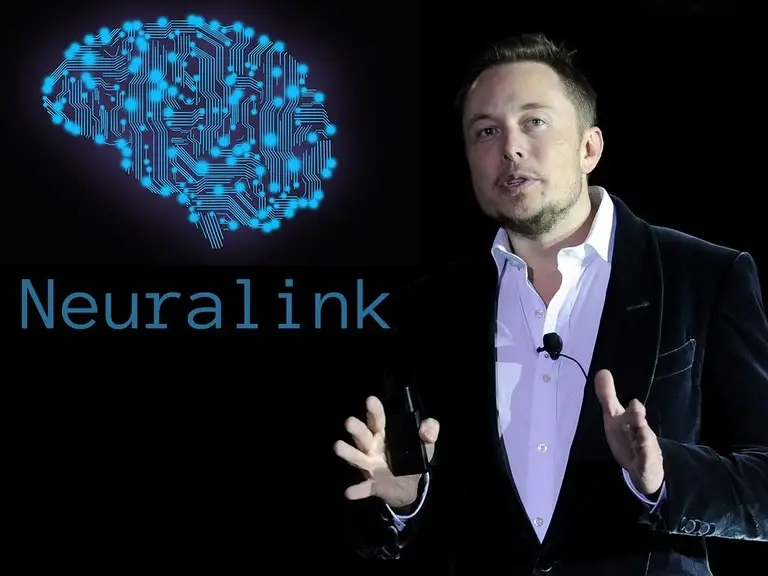
Neuralink, founded by Elon Musk, has introduced a new surgical robot designed to access any part of the human brain. The company shared the update recently, showing how the system could help build a more flexible brain-computer interface. This development is part of Neuralink’s long-term goal to connect the human brain with machines and treat neurological conditions.
What is the Neuralink surgical robot?
The surgical robot is a high-precision system that works like a micro sewing machine. It is designed to place extremely thin threads into the brain, thinner than a human hair. These threads carry electrodes, which are small sensors that can read signals from brain cells. Because the brain is delicate and moves slightly with breathing and heartbeat, the robot uses advanced cameras and sensors to avoid blood vessels. This helps reduce the risk of damage during the procedure and allows for more accurate placement of the threads.

How the brain chip works
The Neuralink system functions as a brain-computer interface, or BCI. This means it can translate brain signals into digital commands. When a person thinks about performing an action, such as moving a hand, the brain produces electrical signals. The implant captures these signals and converts them into instructions that a computer can understand. In recent demonstrations, people using the system were able to move a cursor on a screen using only their thoughts. This shows how the technology could help people with paralysis regain some level of control.
Why reaching any part of the brain matters
Earlier versions of brain implants mainly focused on areas related to movement. However, this new robot is designed to reach different regions of the brain. This could allow the technology to be used for a wider range of conditions. For example, it may help treat:
Epilepsy, which involves sudden electrical activity in the brain
Parkinson’s disease, which affects movement
Trending Stories
&im=FitAndFill=(700,400))
National Handloom Day 2026: From Alia Bhatt to Samantha Ruth Prabhu; Actresses who celebrated India's textile heritage as brides
)
The Royals enter the Doctor Who universe: King Charles and Queen Camilla beam into Commonwealth Games in TARDIS
)
Unitree Robotics targets $9 billion valuation in landmark IPO backed by DeepSeek and Tencent
)
India names 27 sites in Arunachal Pradesh
)
Bharat Bhhagya Viddhaata OTT: When will Kangana Ranaut's film stream online?
&im=FitAndFill=(700,400))
How many soldiers operate one S-400 battery?
)
Shakib Al Hasan ready to return to Bangladesh—under one condition
)
‘Fake news’: MEA rejects report claiming India sought defence pact with Israel after Pakistan, Saudi Arabia, Turkey deal
)
Rockstar to unveil GTA 6 extended look ahead of November launch
)
Russia forms Ukrainian Volunteer Spetsnaz Brigade to fight Ukraine
)
Drug-resistant fungus that hides in hair and enters bloodstream reported in 23 US states
)
Technology transfer deal boosts India's defence manufacturing ambitions
)
Border row erupts in Europe after Ceuta crossings, Spain imposes border controls on Italy
)
Morale plummets on USS Abraham Lincoln: Are US sailors reaching a breaking point? | GRAVITAS
)
'Security can't be bought with Pakistan, Turkey deal': Iran tells Saudi Arabia
)
Baba Vanga's 2026 prophecy: 2 predictions 'already came true', 3 terrifying ones remain. Details inside
)
Colombia’s new president Abelardo de la Espriella vows to ‘defeat narco-terrorists’, signals hardline shift
&im=FitAndFill=(700,400))
New Friday OTT releases (August 7, 2026): Operation Safed Sagar, Vadhandhi, Main Vaapis Aaunga- 6 movies and TV shows on Netflix, Prime Video and more
)
Squadron Leader Bhawana Kanth scripts history as Indian Air Force gets its first woman ‘Top Gun’ pilot
)
RSS says Gen Z protests reflect genuine distress
)
Trump says Iranian school bombing photos could be AI-generated - 'I don’t think...'
)
IAF officer held for sharing sensitive information in 'honey trap' case, booked under Official Secrets Act
)
Stray Kids under scrutiny? Fans react to Grammy submission silence after BTS boycott
&im=FitAndFill=(700,400))
Why the Su-30MKI doesn't need external fuel tanks to fly vast distances
)
Jugal Hansraj reunites with Shekhar Kapur after 40 years for Masoom: The Next Generation
)
New speed limits, automatic challans: Big traffic change coming to Delhi-Meerut Expressway. All you need to know
)
India officially names 27 places in Arunachal to counter China's renaming claims
)
Trump calls White House ballroom ruling a 'national disgrace' as court says Congress approval needed
)
US sanctions Iran’s crypto network after Strait of Hormuz attacks, offers $15m bounty for intel on IRGC finance
&im=FitAndFill=(700,400))
Why the Su-30MKI is one of the heaviest fighters ever built
)
Uttarakhand young innovator builds India's own flying vehicle, conducts first test flight: WATCH
)
Chilling video shows students take cover as teen opens fire at Thai school
)
Reese Witherspoon's father hospitalised after poolside incident in Nashville: Report
Mental health conditions such as depression
By targeting specific areas, the system could offer more personalised treatment options in the future.
Current status and limitations
While the technology shows potential, it is still under testing. The devices are not yet approved for general public use and remain part of ongoing clinical research.
Experts note that more studies are needed to understand long-term safety and effectiveness before the system can be widely used.
What this means for the future
Neuralink’s new robot represents a step towards more advanced brain-computer interfaces. The idea of connecting the brain directly with machines could change how certain medical conditions are treated. If successful, such systems may help people regain lost abilities and improve quality of life. However, further research and regulatory approval will play a key role in determining how quickly this technology becomes available.
