Apple iPhone Fold launch nears: markets outside US may have to wait

&imwidth=600&imheight=450&format=webp&quality=medium "Apple iPhone Fold launch nears: markets outside US may have to wait")
Apple iPhone Fold launch nears: markets outside US may have to wait
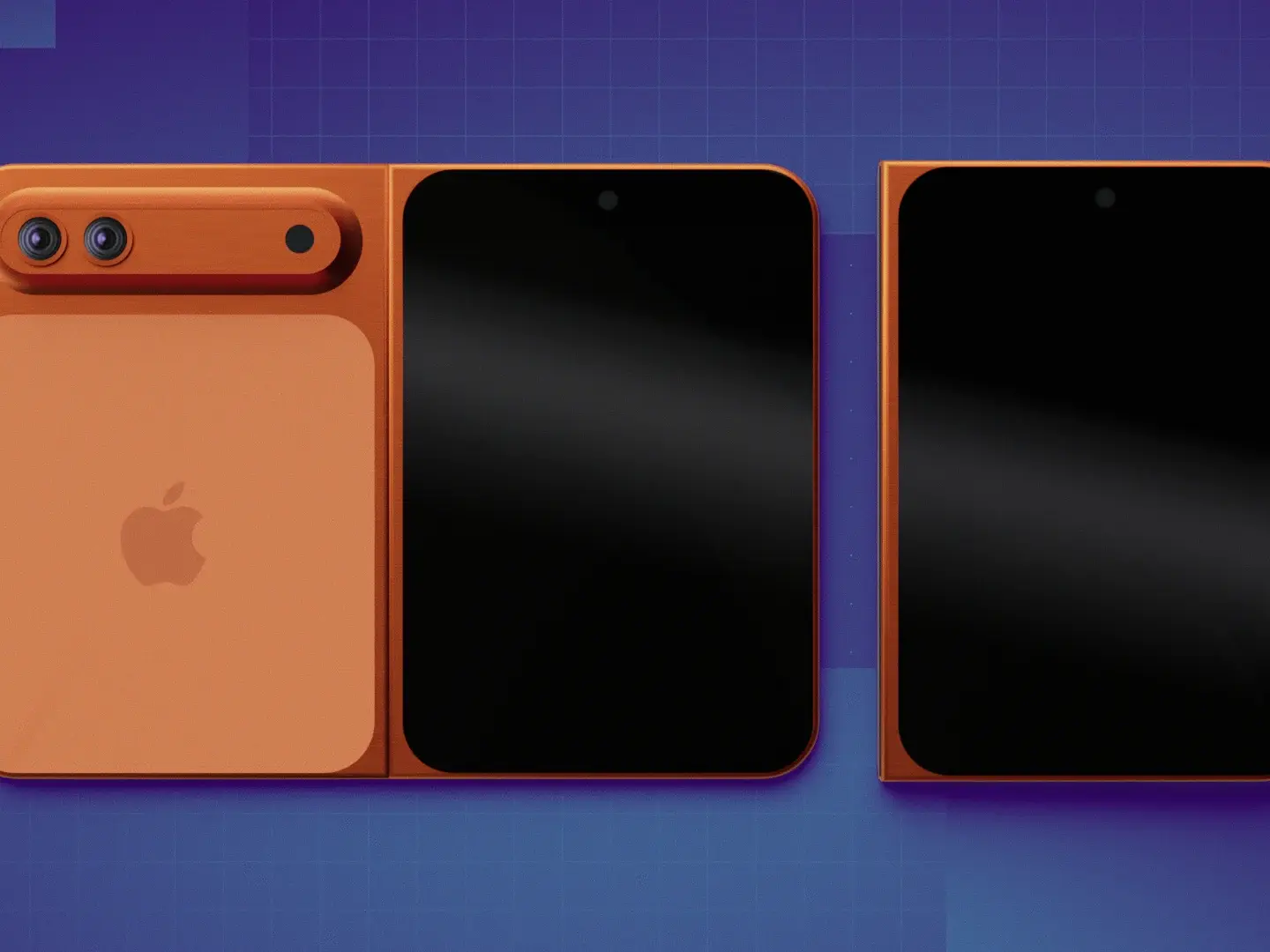
Apple’s first foldable iPhone could debut in September but reportedly launch in limited markets first. Supply, testing and pricing issues may delay availability elsewhere by two to three months, although Apple has yet to confirm the device or its rollout plans.
Apple’s first foldable iPhone is getting closer, but buyers outside the US may not be able to get it immediately. Reports suggest Apple could begin selling the iPhone Fold in a limited number of markets, with supply constraints potentially delaying its arrival elsewhere by several months. The foldable is expected to be unveiled alongside the iPhone 18 Pro, iPhone 18 Pro Max and iPhone Ultra at Apple’s September event. However, production problems, high costs and limited supply are reportedly complicating the launch.
Why could the iPhone Fold be delayed?
A China-based supplier cited by Australian outlet Channel News reportedly said Apple is dealing with supply, testing and pricing problems. Production verification testing has also allegedly uncovered issues involving the hinge and foldable display. Mass production was reportedly planned for June but was pushed to early August, with the timeline facing further changes.
The claims have not been confirmed by Apple.
Analyst Ming-Chi Kuo has separately suggested that the foldable may not be immediately available worldwide because of limited supply. Bloomberg’s Mark Gurman has also indicated that the device could ship after the iPhone 18 Pro models. That would not be entirely new for Apple. The iPhone X, unveiled in September 2017, went on sale later than the iPhone 8.
US buyers could get priority
Reports suggest Apple could manufacture around 7 million iPhone Fold units during the second half of 2026, with the US expected to be among the first markets to receive the device. China could follow, while markets such as Australia may have to wait. The reported delay for some countries could be two to three months. It remains unclear whether India would be included in the first wave or a later rollout. For Apple, the limited supply would come at a crucial moment. The company is entering a foldable market already dominated by Samsung, which recently expanded its own foldable range.
Trending Stories
&im=FitAndFill=(700,400)&imwidth=280&imheight=210&format=webp&quality=medium)
&imwidth=280&imheight=210&format=webp&quality=medium)
&imwidth=280&imheight=210&format=webp&quality=medium)
&imwidth=280&imheight=210&format=webp&quality=medium)
&imwidth=280&imheight=210&format=webp&quality=medium)
&imwidth=280&imheight=210&format=webp&quality=medium)
&imwidth=280&imheight=210&format=webp&quality=medium)
&imwidth=280&imheight=210&format=webp&quality=medium)
&imwidth=280&imheight=210&format=webp&quality=medium)
&imwidth=280&imheight=210&format=webp&quality=medium)
&imwidth=280&imheight=210&format=webp&quality=medium)
&imwidth=280&imheight=210&format=webp&quality=medium)
&imwidth=280&imheight=210&format=webp&quality=medium)
&imwidth=280&imheight=210&format=webp&quality=medium)
&imwidth=280&imheight=210&format=webp&quality=medium)
&imwidth=280&imheight=210&format=webp&quality=medium)
&imwidth=280&imheight=210&format=webp&quality=medium)
&imwidth=280&imheight=210&format=webp&quality=medium)
&imwidth=280&imheight=210&format=webp&quality=medium)
&imwidth=280&imheight=210&format=webp&quality=medium)
&imwidth=280&imheight=210&format=webp&quality=medium)
&im=FitAndFill=(700,400)&imwidth=280&imheight=210&format=webp&quality=medium)
&imwidth=280&imheight=210&format=webp&quality=medium)
&imwidth=280&imheight=210&format=webp&quality=medium)
&imwidth=280&imheight=210&format=webp&quality=medium)
&imwidth=280&imheight=210&format=webp&quality=medium)
&imwidth=280&imheight=210&format=webp&quality=medium)
&imwidth=280&imheight=210&format=webp&quality=medium)
&im=FitAndFill=(700,400)&imwidth=280&imheight=210&format=webp&quality=medium)
&imwidth=280&imheight=210&format=webp&quality=medium)
&imwidth=280&imheight=210&format=webp&quality=medium)
&imwidth=280&imheight=210&format=webp&quality=medium)
The biggest question may be the price
Supply is not the only concern. The iPhone Fold is expected to be significantly more expensive than conventional iPhones. That comes as smartphone manufacturers face higher component costs, particularly for memory chips as demand from AI data centres continues to rise. Apple has not confirmed the iPhone Fold, its price or its release schedule. Until the company takes the stage, the reported September 8 unveiling and possible staggered rollout remain unconfirmed. But if the reports prove accurate, seeing Apple’s first foldable iPhone in September may be easier than actually buying one.
