World Cup 2023: Fourth umpire reveals Angelo Mathews was timed out even before helmet strap became an issue


Angelo Mathews became the first player to be timed out in international cricket
Fourth umpire Adrian Holdstock has cleared the air regarding the timed out dismissal of Angelo Mathews which has birthed a new controversy across the cricketing landscape. Speaking to Ian Bishop during the mid-innings show,Holdstock saidMathews had arrived at the crease after the two minute period had elapsed.
During the World Cup match between Sri Lanka and Bangladesh at the Arun Jaitley Stadium in Delhi, Mathews was adjudged timed out and had to return to the pavilion after he did not face a ball within the two-minute period, as stipulated in the tournament laws.
"ICC World Cup playing conditions supersede the MCC laws of cricket.When it comes to timedout, at the fall of a wicket, or even retirement of a batter, the incoming batterhas to be in positionand ready to receive the ball within two minutes, or his other partner to receive the ball in two minutes," explainedHoldstock.

A section of fans defended Mathews saying he had arrived at the crease within two minutes and that equipment malfunction should not be treated as a reason for the timed out dismissal. However, Holdstock refuted such claims.
"We have certain protocols where the TV umpire at the fall of the wicket, monitors the two minutes. And he will then relay the message to the on-field umpires. And in the instance this afternoon, the batter wasn't ready to receive the ball within thosetwo minutes, even before the strap became an issue for him," said the fourth umpire.
"Yes, that's correct, the twominutes had already elapsed before he had received the next delivery," he added.
)
Infections transmitted from pregnant woman linked to autism risk
)
Justice eludes Air India 1985 bombing victims as Canada probe goes 'inactive' | Gravitas
)
'What kind of confession is this?': Pakistan PM Shehbaz Sharif’s 'terrorists would be roaming New York' remark goes viral, raises alarm online. Watch
)
Over 4,200 books withdrawn from circulation in J&K colleges, 94% from Kashmir
)
Bomb scare in New York amid UNGA: Suspicious suitcase found near UN headquarters
)
WION Iconic Tourism Summit and Iconic Awards 2026: India's travel economy leaders gather in Delhi
)
Oil slips to $98 as Saudi Arabia restarts East-West oil pipeline
)
Trump signs Greenland security deal with Denmark, paving way for two new US military bases
&im=FitAndFill=(700,400))
National Film Awards 2026: Kartik Aaryan, Mammootty, Yami Gautam, Randeep Hooda and other key winners
)
Trump calls on nations to quit ‘rogue’ and ‘out-of-control’ International Criminal Court, rips UN
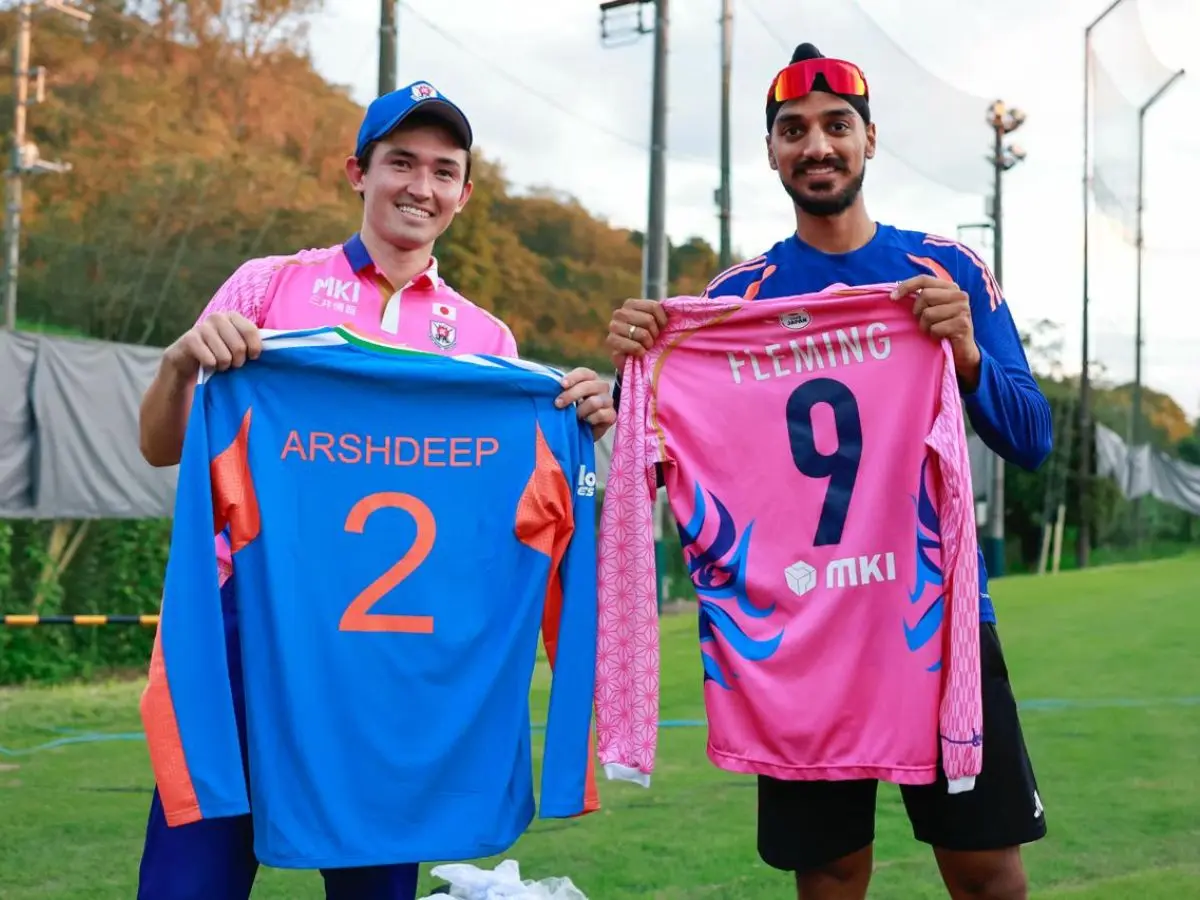)
IND vs JPN, one-off T20I: Japan captain Kendel on pushing India to the brink - ‘It was special’
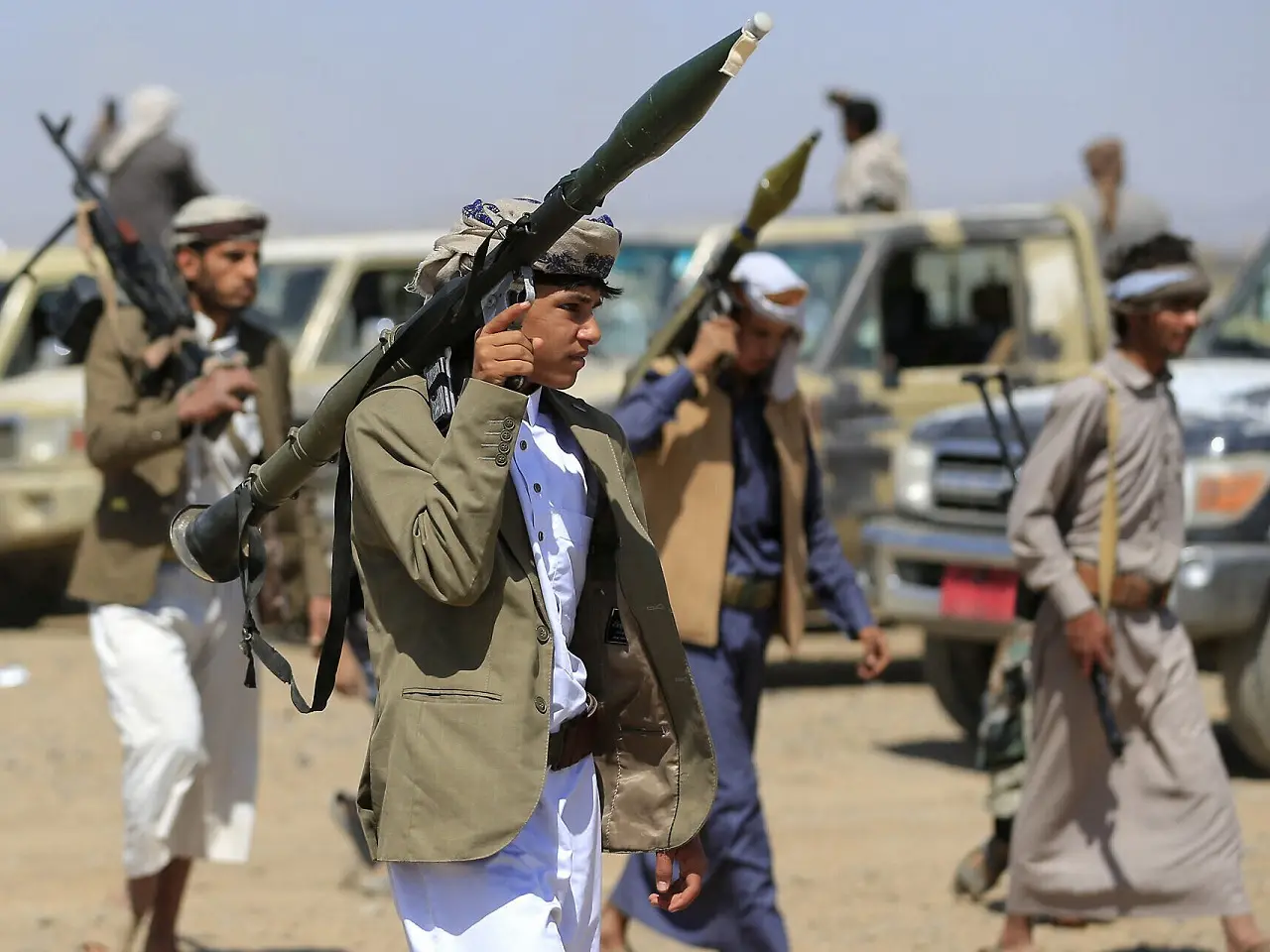)
Yemen clashes kill 154 people in two days as cornered Saudi battles Houthi offensive | Gravitas
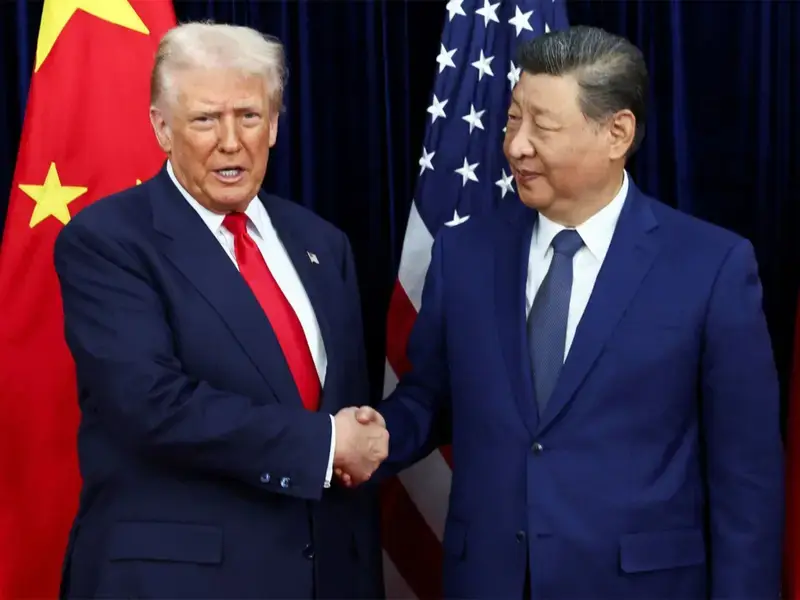)
'Taiwan and human rights are red lines': China warns US ahead of Xi-Trump visit
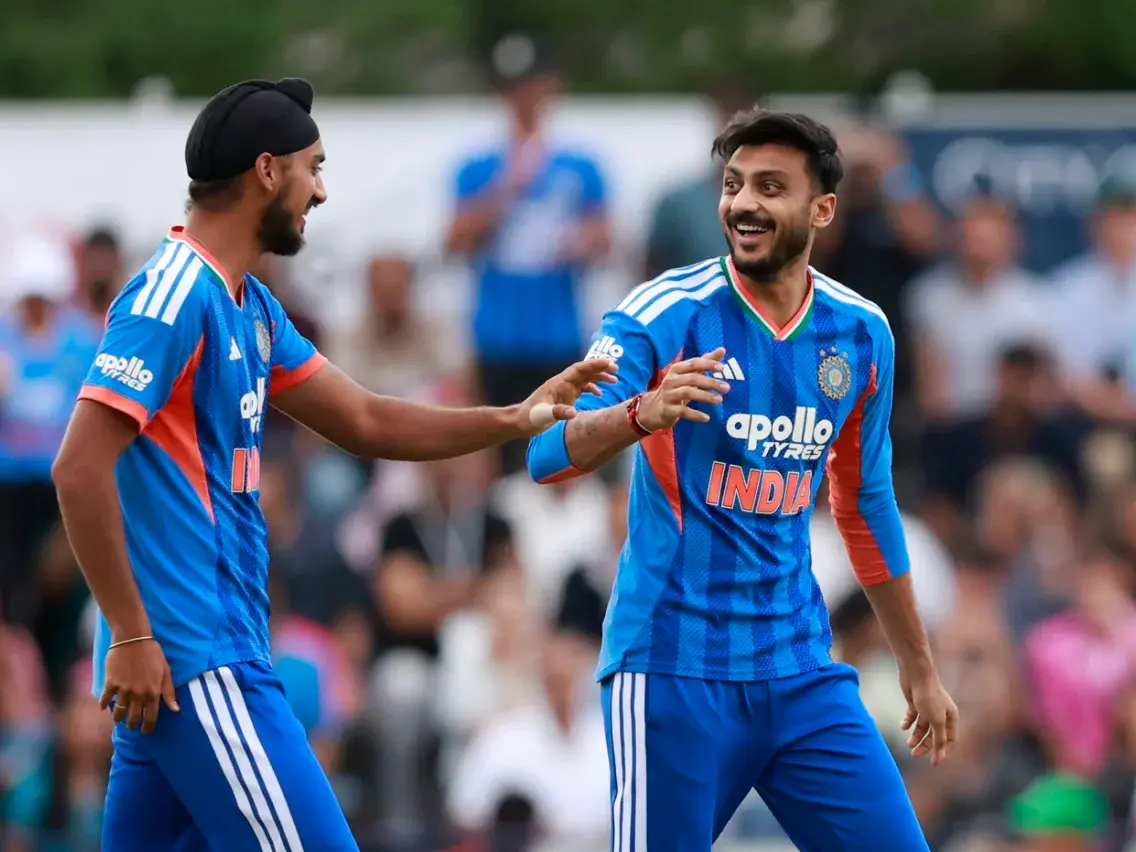)
IND vs JPN T20I: How an overturned wide became point of difference between India's win and a tie
)
IIT Bombay professor Suryanarayana Doolla sent on leave amid Sahil Wakode death probe
)
Trump revives India-Middle East-Europe economic corridor as India emerges central to West Asia’s future: What is it?
)
Nor'easter could batter 13 US states this week. What you should know
)
ICC plans T20I expansion and fewer ODIs in 2027–2031 FTP cycle: Report
&im=FitAndFill=(700,400))
New OTT releases this week (September 21-27, 2026): Shaque: Trust No One, Hunkkaar, Don’t Be Shy- 5 new titles coming to Netflix, Prime Video and more
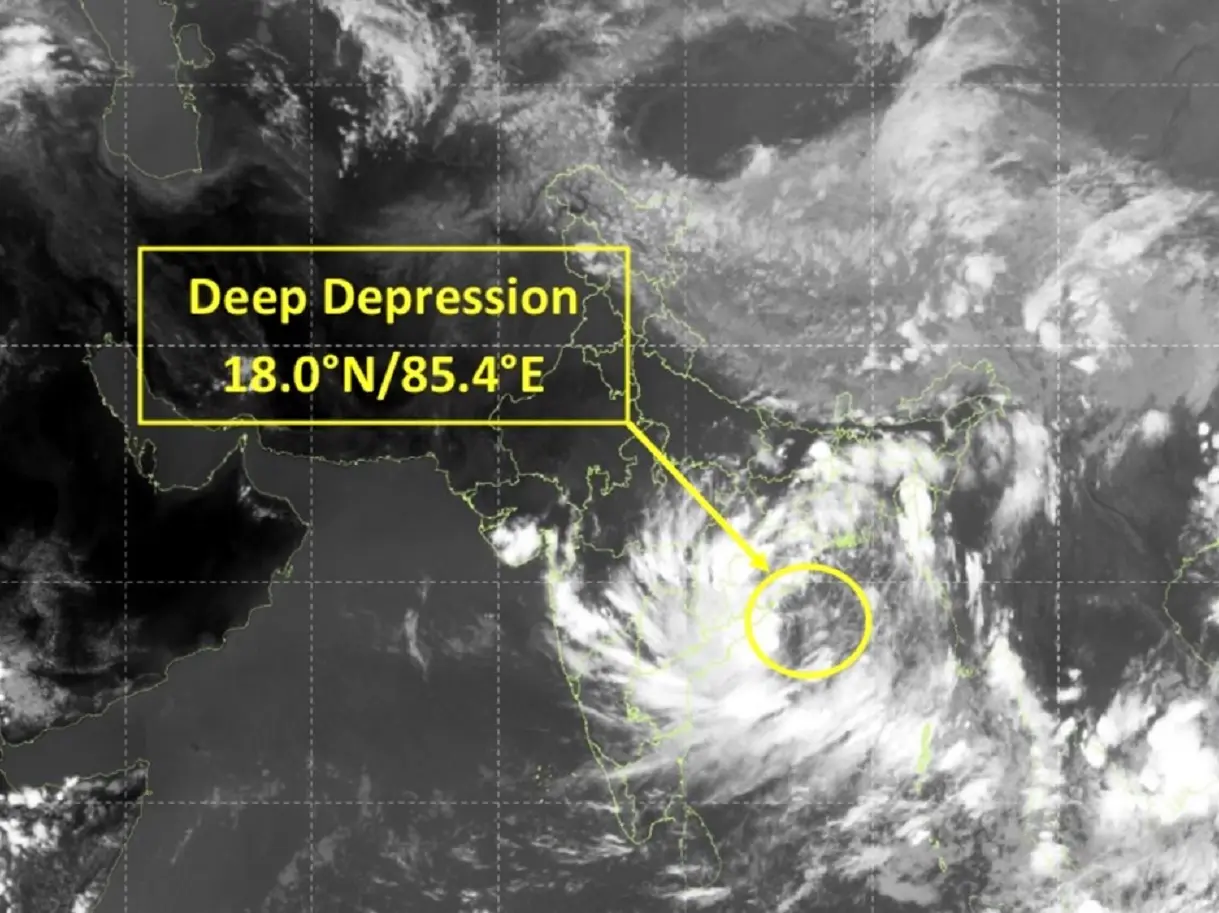)
Cyclone Arnab: Landfall expected before midnight tomorrow as IMD issues orange alerts across six states
)
81st UN General Assembly: Burnham announces UK-US AI defence tie-up
)
Anne Hathaway to run in supporting race for Nolan's epic
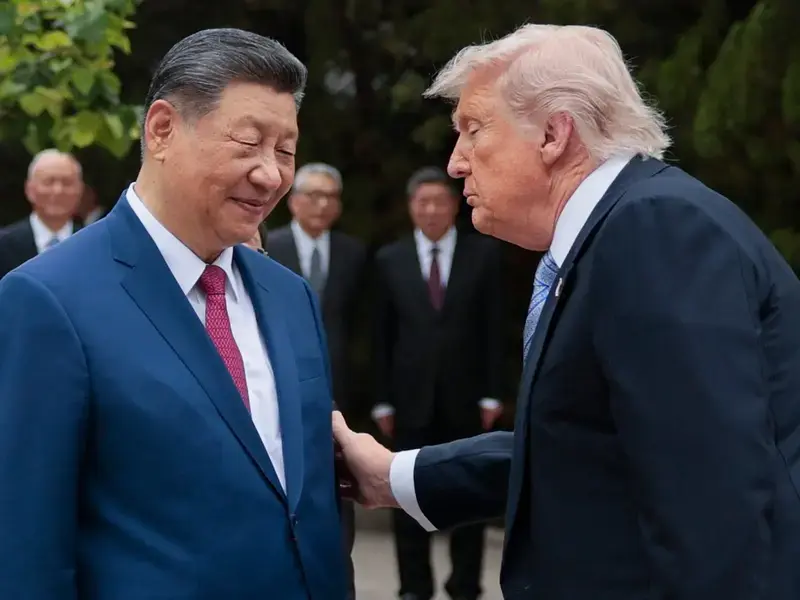)
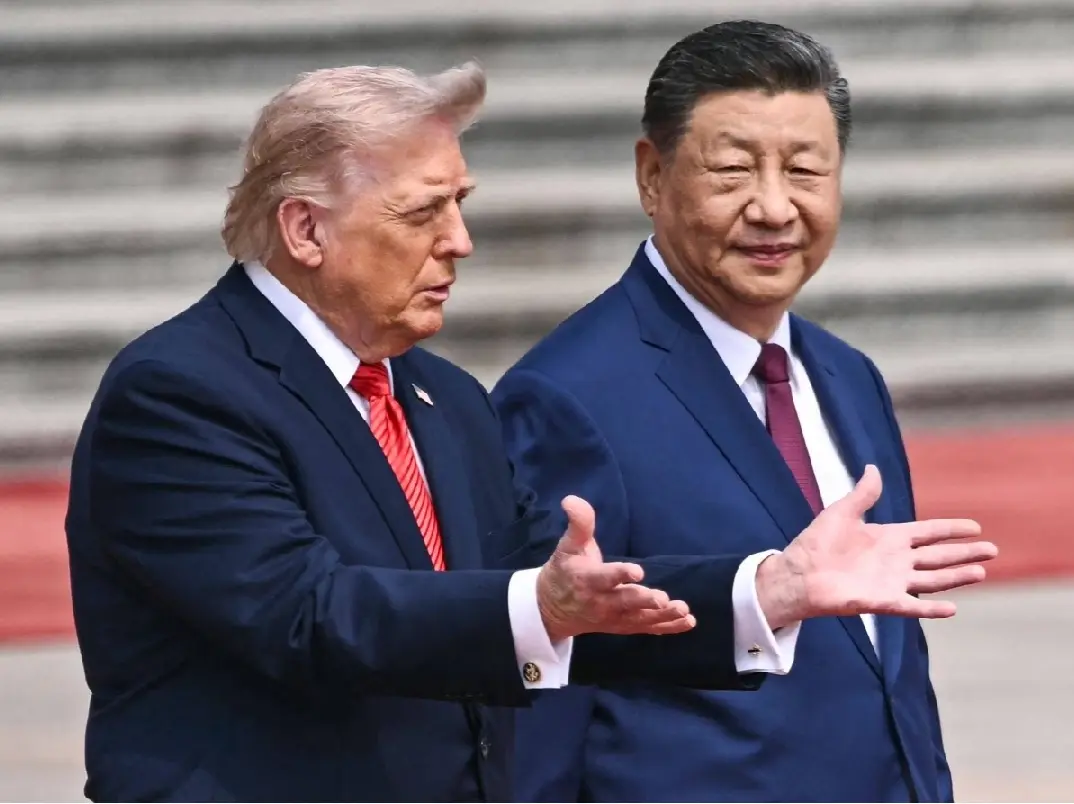
Trump-Xi summit: From trade to Taiwan, what will the US and Chinese presidents discuss in Washington?
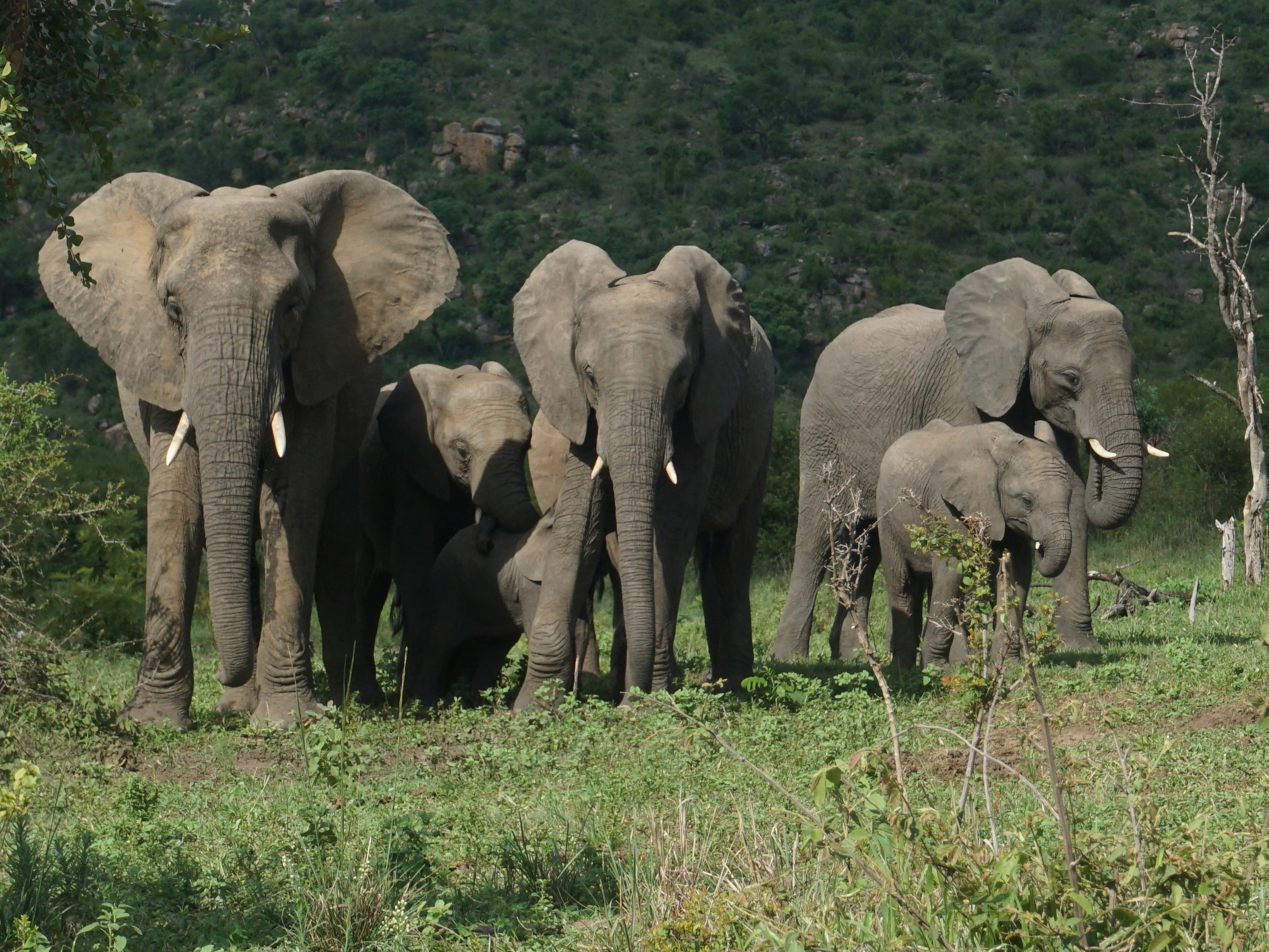)
Elephants hide behind trees, stage surprise attack on poachers targeting rhinos in South Africa
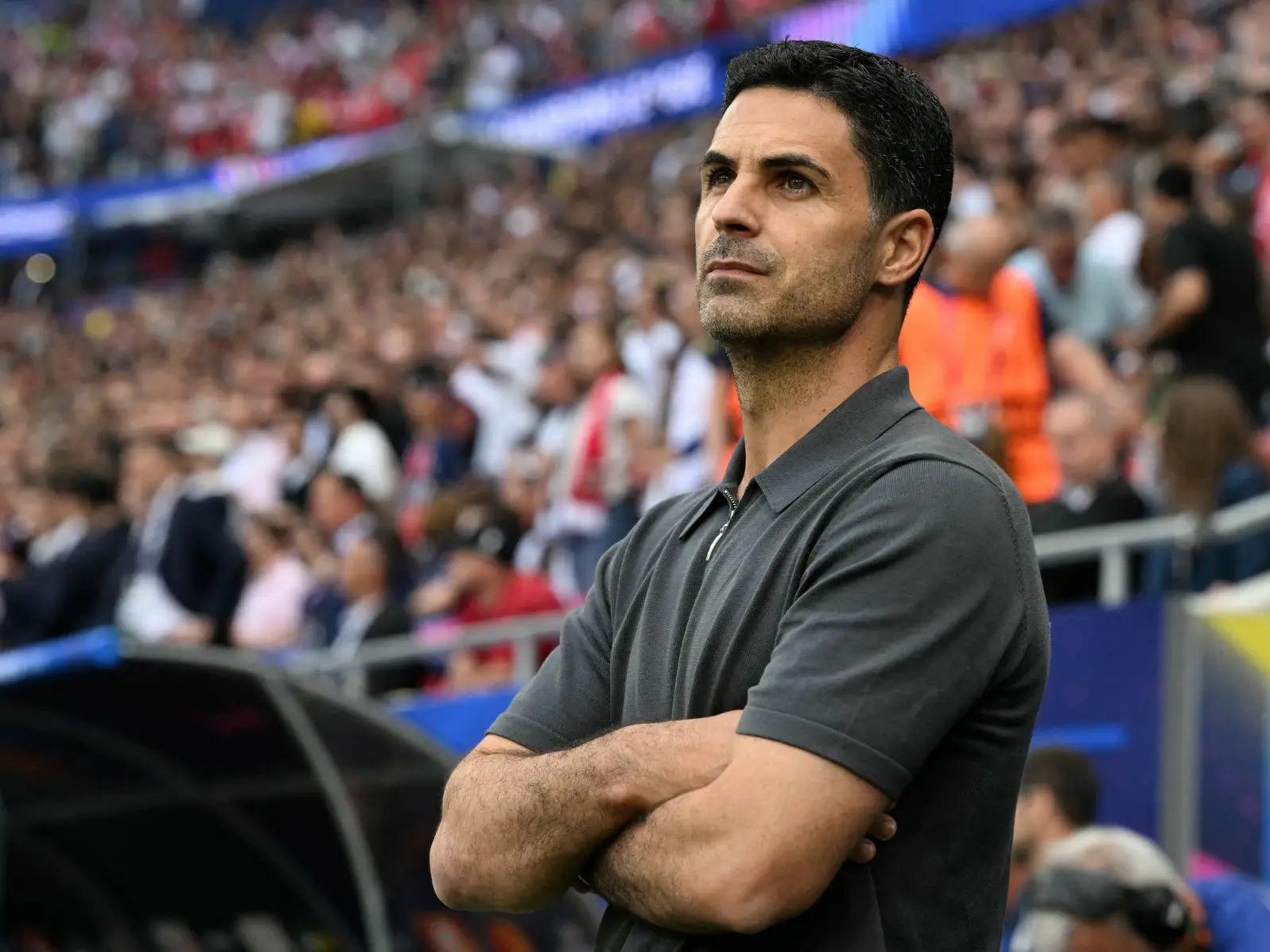)
Mikel Arteta verbally agrees to three-year extension with Arsenal after title-winning Premier League season
)
Gravitas | Boosting NHS productivity could save 20,600 lives in UK annually: Report
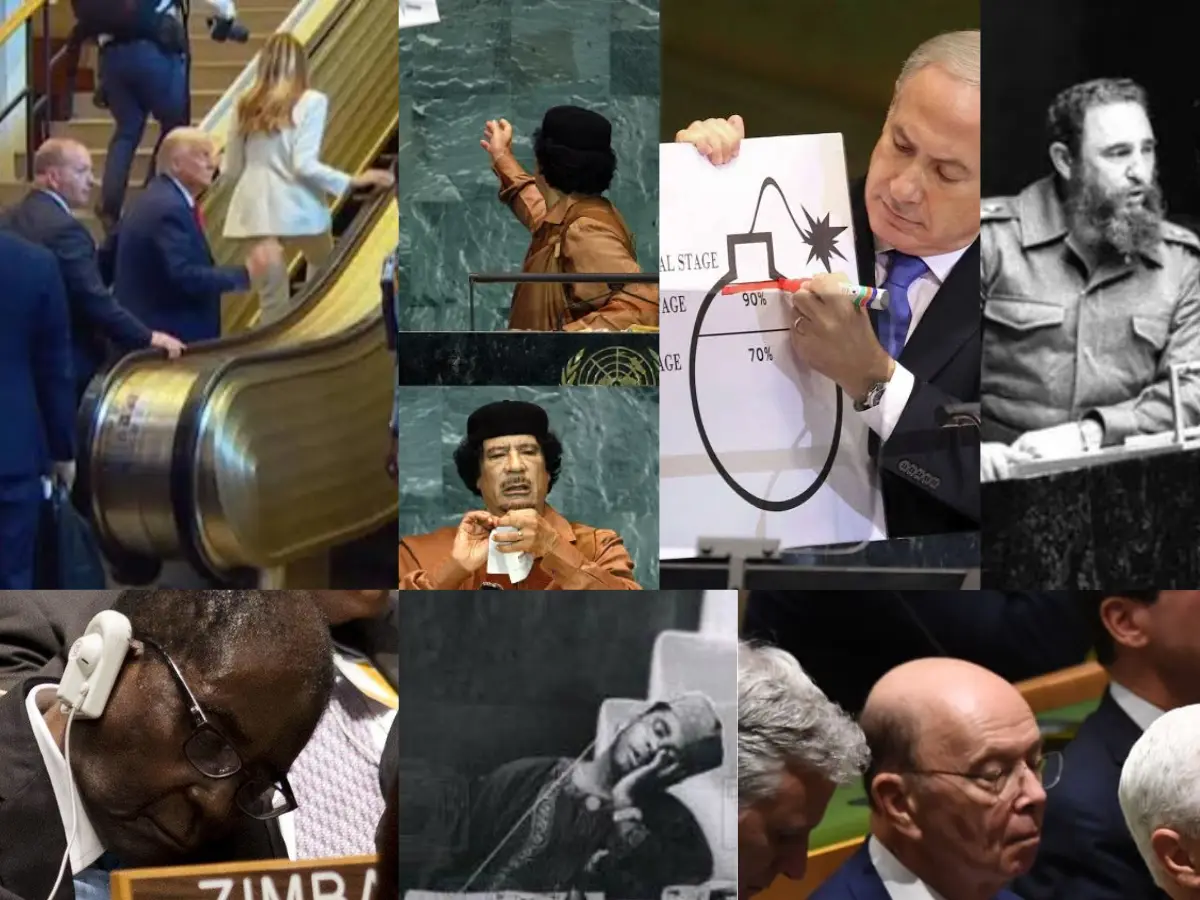)
From Gaddafi tearing up UN Charter to Trump’s ‘escalatorgate’: Most unforgettable UNGA moments
)
Asia prepares for record El Nino, food shock
)
US and China vie for AI dominance as calls grow for regulation | Gravitas
)
Four female students raped during 'Red Zone' at California university. What we know
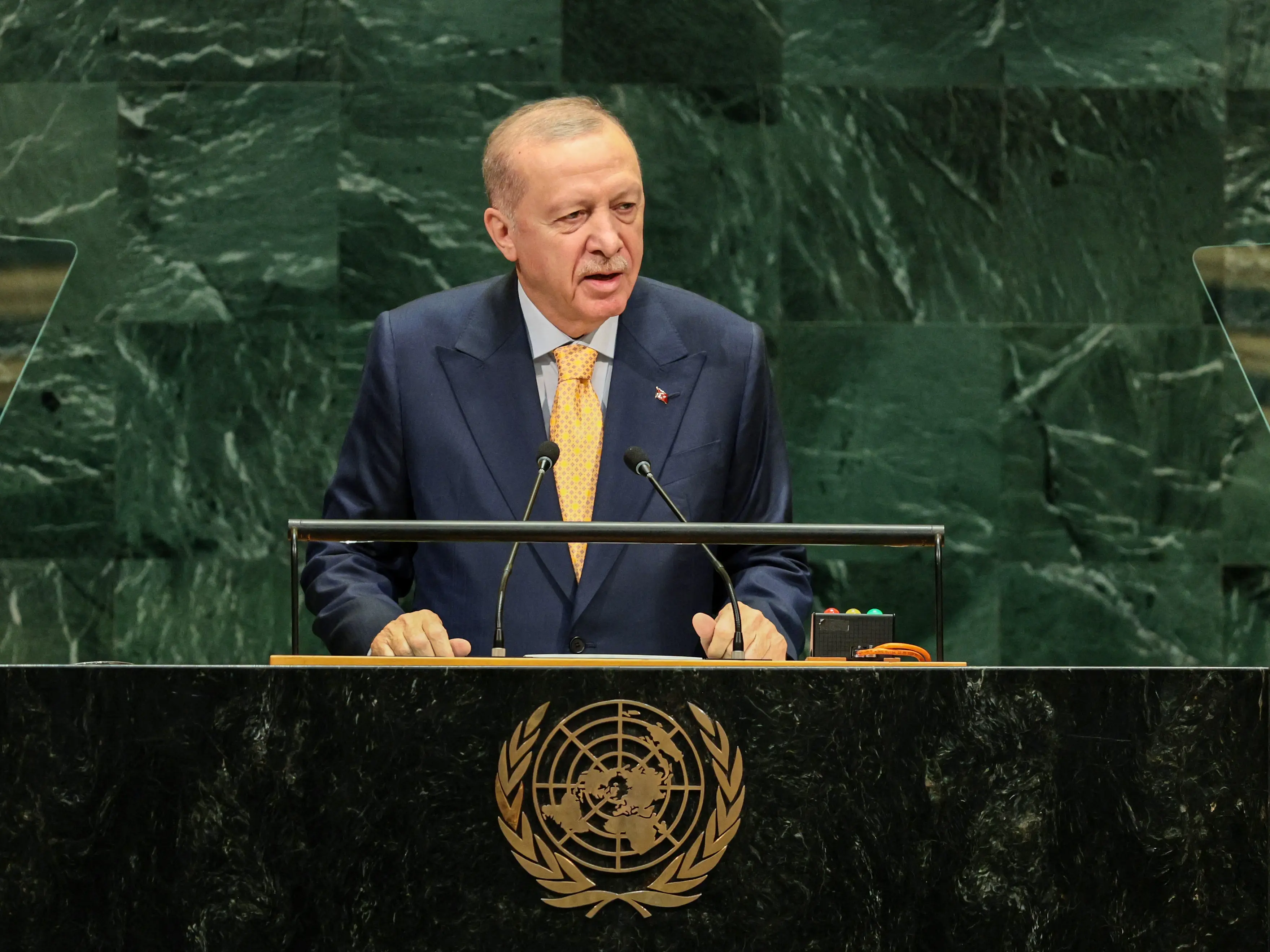)
Erdogan again raises Kashmir issue at UNGA, calls for dialogue under UN Charter
)
Raaka creates history! Allu Arjun’s film secures Guinness World Record ahead of release
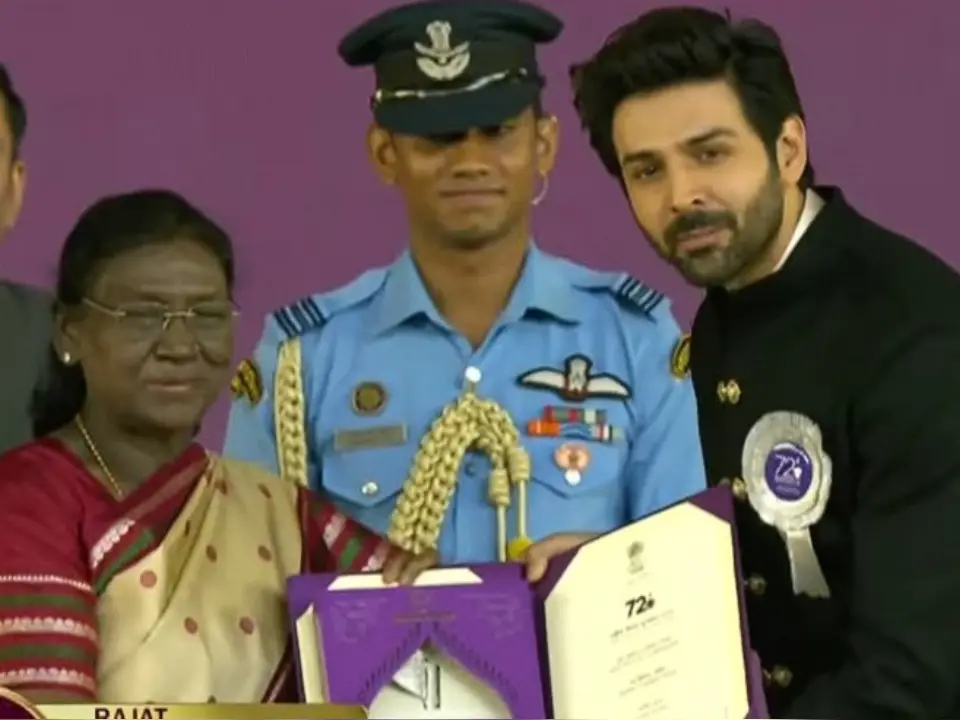)
'Mumma’s boy from Gwalior who dared to dream': Kartik Aaryan pens long note after first National Award win
)
WION Iconic Tourism Summit and Awards 2026: Key voices to discuss India’s tourism future
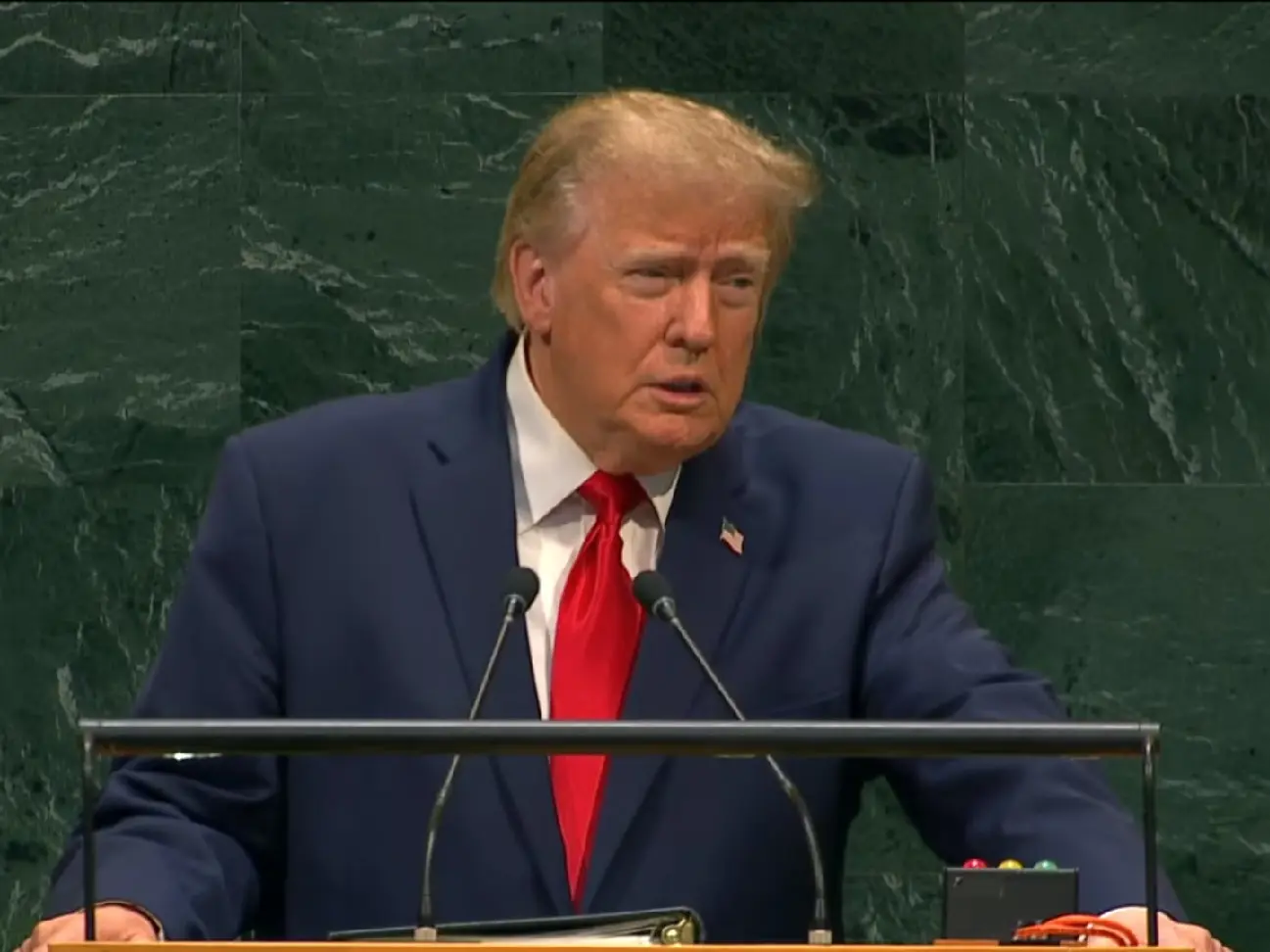)
‘Strike a deal or drive Iran into hell’: Trump issues fresh warning to Tehran at UNGA
)
US-China tech war: Businesses in the front line
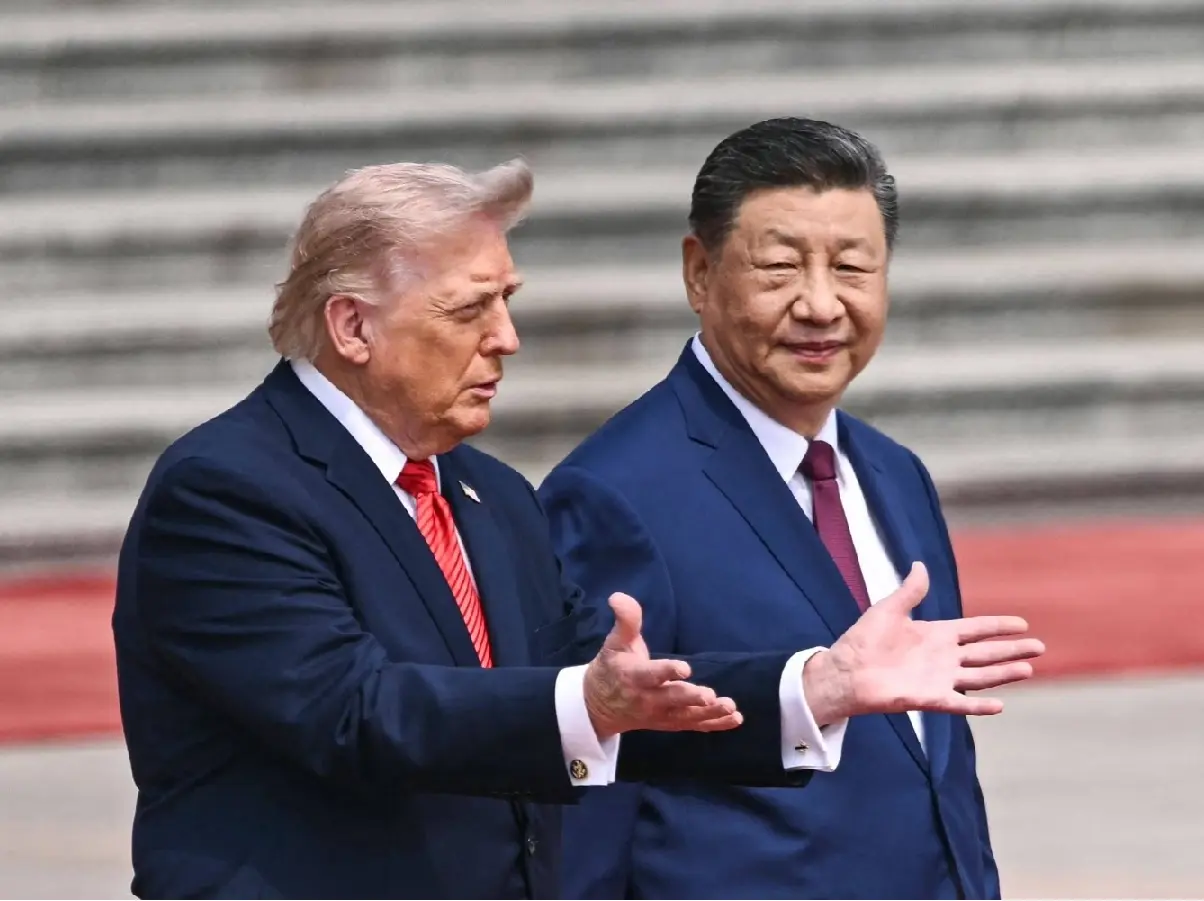)
Explainer: Why rare-earth export licences and Board of Trade are US priorities ahead of Trump-Xi summit
Holdstock's advice to batters
Holdstock revealed it was Bangladesh captain Shakib Al Hasan who raised the appeal to on-field umpire Marais Erasmus.
"According to laws, the fielding captain initiated the appeal to Erasmus who was the stand-in umpire that he wants to appeal for timed out. Just after the strap came loose, the fielding captainappealed for timed out."
Further explaining that the two-minute law states that a player had to face the ball within this period, not just arrive at the crease.
"As a batter, you need to make sure you have all your equipment in place, in order to make sure you get here. Actually, you have to be ready to receive the ball within two minutes - not get ready or prepare to take your guard. Technically, you should be there within 15 seconds to make sure all these things are in place before you actually receive the ball."
Before Mathews' dismissal, a batter hadbeen timed out only six times in any format, albeit in first-class cricket only.
(With inputs from agencies)