The making of Vaibhav Sooryavanshi: How India's cricket ecosystem creates teenage superstars

&imwidth=600&imheight=450&format=webp&quality=medium "The making of Vaibhav Sooryavanshi: How India's cricket ecosystem creates teenage superstars")
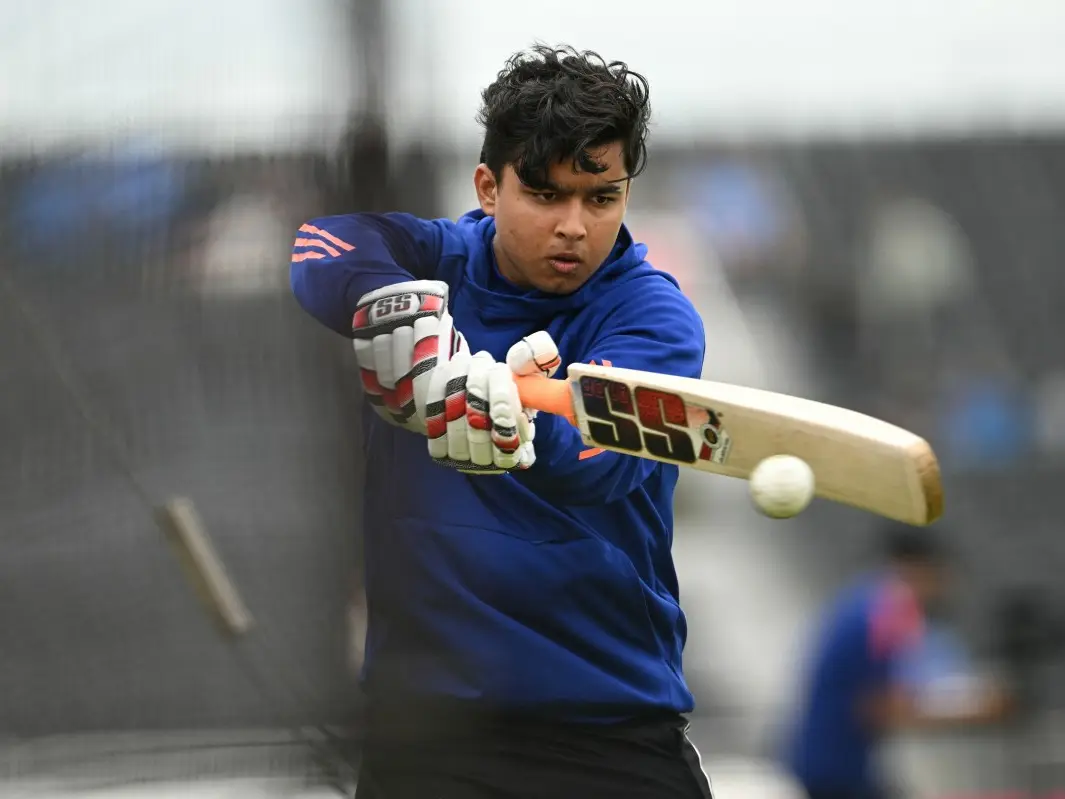
Vaibhav Sooryavanshi Photograph: (AFP)
Teenage sensation Vaibhav Sooryavanshi's journey is more than extraordinary talent. It reflects India's robust cricket ecosystem, BCCI's grassroots vision, quality coaching, domestic competitions and relentless family support
When Vaibhav Sooryavanshi walked onto the international stage as a teenager, the spotlight naturally fell on his extraordinary talent. Social media celebrated the fearless youngster, fans marvelled at his composure, and cricket experts spoke about his limitless potential. But beneath every teenage sensation lies a story that stretches far beyond individual brilliance. International debuts at such a young age are rarely accidents. They are the outcome of years of meticulous planning, relentless hard work, informed coaching, unwavering family support and, perhaps most importantly, a sporting ecosystem capable of recognising and nurturing talent before the rest of the world even notices it.
Vaibhav Sooryavanshi's rise is not just his personal success story. It is also a reflection of how Indian cricket has evolved into arguably the world's most efficient talent-production system, where gifted youngsters are identified early, tested rigorously and prepared for the biggest stage long before they receive an India cap. For decades, Indian cricket possessed an abundance of talent but lacked a seamless pathway from grassroots cricket to the national team. Today, that journey is significantly more structured. A promising youngster can begin at district level, graduate through state cricket, compete in age-group tournaments, represent India at junior level, impress in domestic competitions and eventually earn national selection.
At the heart of this transformation is the Board of Control for Cricket in India (BCCI), whose sustained investment in domestic cricket and grassroots development has fundamentally changed the landscape of Indian cricket. The board's emphasis on competitive age-group tournaments, stronger state associations, improved facilities, better coaching standards and wider scouting networks has ensured that talent is discovered regardless of geography.
Not long ago, cricketers from smaller towns often struggled to gain visibility despite possessing immense potential. Today, performances in age-group tournaments are closely monitored, scouts travel extensively across the country, and state associations have become significantly more proactive in identifying young talent. Whether a youngster comes from Mumbai, Ranchi, Patna or a remote district, consistent performances now speak louder than reputation.
This merit-based system has become one of Indian cricket's greatest strengths. However, infrastructure alone does not produce international cricketers. Behind every teenage prodigy is a family that chooses belief over comfort. Long before television cameras arrive, parents become chauffeurs, financiers, nutritionists, motivators and emotional anchors. They sacrifice weekends, careers, savings and personal aspirations to ensure that their child's dream remains alive.
Trending Stories
&imwidth=280&imheight=210&format=webp&quality=medium)
&imwidth=280&imheight=210&format=webp&quality=medium)
&imwidth=280&imheight=210&format=webp&quality=medium)
&imwidth=280&imheight=210&format=webp&quality=medium)
&imwidth=280&imheight=210&format=webp&quality=medium)
&imwidth=280&imheight=210&format=webp&quality=medium)
&imwidth=280&imheight=210&format=webp&quality=medium)
&imwidth=280&imheight=210&format=webp&quality=medium)
&imwidth=280&imheight=210&format=webp&quality=medium)
&imwidth=280&imheight=210&format=webp&quality=medium)
&imwidth=280&imheight=210&format=webp&quality=medium)
&imwidth=280&imheight=210&format=webp&quality=medium)
&imwidth=280&imheight=210&format=webp&quality=medium)
&imwidth=280&imheight=210&format=webp&quality=medium)
&imwidth=280&imheight=210&format=webp&quality=medium)
&imwidth=280&imheight=210&format=webp&quality=medium)
&imwidth=280&imheight=210&format=webp&quality=medium)
&imwidth=280&imheight=210&format=webp&quality=medium)
&imwidth=280&imheight=210&format=webp&quality=medium)
&imwidth=280&imheight=210&format=webp&quality=medium)
&imwidth=280&imheight=210&format=webp&quality=medium)
&imwidth=280&imheight=210&format=webp&quality=medium)
&imwidth=280&imheight=210&format=webp&quality=medium)
&imwidth=280&imheight=210&format=webp&quality=medium)
&imwidth=280&imheight=210&format=webp&quality=medium)
&imwidth=280&imheight=210&format=webp&quality=medium)
&imwidth=280&imheight=210&format=webp&quality=medium)
&imwidth=280&imheight=210&format=webp&quality=medium)
&imwidth=280&imheight=210&format=webp&quality=medium)
&imwidth=280&imheight=210&format=webp&quality=medium)
&imwidth=280&imheight=210&format=webp&quality=medium)
&imwidth=280&imheight=210&format=webp&quality=medium)
&imwidth=280&imheight=210&format=webp&quality=medium)
&imwidth=280&imheight=210&format=webp&quality=medium)
&im=FitAndFill=(700,400)&imwidth=280&imheight=210&format=webp&quality=medium)
&imwidth=280&imheight=210&format=webp&quality=medium)
&imwidth=280&imheight=210&format=webp&quality=medium)
&imwidth=280&imheight=210&format=webp&quality=medium)
&imwidth=280&imheight=210&format=webp&quality=medium)
Equally indispensable are coaches, whose influence extends far beyond correcting batting techniques or improving footwork. The best coaches recognise that developing an international athlete requires building character as much as skill. Technical excellence can take a batter to domestic cricket; mental resilience often determines whether he succeeds internationally. Vaibhav's development reflects this philosophy. Every young cricketer entering elite cricket today is exposed to structured coaching, video analysis, specialised fitness programmes, sports science and data-driven performance evaluation from an early age. These are advantages that previous generations could only dream of.
Yet perhaps the greatest strength of Indian cricket lies in its domestic competitions. The transition from junior cricket to international cricket is often considered the most difficult phase in a player's career. India's domestic structure has helped bridge that gap well. Age-group tournaments such as the Vijay Merchant Trophy, Vinoo Mankad Trophy and Cooch Behar Trophy expose youngsters to high-quality competition from across the country.
Unlike many cricketing nations where exceptional teenagers are fast-tracked with limited competitive exposure, India's pathway requires sustained excellence over multiple seasons. Every run, every innings and every tournament becomes another examination. By the time a youngster reaches the international team, he has already experienced pressure situations remarkably similar to those encountered at the highest level.
Young players now share dressing rooms with international stars, interact with some of the finest coaches in world cricket, understand modern tactical approaches and gain exposure to elite professional environments much earlier than previous generations. The learning curve has accelerated dramatically. What once took five or six years of international cricket to understand can now be absorbed by a teenager during a single domestic season or franchise tournament.
Vaibhav Sooryavanshi is the latest product of that system, a fearless teenager carrying immense promise. More importantly, he is proof that when family, coaching, domestic cricket, infrastructure and institutional vision work in harmony, age becomes just another number.

