SA vs PAK, 2nd Test: Rizwan survives hit-wicket appeal on last ball of day. Was he out?

&imwidth=600&imheight=450&format=webp&quality=medium "SA vs PAK, 2nd Test: Rizwan survives hit-wicket appeal on last ball of day. Was he out?")
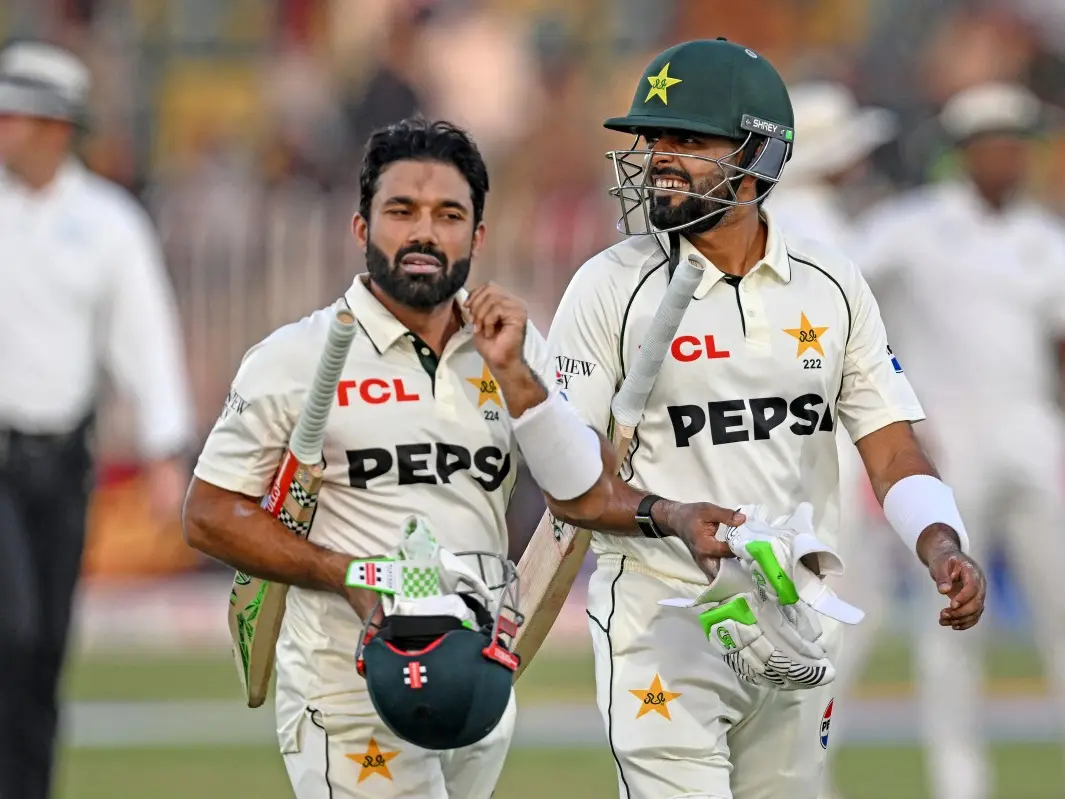
Rizwan survives hit-wicket appeal on last ball of day Photograph: (AFP)
The South Africans appealed for a hit-wicket but the on-field umpires shut it as the players walked into the dressing room. The incident triggered the debate around the decision of umpires and what makes a batter get out hit-wicket.
The final ball of day 3 (Oct 22) in second Test between South Africa and Pakistan in Rawalpindi saw a huge dramatic episode involving Mohammad Rizwan. The incident involved Rizwan knocking at the base of stumps after facing the last ball which dislodged the bails. The South Africans appealed for a hit-wicket but the on-field umpires shut it as the players walked into the dressing room. The incident triggered the debate around the decision of umpires and what makes a batter get out hit-wicket as per the ICC rules.
How can batter be adjudged hit-wicket as per ICC
Despite Rizwan knocking the bails off, which he did after what was the final delivery of the day, the ball was still not dead. Here's what the ICC rules say on when can a batter be adjudged out hit-wicket (only after the bowler has entered the delivery stride):
- In the course of any action taken by them in preparing to receive or in receiving a delivery
- In setting off for the first run immediately after playing or playing at the ball
- If no attempt is made to play the ball, in setting off for the first run
- In lawfully making a second or further stroke for the purpose of guarding their wicket
What did Rizwan do?
Trending Stories
)
)
)
)
)
)
)
)
)
)
)
)
)
)
)
)
)
)
)
)
)
)
)
)
)
)
)
)
&im=FitAndFill=(700,400))
)
)
)
)
)
)
)
)
Rizwan did knock the bails off but didn't check any of the above points below and hence the umpires may have killed the appeal by the South Africans. The visitors didn't look too flustered with the umpires' decision either. The incident, however, could become bigger if Rizwan, who is unbeaten along with Babar Azam, helps Pakistan stretch their second innings lead to a substantial score than the current 23 runs with four wickets down.

