Nearly 10% of Premier League and EFL players have experienced bullying, 5% had suicidal thoughts

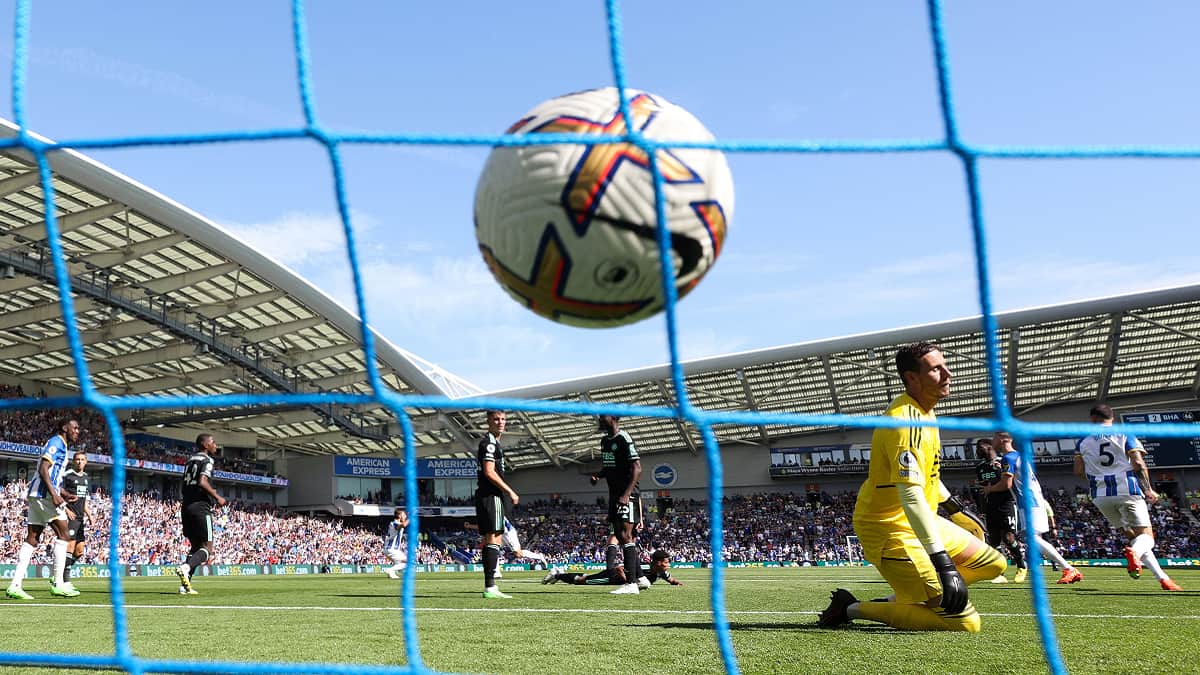
Almost 10% players in the Premier League and EFL admitted to have experienced bullying.
Highlighting the challenges faced by professional football players competing at the highest level, a survey by the Professional Footballers’ Association revealed nearly 10% of the players playing in the English Premier League and the English Football League (EFL) have experienced bullying during their careers. Almost 5% of the payers admitted to having suicidal thoughts at some point of time in their careers
One of the toughest football leagues in the world, the Premier League is home to some of the best footballers from around the globe. However, incidents of racism and social media abuse have marred the league over the years and have impacted several top players. Players have also admitted to having faced mental health issues in their personal and professional lives.
As per the survey conducted by PFA, 79 out of the 843 male players in the EFL and the Premier League admitted to having experienced bullying in their careers. 40 players admitted they has suicidal thoughts and were ready to take their lives at some point.

The survey which was conducted through well-being workshops at the clubs throughout last season found out several players were against getting vaccinated for COVID-19 and felt pressured into getting jabbed. 189 out of the 843 players who were surveyed also opened up about facing severe anxiety and admitted they feared something bad might happen.
The data found in the survey was released by PFA on World Mental Health Day on October 10 and brought forward the dark side of professional football. It showcases how athletes who appear tough from the outside undergo severe stress mentally and face multiple challenges throughout their careers
&imwidth=180&imheight=135&format=webp&quality=medium)
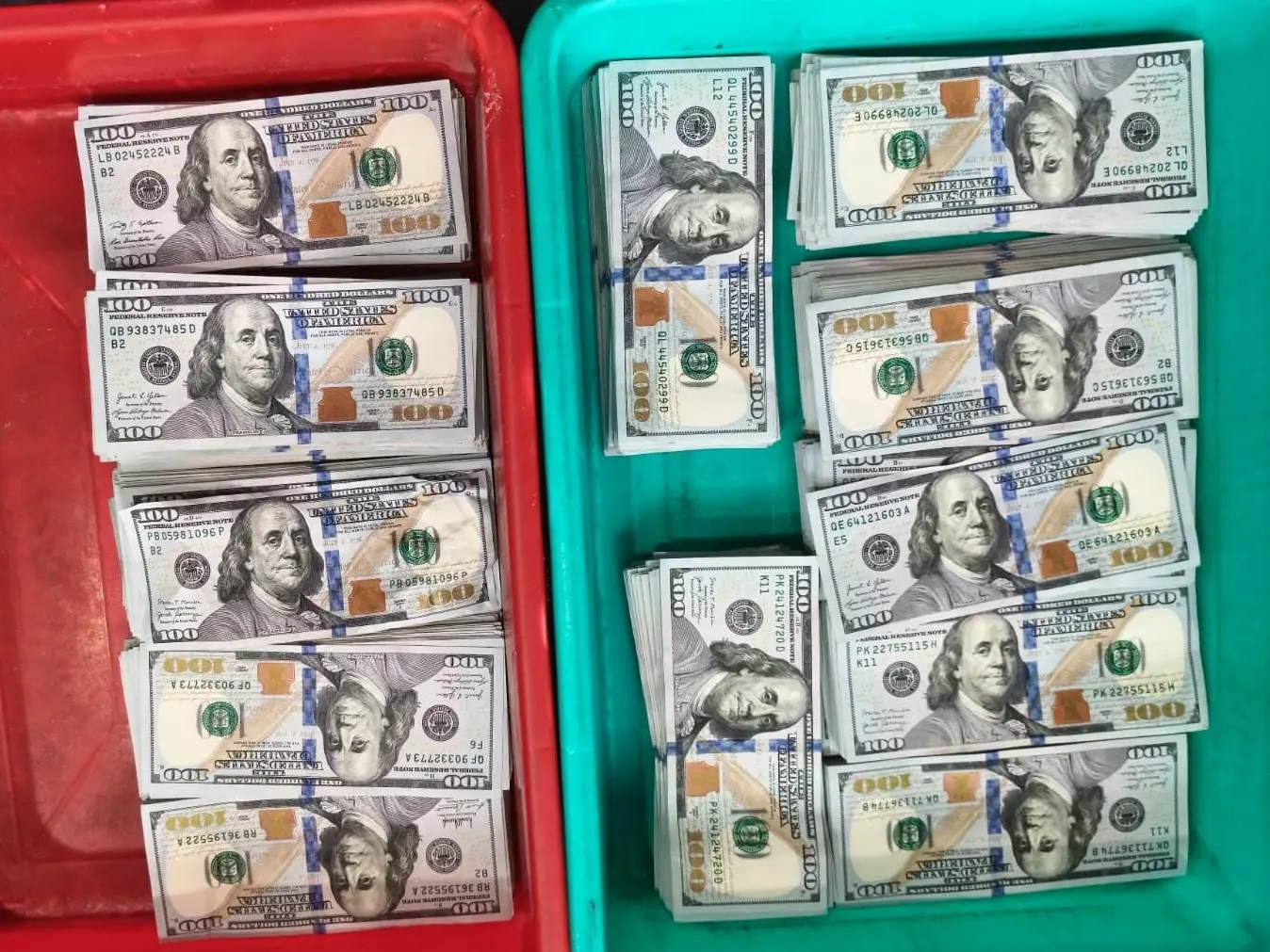
Kolkata airport: CISF detects ₹1.13 crore in US dollars hidden in bags of 2 Bangkok-bound passengers
&imwidth=180&imheight=135&format=webp&quality=medium)
Priyanka Chopra celebrates Dussehra 2026 with Nick Jonas and daughter Malti Marie | See pics
&imwidth=180&imheight=135&format=webp&quality=medium)
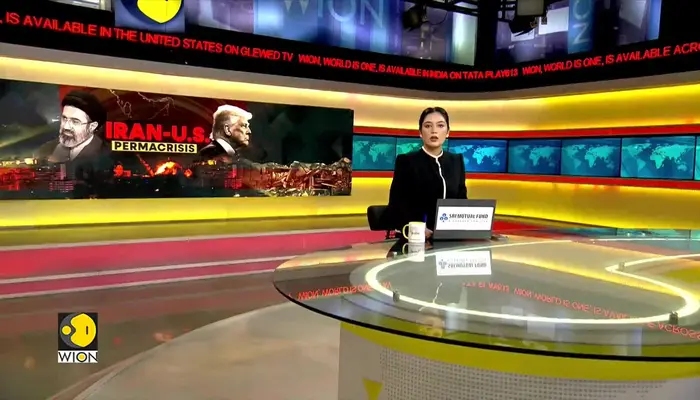
US-Iran war: Bibi, Trump gamble on new Iran war to save themselves in polls
&imwidth=180&imheight=135&format=webp&quality=medium)
Australia police arrest former national 100m champ Jake Doran for alleged child abuse
&imwidth=180&imheight=135&format=webp&quality=medium)
Diljit Dosanjh's Oct 30 Delhi show hits roadblock, Delhi Police denies permission
&imwidth=180&imheight=135&format=webp&quality=medium)
Rafale Marine fighter begins flight trials in Goa ahead of Indian Navy induction
&im=FitAndFill=(700,400)&imwidth=180&imheight=135&format=webp&quality=medium)
New OTT releases this week (October 19-25, 2026): Gajab Raat to Chaar Yaar-8 titles to watch during Dussehra week on Netflix, Prime Video and more
&imwidth=180&imheight=135&format=webp&quality=medium)
US midterms 2026: What polls and prediction markets indicate about Congress
&imwidth=180&imheight=135&format=webp&quality=medium)
Meta slapped with $25 billion fine in New Mexico over Facebook data practices, company plans appeal
&imwidth=180&imheight=135&format=webp&quality=medium)
EU probes Booking.com under Digital Services Act
&imwidth=180&imheight=135&format=webp&quality=medium)
‘I caution the president...’: Trump’s ex-press secretary warns after Zacharia’s exit
&imwidth=180&imheight=135&format=webp&quality=medium)
'It's a crime not to see this scene': Tehran puts Trump 'behind bars'
&imwidth=180&imheight=135&format=webp&quality=medium)
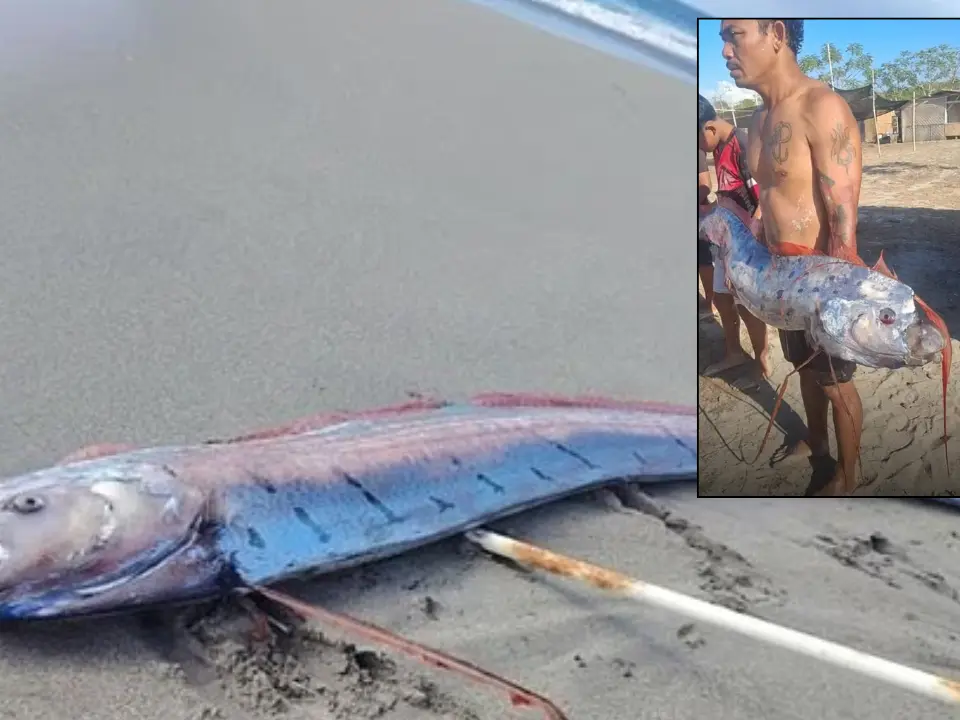
16-foot doomsday fish in Chile triggers fears that the next earthquake is coming
&imwidth=180&imheight=135&format=webp&quality=medium)
Why websites around the world are suddenly going offline? What you need to know about PHP
&imwidth=180&imheight=135&format=webp&quality=medium)
'You are a dummy, you are a stupid person': Trump loses temper with CNN, ABC reporters after questions about Russia sanctions
&imwidth=180&imheight=135&format=webp&quality=medium)
China's dancing robot turns violent bodyguard, lifts cars and fights intruders - Watch
&imwidth=180&imheight=135&format=webp&quality=medium)
Ilhan Omar breaks silence over alleged marriage to her brother; Trump thinks it's 'really good answer'
&imwidth=180&imheight=135&format=webp&quality=medium)
'Father of all bombs' vs 'mother of all bombs': Iran threatens US with new weapon as Trump hints at MOAB strike
&imwidth=180&imheight=135&format=webp&quality=medium)
Feds obtain DNA evidence that could prove Ilhan Omar married her brother: Report
&imwidth=180&imheight=135&format=webp&quality=medium)
From Agni-V to Project Kusha: How are India’s indigenous missile systems and defence shield reshaping modern warfare
&imwidth=180&imheight=135&format=webp&quality=medium)
WATCH: Woman IPS officer fires several rounds of AK-47, ignites debate online
&imwidth=180&imheight=135&format=webp&quality=medium)
Pakistan signs another defence pact even as Makkah Alliance shows no teeth. This time, it's with Qatar, Indonesia, Turkey
&imwidth=180&imheight=135&format=webp&quality=medium)
Ranbir Kapoor apologises for Dussehra speech slip, clarifies remark at Ramayana event
&imwidth=180&imheight=135&format=webp&quality=medium)
US to get 850 F-35 stealth fighter jets under 10-year Pentagon-Lockheed deal
&imwidth=180&imheight=135&format=webp&quality=medium)
Viral video shows cross falling on Colombia priest, no official confirmation | WATCH
&imwidth=180&imheight=135&format=webp&quality=medium)
'Gyanu must go': CJP's Saurav Das, Ashutosh Ranka after release, despite Jantar Mantar protest undertaking
&imwidth=180&imheight=135&format=webp&quality=medium)
Will Rohit and Kohli play ODI World Cup 2027? BCCI president Manhas says board 'not in a position to comment'
&imwidth=180&imheight=135&format=webp&quality=medium)
Are the US and Israel preparing for another major attack on Iran? Here's what report claims
&imwidth=180&imheight=135&format=webp&quality=medium)
US midterms 2026: Trump's approval rating hits record low as Democrats gain ground
Dr Michael Bennett, the director of the player wellbeing at the PFA, said the organisation is trying to get more feedback from players and learn what kind of bullying experiences they endured during their careers. Bennett said the players could have been at the receiving end of bullying from their own teammates, club staff or the management in some cases.
"These are stark figures that illustrate how serious these issues are in the game. Based on this feedback, we have adapted the sessions this season to learn more about the type of bullying players face," said Bennett.
"It could be peer-on-peer bullying, for example, from teammates in the dressing room or training ground. It could be by club staff or management. We are particularly concerned around transfer windows.
"We know that players can be isolated from their squads when a club is trying to force a move. We are often dealing with cases like this. Ultimately, whether it is the training ground or the stadium on a match day, it’s a player’s workplace. They have a right to feel protected and safe at work," he explained.