ICC pressure, dialogues and fear: How Pakistan agreed to play India in Colombo on Feb 15

&imwidth=600&imheight=450&format=webp&quality=medium "ICC pressure, dialogues and fear: How Pakistan agreed to play India in Colombo on Feb 15")
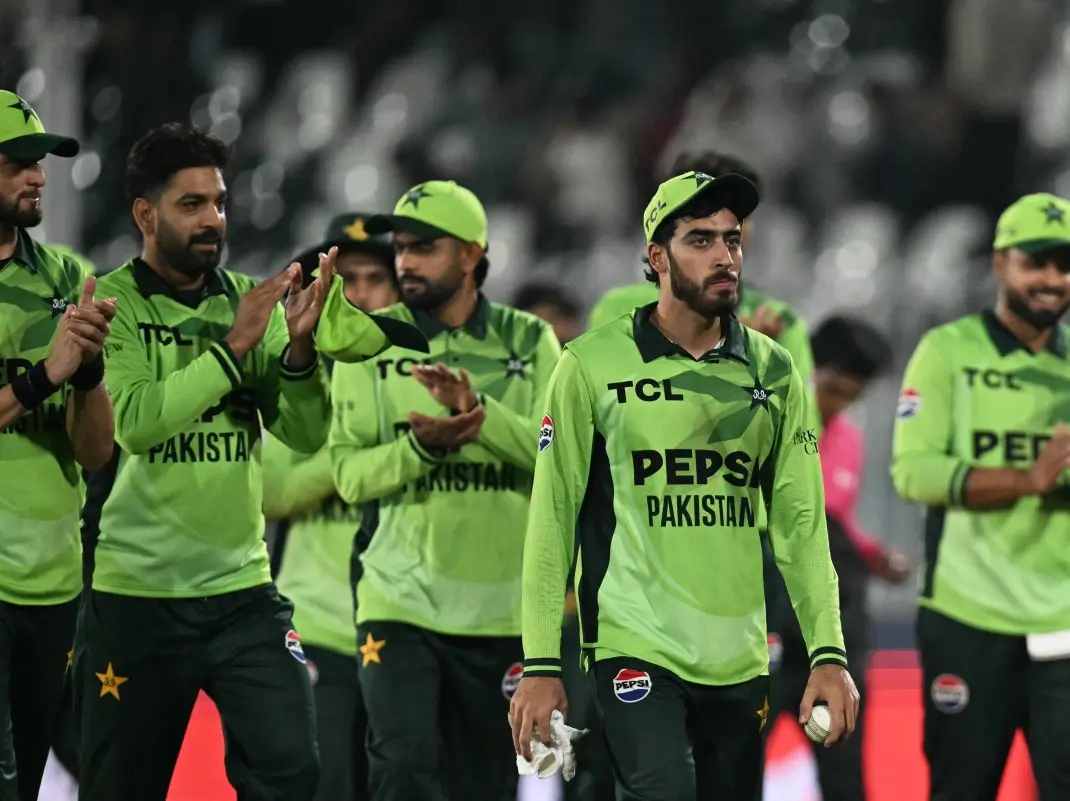
ICC pressure, dialogues and fear How Pakistan agreed to play India on Feb 15 Photograph: (Others)
Pakistan ends T20 World Cup boycott. PCB confirms Feb 15 India clash in Colombo after ICC talks.
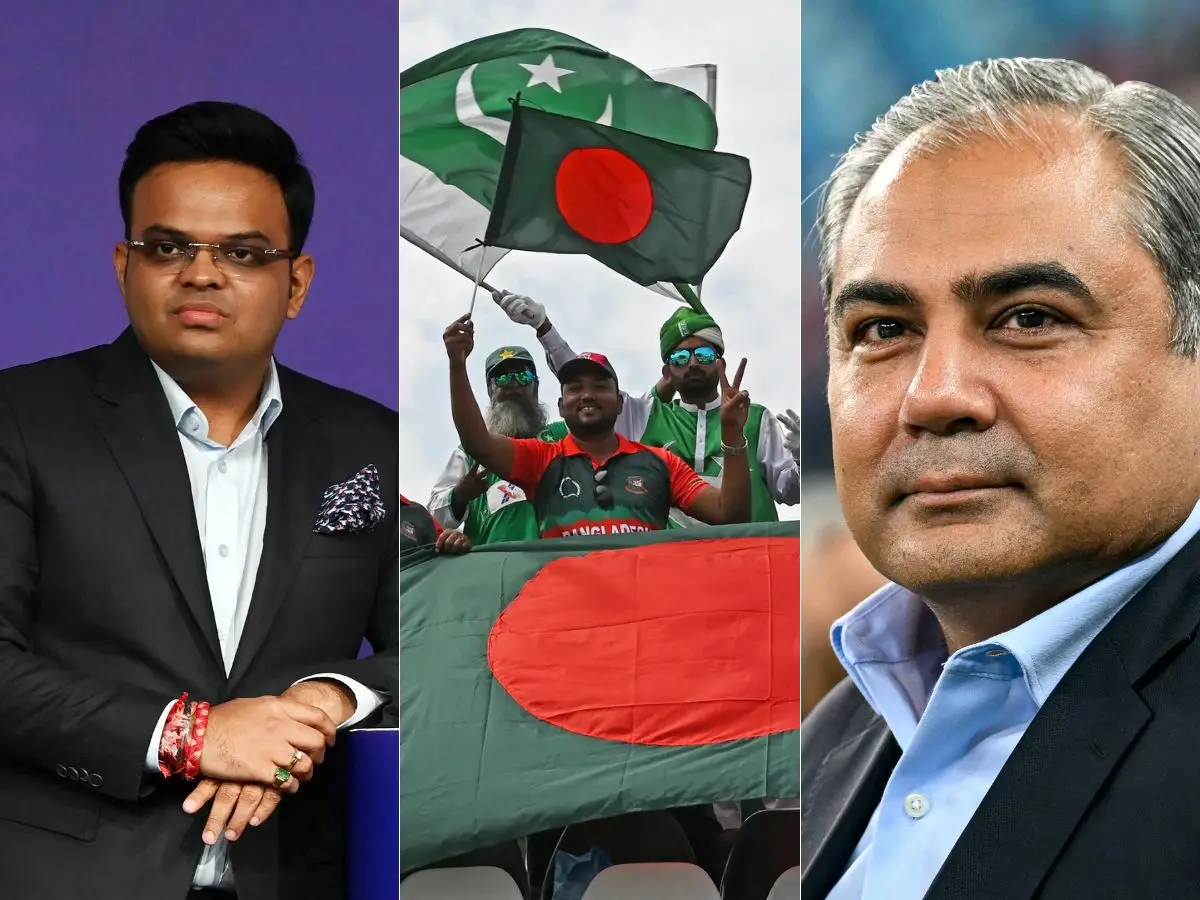
Pakistan has withdrawn from boycotting the marquee India game at the ICC Men’s T20 World Cup in Colombo on February 15, after agreeing to play against its arch-rivals in the scheduled Group A game later this week. Following the directives from the highest body of holding its team against taking the field (against India), the PCB and Pakistani government did a U-turn on its stance late on Monday (Feb 9), which required a lot of backdoor discussions, injecting fear of its (boycott’s) long-term ramifications and pressure from several boards, including the governing body.
The ICC representatives, those from the United Arab Emirates (UAE) and the Bangladesh Cricket Board (BCB), were all part of the tripartite meeting in Lahore over the weekend, which eventually led to the PCB agreeing to play India in the showdown clash this Sunday.
Even though reports of PCB laying down several demands, including the three significant ones to the ICC, which were resumption of bilateral ties with India and agreement to shake hands (among all), made headlines, the apex body is believed to have rejected most while accepting ones around Bangladesh, which Scotland replaced at the ongoing showpiece event.
While the ICC decided against penalising Bangladesh over their T20 World Cup exit, they guaranteed them co-hosting an ICC event before the 2031 World Cup, which they and India are already listed to stage together.
"It is agreed that no financial, sporting or administrative penalty will be imposed on Bangladesh Cricket Board in relation to the current matter," the ICC said in a statement.
"As part of this understanding, an agreement has been reached that Bangladesh will host an ICC event prior to the ICC Men's Cricket World Cup 2031, subject to the usual ICC hosting processes, timelines and operational requirements. This reflects confidence in Bangladesh's capability as a host and reinforces the ICC's commitment to providing meaningful hosting opportunities across its membership to develop cricket in the country,” the statement added.
Trending Stories
&im=FitAndFill=(700,400)&imwidth=280&imheight=210&format=webp&quality=medium)
&imwidth=280&imheight=210&format=webp&quality=medium)
&imwidth=280&imheight=210&format=webp&quality=medium)
&imwidth=280&imheight=210&format=webp&quality=medium)
&imwidth=280&imheight=210&format=webp&quality=medium)
&imwidth=280&imheight=210&format=webp&quality=medium)
&imwidth=280&imheight=210&format=webp&quality=medium)
&imwidth=280&imheight=210&format=webp&quality=medium)
&imwidth=280&imheight=210&format=webp&quality=medium)
&imwidth=280&imheight=210&format=webp&quality=medium)
&imwidth=280&imheight=210&format=webp&quality=medium)
&imwidth=280&imheight=210&format=webp&quality=medium)
&imwidth=280&imheight=210&format=webp&quality=medium)
&imwidth=280&imheight=210&format=webp&quality=medium)
&imwidth=280&imheight=210&format=webp&quality=medium)
&imwidth=280&imheight=210&format=webp&quality=medium)
&im=FitAndFill=(700,400)&imwidth=280&imheight=210&format=webp&quality=medium)
&imwidth=280&imheight=210&format=webp&quality=medium)
&imwidth=280&imheight=210&format=webp&quality=medium)
&imwidth=280&imheight=210&format=webp&quality=medium)
&imwidth=280&imheight=210&format=webp&quality=medium)
&imwidth=280&imheight=210&format=webp&quality=medium)
&imwidth=280&imheight=210&format=webp&quality=medium)
&im=FitAndFill=(700,400)&imwidth=280&imheight=210&format=webp&quality=medium)
&imwidth=280&imheight=210&format=webp&quality=medium)
&imwidth=280&imheight=210&format=webp&quality=medium)
&imwidth=280&imheight=210&format=webp&quality=medium)
&imwidth=280&imheight=210&format=webp&quality=medium)
&imwidth=280&imheight=210&format=webp&quality=medium)
&imwidth=280&imheight=210&format=webp&quality=medium)
&imwidth=280&imheight=210&format=webp&quality=medium)
&imwidth=280&imheight=210&format=webp&quality=medium)
&imwidth=280&imheight=210&format=webp&quality=medium)
&imwidth=280&imheight=210&format=webp&quality=medium)
&imwidth=280&imheight=210&format=webp&quality=medium)
What happened behind the scenes?
After days of drama and unnecessary delay, the PCB went back on its word and agreed to play India on February 15 in Colombo, Sri Lanka.
It all began with the ICC warning the PCB against the long-term repercussions of a boycott, including financial loss and the threat of being sidelined within the global cricket ecosystem, with restrictions on teams touring Pakistan and overseas players not receiving NOCs to participate in the PSL, among the reported consequences.
Moreover, the ICC warned Pakistan of potential legal action by India’s broadcaster JioStar over heavy monetary loss due to this boycott.
At a time when the PCB was already dealing with such threats for boycotting the India game, an official letter from Sri Lanka Cricket (SLC), seeking an agreement (from them) to go ahead with the marquee match, and with that, saving them from financial setback and a dent to their cricketing relationship built over the years, Pakistan came under tremendous pressure.
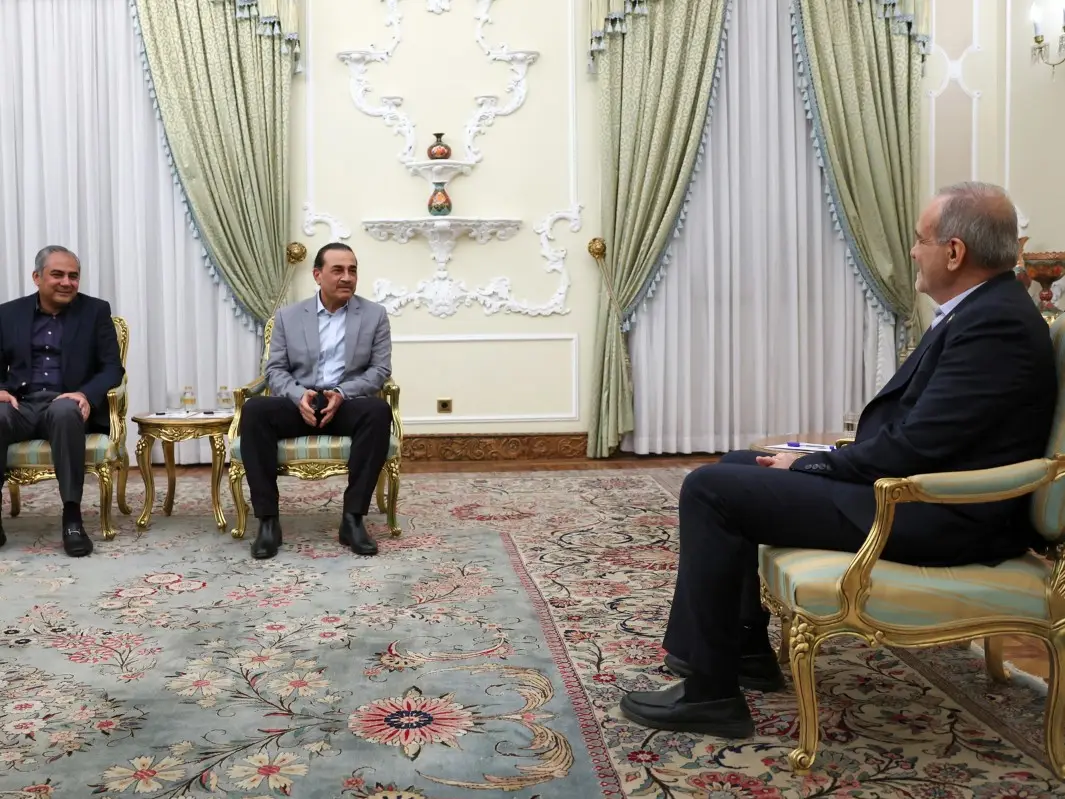
It all took a significant turn after ICC Deputy Chair Imran Khwaja visited Lahore to hold dialogue with the PCB, after which the matter reached Pakistan Prime Minister Shehbaz Sharif, who later released an official statement allowing Pakistan to play India in the T20 World Cup.
"In view of the outcomes achieved in multilateral discussions, as well as the request of friendly countries, the Government of Pakistan hereby directs the Pakistan National Cricket Team to take the field on February 15, 2026, for its scheduled fixture in the ICC Men's T20 World Cup. Moreover, this decision has been taken with the aim of protecting the spirit of cricket, and to support the continuity of this global sport in all participating nations," the government statement concluded.
