FIFA U-turn: Reusable water bottles no longer allowed at World Cup 2026 stadiums

&imwidth=600&imheight=450&format=webp&quality=medium "FIFA U-turn: Reusable water bottles no longer allowed at World Cup 2026 stadiums")
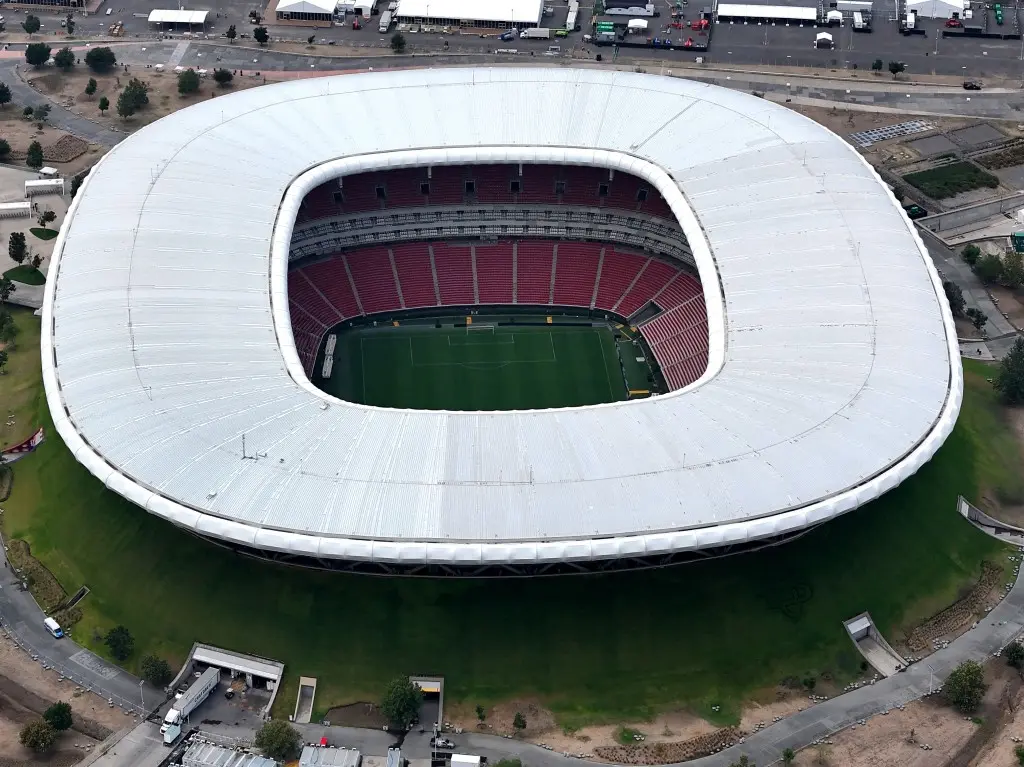
FIFA U-turn: Reusable water bottles no longer allowed at World Cup 2026 stadiums Photograph: (AFP)
FIFA has banned reusable water bottles at World Cup 2026 stadiums, raising concerns about fan safety, hydration, and heat exposure
FIFA has reversed its previously announced policy and will no longer allow fans to bring reusable water bottles into stadiums during the 2026 FIFA World Cup across North America. Just three weeks ago, FIFA's official Stadium Code of Conduct explicitly allowed supporters to carry empty, transparent, reusable plastic bottles with a capacity of up to one liter into venues. However, according to emails obtained by The Athletic, ticket holders have now been informed that the policy has changed.
The communication said that ‘reusable water bottles are no longer permitted at the FIFA World Cup 2026 stadiums’. The updated Stadium Code of Conduct, revised on June 2, removed the earlier wording that permitted reusable bottles. It now clearly states: “For the avoidance of doubt, reusable water bottles may not be brought into the stadium.” The decision means fans will be unable to bring empty bottles into venues to refill at water fountains or hydration stations. Other types of bottles remain prohibited because they can pose a safety risk if thrown.
The move is likely to spark criticism, particularly given concerns about extreme summer heat at several World Cup venues. During last year’s FIFA Club World Cup in the United States, bottled water inside stadiums reportedly cost between $4 and $6. While FIFA has not yet confirmed pricing for the 2026 tournament, Coca-Cola partner brand Dasani is expected to be the primary water supplier inside stadiums.
Heat-related concerns have been a major issue ahead of the tournament. A report released in May by World Weather Attribution scientists suggested that approximately 26 of the tournament’s 104 matches could be played in conditions where the Wet Bulb Global Temperature (WBGT) exceeds 26°C (78.8°F). Five matches could potentially take place in conditions above 28°C (82.4°F).
WBGT is a measurement that combines temperature, humidity, wind speed, and solar radiation to assess heat stress levels. It is widely used in sports, military operations, and occupational safety planning.
Trending Stories
&im=FitAndFill=(700,400))
)
)
)
&im=FitAndFill=(700,400))
)
)
)
)
)
)
)
)
)
)
&im=FitAndFill=(700,400))
)
)
)
)
)
)
)
)
&im=FitAndFill=(700,400))
&im=FitAndFill=(700,400))
)
)
)
&im=FitAndFill=(700,400))
)
)
FIFA’s messaging on hydration policies has shifted several times in recent months. On May 13, the organization told The Athletic: “FIFA is committed to protecting the health and safety of players, referees, fans, volunteers and staff.” The statement further noted that “spectators will be permitted one factory-sealed water bottle, but only when forecasts indicate elevated temperatures”.
The latest code of conduct, however, no longer references any allowance for factory-sealed water bottles, even during periods of extreme heat. Current exemptions only apply to “baby milk and sterilised water in containers” and medically required liquids, provided supporters carry documentation in English, French, or Spanish.
In a statement issued on Thursday, FIFA defended the decision, saying it was made to “prohibit bottles to prevent risk and injury to players and attendees”. The organization did not explain why the policy had changed since its earlier guidance. FIFA added: “Outside bottles are already prohibited at several of these venues for safety considerations, and FIFA is applying this consideration across its tournament stadiums. “FIFA works closely with each Host City Committee and local authorities on heat mitigation factors for fans traveling to the stadium, which can include resources such as misting stations, fans, hydration stations, cooling tents, and more around the stadium footprint. “Inside the stadium footprint, pricing for water bottles for the FIFA World Cup 2026 will remain consistent with other events held at each stadium.”
Despite FIFA’s explanation, critics note that many of the same venues allowed fans to bring empty plastic bottles during the 2025 FIFA Club World Cup. The Football Supporters’ Association also criticized the policy. A spokesperson told The Athletic: “Yet again with this World Cup, it is fans last and not fans first. The heat and humidity are a real concern for fans’ welfare; it should be this that is FIFA’s main focus and not the ability to sell more bottled water at inflated prices.”
Several host cities are reportedly concerned about the decision, having invested significant resources into fan safety and heat-management strategies ahead of the tournament. However, FIFA retains authority over stadium regulations during World Cup matches. Cities expected to face greater heat-related challenges include Kansas City, Boston, Miami, Philadelphia, San Francisco, and New York/New Jersey, where venues lack full roof coverage.
To help players cope with high temperatures, FIFA has already introduced mandatory three-minute hydration breaks in each half and plans to deploy climate-controlled benches for coaches and substitutes at outdoor matches.

