Explained | Why Champions League is the biggest club competition despite rise of European Super League

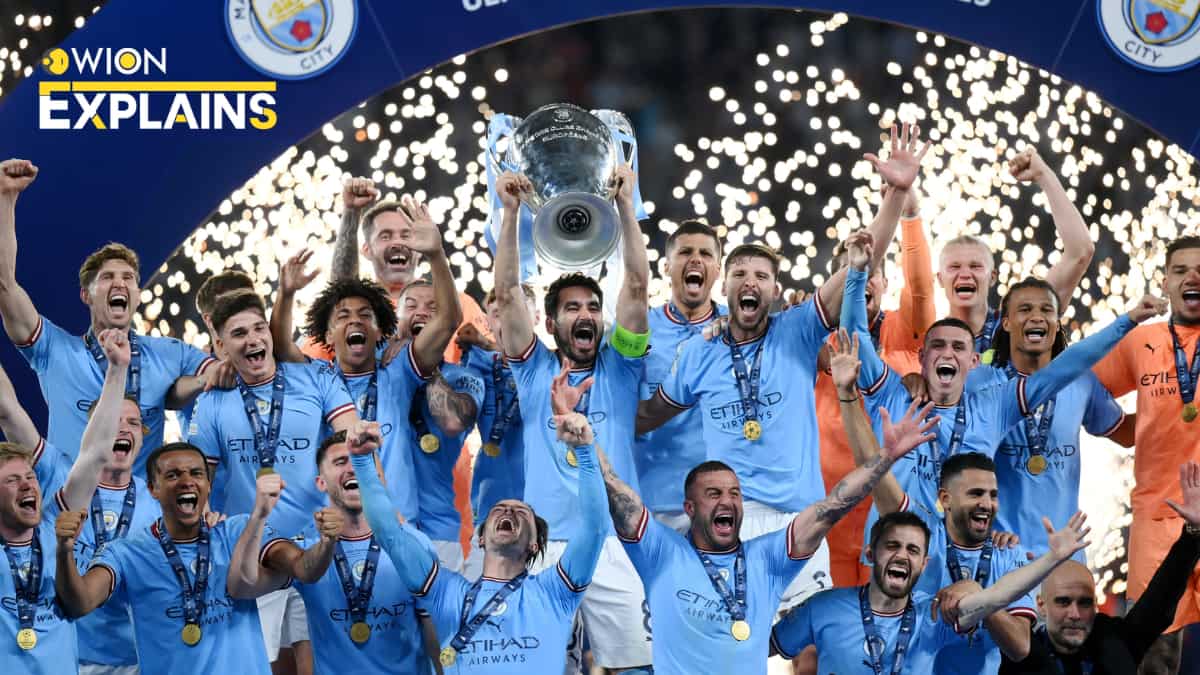
EXPLAINED: Why Champions League is the biggest club competition despite rise of European Super League
The Champions League Round of 16 is all set to take centrestage as top clubs prepare for the final push for glory in Europe’s top club competition. While the eyes of the clubs are on the prize asset, the bosses at UEFA (European football’s governing body) are fighting to keep the integrity of the competition alive. The European Super League (ESL) could emerge as a major player with top clubs set to join the breakaway league from UEFA. However, can the ESL surpass the legacy of the Champions League (previously the European Cup) as the tussle between UEFA and ESL intensifies?
Champions League’s importance
Starting in the 1955-56 season with the name of the European Cup, the Champions League has been the apex competition of football for more than 60 years. While the competition carries equal weightage as the AFC Champions League (Asia) winner and the Copa Libertadores (South Africa), the European version of the club competition ranks highest as some of the finest players and teams have played in the competition.

Since its inception in the 1955-56 season, big-name players have competed in the competition with fierce rivalry between clubs being a highlight. The quality of competition is often better than other continental competitions which have attracted a big fan base. The big fan base has attracted big-money TV deals which have resulted in high financial capital flow in the competition.
European Super League concept
The ESL is a make-away European league concept consisting of a cluster of top continental clubs which included the likes of Real Madrid and Barcelona along with the ‘big six’ Premier League sides. The cluster also included the likes of Juventus, Inter Milan and AC Milan before the plan was scrapped amid big protests by fans. Upon criticism, 10 of the 12 clubs pulled out of the European Super League while UEFA decided to levy hefty fines on them. Spanish giants Real Madrid and Barcelona though did not back out and are still part of the plan.
&imwidth=180&imheight=135&format=webp&quality=medium)
Viral video shows cross falling on Colombia priest, no official confirmation | WATCH
&imwidth=180&imheight=135&format=webp&quality=medium)
Rafale Marine fighter begins flight trials in Goa ahead of Indian Navy induction
&imwidth=180&imheight=135&format=webp&quality=medium)
Ranbir Kapoor apologises for Dussehra speech slip, clarifies remark at Ramayana event
&imwidth=180&imheight=135&format=webp&quality=medium)
Meta slapped with $25 billion fine in New Mexico over Facebook data practices, company plans appeal
&imwidth=180&imheight=135&format=webp&quality=medium)
WATCH: Woman IPS officer fires several rounds of AK-47, ignites debate online
&imwidth=180&imheight=135&format=webp&quality=medium)
EU probes Booking.com under Digital Services Act
&imwidth=180&imheight=135&format=webp&quality=medium)
Pakistan signs another defence pact even as Makkah Alliance shows no teeth. This time, it's with Qatar, Indonesia, Turkey
&imwidth=180&imheight=135&format=webp&quality=medium)
Ilhan Omar breaks silence over alleged marriage to her brother; Trump thinks it's 'really good answer'
&imwidth=180&imheight=135&format=webp&quality=medium)
US-Iran war: Bibi, Trump gamble on new Iran war to save themselves in polls
&imwidth=180&imheight=135&format=webp&quality=medium)
From Agni-V to Project Kusha: How are India’s indigenous missile systems and defence shield reshaping modern warfare
&imwidth=180&imheight=135&format=webp&quality=medium)
'It's a crime not to see this scene': Tehran puts Trump 'behind bars'
&imwidth=180&imheight=135&format=webp&quality=medium)
Will Rohit and Kohli play ODI World Cup 2027? BCCI president Manhas says board 'not in a position to comment'
&imwidth=180&imheight=135&format=webp&quality=medium)
Why websites around the world are suddenly going offline? What you need to know about PHP
&imwidth=180&imheight=135&format=webp&quality=medium)
US midterms 2026: What polls and prediction markets indicate about Congress
&imwidth=180&imheight=135&format=webp&quality=medium)
'You are a dummy, you are a stupid person': Trump loses temper with CNN, ABC reporters after questions about Russia sanctions
&imwidth=180&imheight=135&format=webp&quality=medium)
China's dancing robot turns violent bodyguard, lifts cars and fights intruders - Watch
&imwidth=180&imheight=135&format=webp&quality=medium)
16-foot doomsday fish in Chile triggers fears that the next earthquake is coming
&imwidth=180&imheight=135&format=webp&quality=medium)
US to get 850 F-35 stealth fighter jets under 10-year Pentagon-Lockheed deal
&imwidth=180&imheight=135&format=webp&quality=medium)
Are the US and Israel preparing for another major attack on Iran? Here's what report claims
&imwidth=180&imheight=135&format=webp&quality=medium)
Priyanka Chopra celebrates Dussehra 2026 with Nick Jonas and daughter Malti Marie | See pics
&im=FitAndFill=(700,400)&imwidth=180&imheight=135&format=webp&quality=medium)
New OTT releases this week (October 19-25, 2026): Gajab Raat to Chaar Yaar-8 titles to watch during Dussehra week on Netflix, Prime Video and more
&imwidth=180&imheight=135&format=webp&quality=medium)
‘I caution the president...’: Trump’s ex-press secretary warns after Zacharia’s exit
&imwidth=180&imheight=135&format=webp&quality=medium)
'Father of all bombs' vs 'mother of all bombs': Iran threatens US with new weapon as Trump hints at MOAB strike
&imwidth=180&imheight=135&format=webp&quality=medium)
Diljit Dosanjh's Oct 30 Delhi show hits roadblock, Delhi Police denies permission
&imwidth=180&imheight=135&format=webp&quality=medium)
Australia police arrest former national 100m champ Jake Doran for alleged child abuse
&imwidth=180&imheight=135&format=webp&quality=medium)
'Gyanu must go': CJP's Saurav Das, Ashutosh Ranka after release, despite Jantar Mantar protest undertaking
&imwidth=180&imheight=135&format=webp&quality=medium)
Kolkata airport: CISF detects ₹1.13 crore in US dollars hidden in bags of 2 Bangkok-bound passengers
&imwidth=180&imheight=135&format=webp&quality=medium)
Feds obtain DNA evidence that could prove Ilhan Omar married her brother: Report
&imwidth=180&imheight=135&format=webp&quality=medium)
US midterms 2026: Trump's approval rating hits record low as Democrats gain ground
Withdrawal of English clubs was seen as a major setback as they could have attracted big-money TV deals which could have helped the ESL grow financially. Currently, TV deals in England are sold for more than $5 billion for a period ranging between four to seven years. The figure is comparatively low for other leagues.
Why Champions League remains a big player?
Anticipating a breakaway league was on its way and more teams wanting to qualify and earn hefty sums from the competition, UEFA from the 2024-25 season will increase the pool of teams from 32 to 36. This will give clubs better opportunity to qualify or participate in the Champions League. Considering the rich history of the competition fans, players and the majority of the clubs want to participate in the competition.
Financially the competition attracts the second-biggest TV and commercial deal in football after the English Premier League. Comparing this to the ESL, it will be hard for them to attract big-money deals as top English clubs are unlikely to play in the competition.
Heritage of competition
In its almost 70-year history, winning the Champions League is often considered the biggest achievement for players who are unlikely to win the World Cup. It is often the parameter of success for African and small nation players to get their names in the history books. Players like Ryan Giggs, Gareth Bale, Yaya Toure and Luka Modric are often considered the greatest of their generations, but they are unlikely to win the World Cup with the national side due to limited resources, it is the Champions League that bails them out.
ALSO READ |IPL 2024: DC coach Ricky Ponting 'not quite sure yet' about Rishabh Pant's role in upcoming season
Interestingly, Ballon d’Or winners like Cristiano Ronaldo and Karim Benzema have also seen their legacy forged by the winner’s medal in the Champions League as they are yet to win the FIFA World Cup.
Another factor contributing to the legacy of the competition is the format, since the 2003-04 season only the best teams have made it through to the later rounds of the competitions. Unlike the FA Cup and the League Cup, the Champions League knockout stage is played over two legs, ensuring only the best and deserved teams have lifted the trophy.
ESL’s dull format
ESL’s format on the other side has divided opinions with teams and fans disliking the divisional structure of the competition. As announced in December, 64 teams will be part of the ESL and will be divided into three categories. These categories are Gold (top division), Silver (second division) and Blue (third division). The Gold and Silver Leagues will see the inclusion of 16 teams each while Blue League will have 32 teams.
