Exclusive: 'Better to wait for whole crisis to subside' - Sunil Chhetri opens up on resumption of sports, football post COVID-19, and much more


Exclusive | Sunil Chhetri in conversation with WION
With COVID-19 pandemic wiping off the sporting calendar, players have been restricted to train indoors in a bid to remain fit for the resumption of season, whenever it happens. Football is one of the sports to have taken a major hit financially with clubs struggling to cope up with the losses incurred due to the postponement of leagues and tournaments. Also, there has been a lot of talks surrounding some of the footballing bodies wanting to resume their respective leagues and cup competitions.
Ace Indian footballer and the recipient of Padma Shri, Sunil Chhetri, in an exclusive interview with WION's Sports Editor, Digvijay Singh Deo, opened up about a lot of things ranging from the impact of COVID-19 pandemic on the world of football, the fall of transfer prices post coronavirus crisis, the idea of playing football leagues with domestic players only, life in lockdown and much more...
Digvijay Singh Deo: Sunil, I must begin by saying that it is heartening to note that all our top sports stars have not lost their sense of humour in these difficult times. Your coach at Bengaluru FC tried to pull a gag on you involving Andres Iniesta the other day and you sort of handled it very well.

Sunil Chhetri: I think being a sportsperson, you have to think on your feet, be quick and witty, so we're just trying to keep our spirits up. We're just trying to stay calm and I think it's important to be able to to enjoy the little things in life during these times. On a serious note, we need to engage and keep everyone motivated during the crisis.
DSD: How has this period been for you?Mentally how can you remain switched on with life indoors especially as leading an outdoor life is in your DNA as a footballer.
Sunil Chhetri:Itis hard for all athletes across the world because we are used to being outdoors and training every day, that is in our DNA. But having said that, we are extremely fortunate that is not struggling for our essential services. There are so many people in India and across the world who do not have access to basic amenities. So we aren't struggling at all when you compare us to the daily wage earners or the migrant workers. Our pain and agony is nothing compared to their suffering. Yes, it is difficult to be indoors and not be able to train, but once life gets back to normal we will return to our daily routines. But at the moment there are bigger problems the world is facing. For me, I'm just trying to eat healthily and stay mentally and physically fit during the lockdown.
)
Trump-Xi Summit: Trade, Taiwan and the red lines shaping US-China talks | Race To Power
)
US citizen injured in Illinois after ICE agents mistook him for fugitive, hospitalised
)
US judge questions Trump’s decision to ban CNN, MS NOW and Politico from White House
)
Afghan woman cyclist who disguised herself as a boy to escape Taliban, wins Asian Games medal
)
'There will be elections': Venezuela's interim leader Delcy Rodriguez makes big announcement at UN
)
IIT Bombay CCTV footage emerges: Sahil Wakode seen looking at phone in examination hall
)
Cyclone Arnab: Landfall expected before midnight tomorrow as IMD issues orange alerts across six states
)
9 killed, several injured as tourist bus catches fire on Yamuna Expressway
)
NBA player Steven Adams shares hilarious GTA VI theory
)
WION Iconic Tourism Summit 2026: Union Minister Shekhawat on 'experiential travel', peace diplomacy
)
ICC plans T20I expansion and fewer ODIs in 2027–2031 FTP cycle: Report
)
'AI got into my speech': Prince Harry jokes after teleprompter failure at event in New York
)
Scientists detect first radio signals directly from faraway planet
)
China to test supersonic jet that moves at Mach 2, double the speed of sound
)
WION Iconic Tourism Summit: 'Hanuman Ansh' Director on blockbuster success
)
Open AI, Anthropic CEO urges caution over rapid AI development at UN Security Council, call for 'extreme care'
)
Bomb scare in New York amid UNGA: Suspicious suitcase found near UN headquarters
)
Hours before Xi-Trump meeting, US announces visa curbs targeting birth tourism: What is it?
)
'Partners rather than rivals': Xi Jinping's first message after landing in US for Trump summit
)
WION Iconic Tourism Summit: Is India's travel boom outrunning its airports, airlines and hotels?
)
WION Iconic Tourism Summit and Awards 2026: Key voices to discuss India’s tourism future
&im=FitAndFill=(700,400))
New OTT releases this week (September 21-27, 2026): Shaque: Trust No One, Hunkkaar, Don’t Be Shy- 5 new titles coming to Netflix, Prime Video and more
)
WATCH | China President Xi Jinping lands in US as Trump greets him ahead of high-stakes summit
)
Australian PM Anthony Albanese calls OpenAI AI incident 'unacceptable' after restricted data access
)
'What kind of confession is this?': Pakistan PM Shehbaz Sharif’s 'terrorists would be roaming New York' remark goes viral, raises alarm online. Watch
)
WION Iconic Tourism Summit: How local tourism MSMEs must upskill for AI integration
)
Eight USS Abraham Lincoln sailors attempted suicide, Acting Navy Secretary says
)
Pilot recreates Mona Lisa in sky over Oklahoma and Arkansas in four-hour flight: VIDEO
)
Elephants hide behind trees, stage surprise attack on poachers targeting rhinos in South Africa
)
'Putin is patient zero': Zelensky slams Russian president at UNGA, accuses him of using fighters from 47 countries
&im=FitAndFill=(700,400))
National Film Awards 2026: Kartik Aaryan, Mammootty, Yami Gautam, Randeep Hooda and other key winners
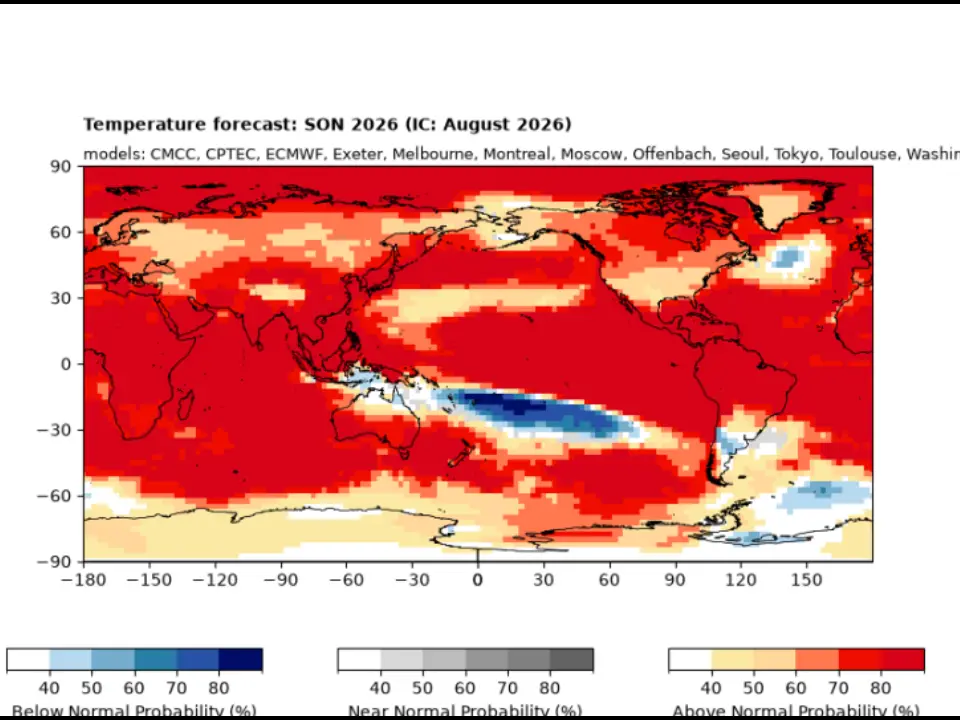)
El Niño 2026 heats up to become strongest in 1,000 years
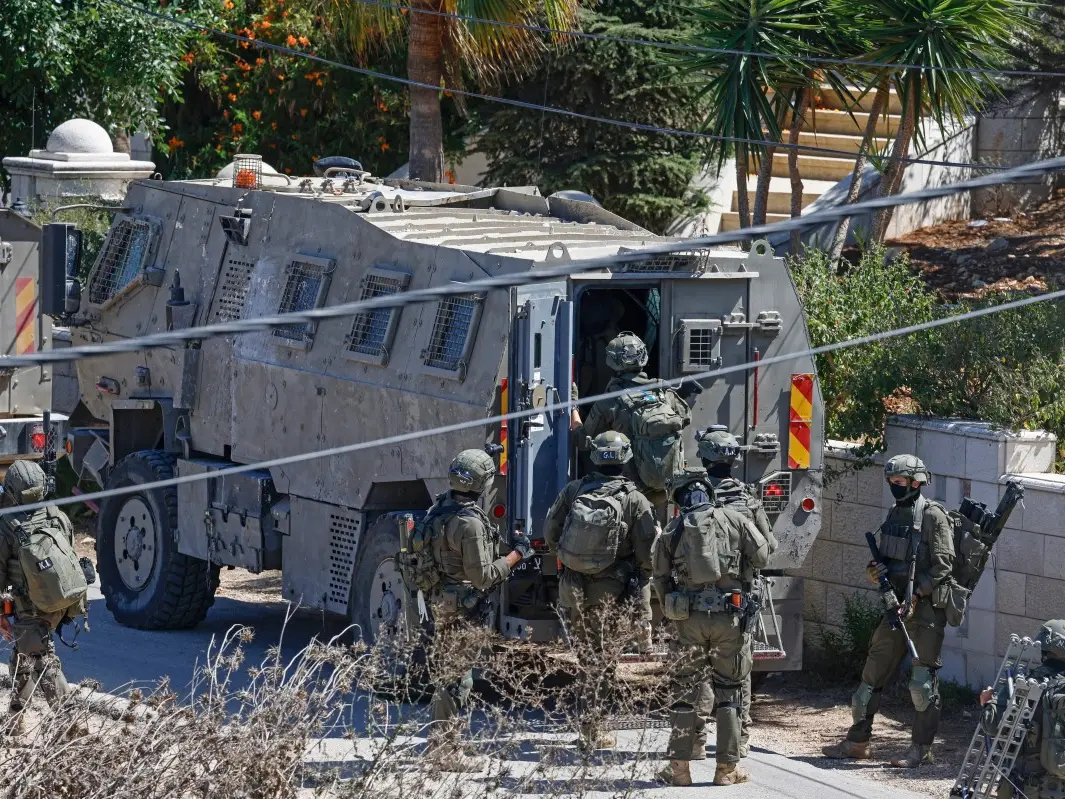)
Israeli envoy to US Yechiel Leiter’s son critically injured in West Bank ramming attack
&im=FitAndFill=(700,400))
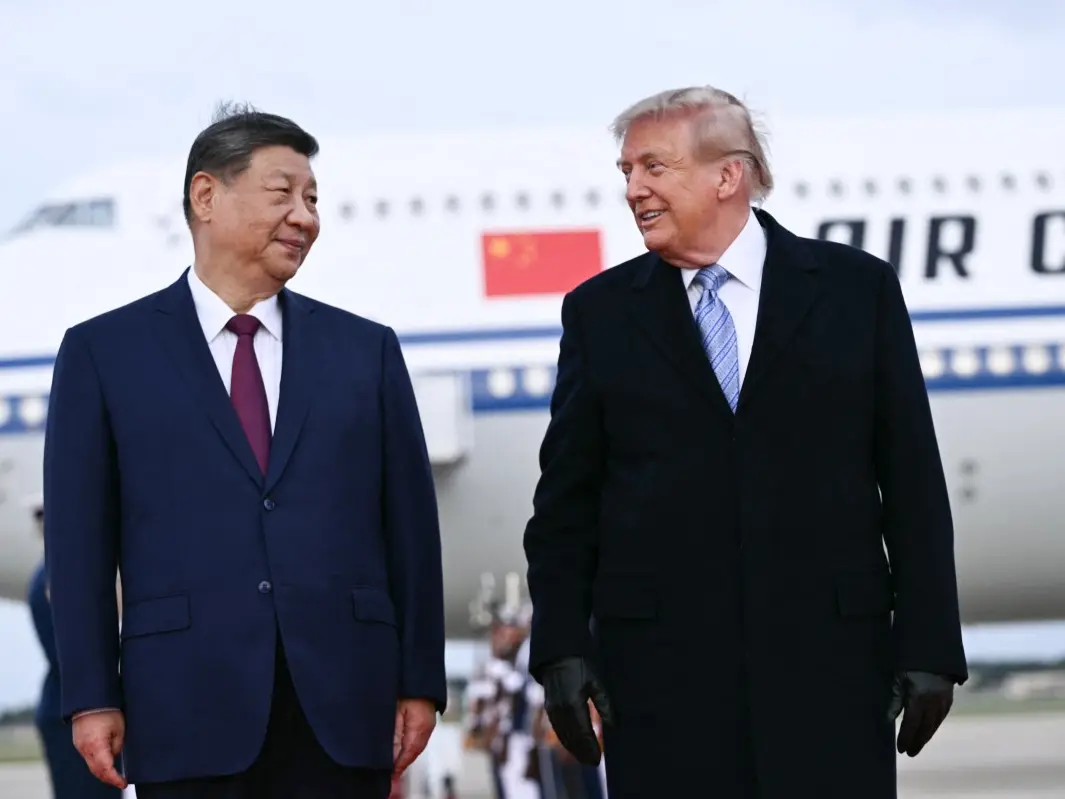
Trump welcomes Xi Jinping in rare airport gesture: Photos from Chinese President's arrival in US
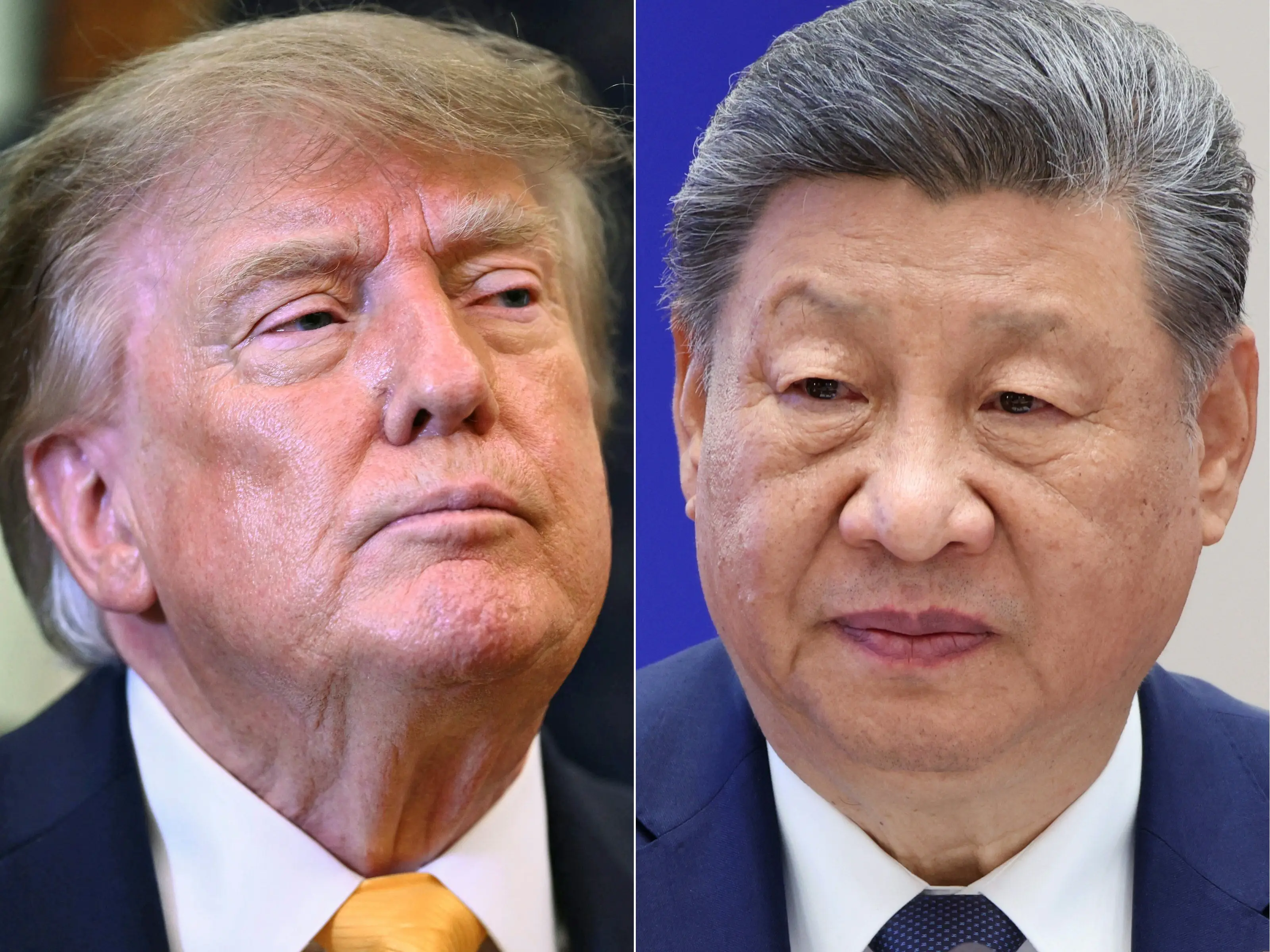)
Xi-Trump meeting: China’s human rights red line and past protests explained
DSD: Lots of players across the world sharing videos and photos of their fitness sessions indoors, how are you managing to keep up the fitness levels?
Sunil Chhetri: My last game for Bengaluru FC in the Indian super league was on the 8th of February, that's when our season finished. Then on the international front, our World Cup qualifier against Qatar got postponed. I took 21 days off to recover from a hamstring problem. But it's been two weeks now that I have been working out. I do whatever is possible inside my house, these day's I've been concentrating on band workouts and cardio. Doing a lot of household work also helps to burn calories. The most important thing is to eat well, which I'm trying to do. Also, I'm not fiddling around with my sleep pattern. Sometimes what happens is when you're at home for an extended period of time, your eating and sleeping habits can get disturbed. I am observing my friends who are not athletes, they are following extremely irregular eating and sleeping patterns and binging on television shows, which is unhealthy. So I'm not trying to avoid that and not get into that vicious cycle.
DSD: There is a lot of concern now about the mental health of players, especially with anxiety and this uncertainty over when will you all get to play again hanging in the air. What role should clubs, national bodies and FIFA play in these times?
Sunil Chhetri: I think it is very important to stay calm in these times. My advice to players would be to do whatever they can to stay physically fit with the resources they have, that goes a long way in maintaining mental health. I know people are keeping busy at home, but if they can take out some time every day to work on their body, it will help maintain your sanity. We have never seen these times before, so people are finding it challenging to deal with the situation. There might be a verbal squabble at home or people might go through mood swings. We have to keep ourselves occupied or do activities that we like, that will help us stay calm.
Meditation is also something that can assist in your mental well being. As far as the national and international federations are concerned, even they are trying to gauge the gravity of the situation. The prime objective for the entire world night now is to overcome this virus. Sport will only return once life gets back to normal, only then will FIFA and the other sporting bodies have a concrete answer to the way forward after the crisis. As far as the pay cuts go, it is very said that people have to forego their hard-earned money, but you have to look at it on a case-to-case basis, so it would be unfair for me to comment on it.
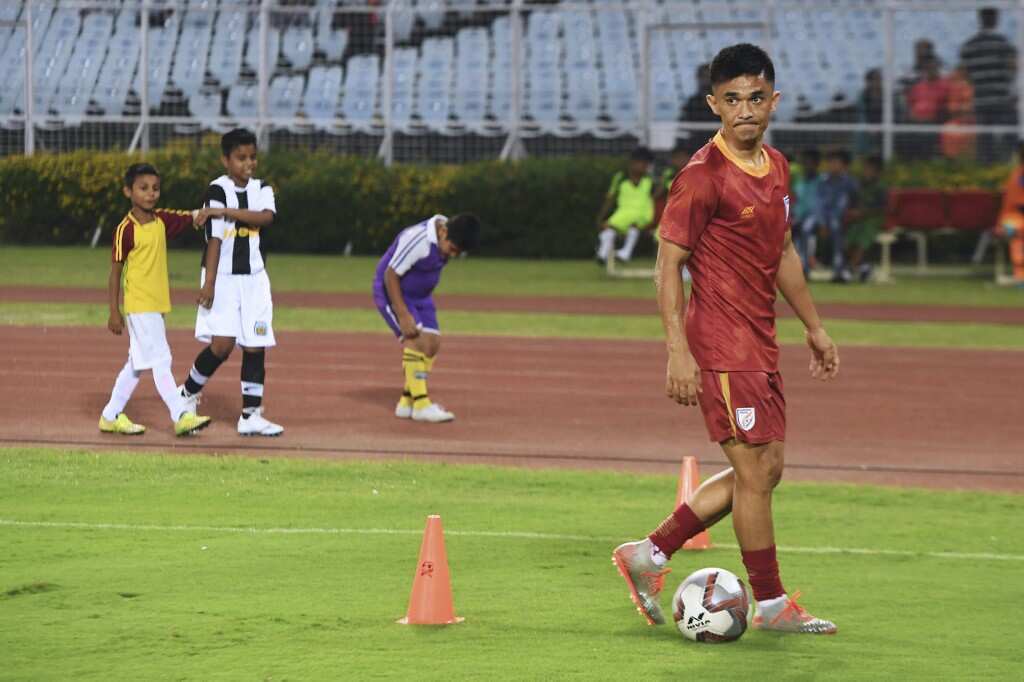
DSD: As captain of India you must be in touch with players from across clubs and leagues, how tough is it for the Indian footballing ecosystem at the moment.
Sunil Chhetri: The younger players who have just started their careers in the lower divisions are obviously going to suffer. All of us who are more fortunate have tried to donate as much as we can to the prime minister's fund. I spoke to my India team-mate Sandesh Jhingan and he told me that all of the senior players are contributing to the state funds and trying to figure out a way in which they can help those in need. I think all the top athletes in the country are financially secure, but the young ones, who haven't yet made a name for themselves might suffer if this crisis continues for a while. If anything the top athletes might find it difficult to cope with the situation mentally. For athletes like me who are more than 30 years of age, even a break of a few months can have a long term effect on your career, since the lifespan of a sportsperson is short. So that's a slight concern for me. But financially, the daily wage earners are the ones who are suffering, so the whole country should unite and help them out.
DSD: Obviously Indian football does not have the big budgets of the European leagues and the ISL season was completed and the AIFF has named Mohun Bagan as I league champions as well so what will the impact be on Indian football?
Sunil Chhetri: The Indian football calendar is definitely going to be affected. We have to wait for the nod of the Indian government to start planning the season and matches. And our sport brings everyone together, so you have 30 or 40,000 people in a stadium at one point. So the decision has to deliberatedupon at length and various factors have to be taken into consideration. I hope we reach a situation where we can at least plan the calendar, but until then we just have to play the waiting game and be patient. All the Indian football authorities have nothing to work with at the moment in terms of schedule because the government go-ahead has not been given. Whenever we do return, I think it's going to be a herculean task to accommodate all the fixtures of the new season. The season will either need to be truncated or stretched out. The AFC and FIFA are also going to have their own continental calendars, so it will be very difficult to work our way around the congestion.
DSD: Staying with Indian football this could be a good opportunity to test national coach Igor Stimac's view that the number of foreign players should be restricted in the league. The way things stand it does look like there will be reduced budgets for sure next season.
Sunil Chhetri:If the case is that foreigners would not be allowed to travel to India for the foreseeable future because of the travel restrictions, then we can play more Indians in our leagues. Although I still believe that training with top-class foreign players lends to your growth as a player. But if foreigners are not allowed to enter the country, then why not give the Indian players more game time?
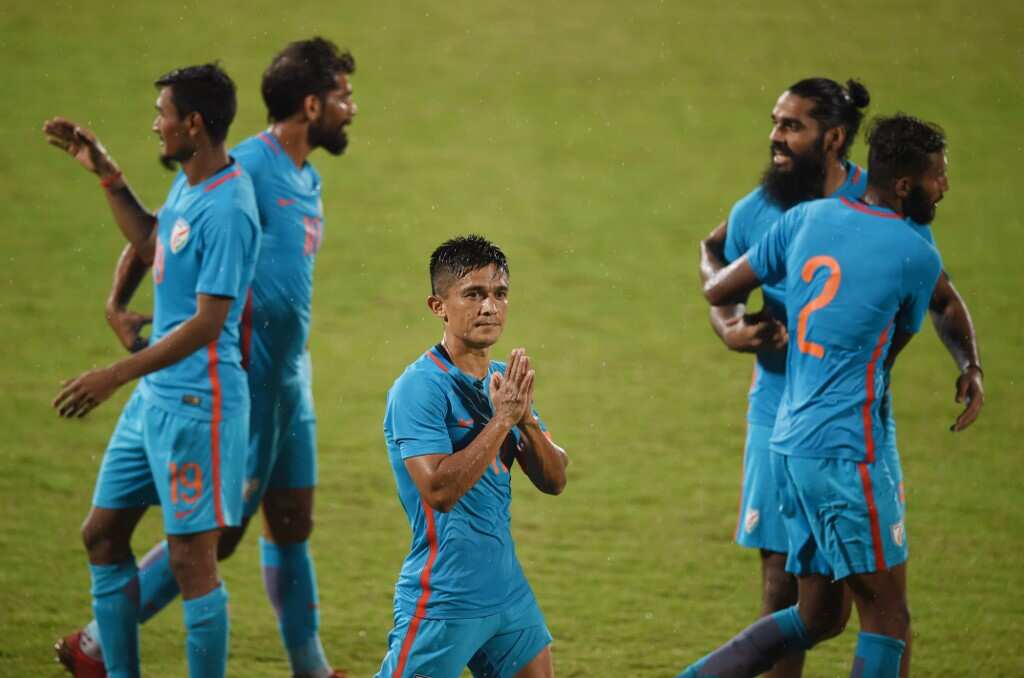
DSD: We have seen the Olympics cancelled, the Euros cancelled as well. Has coronavirus burst the artificial bubble of football?
Sunil Chhetri:Itmight take a temporary hit because the entire ecosystem of the financial world has been affected, but sooner or later that bubble will return. The bubble exists because the teams with more money will always be after the best players and will be willing to splash the cash on them. For there to be a real long term change in the way that the top clubs function, all the teams have to agree not to spend more than a particular amount on a player, which is not going to happen. So I think that there will be a massive reduction in expenditure when it comes to world football, but it will only be temporary. The football market is no different from the world market, there is natural growth over the years. In 2009, Real Madrid broke the transfer record to sign Cristiano Ronaldo in an 80 million Euro deal and in 2017 PSG broke the record again with a 200 million Euro Neymar deal. That doesn't mean that Neymar is a better footballer than Ronaldo, it is just how markets function over a period of time.
DSD: An example probably is the 140 million-plus sale of PhillipeCoutinho and now there is talk of Barcelona taking a 66 million Pound hit and sell him to Chelsea. Now he is a full Brazilian international and the joke here is actually on Barcelona and not an indictment of Coutinho. For too long the big clubs like Real Madrid, Barcelona, Man City, Bayern, PSG have splashed out big sums to buy players from smaller teams and do you now see this astronomical fees falling?
Sunil Chhetri: I feel only the price of the players will go down, but the big clubs are still going to buy the top names. Everyone is going to lose money from their kitty, it's not as if only Barcelona, Bayern Munich or Real Madrid will suffer financially, so will the lesser clubs across the world. The clubs' spending power will decrease, but since every club is losing money, the big wigs will still retain their market power. It's just how business works. There will only be a level playing field if all clubs agree not to spend more than a particular amount regardless of revenue or sponsorship income, and that amount is the same for all teams in the league. Even in the NBA where they have salary caps and many rules to try to maintain a level playing field, the big teams find loopholes in the laws to retain their power. That way they are always able to attract the best players. So I think overall, the balance of power will remain the same in the world of football.
DSD: Most leagues in Europe are suspended, there is talk that the Champions League final could be played in August. How difficult will it be for clubs to get their players up to full fitness after what could end up as a two to three-month break?
Sunil Chhetri:It is going to be extremely difficult for players to regain their fitness in such a short span of time if that is the case. I know the players are working out at home with whatever equipment they can, but working out and training on the pitch, spending time with your team-mates is a completely different ball game. Even when the players are allowed to come out and train, they will require a certain amount of time to prepare for the season, both physically and mentally. Also, it is important for the footballers to avoid injuries, so you cannot jump into competitive matches after spending two or three months at home. The players shouldn't be forced into playing matches just because a particular competition needs to be finished in a certain span of time, it is unfair on the footballers and increases the risk of injuries.
So if the season will return in the first few weeks of August, that means players would need to be back in training by end June. At the moment, I don't see any country in Europe allowing players to be out on the pitch in June. The FIFA president also warned against starting leagues prematurely because that could lead to more people getting infected with COVID-19, which would be a massive disaster. As a football fan, I want to be optimistic about things, I want the premier league and champions league to be back. Also, the more you delay the resumption of this season, the more the 20-21 campaign gets pushed. So I don't know how the challenge is going to be dealt with. But I repeat, until we overcome this coronavirus crisis, there can be no concrete plan in place for the footballing calendar.
DSD: ABritish medical expert has recommended that players must wear masks during training as well as matches once football resumes. Is it even possible or comfortable and not restrictive?
Sunil Chhetri: It doesn't look impossible, but I haven't tried it so I cannot say for certain. But if the worry is that the infection will be passed on to the other player on the pitch, then we have to be cautious about other aspects of a match as well. We spend so much time with players in the dressing rooms, use the same washrooms, hotels and have meals together. So all these things have to be looked at before we resume matches. Also in a sporting environment, if any person has it, the chances of the disease spreading quickly are very high, especially because football is a contact sport.
DSD: Already it is being estimated that the financial loss to the big leagues in Europe will be close to 4 billion Euros if seasons do not resume as sponsorship money, tv rights all etc then fall off the cliff.belgium has called off, Dutch league is about to be called off. It is a tightrope isn’t it, money or health?
Sunil Chhetri:We have to prioritise our health, that is the simple answer. Every well-meaning individual will do that. I 'm not sure how much money the leagues will lose over the course of the time, but whatever the amount is can be recovered. But if we are irresponsible or complacent of resuming action earlier than required and people's health is affected because of that, it will be a catastrophe. I'm sure we stand to lose massive amounts of money over the course of the next few months, but if we remain healthy we still stand a chance of recovering that amount in the next few years. Health must be the priority.
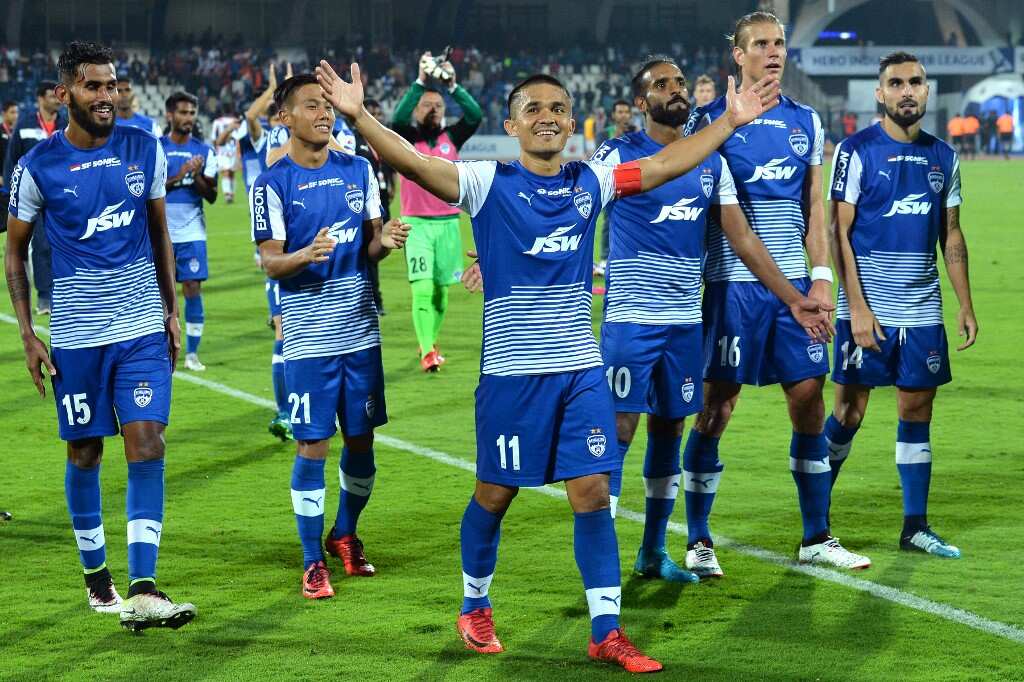
DSD: Should football resume behind closed doors as is being predicted? Wehad the ISL final being played behind closed doors.
Sunil Chhetri: when a top-level team trains, there are about 50-60 people at the ground at a particular time. If the season resumes behind closed doors, we will still have to train every day and go about our preparation as we normally do. That would require a large number of people to come in contact every day and constant monitoring will need to take place, those 50 or 60 people will also go back their families at home and the risk of spreading the virus is still present. Just because there are 30,000 or 40,000 people in a stadium, we think we will be safer in relative terms if we have matches behind closed doors. But the fact is that even if the season resumes, there will be a constant threat to the people involved in the matches, and that is not just the players and coaches. I think it will be better if we wait for the whole crisis to subside and then make a decision because we don't want to put lives at risk. In the best-case scenario, everything will get back to normal and fans will be able to watch us play.
DSD: For you, what are the lessons that we should all take on-board from this period of great strife?
Sunil Chhetri: I think we have to be more compassionate towards other people, especially people like us who are so privileged, we must also consider the need of others. We are all so consumed in the chase for material things, that every decision we make is a selfish one. We have to give back more because there are people who are struggling for their next meal. I have realised that I am in a privileged position because of the hard work of so many people around me. So I have realised that I can easily help those around me more. I feel it is unfair that I am so comfortable and there are people who do not know where their next meal will come from. I feel it's not right. I'm not trying to preach, I'm just speaking from a personal point of view. I have realised that I could have made more of a contribution in the last ten years. I was helping people, but maybe I was doing that just give myself satisfaction. But now I will strive to make more of a contribution in making the lives of others around me better. That is one thing I hope stays with me from this COVID-19 crisis.