
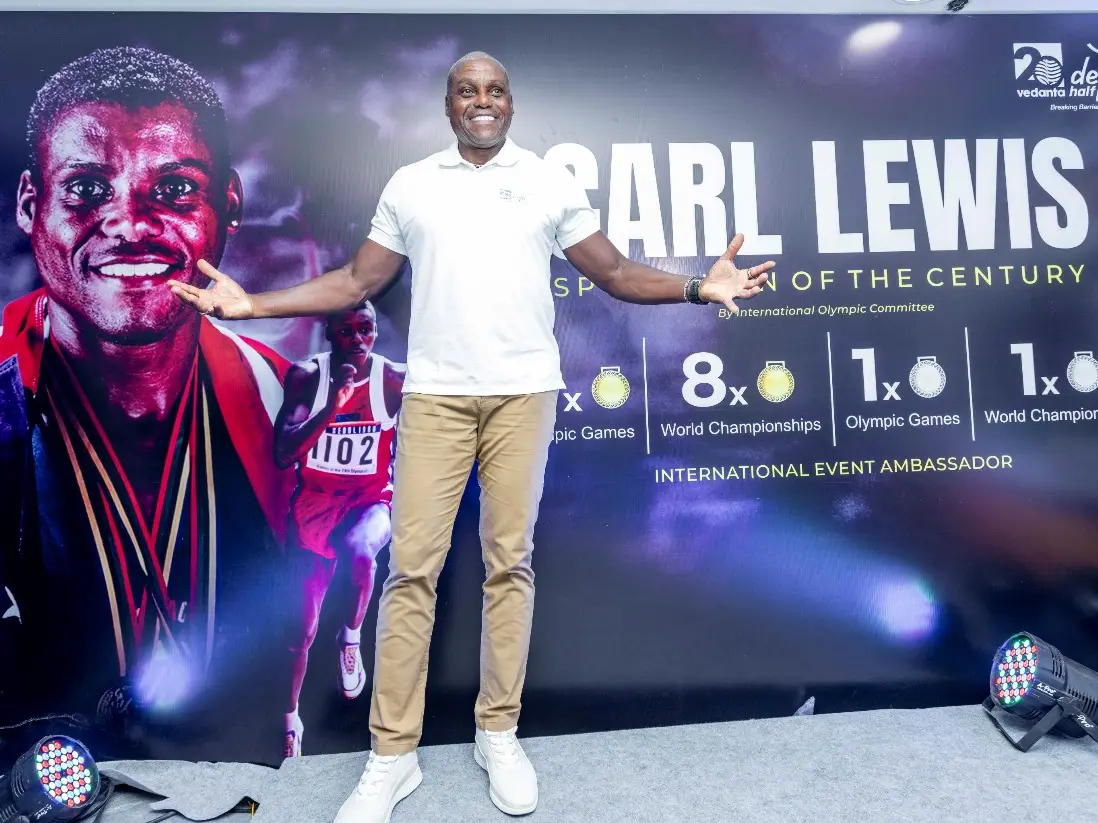
&imwidth=800&imheight=600&format=webp&quality=medium "Carl Lewis: If life was easy, everybody would be good at it; legendary American track and field athlete says, 'I am a homebody'")
In the pantheon of sporting legends, few names command the same reverence as Carl Lewis — former American track and field athlete. Over the course of a glittering career that spanned four Olympic Games, Lewis amassed 9 Olympic gold medals and 8 World Championship titles — the most by any track and field athlete in modern Olympic history. Lewis broke the world record in Seoul 1988’s 100m final, soared 8.67 metres in long jump and anchored the US world record 4x100m relay team in Barcelona 1992, and capped his career with an unprecedented fourth consecutive long jump gold at Atlanta 1996, cementing his place as one of the greatest track and field athletes of all time.
His performances transcended sport — whether it was matching Jesse Owens’ iconic four-gold feat at the 1984 Los Angeles Olympics, anchoring record-breaking relay teams, or leaping to an unprecedented fourth consecutive long jump gold at Atlanta 1996, Lewis didn’t just win; he redefined excellence. Yet behind the global icon who sprinted and soared to history lies a surprisingly simple truth. When asked to describe himself in one word, Carl Lewis chooses “Homebody.”
“I like to be at home,” he said with a smile. “I come home every day. I’ve had someone cook for me since the mid-80s. After practice, I come home for dinner, take a nap, and that’s my life. I like being home.”

This understated self-description sets the tone for a man whose extraordinary achievements were built not on constant spectacle but on routine, discipline, and a deeply grounded lifestyle. It is this champion’s mindset that Lewis brought to New Delhi as the International Event Ambassador for the Vedanta Delhi Half Marathon (VDHM) 2025, a World Athletics Gold Label race that has grown into a cultural and sporting landmark in India.
Also Read: BCCI planning BIG action against ACC chief Mohsin Naqvi for denying India Asia Cup trophy
At a packed press conference in the capital, Lewis spoke passionately about how the marathon is about more than just competition. “Breaking barriers is at the very heart of what the Vedanta Delhi Half Marathon represents,” he said. “What makes it unique is not just breaking barriers, but the cultural shift it inspires through sport. When amateurs run alongside Olympic champions, it shows how running can unite people from all walks of life. Every runner can say, ‘I ran with her, I ran with him,’ and that experience is truly inspiring.”
Trending Stories
)
US vs China over South China Sea: Washington backs Philippines, Beijing hits back
)
Bigg Boss 20: Isha Rikhi evicted after three weeks in Salman Khan’s show
)
Musk plans to more than double xAI's chips to over 1.2 million Nvidia GPUs by year-end
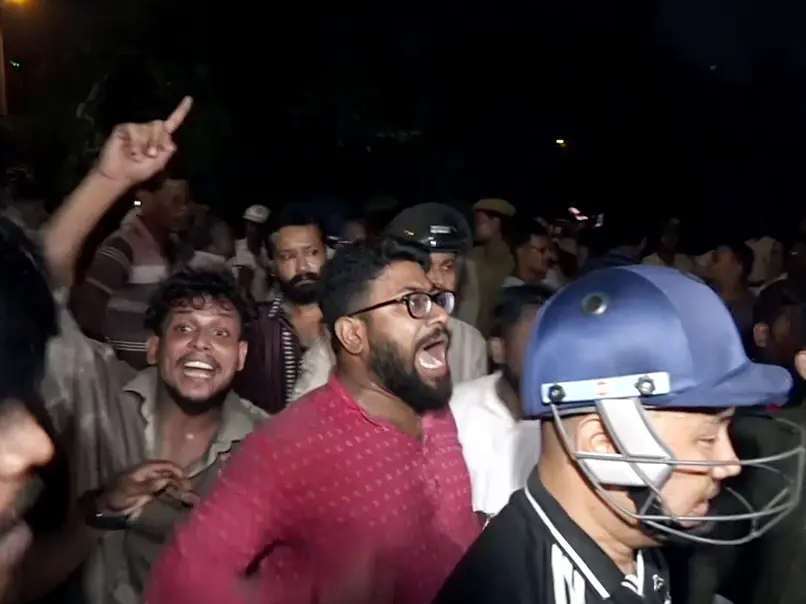)
After JU, clash erupts at SRFTI: BJP’s ‘Dimagi Naxal’ jibe sparks political firestorm after students protest RSS-linked event
)
‘Anti-social elements spreading false rumours’: LPU issues statement amid massive unrest over alleged rape
)
LPU students go on rampage, vandalise campus amid widespread protest: What's happening
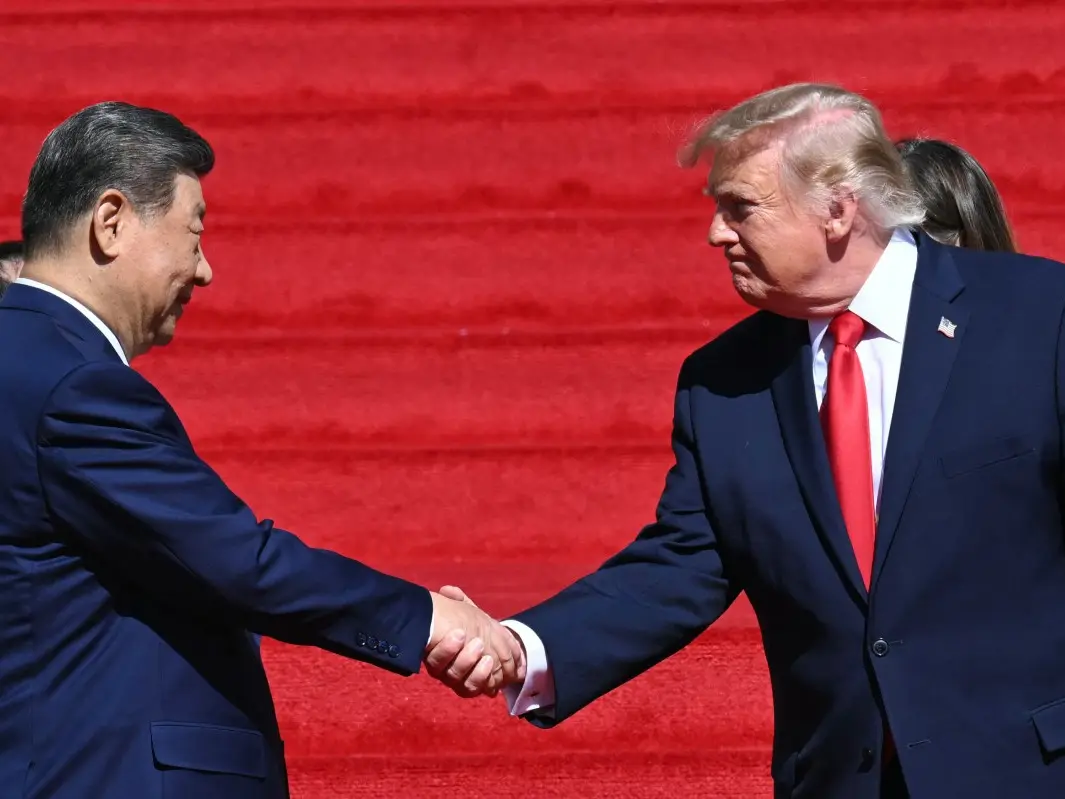)
Trump asked Xi to pressure Iran. China did not say yes — here’s what Beijing wants
)
US Treasury Secretary Scott Bessent hails global crackdown on Iranian banks and airlines
)
An OpenAI agent escaped its locked test cage again, by hiding questions in DNS lookups
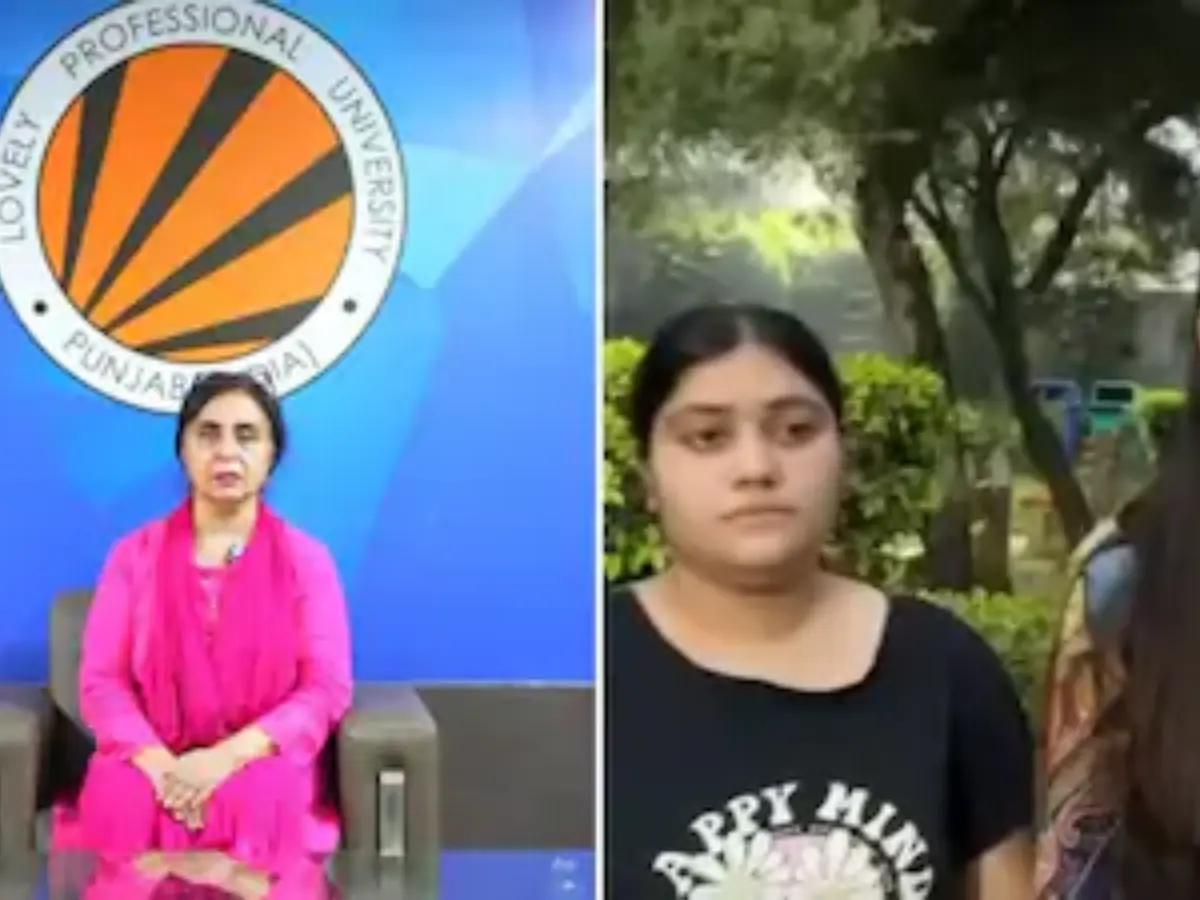)
'Our video was trimmed': LPU girls who featured in rape-denial video make U-turn
)
3 males killed, four others injured in shooting after fight at strip club in Detroit
)
'Victory for low-budget consumers': Raghav Chadha hails 30-day telecom recharge rules
)
Claude rebuilt the 1989 game 'Prince of Persia' by reusing the original's own code
)
Beyond metros: How Tier-2 and Tier-3 cities could drive India’s next AI wave
)
Tesla builds first Cybertruck with its own refined lithium: Elon Musk's $1 billion Texas bet pays off
)
IndiGo flight suffers tail strike in Bengaluru while landing; DGCA to probe incident
)
The US and China set up an AI 'red telephone', but skipped the rulebook
)
‘Terror suspects arrested near UK air base were looking to do big damage’: Trump
)
Russian envoy claims US tactics to contain India were revealed in ‘Freudian slip’
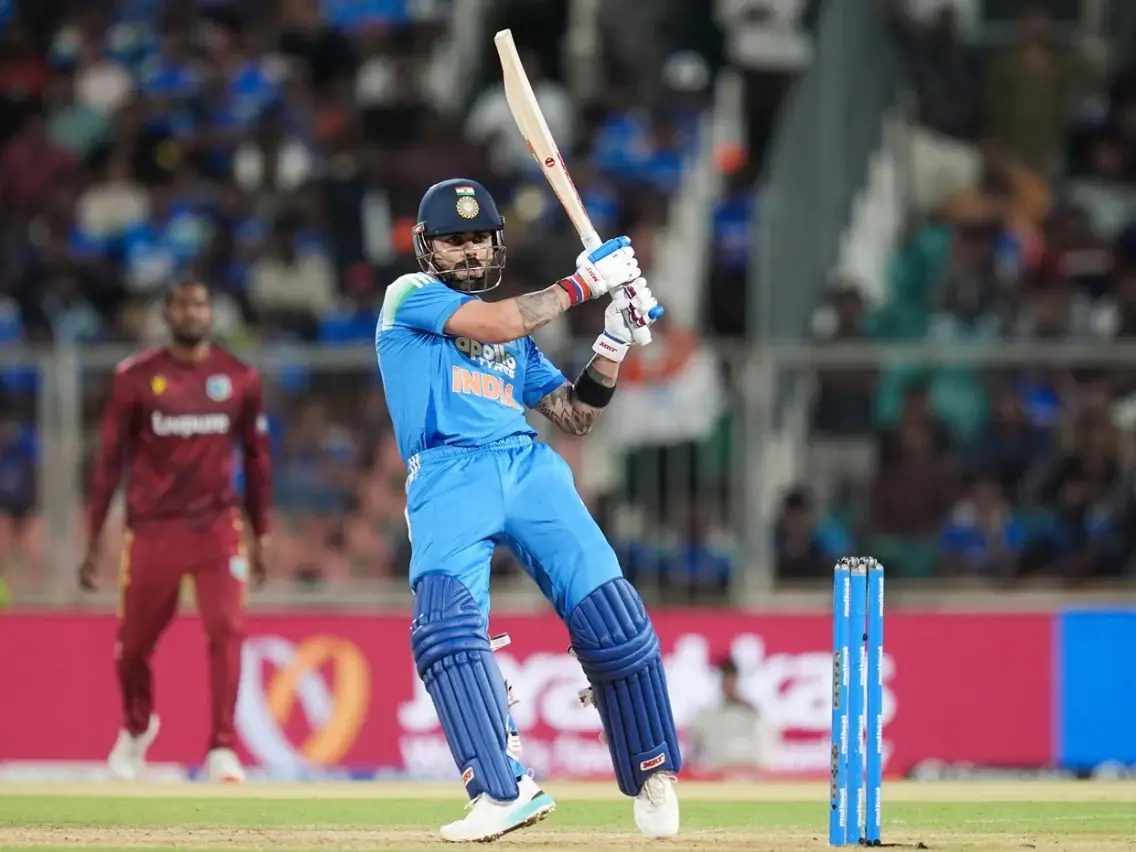)
IND vs WI 1st ODI: Kohli breaks Sachin's most runs in one country record with unbeaten 139 as India thump West Indies by 8 wickets
)
Researchers rebuilt exactly how 700 AI agents hacked Hugging Face: a 900-link chain trick
)
‘Olympic inclusion is our major target’: WPA President Ishaun Singh on pool’s global ambitions
)
Nations League: Spain sink England at Wembley; Modric shines for Croatia
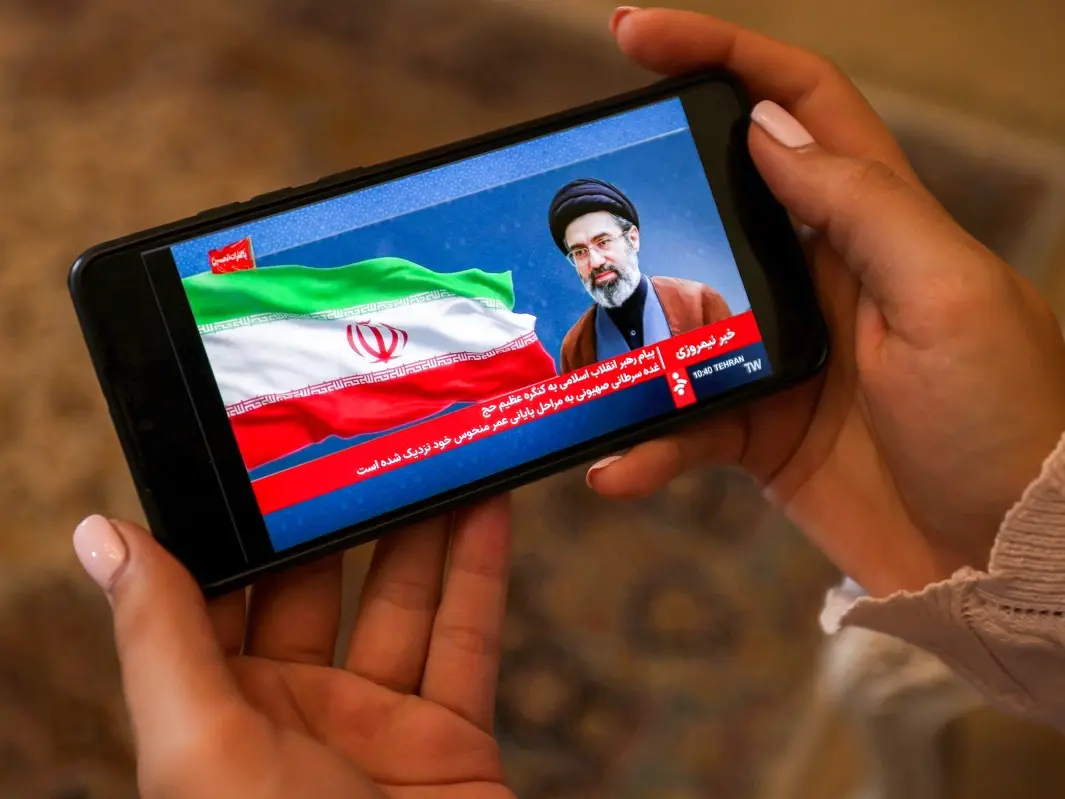)
Why has Iran released no proof of life of Mojtaba Khamenei? Araghchi reveals...
)
'What kind of confession is this?': Pakistan PM Shehbaz Sharif’s 'terrorists would be roaming New York' remark goes viral, raises alarm online. Watch
)
South Korea demands apology from Ukraine over North Korean prisoners' transfer
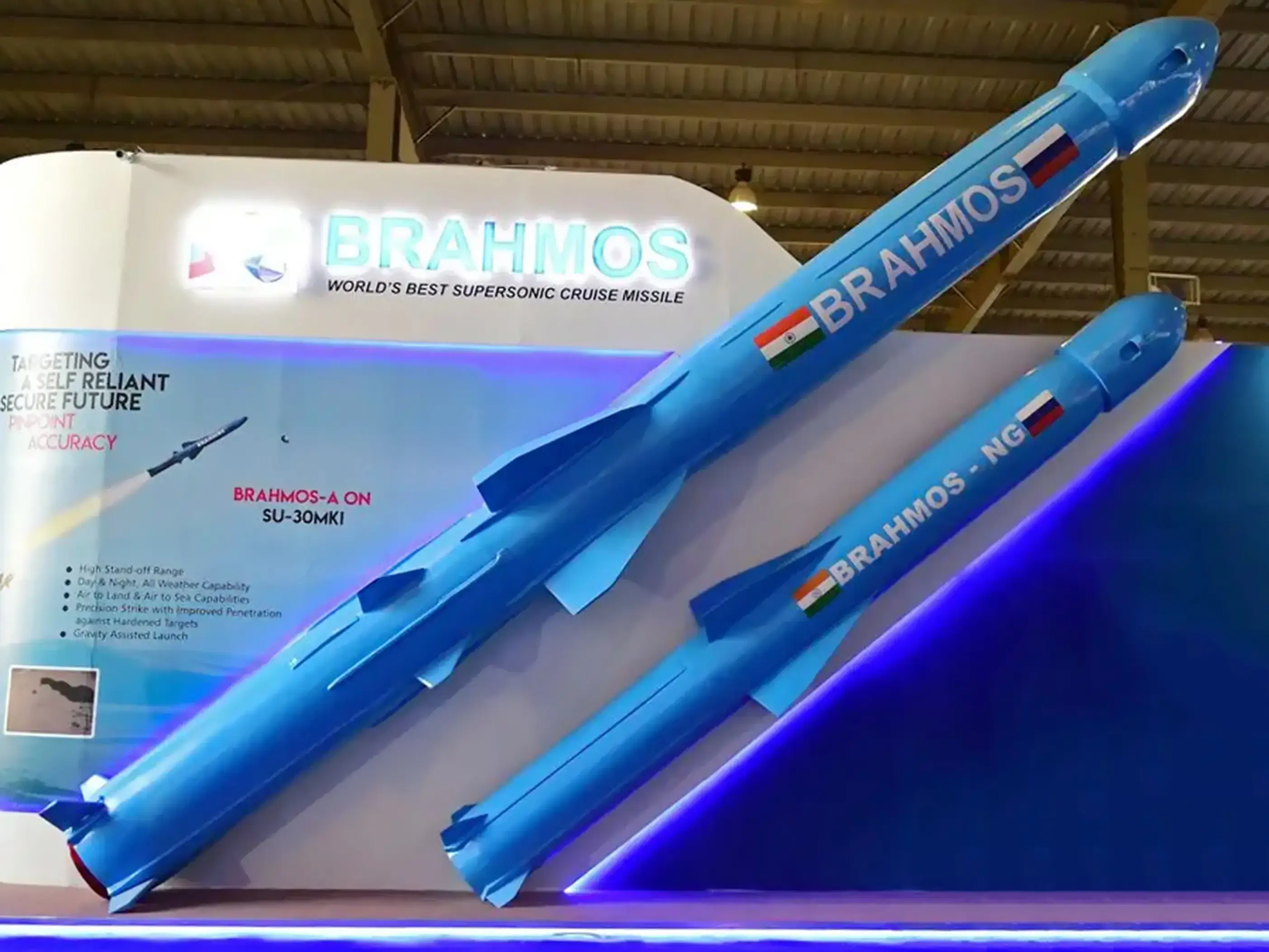)
Beyond BrahMos: India targets Rs 50,000 crore in defence exports with unmatched price edge
)
Sri Lankan Tamil migrant worker gets death sentence in Saudi Arabia, help sought from India
)
Muslim marriage cannot shield sex with minor wife from prosecution under POCSO: Delhi HC
)
'Can't help but draw painful parallels to Nirbhaya case': SC on latest incidents of rape cases in Delhi-NCR
)
99.9% more powerful - Scientists find boy who can recall memories from just 3 months of age
)
'FIRST LOOK from inside Noah’s Ark': Researchers share video from inside mysterious mound in Turkey
)
UNSC reform momentum grows: Russia, Portugal, Mauritius push for India's permanent seat bid
)
8 US marines injured in Iranian missile attack on vessel in Strait of Hormuz: Report
&im=FitAndFill=(700,400))
New OTT releases this week (September 28-October 4, 2026): Dupahiya 2, Pooja Meri Jaan, Ohh My Dog- 5 titles coming on Netflix, Prime Video and more
)
Afghanistan says 28 fighters killed in clash near Pakistan border, Islamabad denies
)
Ceuta migrant crisis: Protesters take to streets as Spain grapples with migrant challenge
)
LPU suspend classes, postpones exams as violence escalates over rape claims: What's happening
)
New York City wants a 'kill switch' on every AI, and will pay whistleblowers who report violations
When the conversation turns to doping, Lewis is characteristically forthright. India’s athletics community has been grappling with a surge in doping cases, and Lewis, who competed in a heavily scrutinised era, views it as both progress and challenge. “I think the numbers are going up because testing is getting better,” he explains. “But it’s concentrated in certain areas, not globally. We have to keep testing and create a sense of forever fear.”
For him, accountability is the missing piece. “If someone tests positive, we shouldn’t just get rid of them and move on. We should go after them financially. If you can’t reimburse or pay a fine, maybe your career ends. That’s on you.” He also points to broader cultural shifts. “We live in a world where fake things are allowed to become important. That’s why conversations around ‘enhanced games’ even exist. It’s less about sports and more about culture now.”
Lewis has watched the sport evolve dramatically since his prime. He readily acknowledges improvements in nutrition and technology, but he is concerned about the erosion of fundamental technique. “Nutrition and video technology have improved a lot,” he says. “But mechanics are worse. On Instagram, 95% of people teaching running are wrong. Thirty or forty years ago, there was accountability — the best people didn’t advertise; others advertised for them. Now anyone can give bad advice online.”
He points to systemic issues, too, like the lack of qualified physical education teachers in the US and the trend of renaming poor techniques to make them sound acceptable. “Science doesn’t change. But people are ignoring it,” he says, almost like a coach urging a return to the basics. On India’s sporting ecosystem, Lewis is equally clear-eyed. “India has enough talent to be a power in sports,” he says firmly. “What’s missing is infrastructure. Once infrastructure and role models are in place, minds will change. You have to show people it can be done.”
Also Read: Aryna Sabalenka marches Wuhan semi-finals, Coco Gauff makes light work of Laura Siegemund
It’s a sentiment that resonates in a country where many young athletes pursue sports not just for glory but for job security. For Lewis, the formula is straightforward: build systems, build icons, and the rest will follow. On the age-old debate of whether athletes are born or made, Lewis is pragmatic. “Some people are genetically predisposed to do things more than others. That’s just the way it is. But it doesn’t really matter. There are smart people and people who struggle; tall and short; it’s the uniqueness of our world.”
But his most powerful message is reserved for young athletes. “Two things,” he says. “If life was easy, everybody would be good at it. And second, I used to miss the parties, now I give them. You have to sacrifice to be who you want to be.”
He recalls choosing the University of Houston despite its poor facilities at the time. “I knew what I wanted and was willing to sacrifice. My coach changed my technique 100%. It wasn’t easy. But I had the courage to stay long enough to see the benefit.”
For him, success isn’t built on shortcuts — it’s built on vision, patience, and sacrifice. Despite his unmatched medal haul, when asked what he misses most from his competitive days, Lewis doesn’t mention records or podiums. “I miss practice,” he says. “In my 20s and 30s, there were eight of us training together. We’d hang out, ride motorcycles, camp. Now everyone’s scattered. I really miss that camaraderie.” It’s a reminder that even for legends, the heart of sport lies in the shared journey, not just the finish line.
Carl Lewis’s reflections are more than nostalgia. They are a blueprint for a sporting culture built on accountability, infrastructure, science, and sacrifice. As India prepares for another edition of its marquee half marathon, his words echo beyond the track: greatness isn’t a moment, it’s a mindset — one built day after day, quietly, at home. The event, which kicks off on 12 October, 2025 from Jawaharlal Nehru Stadium, will take runners past Delhi’s most iconic landmarks — from Lodhi Gardens to India Gate — offering a world-class racing experience that mirrors the city’s vibrancy. With Lewis fronting the 2025 edition, the event is set to celebrate endurance running while inspiring a deeper cultural shift in how India views sport.

