Pakistan illegally smuggling oil from Iran after Saudi Arabia cuts its supply

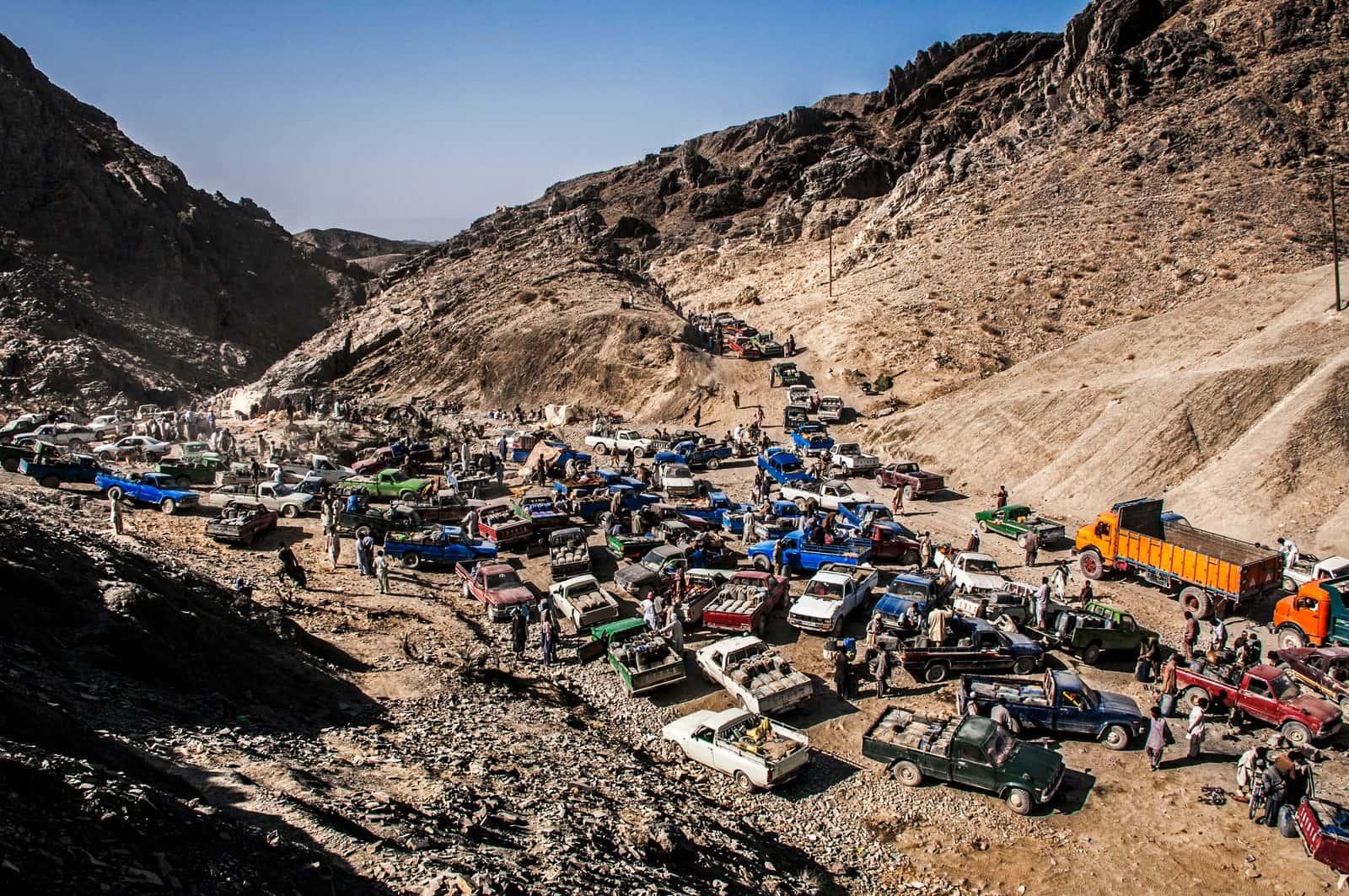
Pakistani diesel smugglers
The entire supply chain of petroleum products in Pakistan suffered badly when Saudi Arabia cut off the country's oil supply.
However, Pakistan is illegally smuggling oil from the Iran-Pakistan border via different routes to complete its deficit, according to a recent report.
For years, diesel smuggled from Iran has supplemented the 2.7 million to 3 million tons (20 million to 22 million barrels) of diesel that Pakistan’s state oil company buys from the Kuwait Petroleum Corp each year.

The illegal trade cooled in late 2010 when Iran cut fuel subsidies, narrowing profit margins for importers. But smugglers have gone into overdrive since late September.
Now, Iran has been requestedto take serious measures to stop the smuggling of oil into Pakistan.
Speaking at a meeting of the Pak-Iran Joint Border Commission, Balochistan Chief Secretary retired Capt Fazeel Asghar said that the smuggled Iranian oil had been affecting Pakistan’s economy.
)
'Mumma’s boy from Gwalior who dared to dream': Kartik Aaryan pens long note after first National Award win
)
Oil slips to $98 as Saudi Arabia restarts East-West oil pipeline
)
Asian Games 2026: India women's cricket team beats Sri Lanka by 147 runs for first gold
)
Over 4,200 books withdrawn from circulation in J&K colleges, 94% from Kashmir
&im=FitAndFill=(700,400))
National Film Awards 2026: Kartik Aaryan, Mammootty, Yami Gautam, Randeep Hooda and other key winners
)
'This is normally what toddlers do': Why a psychiatrist is raising fresh questions about Trump’s recent behaviour
)
Trump-Xi state dinner 2026: Who is invited? Full guest list of tech CEOs, business leaders and officials
)
IND vs JPN, one-off T20I: Japan captain Kendel on pushing India to the brink - ‘It was special’
72nd National Film Awards: Kartik Aaryan receives Best Actor honour for Chandu Champion in Gujarat
)
Trump calls on nations to quit ‘rogue’ and ‘out-of-control’ International Criminal Court, rips UN
)
US and China vie for AI dominance as calls grow for regulation | Gravitas
)
Raaka creates history! Allu Arjun’s film secures Guinness World Record ahead of release
)
Glitch in the matrix caught on camera: Woman vanishes after talking to reporter
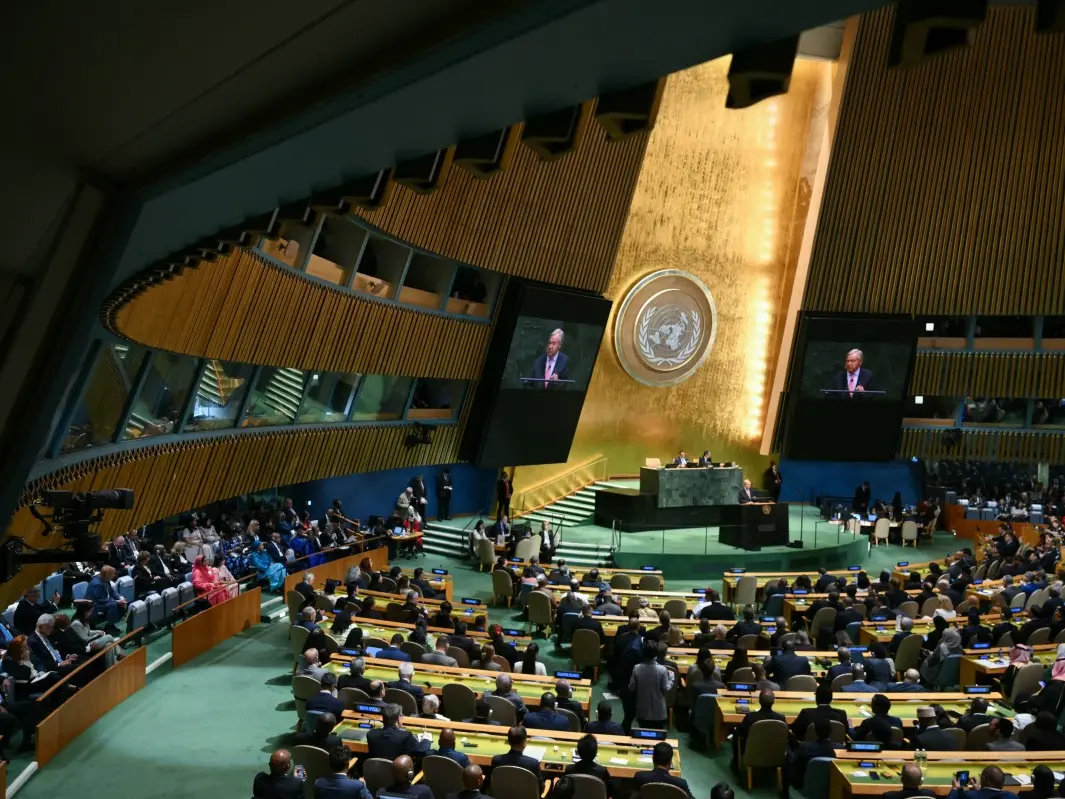)
World leaders repeatedly call Gaza crisis ‘genocide’ as Israel’s war dominates opening sessions of UNGA
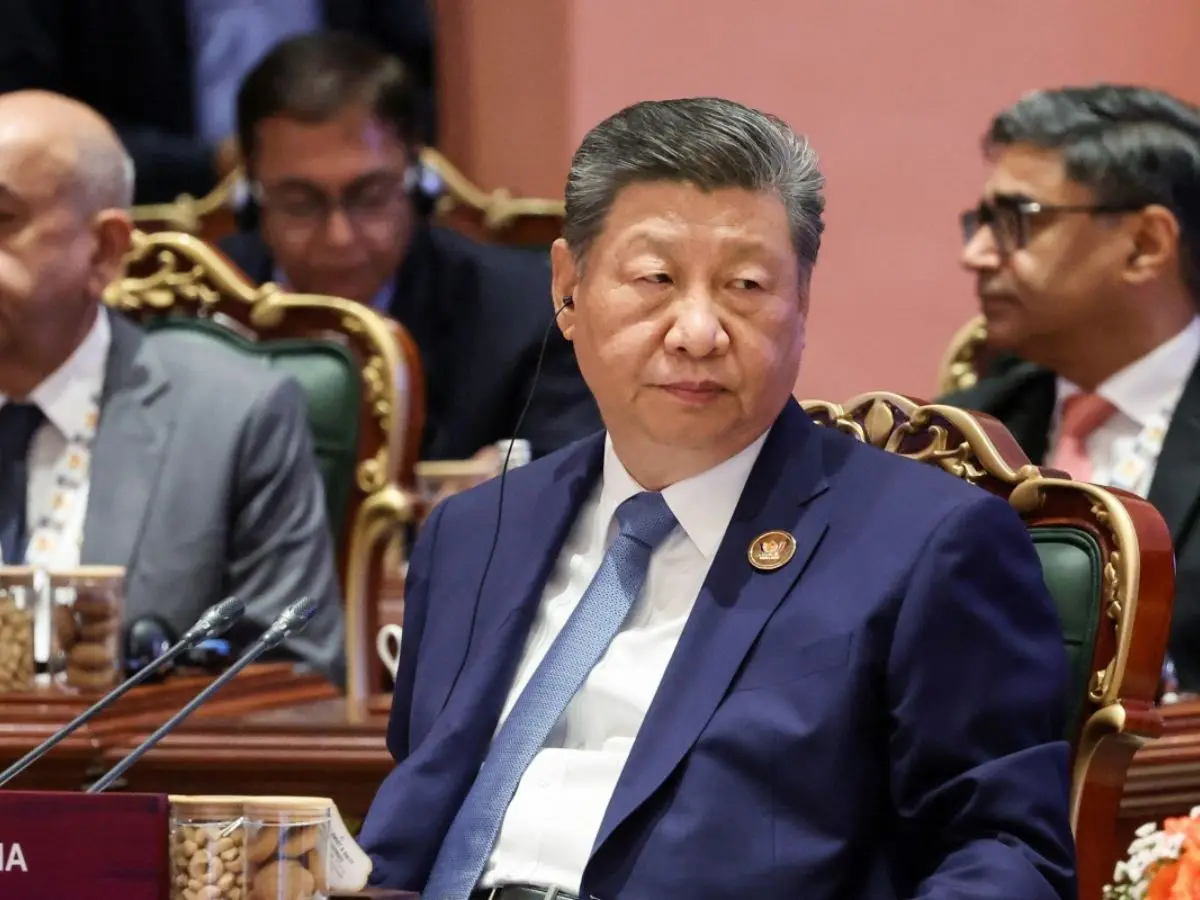)
Ten days from Delhi to Washington: What Xi's BRICS-to-White-House sprint means for India
)
WION Iconic Tourism Summit and Iconic Awards 2026: India's travel economy leaders gather in Delhi
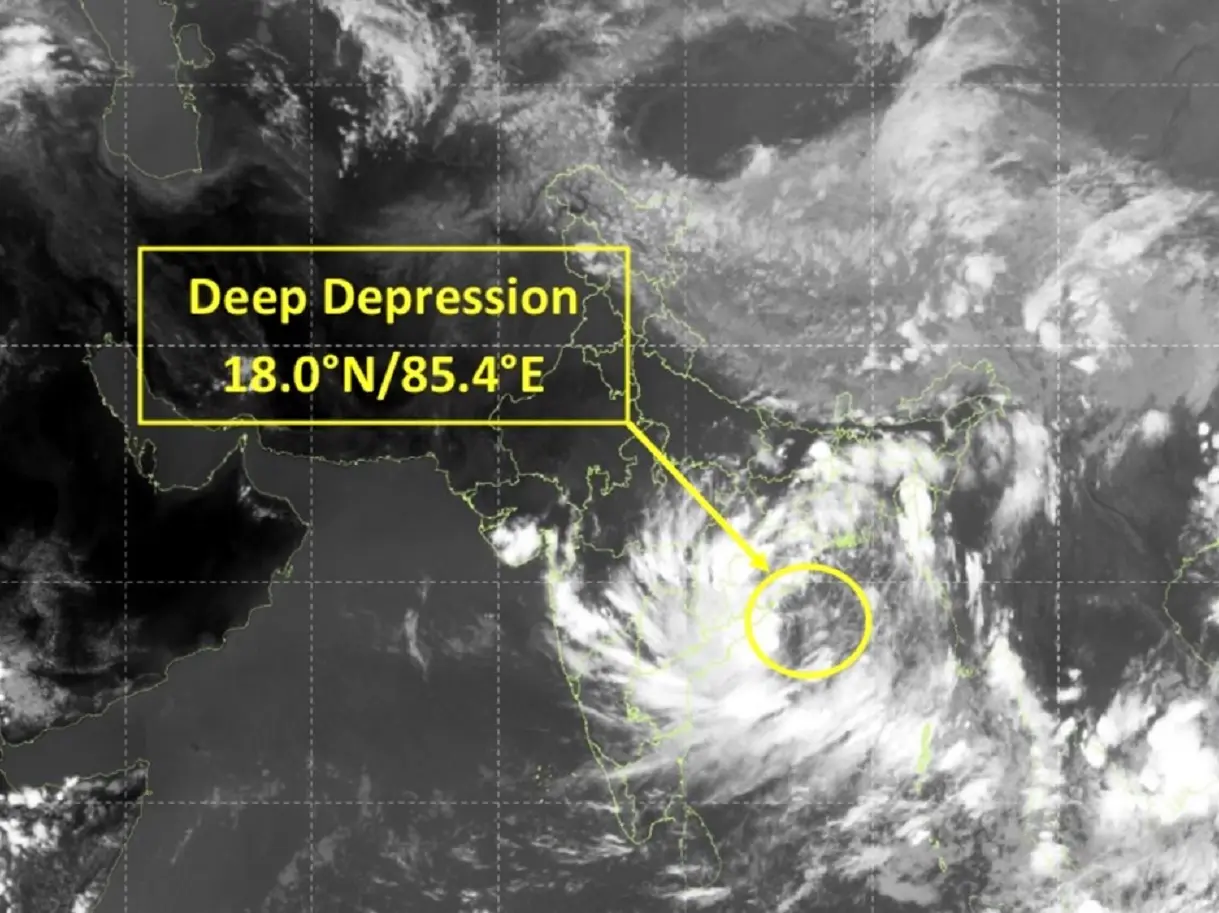)
Cyclone Arnab: Landfall expected before midnight tomorrow as IMD issues orange alerts across six states
)
Mumbai: Gallops restaurant at Mahalaxmi Racecourse licence suspended over food safety violations
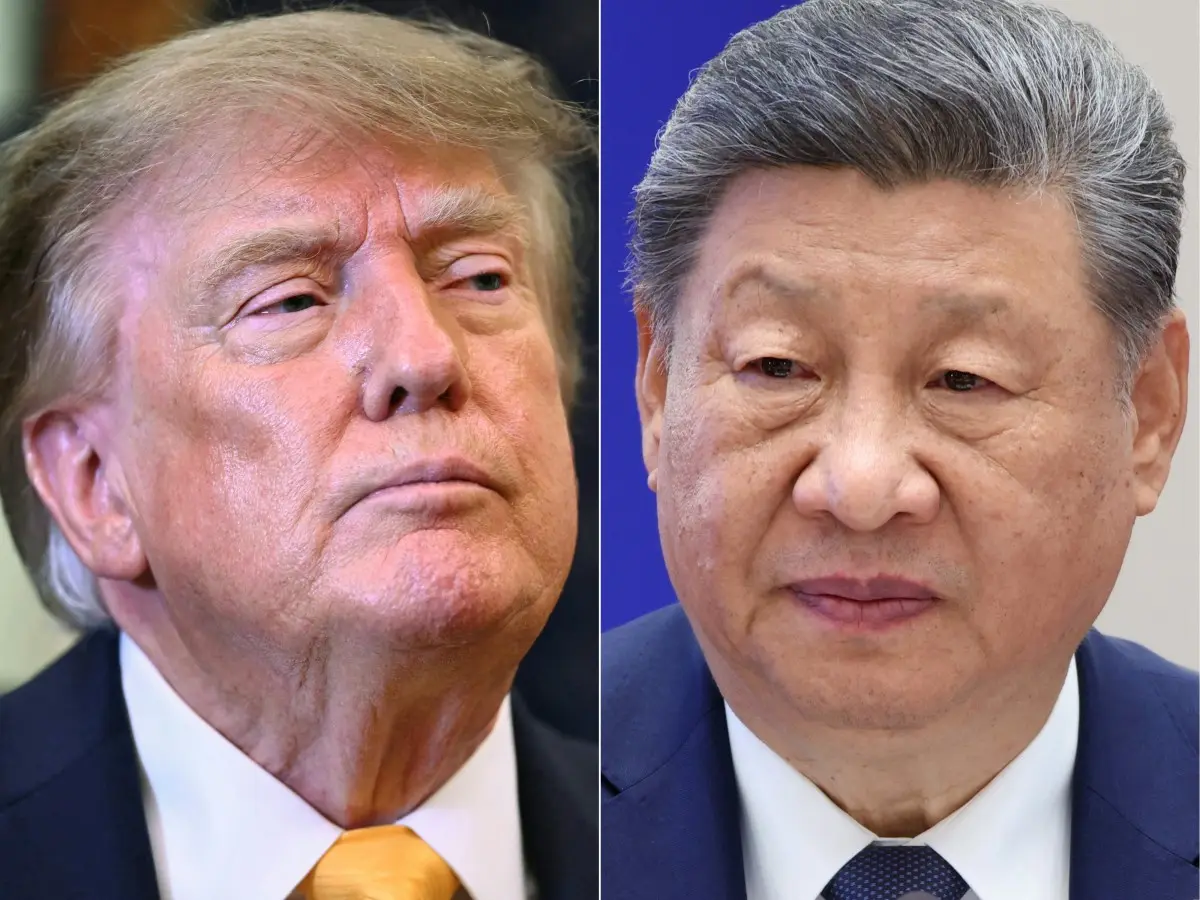)
Trump’s China visa crackdown puts US universities, Chinese students in focus ahead of Trump- Xi summit
)
‘Shame on you’: Netanyahu vows to ‘tell the truth’ about Mamdani at UN ahead of New York visit
)
ICC plans T20I expansion and fewer ODIs in 2027–2031 FTP cycle: Report
)
‘Strike a deal or drive Iran into hell’: Trump issues fresh warning to Tehran at UNGA
)
Yemen clashes kill 154 people in two days as cornered Saudi battles Houthi offensive | Gravitas
)
Who is Clavicular? The 20-year-old controversial 'Looksmaxxing' influencer charged with rape allegations
)
Key accused in Bihar's Jamui molestation case, arrested after police shoot him in leg
)
Four decades after leaving Kolkata, the Birlas may be coming back for more
&im=FitAndFill=(700,400))
New OTT releases this week (September 21-27, 2026): Shaque: Trust No One, Hunkkaar, Don’t Be Shy- 5 new titles coming to Netflix, Prime Video and more
)
American manufacturing is reshoring faster than its factory floors can absorb
)
National Film Awards 2026: Yami Gautam wins Best Actress for Article 370
)
Rani Mukerji's mother Krishna Mukerji passes away; Karan Johar, Jaideep Ahlawat visit actress
)
'Our team opened the gate of gold medals': Harmanpreet Kaur on India’s Asian Games final win
)
Gravitas | Boosting NHS productivity could save 20,600 lives in UK annually: Report
)
The Verdict | Moral policing isn’t culture or discipline, it’s crime
)
'Needs time away from the international scene': England white-ball captain Brook on pacer Brydon Carse's future
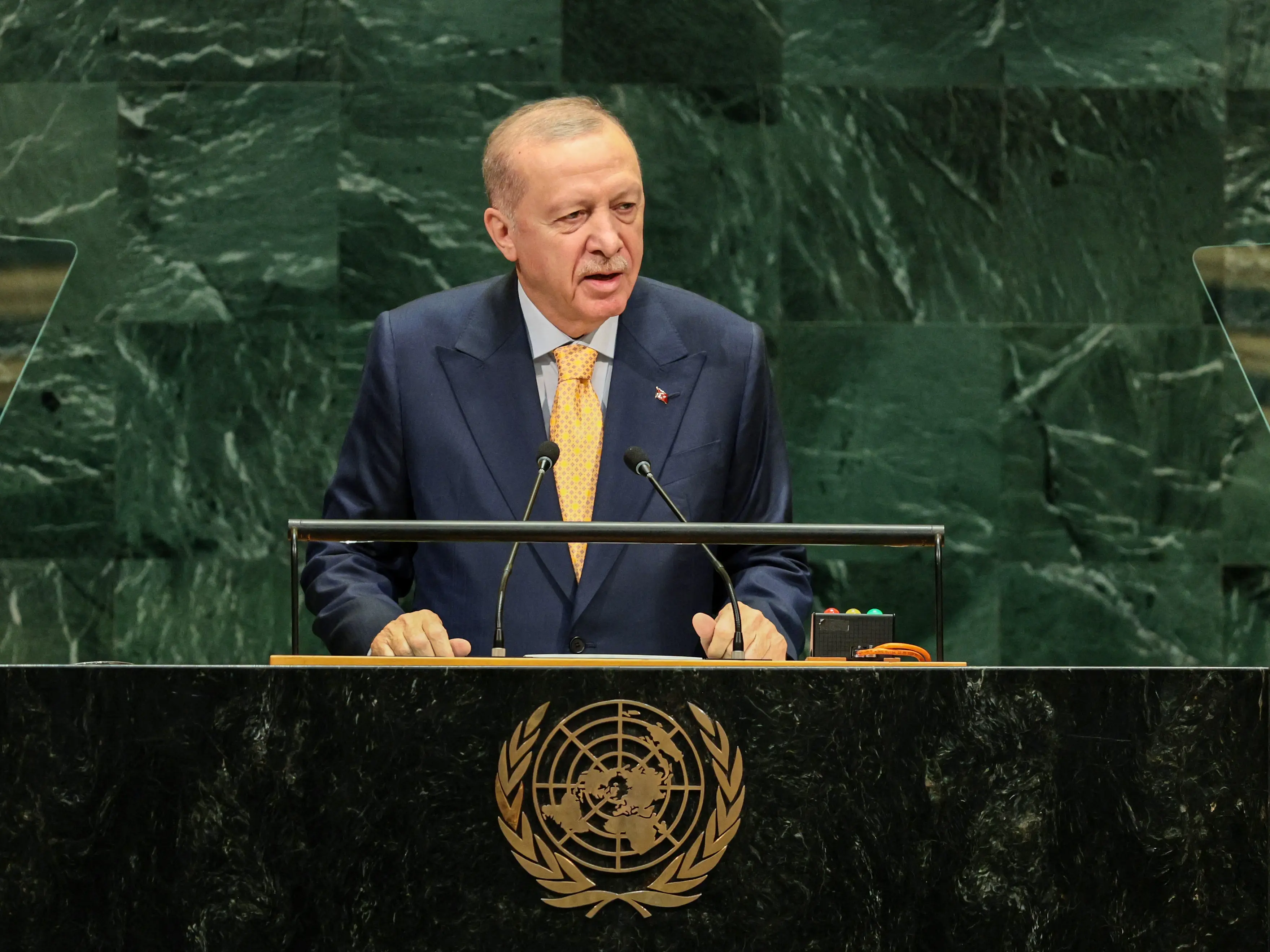)
Erdogan again raises Kashmir issue at UNGA, calls for dialogue under UN Charter
)
Saudi Arabia exits China-led mBridge digital currency platform amid Saudi-Houthi conflict
)
WION Iconic Tourism Summit and Awards 2026: Key voices to discuss India’s tourism future
)
Justice eludes Air India 1985 bombing victims as Canada probe goes 'inactive' | Gravitas
)
Explainer: Why rare-earth export licences and Board of Trade are US priorities ahead of Trump-Xi summit
)
Trump calls Cuba a ‘failed state’ at UN, Cuban delegation walks out
He said the Balochistan government and security forces had been taking action to stop oil smuggling and seized 348 million litres of Iranian diesel and petrol during last year.
The findings of an inquiry commission on the shortage of petroleum products state that the smuggling of Iranian oil is a reality. “The quantum of smuggling through the land route [is] approximated at Rupees 250 billion.”
The report said the government must sensitise the concerned agency to take strict measures at the Pak-Iran border to curb this huge evasion of tax revenue.
Likewise, it said, smuggling through the sea route continues. Only in the month of July this year, two huge consignments of Iranian contraband oil were apprehended on the information of international agencies. In this regard, the PakistanCoast Guards assisted by the Pakistan Customs have to play their effective role and they may be directed as such, the report says.
The report recommended that the government must set up additional quality control laboratories across Pakistan. There is also a dire need of mobile testing units. In coordination with the district administration, such units should routinely check the quality of petroleum products in retail outlets and depots in their area of jurisdiction to curb this menace.
Two case studies, quoted by the report, said that the Hydrocarbon Development Institute of Pakistan (HIDP) tested two imported oil consignments and concluded that to the extent of tests carried out, the sample results fall under the typical characteristics of Oman/Iranian crude oil.
During the course of the inquiry, the report said, the commission was taken aback at the decision of the so-called ban on petroleum products in March-April 2020. This was an irrational decision driven by the inertia that prevailed both in the ministry of energy, petroleum department (MoEPD) and Oil & Gas Regulatory Authority (Ogra).
The report pointed out that India had filled its tanks/storages with 37 million metric tons of petroleum products when prices fell. Starting from a failure to develop strategic storage coupled with not getting the refinery stock lifted by the Oil Marketing Companies (OMCs) (in Feb, March and April), Pakistan lost out on a great opportunity. As long as the refinery stocks are lifted as per the quota allocation mandated by law, why should the private OMCs not be allowed to import as much as they can afford? Even if OMCs make money on the import of cheap oil cargo, it is a fair proposition in any free business environment, the report said.
The commission recommended that in future product review meetings (PRMs), only quotas of local refineries should be fixed as per the market shares of the OMCs (or as decided by mutual deliberation of the OMCs). The OMCs should only give their import plans and MoEPD should be content with a minimum stock of 20 days by each OMC. Had this practice been in vogue, all OMCs and the Pakistan government would have saved millions in foreign exchange through cheap procurement in April and May 2020.
It was also recommended that all illegal outlets must immediately be shut down while simultaneously initiating action not only against their owners but also against those who allowed them to prosper. In the same vein, the practice of unlawful regularisation of retail outlets built in violation of rules must be put to an end. No one knows the exact number of retail outlets operating in Pakistan be it MoEPD, department of explosives or Ogra. With he help of the district administration, the MoEPD, department of explosives and a representative of the OMCs, the exact number should be reconciled. Standard operating procedures should be developed so that this data is updated every month. The exact number and OMC-wise location of such retail outlets would thus be known to all concerned.
The report said both Ogra and MoEPD had been using an archaic formula of price fixing, dependent on the retrospective purchase prices of Pakistan State Oil. Though acceptable in normal times, this formula could not withstand the price volatility of the international market. During the course of this inquiry, the price fixing formula has been changed and is made dependent on fortnightly Platts rates. The average of 15 days Platts rates serves as the base of the ex-refinery price. This was a long-awaited correction. The commission, however, is of the view that this mechanism may be appraised after six months and the government might consider the same formula with an average of 30 days instead of 15 days. Such a step would decrease the number of frequent price changes bringing it to 12 instead of 24.
As Western powers tighten sanctions on Iran, an unexpected set of beneficiaries has emerged in the hard-scrabble Pakistani province of Baluchistan - smugglers lured by surging profits for black market fuel.
Diesel smuggling has long been a part of the illicit trade in Baluchistan, where a thriving commerce in goods from guns and narcotics to duty free cigarettes and second hand Toyotas constitutes one the arteries of the globalised criminal economy.