Opinion: Remembering Jyotiba Phule in a conflicted time

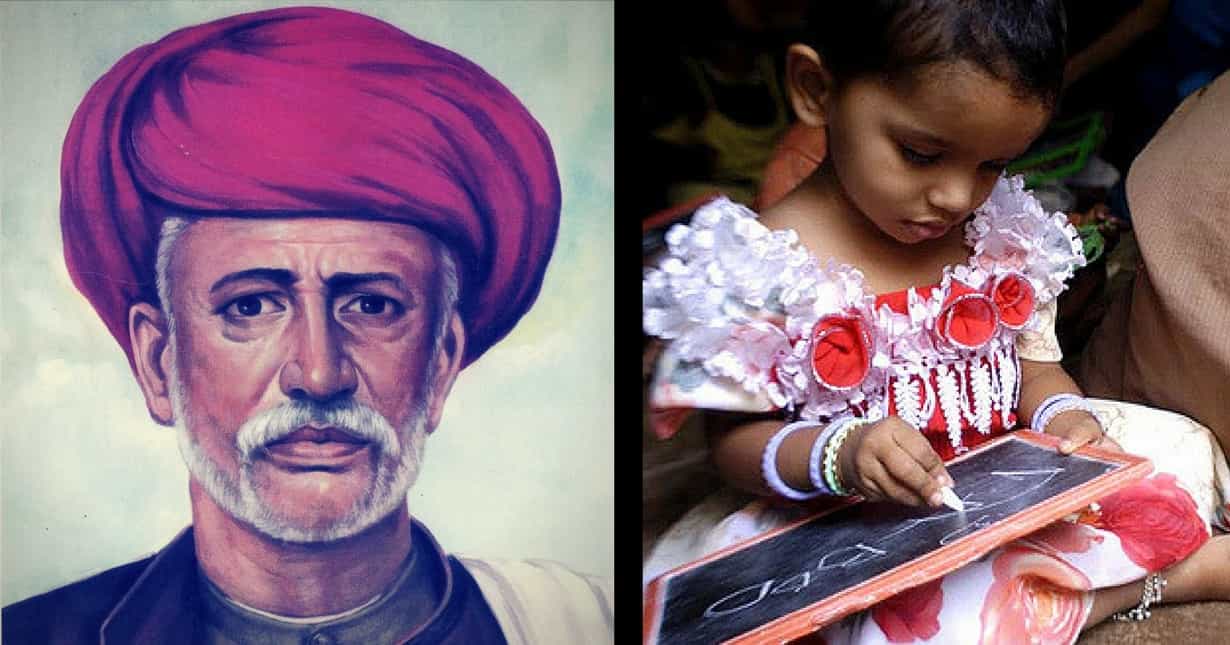
Jyotirao Phule
Phule argued that education of women and the lower castes were a vital priority in addressing social inequality.
When Iswar Chandra Vidyasagar, the pioneer social reformer from Bengal, was opening up the Bethune School for girls in Kolkata, Mahatma Jyotiba Phule was pioneering another revolution on the west coast of India. Born into a Dalit family and a firm believer in the cause for women's education, Phule opened up the first school for untouchable girls in his hometown of Pune.
In many ways, Phule's struggle surpassed that of Vidyasagar. While the latter, famous for his role in opening up educational opportunities for women and in picking up the cudgel to legalise widow remarriage, depended mainly on educated high-caste Bengali families to send their girls to his schools, Phule concentrated on uplifting the most marginal members of the Indian society.
Moreover, while Vidyasagar because of his government job as the school inspector was very close to the colonial bureaucracy, Phule had none to back up his cause. Shunned by the upper castes of the Hindu society for his daring effort, isolated by his own family members who feared reprisal, Phule traveled the treacherous road assisted only by his wife Savitri Phule. Incidentally, Phule married an illiterate Savitri, as was usual during the age, but taught the young girl himself. Even here Phule's life stands in contrast to that of Vidyasagar who kept his wife uneducated because his mother was against it.

Phule is remembered, along with BR Ambedkar, for the extraordinary role they played in the upliftment of Dalits. But this homogenising narrative of Dalit upliftment often obscures the exceptional role he played in making gender equality an integral component of the larger empowerment discourse.
Such deep-seated was Phule's conviction about the need for education as a tool for upliftment that the 3 guidelines of the Satyasodhak Samaj, which he founded in 1873, contained the precepts: 'I shall educate my sons and daughters.'
It is through educating the women, Phule thought, that he will be able to undermine Brahmanical culture system most effectively. The Hindu higher castes, particularly, the Brahmins were most singularly opposed to educating their girls. Uneducated and disempowered, the girls unwittingly served the patriarchal values of the Hindu society.
&imwidth=180&imheight=135&format=webp&quality=medium)
Girl 'dead' for 8 hours wakes up at her own funeral, dad insists she wasn't breathing
&imwidth=180&imheight=135&format=webp&quality=medium)
Sidhu Moose Wala’s younger brother wins hearts by recreating late singer’s signature move at Toronto Hologram Show
&imwidth=180&imheight=135&format=webp&quality=medium)
‘My president, I mean my husband’: Trump's new press secretary Katie Zacharia's first briefing goes off the rails in 14 minutes
&imwidth=180&imheight=135&format=webp&quality=medium)
Trump accuses Houthis of driving up oil prices before US midterms, warns of consequences
&im=FitAndFill=(700,400)&imwidth=180&imheight=135&format=webp&quality=medium)
New OTT releases this week (October 12-18, 2026): Sacrifice, Koffee with Karan S9, Roadies Rebirth- 6 titles coming on Netflix, JioHotstar and more
&imwidth=180&imheight=135&format=webp&quality=medium)
Arijit Singh 9-city India stadium tour to start from January: Check venue and ticket prices
&im=FitAndFill=(700,400)&imwidth=180&imheight=135&format=webp&quality=medium)
Navratri 2026: 9 days, 9 forms of Goddess Durga and 9 colours- Check the complete list
&imwidth=180&imheight=135&format=webp&quality=medium)
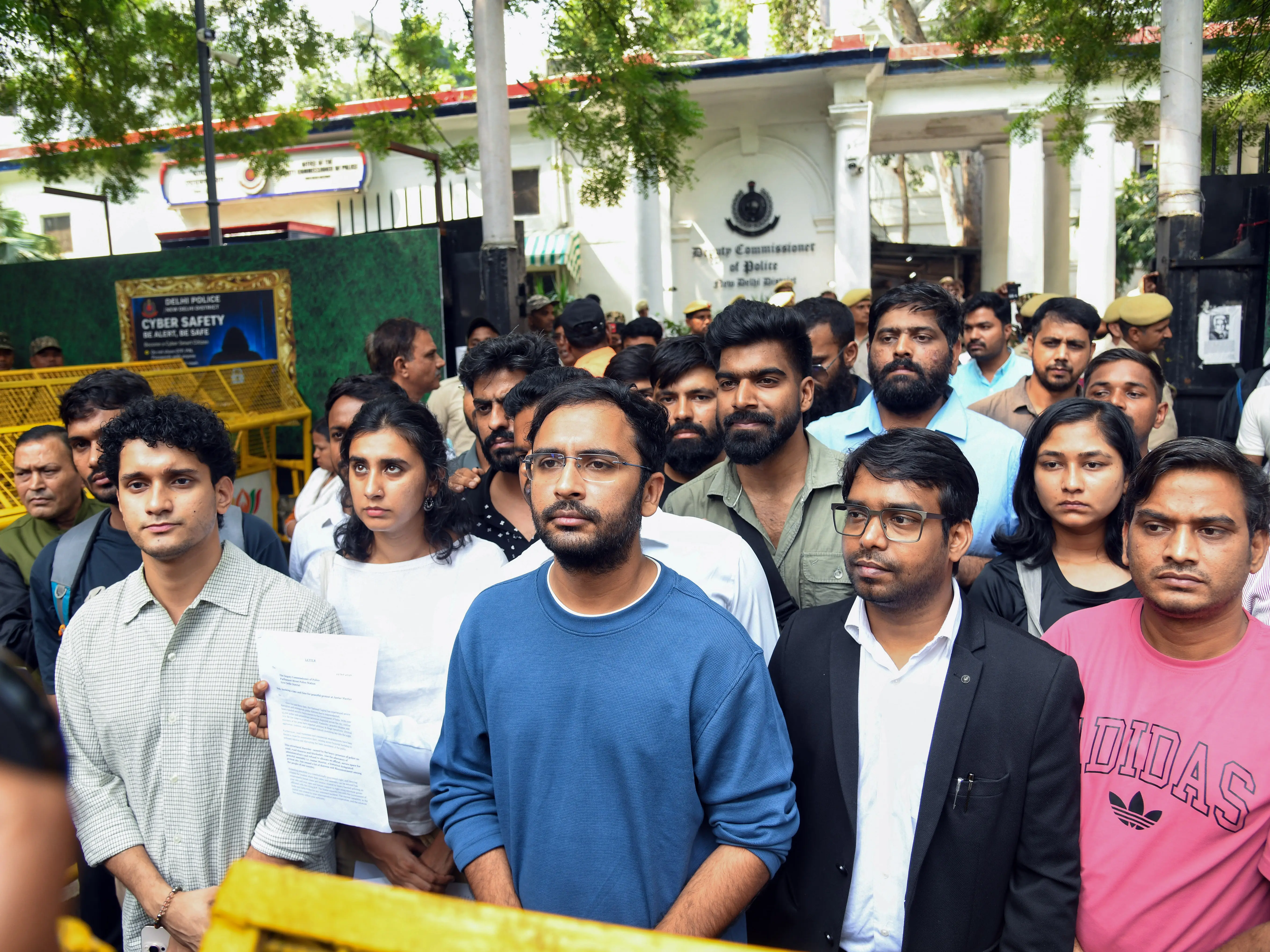
Delhi Police arrest Cockroach Janta Party's Saurav Das, Ashutosh Ranka, Ajinkya Shinde in Jantar Mantar case, to be produced before court
&imwidth=180&imheight=135&format=webp&quality=medium)
Cornell University suspends fraternity parties over 2024 gang rape allegations
&imwidth=180&imheight=135&format=webp&quality=medium)
Durga Puja 2026: Kolkata roads get a splash of colours
&imwidth=180&imheight=135&format=webp&quality=medium)
Air India Flight from Frankfurt diverted to Jaipur after hijack alert, probe on
&imwidth=180&imheight=135&format=webp&quality=medium)
Marco Rubio to visit India next week, focus on energy cooperation and strategic ties
&imwidth=180&imheight=135&format=webp&quality=medium)
Netanyahu wants to join Saudi's war on Houthis, but Crown Prince denies: Report
&imwidth=180&imheight=135&format=webp&quality=medium)
UK school ditches technology, shifts from screen to pen and paper for learning
&imwidth=180&imheight=135&format=webp&quality=medium)
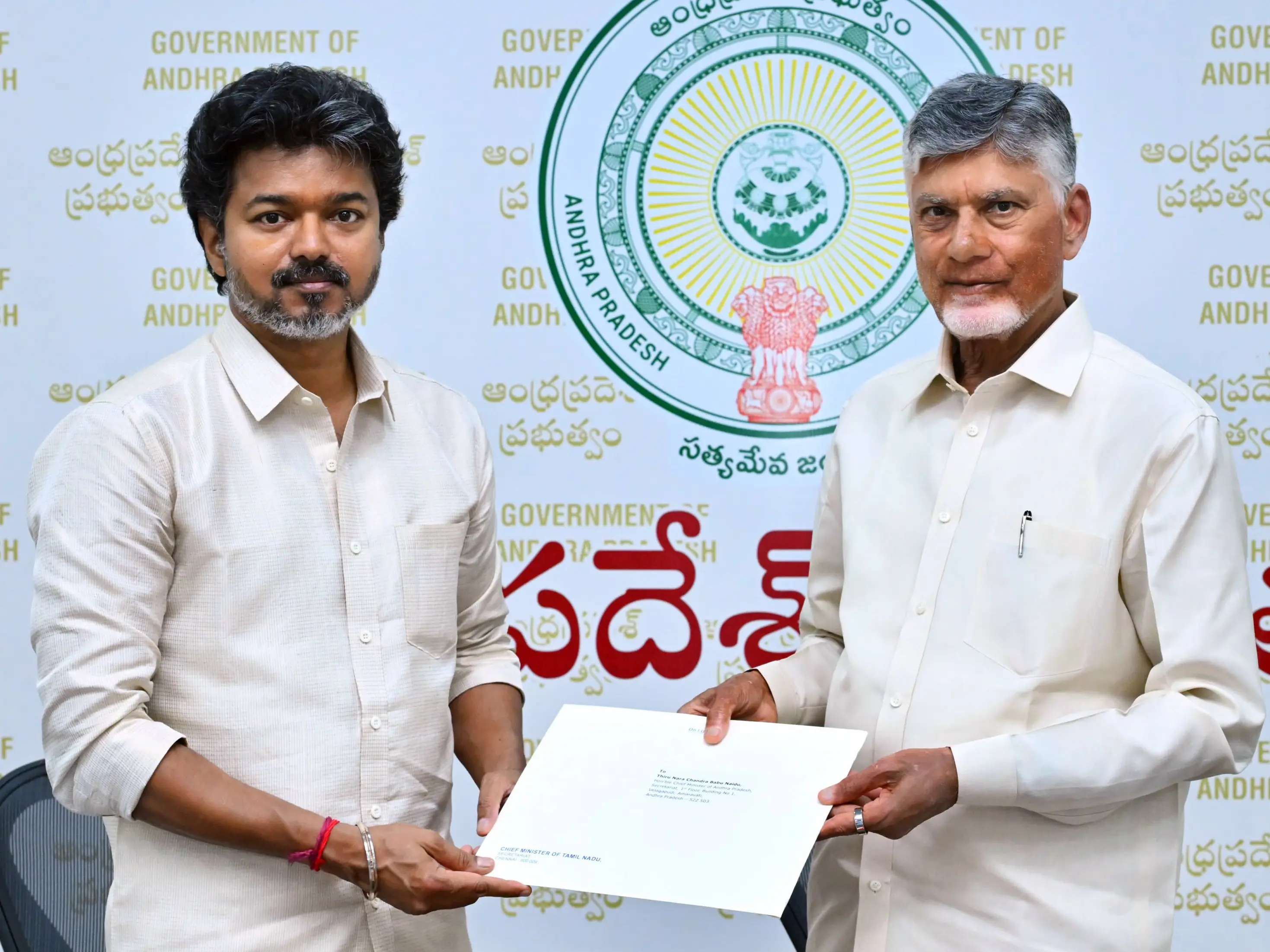
CMs Vijay-Naidu meet in Vijayawada, discuss water sharing, river-linking
&imwidth=180&imheight=135&format=webp&quality=medium)
Inside Aneet Padda's 24th birthday bash with rumoured boyfriend Ahaan Panday and Alia Bhatt
&imwidth=180&imheight=135&format=webp&quality=medium)
Trump reconsidering calling off Nidal Hasan's execution livestream. Here's why
&imwidth=180&imheight=135&format=webp&quality=medium)
'Turn approver, resign, we'll forgive you': Rahul Gandhi claims receiving messages from CEC Gyanesh Kumar
&imwidth=180&imheight=135&format=webp&quality=medium)
US politicians mistakenly use Indian, Russian warship images for Navy's birthday posts
&imwidth=180&imheight=135&format=webp&quality=medium)
MI5 chief warns Russia is UK’s ‘aggressor number one’ as Iran and AI threats grow
&imwidth=180&imheight=135&format=webp&quality=medium)
France accuses Musk of ‘online harassment’ of European leaders, warns of poll interference
&imwidth=180&imheight=135&format=webp&quality=medium)
1,500 drones illuminate Mumbai sky as Cordelia Cruises unveils second ship, Cordelia Sky
&imwidth=180&imheight=135&format=webp&quality=medium)
Anupam Kher joins Ranbir Kapoor's Ramayana as Jatayu, new poster unveiled
&imwidth=180&imheight=135&format=webp&quality=medium)
Measles kills again: 6 dead in Pennsylvania as America faces its worst outbreak in decades | Gravitas
&imwidth=180&imheight=135&format=webp&quality=medium)
US Midterms 2026: In Alaska, cost-of-living anxiety meets strangest ballot in high-stakes Senate race
&imwidth=180&imheight=135&format=webp&quality=medium)
‘How many people did she illegally bring from Somalia?’ Trump targets Ilhan Omar, questions her net worth
&imwidth=180&imheight=135&format=webp&quality=medium)
China's counter-surveillance industry booms amid heightened espionage fears | Gravitas
&imwidth=180&imheight=135&format=webp&quality=medium)
F1 set to return to Africa for first time since 1993
&imwidth=180&imheight=135&format=webp&quality=medium)
Russian woman and Bihar boy's love story goes viral after she reaches India to marry him
&imwidth=180&imheight=135&format=webp&quality=medium)
Nobel Peace Prize winner Navi Pillay calls on US to 'get back to' being defender of human rights
&imwidth=180&imheight=135&format=webp&quality=medium)
'Ouch!!! That must hurt': Kangana Ranaut hails Kamal Haasan's sharp reply to Elon Musk over Starlink row
&imwidth=180&imheight=135&format=webp&quality=medium)
New Cold War: Why is China buying more gold? Explained
&imwidth=180&imheight=135&format=webp&quality=medium)
'Don't ever mess with nature!': Trump’s tiger attack post triggers social media backlash as victim's family issues heartbreaking tribute
&imwidth=180&imheight=135&format=webp&quality=medium)
‘Rise up, young patriots!’: American singer Mary Millben says US donors funding CJP, backs Modi govt
Deeply influenced by Thomas Paine's book Rights of Man, the idea of social justice, truth and humanity were cardinal principles for Phule. It is social inequality that sits at the heart of the Hindu caste that Phule found so abhorring. Phule argued that education of women and the lower castes were a vital priority in addressing social inequality.
Some of the foremost feminists of western India, such as Pandita Ramabai and Tarabhai Shinde were deeply influenced by Phule. It is following Phule's footsteps that Pandita Ramabai, a widow herself, protested against the early marriage of girls. She strongly believed that early marriage of girls denied proper education as it is the best age to acquire knowledge. We have to remind ourselves here, another religious reformer from Bengal Swami Vivekananda sharply criticised Ramabai for distorting the religious teachings of Hinduism regarding women. But Phule stood by Ramabai and even published an interview in support of her conversion to Christianity.
Today is Jyotiba Phule's death anniversary. It is not a mere historical reminiscing that I want to do today of this very brave man. Heaven knows we need brave people. More the better. People who will fight for justice, truth and equality so that these words do not turn into mere rhetoric.
India is increasingly doing better in the field of female education but gender equality is still a distant dream. The Dalits have definitely become more vocal and conscious of their rights but their assimilation and acceptance in the mainstream of the society is still a far-fetched dream. The more we spread and imbibe the spirit of Jyotiba Phule's words, the chances are that we will do better as a nation.