Blame game on contaminated fertiliser continues; Sri Lanka govt backtracks on greener agriculture move

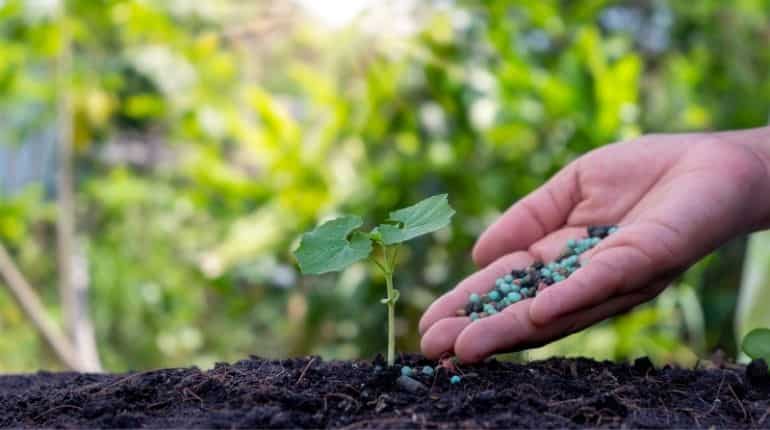
Fertiliser (Representational Image)
Ever since the contaminated consignment of Chinese fertiliser came into the limelight in Sri Lanka; various ministers and MPs have continued to make contrasting opinions on the matter leading to much disarray and confusion and as of recent; the statements have become more and more contrasting and frequent.
Over the weekend; a local newspaper - The Sunday Times reported that Sri Lanka’s Agricultural Minister Mahindananda Aluthgamage has said that, preparations are underway to resolve the dispute by paying 75 per cent of the claim by the Chinese company amounting to US$ 6.7 million.
Also read |India sends in 100 tonne fertiliser to Sri Lanka amid Colombo's row with China over contamination

The Government has also decided to buy fresh stocks from the same company in a bid to stop the diplomatic spat with China; one of the biggest investors in Sri Lanka’s development and economic plans.
The Agricultural Minister’s statement comes at a time where officials from the Agricultural department have reiterated on several occasions that Sri Lanka will not make the payment for the contaminated consignment of fertiliserjust three days ago.
The Commercial High Court of Sri Lanka extended the interim order preventing the People’s Bank from making the payment for the Letters of Credit for the stock of organic fertiliser by Qingdao Seawin Biotech Group Co. Ltd until the 30th of this month.
)
What’s in a name? Trump’s 'Lake America' move gets a tit-for-tat response from Canada
)
Outrage erupts after 3-year-old is married to 60-year-old man in Pakistan, link to her sister's murder being probed
)
Trump gifts Xi a bald eagle sculpture at White House dinner: Here’s what it symbolises
)
‘Not just a local tragedy’: Nepal PM Shah warns UN of growing climate threat, says Nepal floods were 'a warning to the world'
)
CNN, Politico and MS NOW back in White House after judge blocks Trump’s media ban
)
Farhan, who went viral for AK47 celebration vs India in Asia Cup, hopes to lead Pakistan beyond Asian Games
)
'We would all be dead': Netanyahu defends decision to strike Iran's nuclear facilities in his UN speech
Don't Be Shy movie review: A frothy coming-of-age tale that is too shy to experiment
)
IIT Bombay CCTV footage emerges: Sahil Wakode seen looking at phone in examination hall
)
Welcome actor Mushtaq Khan dies at 56 after battling cancer
)
Trump's welcome to Xi demonstrates 'attraction' to dictators: Chuck Schumer
)
Nations League: Germany draw on Klopp debut; Portugal, Norway win
)
WION Iconic Tourism Summit 2026: Union Minister Shekhawat on 'experiential travel', peace diplomacy
)
Scientists detect first radio signals directly from faraway planet
)
A seven-day roadmap? Iran proposes plan to end war, reopen Strait of Hormuz and resume nuclear talks
)
China to test supersonic jet that moves at Mach 2, double the speed of sound
)
Xi Jinping's 'special plane' vs Trump's Air Force One: What's the difference?
)
UNGA 2026: Israeli PM attacks Britain, France for past colonialism
)
West Indies coach Sammy looking at India series as opportunity to finetune ahead of ODI World Cup 2027 qualifiers
)
‘We’ve never gotten along better’: Trump praises Xi, jokes about White House ballroom at high-stakes state dinner
)
Nearly half of young people trust AI over humans to check facts, major study finds
)
'Partners rather than rivals': Xi Jinping's first message after landing in US for Trump summit
)
Yemen called Trump for US military support in fight against Houthis: Official
)
2,000-foot tube, laser tests and more: China builds towns to expand nuclear arsenal, satellite images show
)
Meet Adrian Abraham: 9-year-old Indian-origin guitar prodigy aiming for a Guinness World Record
)
US faces fresh cost crunch as mortgage rates hit 7%, oil tops $107 and gas prices surge
)
Trump-Xi state dinner 2026: Who is invited? Full guest list of tech CEOs, business leaders and officials
)
'Blockbuster' nor'easter develops an eye similar to hurricanes as warnings are issued
)
Alarming video emerges as landslide damages houses in Sikkim’s Rimbi village. Watch
)
'Making history': Xi Jinping praises Trump as US-China leaders dine at White House
)
'What kind of confession is this?': Pakistan PM Shehbaz Sharif’s 'terrorists would be roaming New York' remark goes viral, raises alarm online. Watch
&im=FitAndFill=(700,400))
Netanyahu at UN: Mass walkout, attack on Mamdani and Iran threats | In Pics
)
'We do not wish to continue. It's America that must choose': Iran president Pezeshkian calls on US to end war
)
WION Iconic Tourism Summit: How local tourism MSMEs must upskill for AI integration
)
Bollywood mourns Mushtaq Khan: Sunny Deol, Rajpal Yadav and others pay tribute
)
'FIRST LOOK from inside Noah’s Ark': Researchers share video from inside mysterious mound in Turkey
)
Who is Lt-Gen Nauman Mahmood, Pakistan's first secretary general of Makkah Defence Alliance?
)
Israeli envoy to US Yechiel Leiter’s son critically injured in West Bank ramming attack
)
'Fund people, not bombs': Hundreds take to New York streets as Netanyahu delivers speech at UN; dozens arrested
)
Previously at the height of tension between China and Sri Lanka over this matter - State Minister of Organic Fertiliser Shashindra Rajapaksa initially said that the fertiliser batch will be retested however on the following the Agricultural Minister refuted the claim and said the batch will not be retested and no money will be paid.
Also read |'Will not accept contaminated Chinese fertiliser,' Sri Lanka's director-general of agriculture affirms
In such a backdrop - Sri Lanka turned to India for help to obtain imports of nano nitrogen fertiliser for farmers to kick start their cultivations.
Yet, State Minister of Organic Fertiliser Production and Agriculture Shasheendra Rajapaksa has recently said his Ministry has no involvement in importing nano nitrogen fertilisers and that the Ministry of Agriculture is the only party involved in the importation of nano nitrogen fertiliser.
However, on 18th November, the Minister of Agriculture Mahindananda Aluthgamage stated that his ministry did not take any action regarding the nano nitrogen imports; it was in fact the Ministry of Fertiliser that was overseeing the Indian imports.
Earlier this year, the Sri Lankan government led by President Gotabhaya Rajapaksa decided to impose a ban on the use of chemical fertiliser in a bid to move to more sustainable and greener methods of agriculture.
This had sparked months-long protests across the island, with farmers lamenting that they are unable to produce cultivations with organic fertiliser, with many still awaiting fertiliser and are well behind schedule for the ongoing Maha season.
In a major step back from the stringent policy to move to only using organic fertiliser, permission was granted yesterday to import quality plant nutrients, including urea once again.
Secretary to the Ministry of Agriculture Prof. Udith K. Jayasinghe, while admitting that the country’s sudden move to shift to organic fertiliser had in fact done more harm than good, said that the decision was reached following a risk management plan made by a group of agronomists and experts to President Gotabaya Rajapaksa.
However, this claim was once again refuted by the minister of Agriculture Mahindananda Aluthgamage yesterday, who said that the government has so far not decided to allow the importation of chemical fertilisers for paddy and vegetables.
Watch |Gravitas: Why has China black-listed a Sri Lankan bank?
State Minister of Organic Fertiliser Production and Agriculture Shasheendra Rajapaksa, in the usual fashion, contrasting with the subject minister once again has said that discussions on the matter are due to be taken up with the president this week.
What initially started as a mere consignment of substandard fertiliser unsuitable for use has now turned into an unprepossessing diplomatic tug of war between two countries and an even bigger chaos of mass confusion amongst the farmers and the public at large due to contrasting opinions made by officials and MPs.