What if Earth stopped spinning for just one second?

&imwidth=600&imheight=450&format=webp&quality=medium "What if Earth stopped spinning for just one second?")
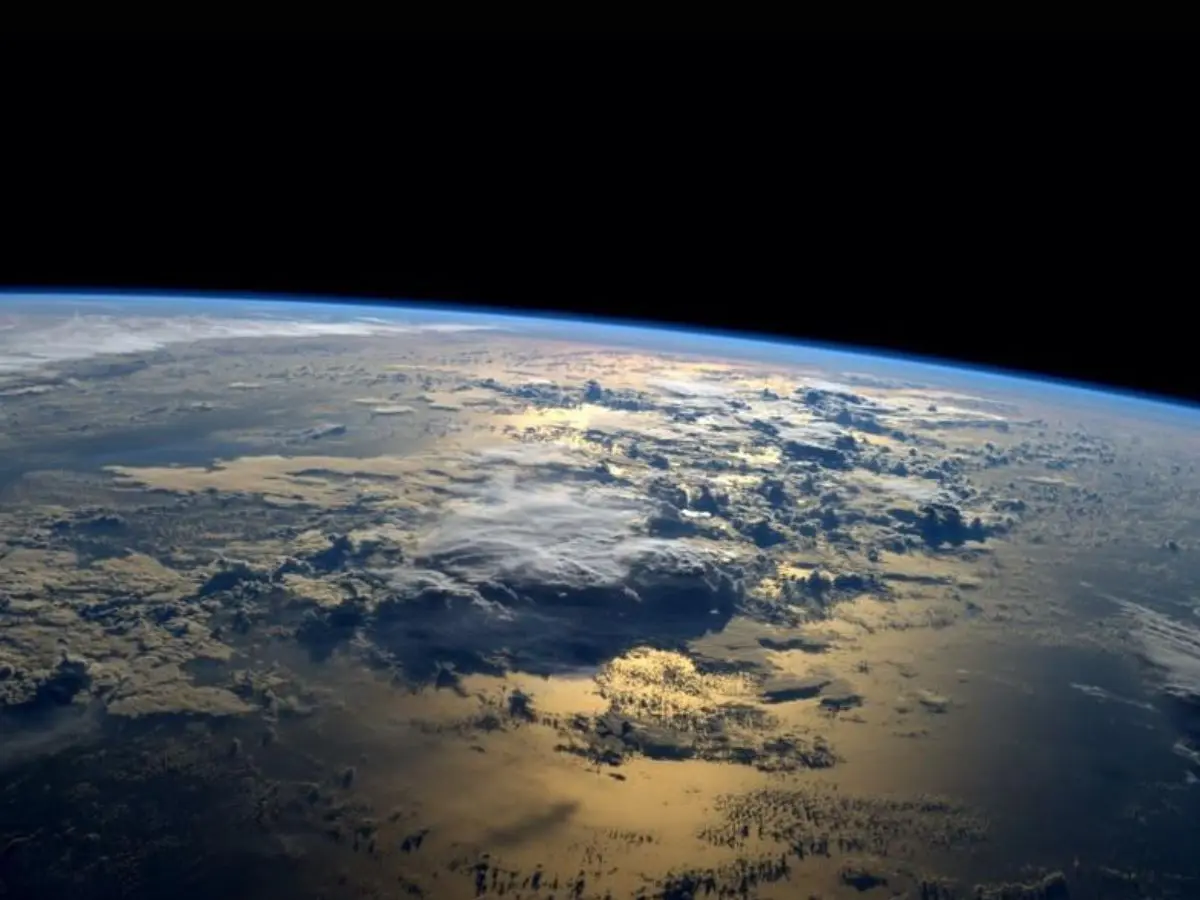
Earth's rotation contributes to the equatorial bulge Photograph: (NASA)
An instantaneous stop would subject everything not anchored to the planet to a sudden deceleration. At the equator, this means an abrupt halt from a speed of about 1,600 km/h.
The Earth spins at a remarkable speed, approximately 1,600 kilometres per hour at the equator. If this rotation were to cease abruptly, even for a mere second, the consequences would be catastrophic. The sudden halt would unleash immense forces, leading to widespread destruction and long-term environmental changes.
An instantaneous stop would subject everything not anchored to the planet to a sudden deceleration. At the equator, this means an abrupt halt from a speed of about 1,600 km/h. Objects, structures, and individuals would continue moving at this velocity, resulting in severe impacts. Buildings would collapse, and unsecured objects would be propelled eastward with devastating force. The sheer energy released would cause widespread devastation.
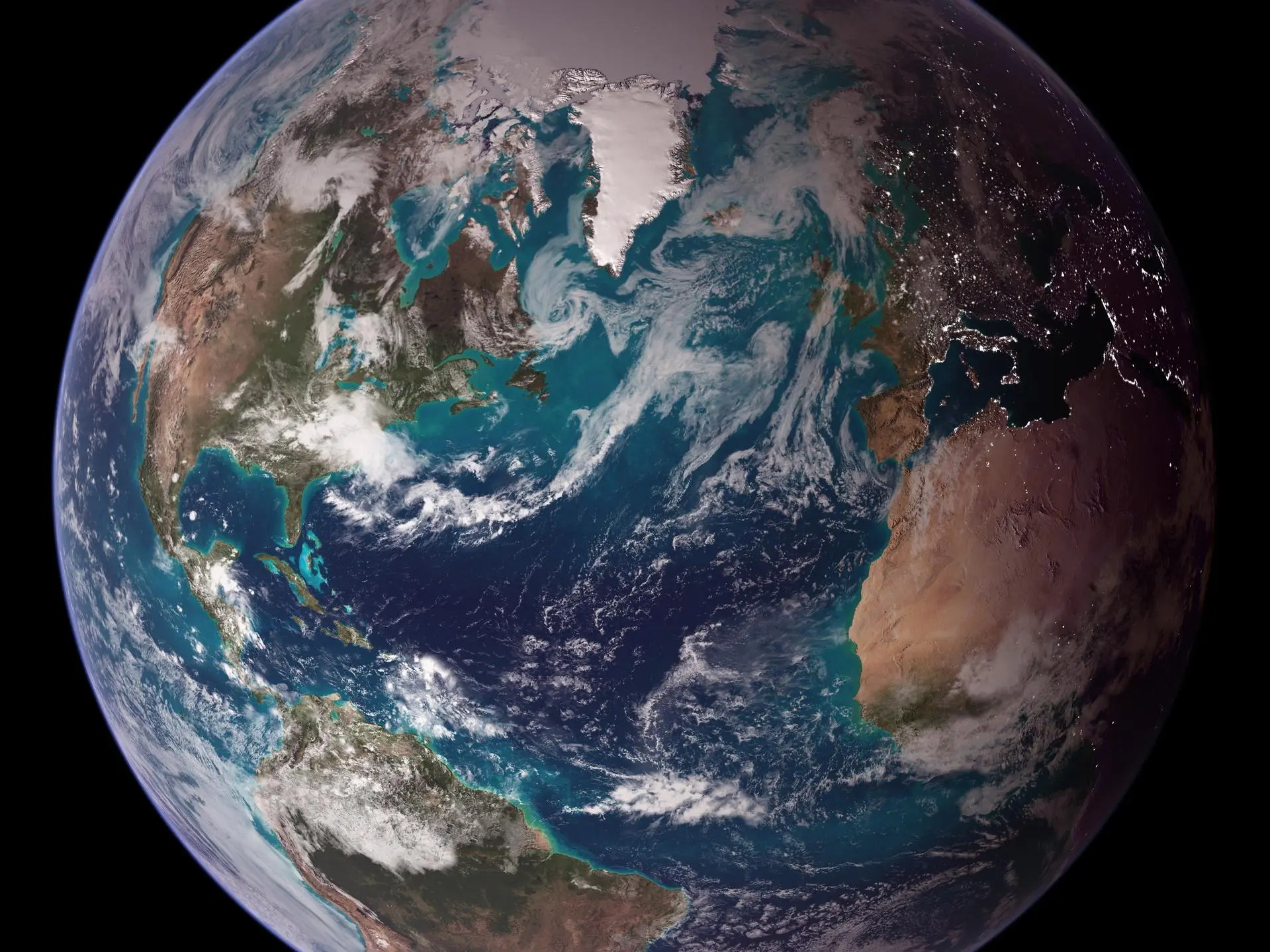)
Earth's rotation contributes to the equatorial bulge Photograph: (NASA)
What would happen?
Redistribution of Water and Land: The Earth's rotation contributes to the equatorial bulge, causing oceans to be displaced towards the equator. If the planet were to stop spinning, this centrifugal force would vanish, leading to a redistribution of water. Water would move towards the poles, potentially flooding regions and exposing landmasses that were previously submerged. This shift could create new coastlines and alter existing ones dramatically.
Climate and Weather Disruptions: The cessation of Earth's rotation would have profound effects on climate and weather patterns. Without the planet's rotation, the day-night cycle would be disrupted, leading to prolonged periods of daylight and darkness. This imbalance would cause extreme temperature variations, with one side of the Earth experiencing continuous sunlight and the other enduring perpetual night. Such conditions would be inhospitable for most life forms, leading to ecological imbalances.
Geological Consequences: The sudden stop of Earth's rotation would induce massive tectonic stresses. These stresses could result in earthquakes and volcanic activity as the planet's crust adjusts to the new conditions. The redistribution of water and land would also affect the Earth's crust, potentially leading to further geological upheaval.
Magnetic Field and Radiation Exposure: Earth's rotation plays a crucial role in generating its magnetic field through the dynamo effect. If the planet stopped spinning, this magnetic field could collapse, leaving the surface exposed to harmful solar and cosmic radiation. The absence of a protective magnetic shield would increase radiation levels, posing significant risks to all forms of life.
Long-Term Adaptation Challenges: In the aftermath of such a catastrophic event, life on Earth would face unprecedented challenges. The extreme environmental conditions would require significant adaptation. Survivors would need to find ways to cope with altered climates, disrupted ecosystems, and increased radiation levels. The long-term survival of life would depend on the ability to adapt to the new, harsh realities of a non-rotating Earth.
)
)
)
)
)
)
)
)
)
)
)
)
)
)
)
)
)
)
)
)
)
)
)
)
)
)
)
)
)
)
)
)
)
)
&im=FitAndFill=(700,400))
)
)
)
)