Earth couldn’t survive without the moon: 5 shocking reasons why!

From regulating ocean tides to stabilising Earth’s axial tilt, the Moon’s gravitational pull affects climate, ecosystems, and even the length of our days.
How is it important?
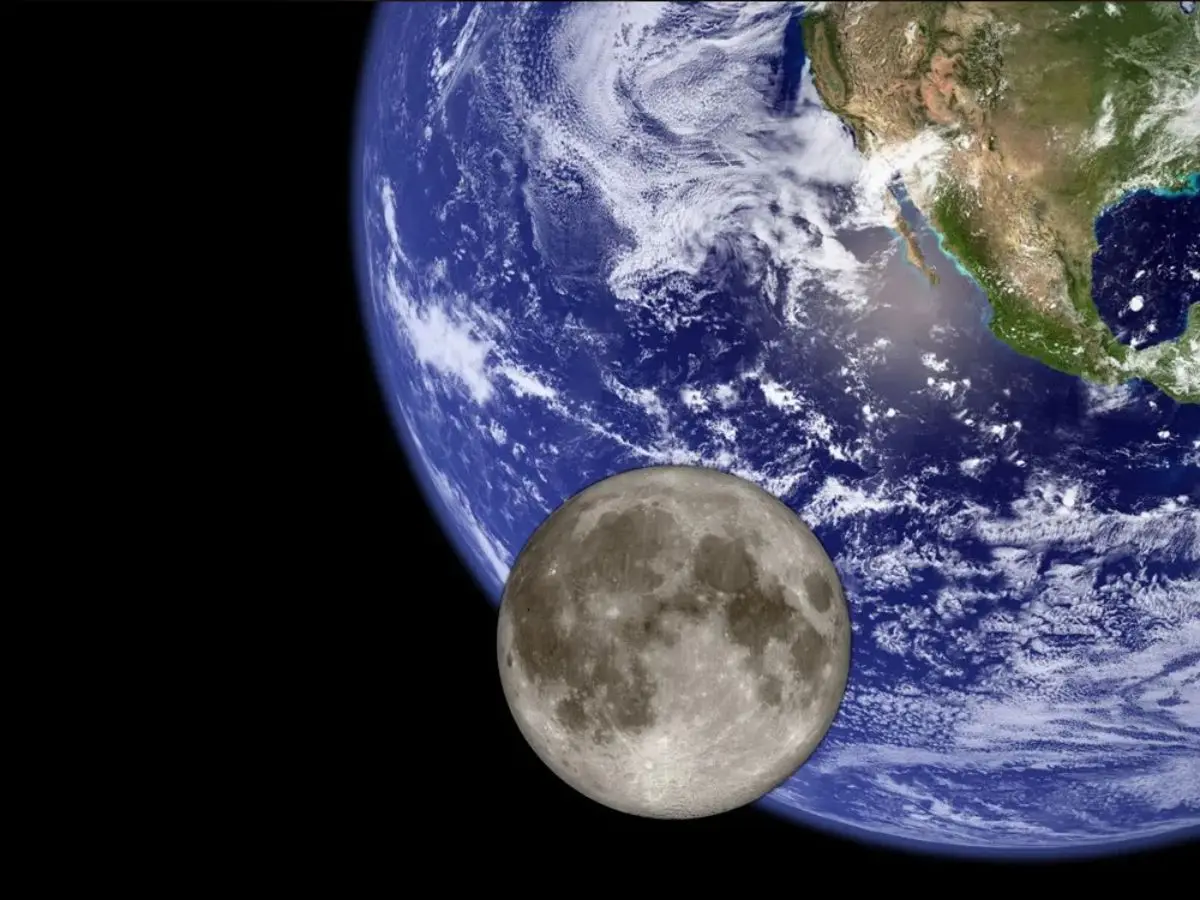
Earth’s Moon is far more than a bright presence in the night sky; it plays a vital role in sustaining life on our planet. From regulating ocean tides to stabilising Earth’s axial tilt, the Moon’s gravitational pull affects climate, ecosystems, and even the length of our days. Its influence extends to biological rhythms, guiding reproduction and migration cycles in countless species. Understanding these critical functions reveals just how dependent Earth is on its natural satellite, highlighting connections that are often overlooked but essential for life as we know it.
Stabilising Earth's Axis
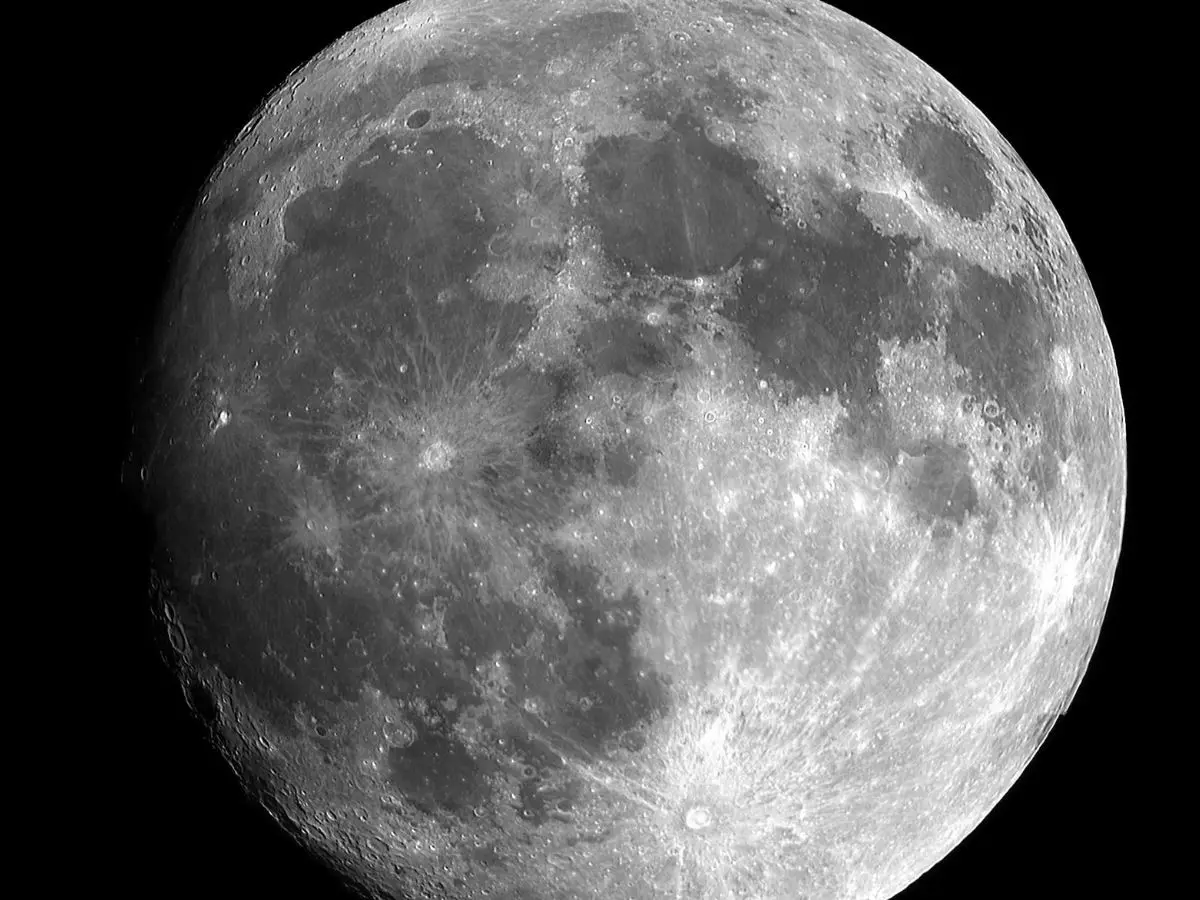
The Moon acts as a stabiliser for Earth's axial tilt, which is approximately 23.5 degrees. Without the Moon's gravitational influence, this tilt could vary dramatically over time, leading to extreme climate changes. Such instability could have profound effects on the planet's climate and ecosystems. The Moon's presence helps maintain a relatively stable climate, which is essential for the development and sustainability of life.
Driving Ocean Tides
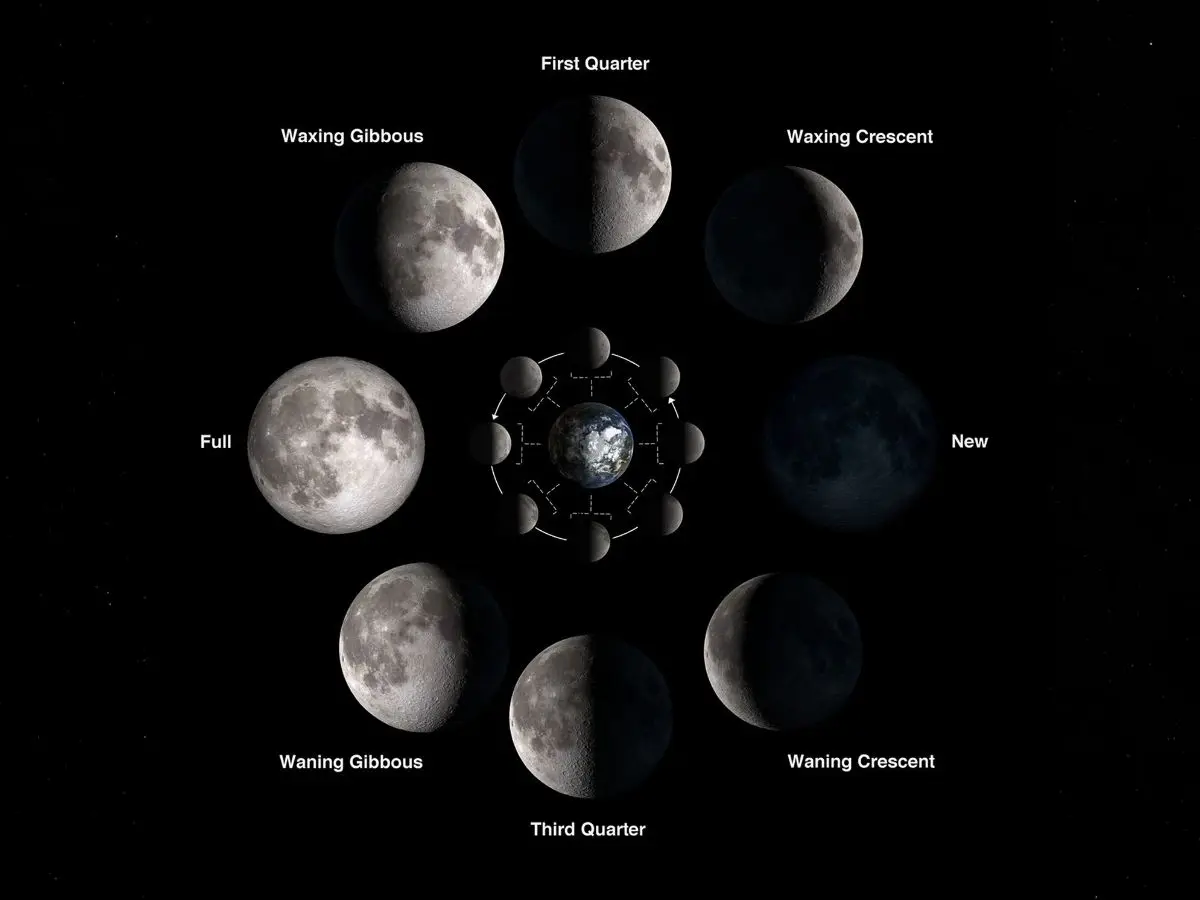
The Moon's gravitational pull causes the Earth's oceans to bulge out, creating high and low tides. These tidal movements are vital for various ecological processes, including nutrient mixing and the life cycles of many marine organisms. The Sun also contributes to tidal forces, but the Moon's proximity makes its effect more pronounced. Tidal forces also influence ocean currents, which play a role in regulating the Earth's climate by distributing heat around the planet.
Slowing Earth's Rotation
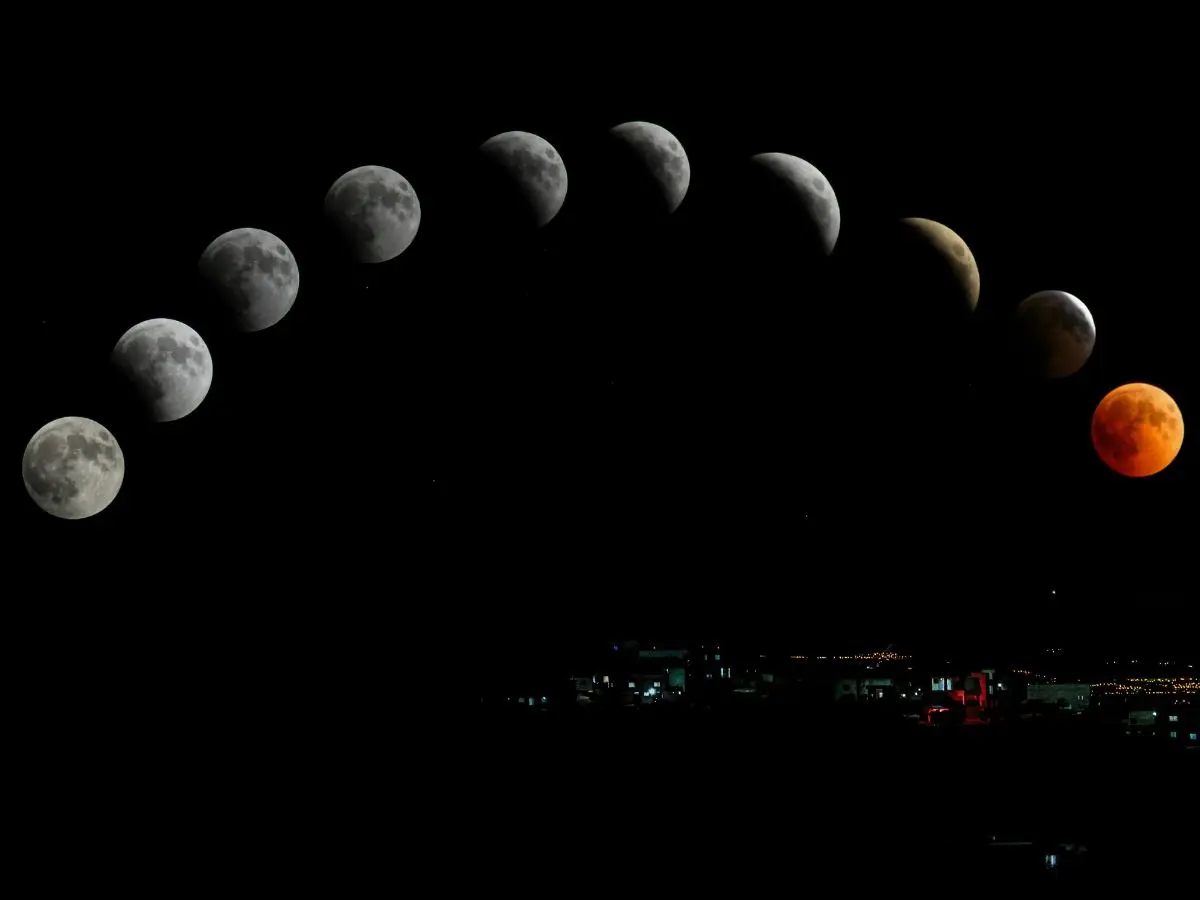
Through a process known as tidal braking, the Moon gradually slows Earth's rotation. This effect is minuscule, about 2.3 milliseconds per century, but over geological timescales, it has led to longer days. Approximately 1.4 billion years ago, a day on Earth was roughly 18 hours long due to the Moon's closer proximity. This gradual slowing of Earth's rotation has implications for the length of days and the dynamics of Earth's atmosphere.
Influencing Earth's Magnetic Field
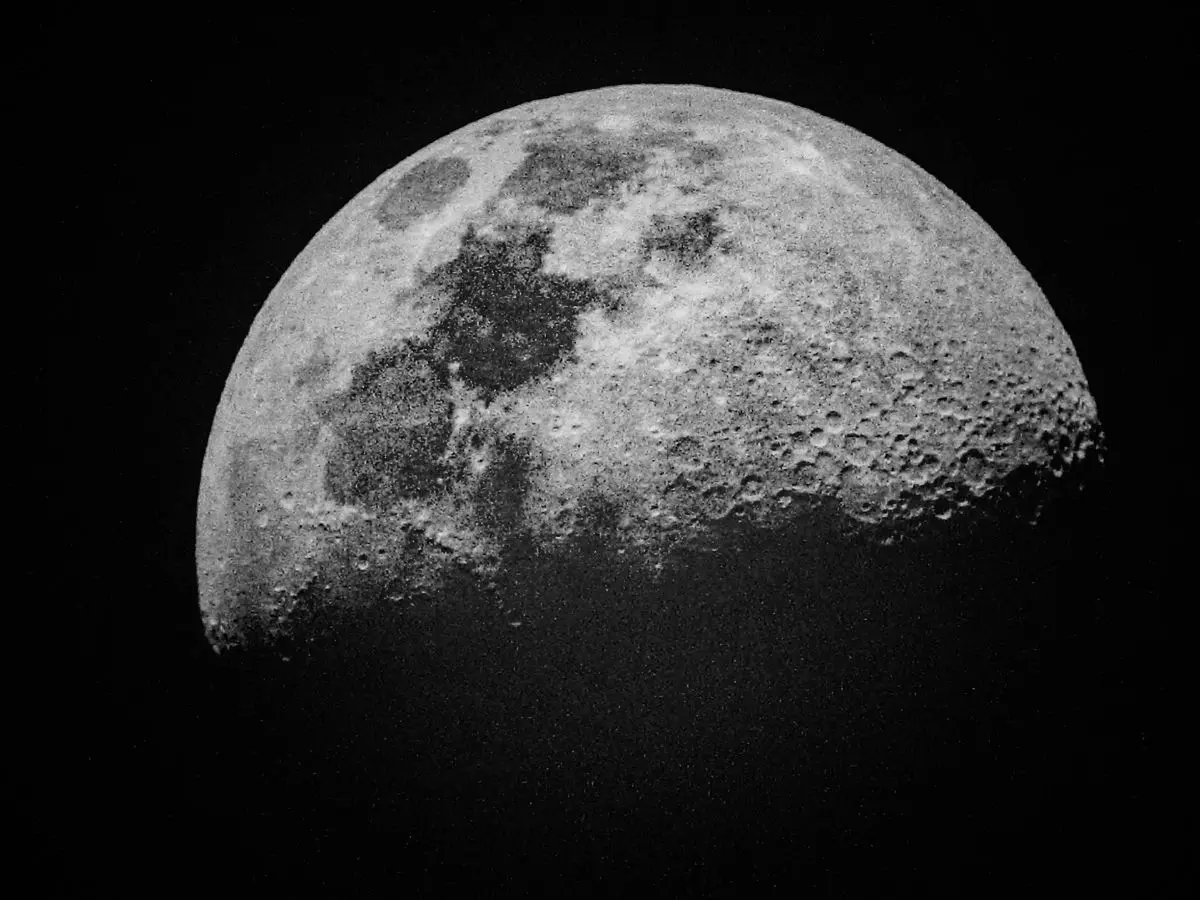
Tidal forces generated by the Moon also affect Earth's interior, contributing to the generation of the planet's magnetic field. The movement of conducting materials within Earth's outer core, influenced by tidal forces, plays a role in maintaining the magnetic field. This magnetic field protects life on Earth by shielding the planet from harmful solar and cosmic radiation.
Affecting Life Cycles
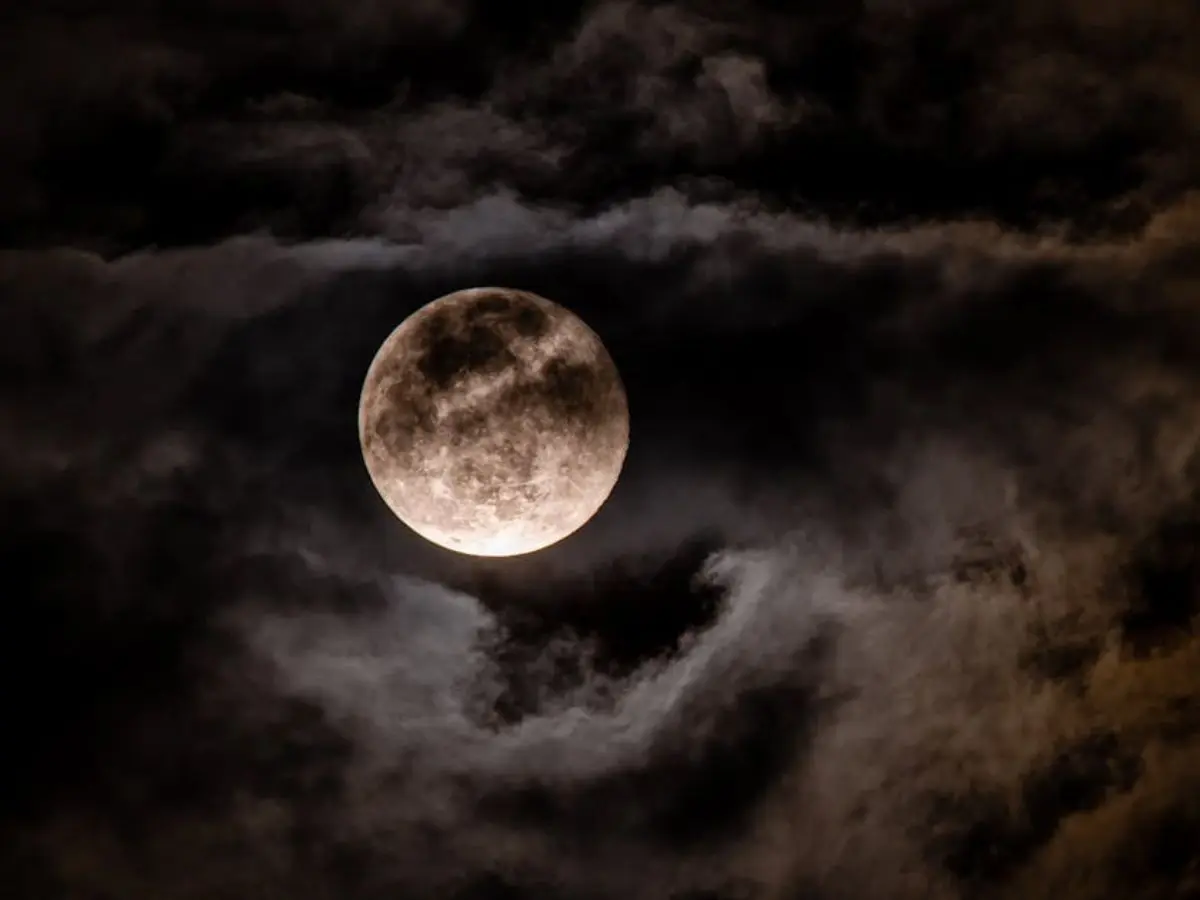
Many organisms have evolved to rely on the Moon's cycles. For example, certain species of fish and amphibians time their reproductive activities to coincide with specific lunar phases. These lunar rhythms are deeply embedded in the life cycles of various species, influencing behaviors such as spawning and migration. The Moon's light and gravitational effects continue to shape the biological rhythms of life on Earth.
Conclusion
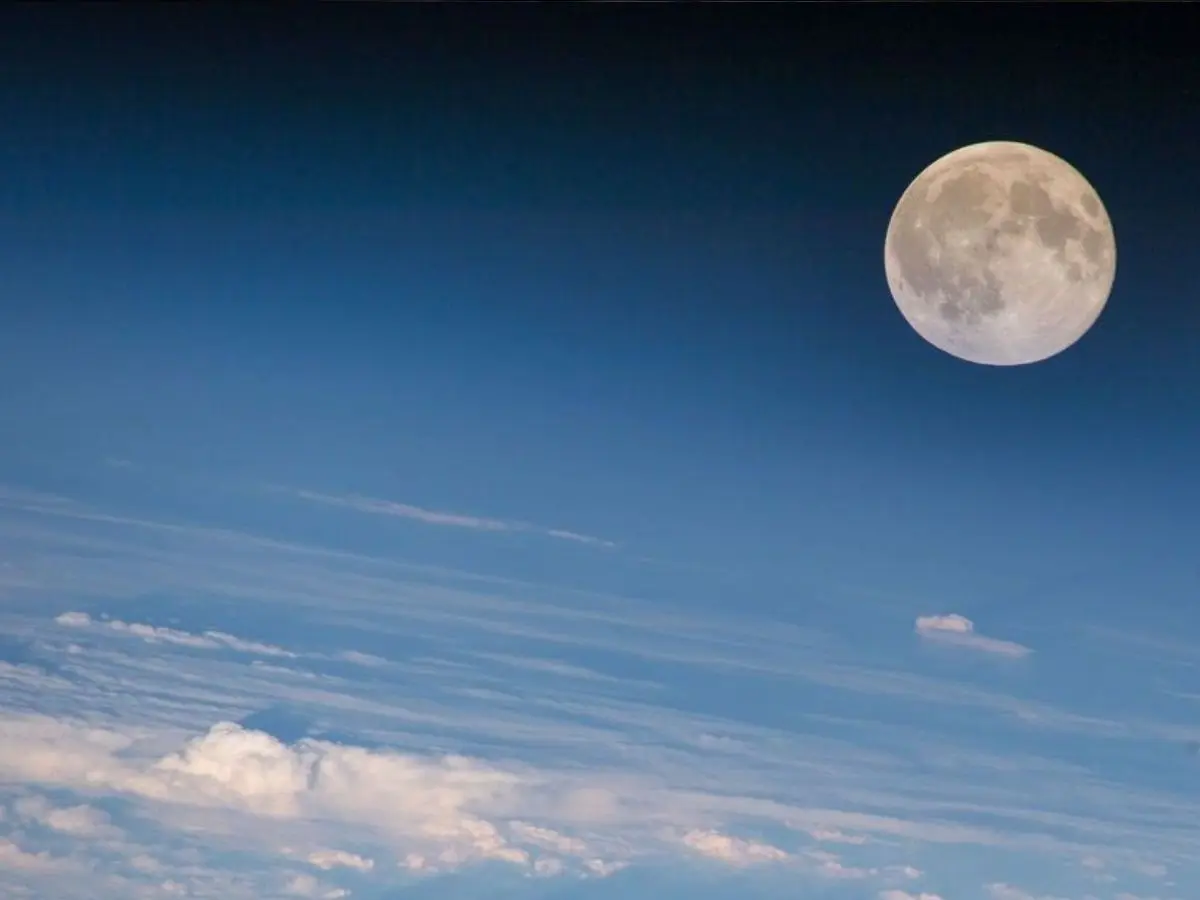
The Moon's influence on Earth is profound and multifaceted. From stabilising our planet's climate to supporting diverse ecosystems, the Moon plays an indispensable role in maintaining the conditions necessary for life.
)
)
)
)
)