US: First next-gen spacesuit passes crucial NASA test, will be used by astronauts outside space station

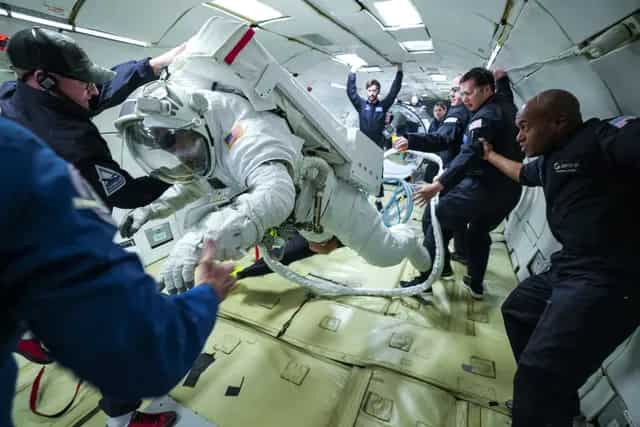
Collins Aerospace's spacesuit, tested aboard a microgravity flight, clears a key milestone
A private US firm has passed a crucial milestone test for creating advanced spacesuits to be used outside the International Space Station (ISS). American space agency National Aeronautics and Space Administration (NASA) said the new design promises a good fit and better functionality for operations in microgravity.
NASA had selected Collins Aerospace to do the job of creating the new design that would replace the currently used spacesuit. For last two decades, the astronauts have been using an extravehicular mobility unit to assemble and maintain the ISS.
The new spacesuits are expected to further advance astronauts’ spacewalking outside the ISS, which will remain operational at least till 2030.

Why new spacesuits are required?
The new spacesuits would be advanced as well as more efficient than the current ones. They would be durable and require less maintenance.
The test was conducted in an artificially created microgravity environment aboard an aircraft. During the brief period of weightlessness, the astronaut performed several roller-coaster-like manoeuvres, demonstrating the features and practicality of the new suits.
)
Asian Games 2026: India face Afghanistan in quarterfinal on Sep 28; Pakistan clash with Hong Kong
)
Myanmar training camp case: US national, 6 Ukrainians allowed to meet their families abroad
)
Bigg Boss 20: Salman Khan schools Rhiti Tiwari over Qazi Touqeer clash, compares her to Dolly Bindra
)
Mushtaq Khan dies at 56: When Welcome actor opened up about his salary for iconic role Ballu
)
LPU students go on rampage, vandalise campus amid widespread protest: What's happening
)
'FIRST LOOK from inside Noah’s Ark': Researchers share video from inside mysterious mound in Turkey
)
‘Attack on Mecca a red line for Pakistan’: Shehbaz Sharif warns Houthis at UN
)
Pakistan deploys over 20,000 security personnel as PTI vows march for Imran Khan's release
)
OpenAI AI Agents hacked 4 websites before Hugging Face, researchers reveal
)
'A terrorist country is asking me that question?': Jaishankar hits back at Pakistani journalist at UN; flags attacks on commercial shipping
)
Trump-Xi summit wrap: Big pageantry, Iran talks, few major developments and more meetings planned
)
Did Hitler kill his niece Geli Raubal? Newly found records reopen a 95-year-old mystery
)
Hawaii braces for Hurricane Nolo: NOAA warns of flash flooding and mudslides
)
'What kind of confession is this?': Pakistan PM Shehbaz Sharif’s 'terrorists would be roaming New York' remark goes viral, raises alarm online. Watch
)
US-Iran war: Trump rejects Iran's Hormuz proposal, reports suggest talks expected next week
)
Bollywood x K-pop crossover! LE SSERAFIM’s Kazuha charms fans with Shah Rukh Khan’s ‘Chammak Challo’ steps
)
Gaza's war turned environmental damage into second crisis
)
‘Serial practitioner of terrorism’: Jaishankar calls out Pakistan’s ‘state-sponsored’ terror at UNGA
)
‘It is all possible’: Putin weighs next steps on Ukraine talks, rules out Europe conflict
)
Prince Harry offers rare glimpse into Archie and Lilibet’s life after UK move
)
Nigeria Navy moves to boost oil security, tackle crude theft and infrastructure threats
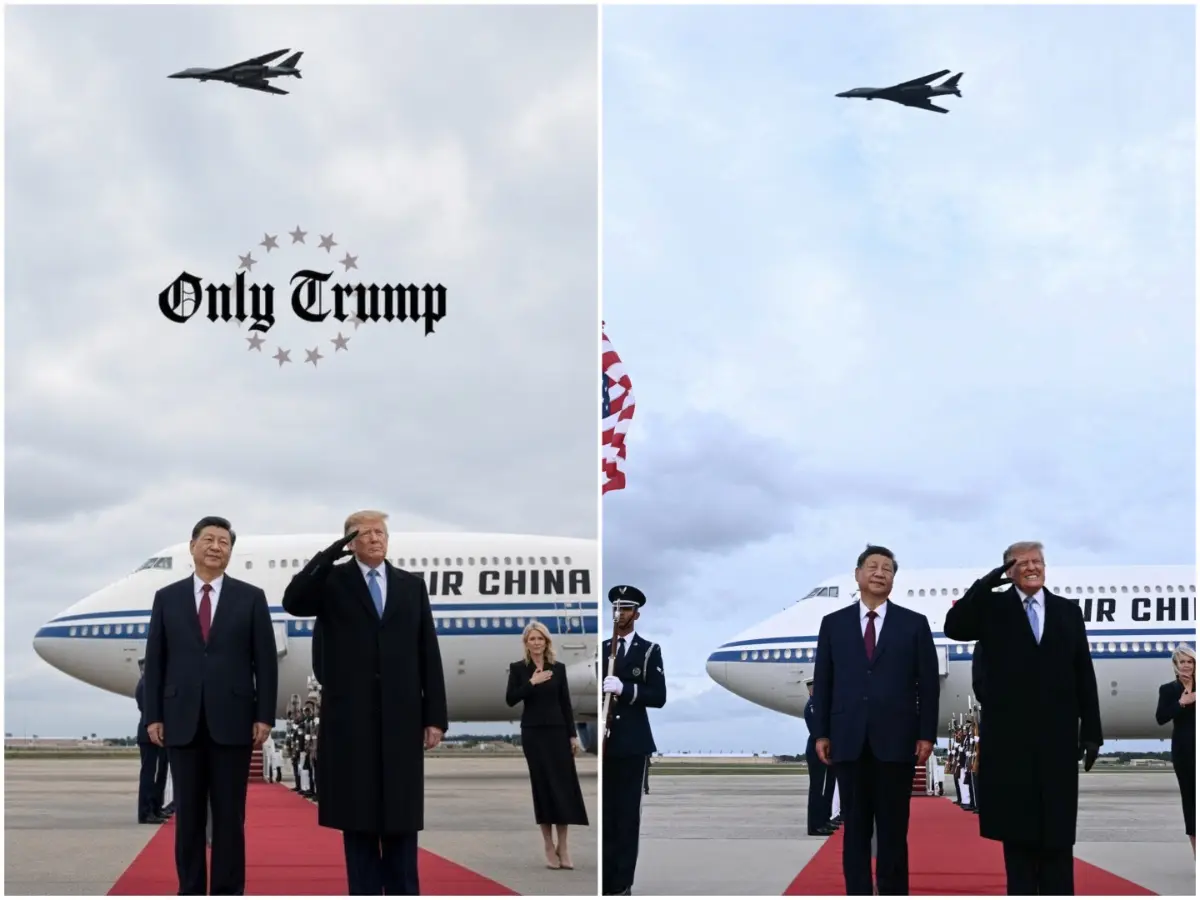)
Donald Trump shares image of Xi's arrival in Washington, carries signs of AI
)
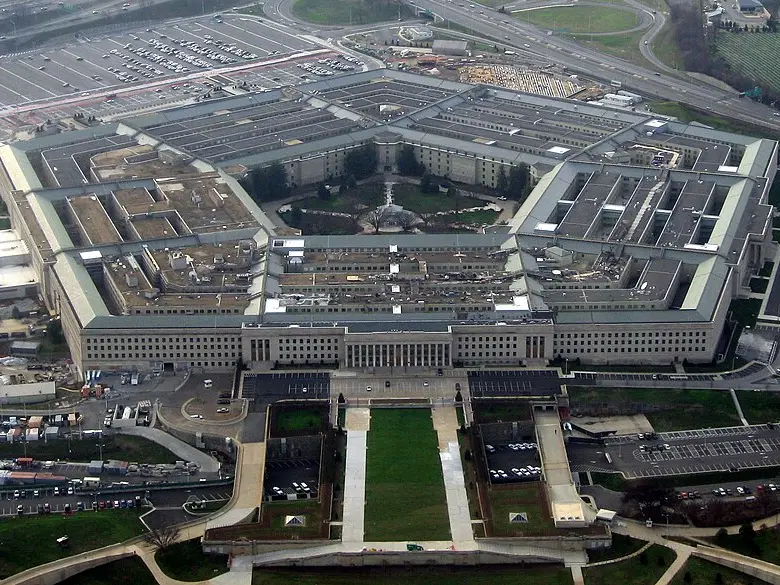
Pentagon quietly adds 37 wounded troops to Iran war tally without explaining when or how
)
US court backs Pentagon's decision to exclude Anthropic over Claude AI restrictions
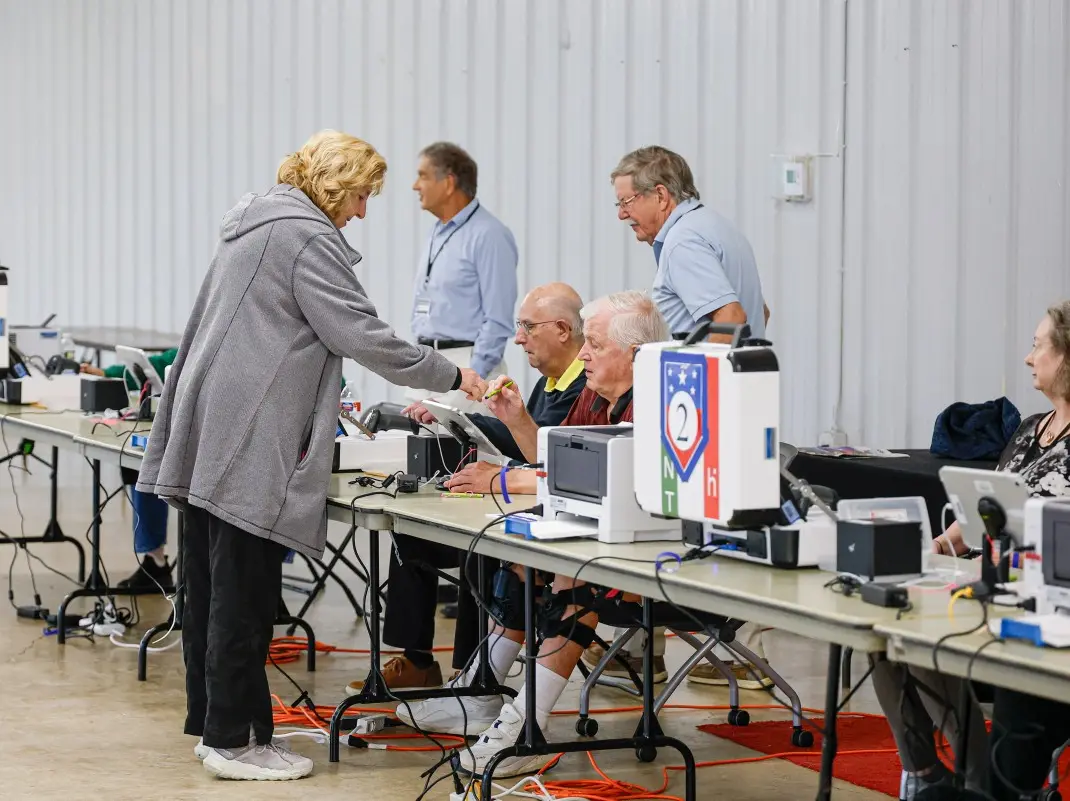)
US Supreme Court backs Trump administration's use of SAVE database to check voter citizenship
)
‘Could kill billions...’: Bill Gates backs calls to slow AI development amid fears of catastrophe
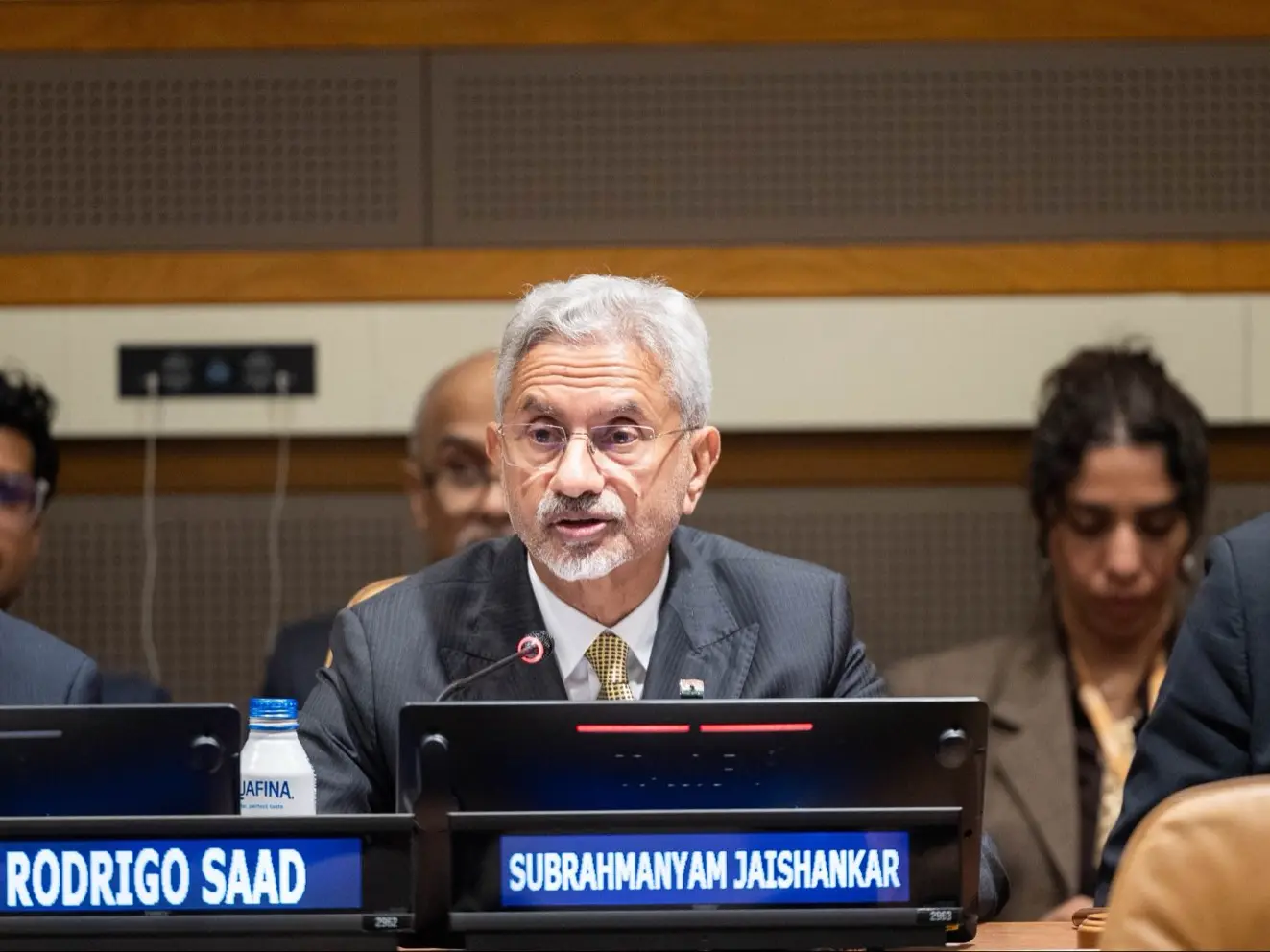)
'Countries far from conflict are penalised': Jaishankar calls for Gulf peace, seafarer safety at UN
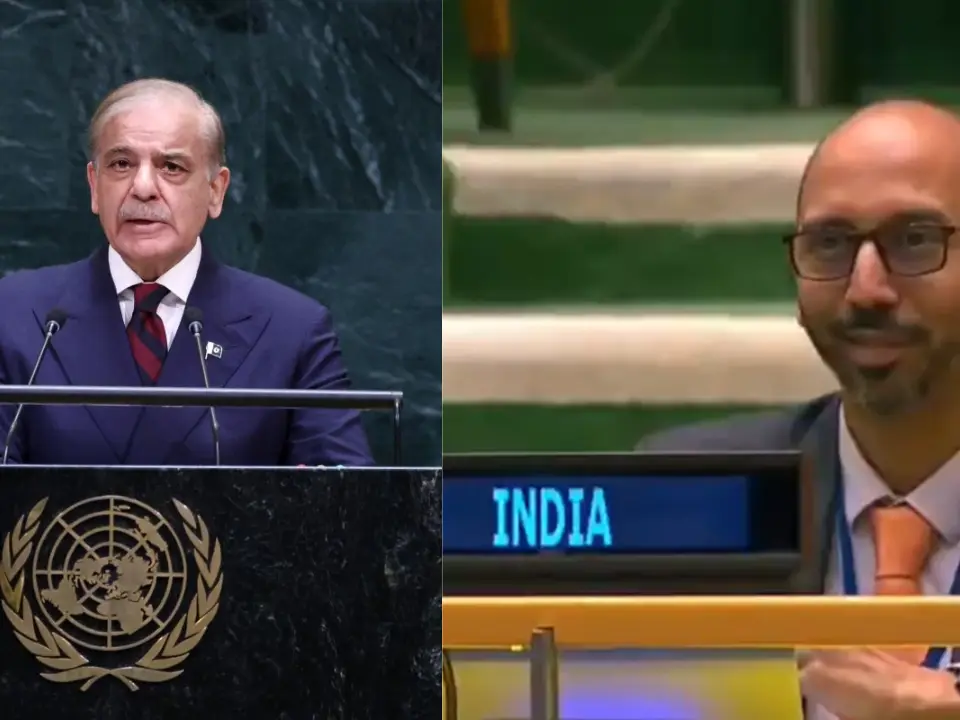)
WATCH | As Shehbaz Sharif claims Pakistan’s ‘victory’ during 2025 conflict, Indian diplomat R Srinivas laughs at UN
)
Outrage erupts after 3-year-old is married to 60-year-old man in Pakistan, link to her sister's murder being probed
&im=FitAndFill=(700,400))
New Friday OTT releases (September 25, 2026): Don’t Be Shy, Hunkkaar: The Roar, Mango Pachcha- 6 movies and TV shows on Netflix, Prime Video and more
)
Global community 'absent' in Gulf crisis: Saudi at UN calls for freedom of navigation, pre war status for Hormuz
)
Farhan, who went viral for AK47 celebration vs India in Asia Cup, hopes to lead Pakistan beyond Asian Games
)
‘I rejected it’: Trump confirms turning down Iran’s proposal to reopen Hormuz, claims Tehran is losing ‘badly’
)
Russia will achieve Ukraine war aims; Europe doing everything to block peace talks: Lavrov at UN
This helped the researchers to assess the viability of the suits without needing to go into space.
What next?
Collins Aerospace has said it will continue testing the new ‘next-gen’ spacesuit in a space-like environment.
The next-gen suit would also be tested at NASA’s Neutral Buoyancy Laboratory – a 40-foot deep pool at the Johnson Space Center in Houston which simulates a microgravity environment for astronaut spacewalk training.
Watch:All about NASA's PACE mission to study Earth's clouds & oceans
Notably, this is one of two suits being developed by NASA with hopes to support station maintenance and operations.
“With a new spacesuit, we can address some of the current obsolescence issues with the EMU and take advantage of all the new technologies that are available to us now that weren’t available 50 years ago, such as improved mobility and technological innovations in life support systems,” NASA had said last year.
(With inputs from agencies)