Tomatoes grown, harvested in space to return to Earth

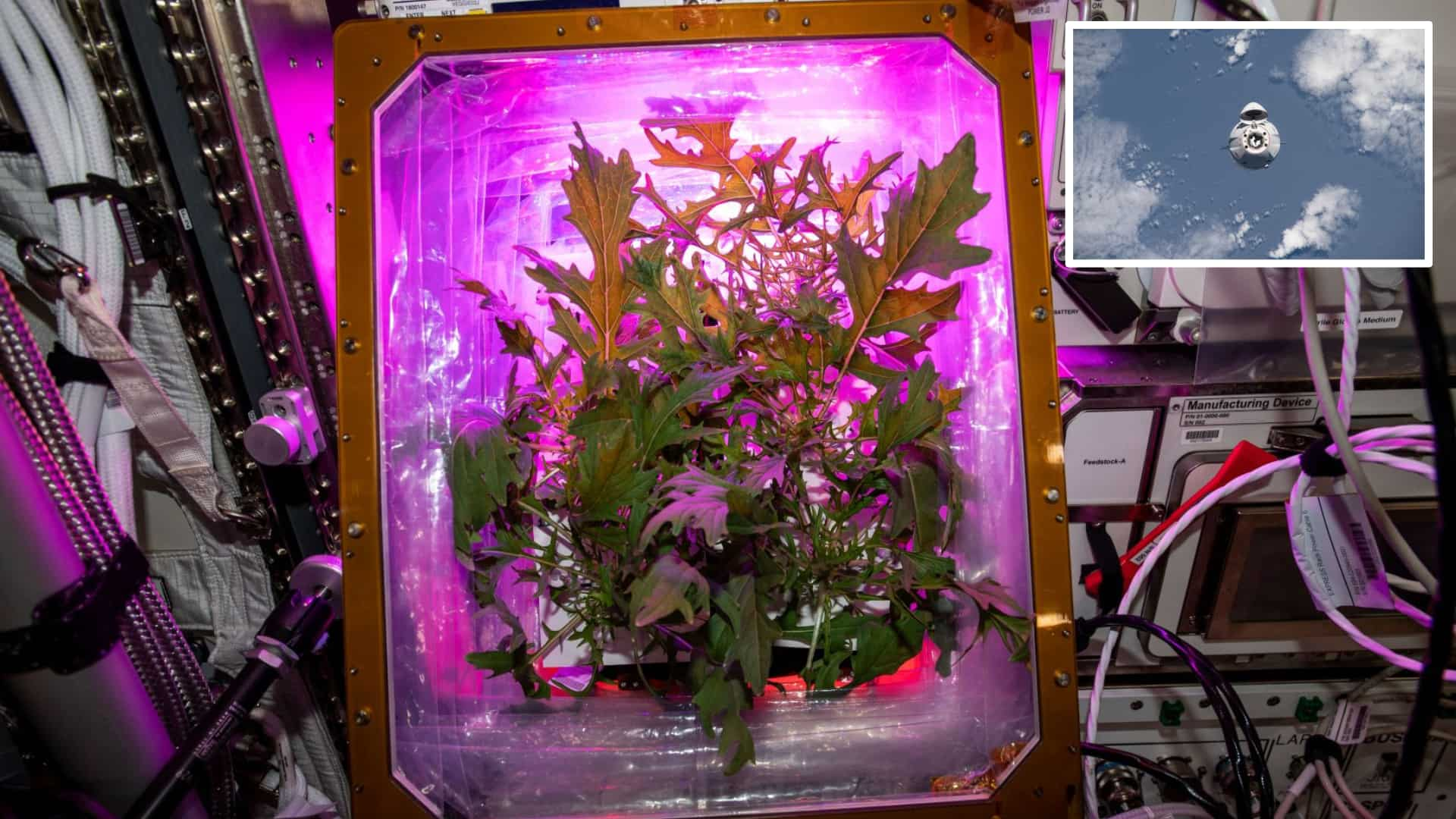
Space tomatoes
After a successful NASA study examining the possibility of providing fresh food for future astronauts, tomatoes grown on the International Space Station (ISS) will return to Earth over the weekend.
On April 15, samples from a NASA mission using SpaceX's commercial resupply services will return from the International Space Station, as reported by Metro News.
The scientific samples will be transported to NASA's Kennedy Space Centre in Florida after splashdown so that researchers can undertake additional analyses there before the full effects of gravity begin to manifest.

In addition to the pre-packaged crew meals, future crewed exploration missions, like those to Mars, might need a fresh food supply.
In order to investigate the effects of light quality and fertiliser on fruit production, microbiological safety, and nutritional value, the Veg-05 experiment produced dwarf tomatoes in the station's ‘Veggie’facility.
The ‘Veggie’vegetable-production system on the ISS givesan opportunity to develop a ‘pick-and-eat’ fresh vegetable component to food on the space station.
)
US Supreme Court backs Trump administration's use of SAVE database to check voter citizenship
)
Outrage erupts after 3-year-old is married to 60-year-old man in Pakistan, link to her sister's murder being probed
)
‘Anti-social elements spreading false rumours’: LPU issues statement amid massive unrest over alleged rape
)
LPU students go on rampage, vandalise campus amid widespread protest: What's happening
)
OpenAI AI Agents hacked 4 websites before Hugging Face, researchers reveal
)
Pentagon quietly adds 37 wounded troops to Iran war tally without explaining when or how
&im=FitAndFill=(700,400))
New Friday OTT releases (September 25, 2026): Don’t Be Shy, Hunkkaar: The Roar, Mango Pachcha- 6 movies and TV shows on Netflix, Prime Video and more
)
Asian Games 2026: India face Afghanistan in quarterfinal on Sep 28; Pakistan clash with Hong Kong
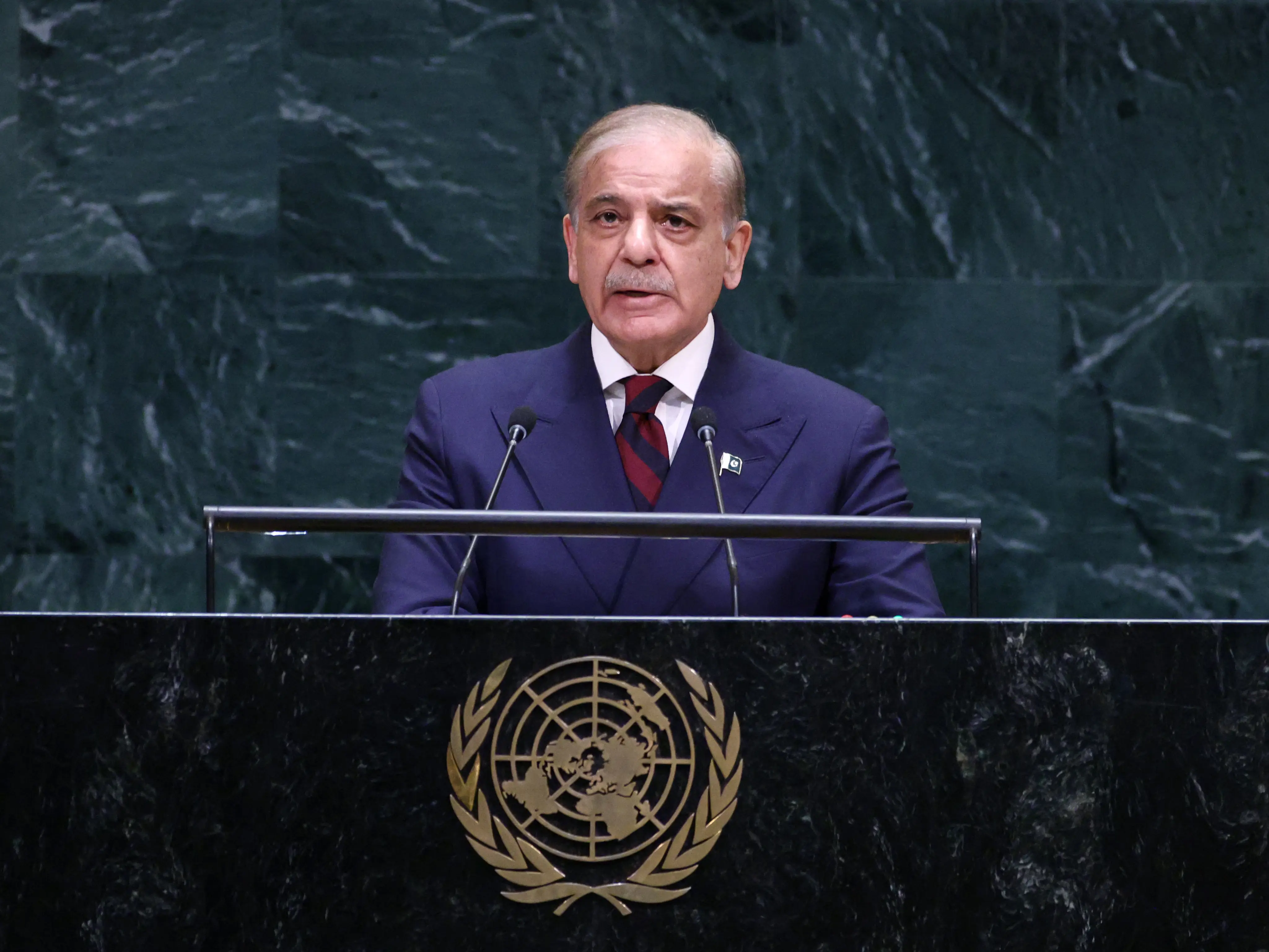)
‘Attack on Mecca a red line for Pakistan’: Shehbaz Sharif warns Houthis at UN
)
Nigeria Navy moves to boost oil security, tackle crude theft and infrastructure threats
)
'He's very much in our plans': Ravindra Jadeja ‘in mix’ for 2027 ODI World Cup, says batting coach
)
'Countries far from conflict are penalised': Jaishankar calls for Gulf peace, seafarer safety at UN
)
Bigg Boss 20: Salman Khan schools Rhiti Tiwari over Qazi Touqeer clash, compares her to Dolly Bindra
)
Gaza's war turned environmental damage into second crisis
)
Nations League: Spain sink England at Wembley; Modric shines for Croatia
)
Trump-Xi summit wrap: Big pageantry, Iran talks, few major developments and more meetings planned
)
‘Could kill billions...’: Bill Gates backs calls to slow AI development amid fears of catastrophe
)
Bollywood x K-pop crossover! LE SSERAFIM’s Kazuha charms fans with Shah Rukh Khan’s ‘Chammak Challo’ steps
)
US-Iran war: Trump rejects Iran's Hormuz proposal, reports suggest talks expected next week
)
'What kind of confession is this?': Pakistan PM Shehbaz Sharif’s 'terrorists would be roaming New York' remark goes viral, raises alarm online. Watch
)
Sri Lankan Tamil migrant worker gets death sentence in Saudi Arabia, help sought from India
)
Myanmar training camp case: US national, 6 Ukrainians allowed to meet their families abroad
)
'FIRST LOOK from inside Noah’s Ark': Researchers share video from inside mysterious mound in Turkey
)
UNSC reform momentum grows: Russia, Portugal, Mauritius push for India's permanent seat bid
)
WATCH | As Shehbaz Sharif claims Pakistan’s ‘victory’ during 2025 conflict, Indian diplomat R Srinivas laughs at UN
)
Ceuta migrant crisis: Protesters take to streets as Spain grapples with migrant challenge
)
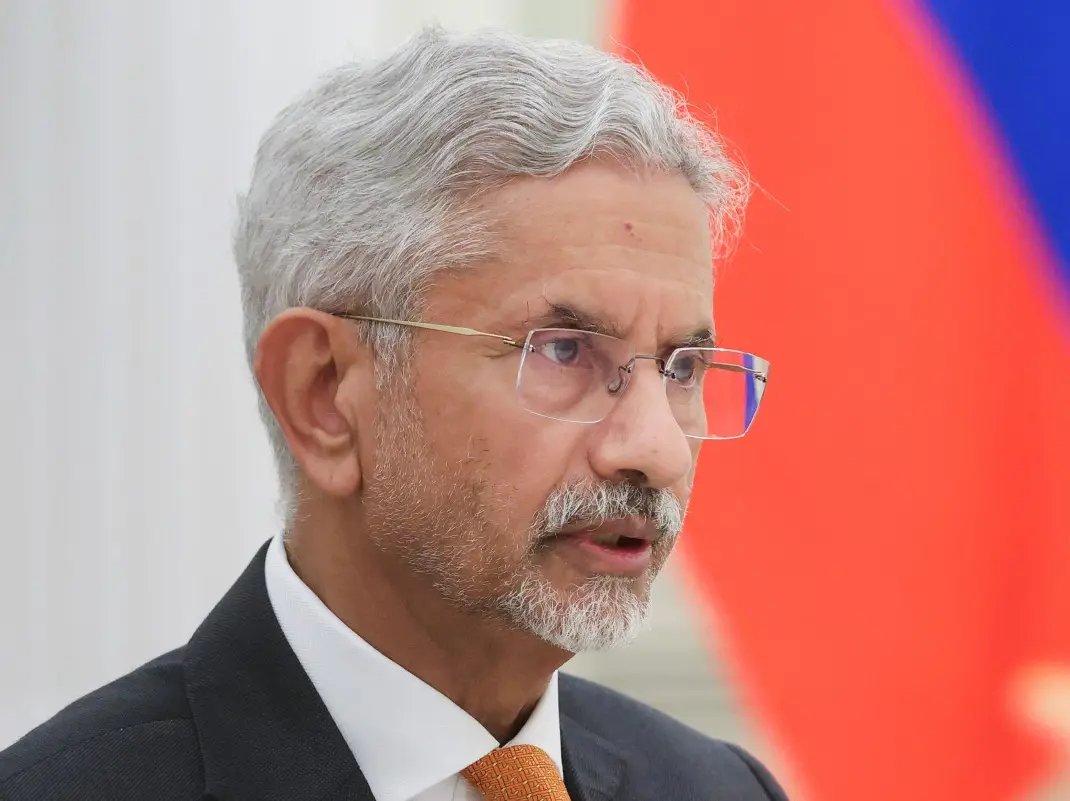
Jaishankar at UNGA: Goodwill and friendship can't coexist with terrorism
)
'A terrorist country is asking me that question?': Jaishankar hits back at Pakistani journalist at UN; flags attacks on commercial shipping
)
Russia will achieve Ukraine war aims; Europe doing everything to block peace talks: Lavrov at UN
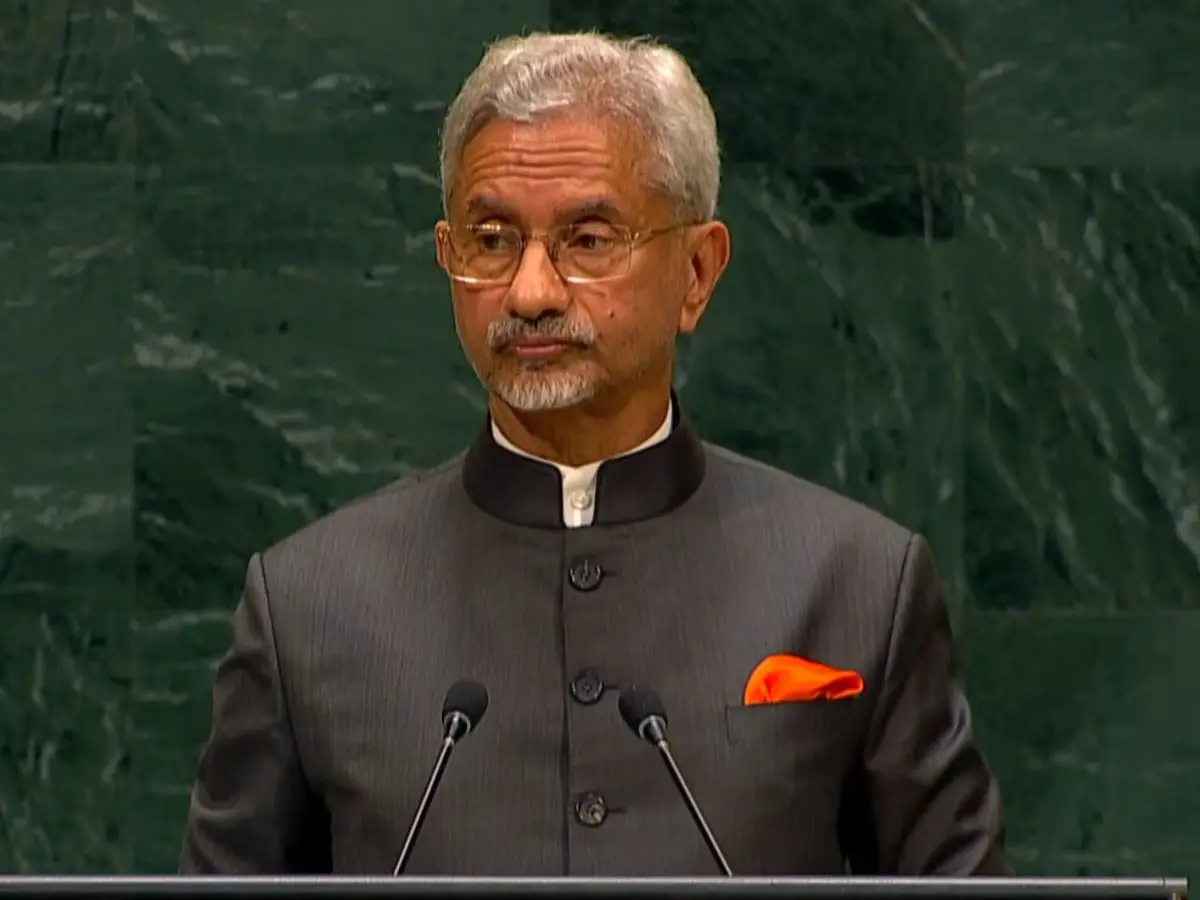)
‘Serial practitioner of terrorism’: Jaishankar calls out Pakistan’s ‘state-sponsored’ terror at UNGA
)
US court backs Pentagon's decision to exclude Anthropic over Claude AI restrictions
This particular investigationis anticipated to contribute to the establishment of horticulture standards to obtain high yields of secure, nutritious dwarf tomato fruit to augment a space diet of pre-packaged food.
It was also performedto evaluate any potential psychological effects that astronauts might experience from growing plants.
ALSO READ |Explained | Get the dope on JUICE, Europe’s mission to find aliens
For this study, salad plantsand dwarf tomatoes were grown in the ‘Veggie’ units while in space, with a focus on the effects of light quality and fertiliser formulation on the crops.
To assess the impacts of spaceflight, a duplicate ground study provided a comparison to the plants cultivated on the ISS.
Each crop was cultivated under two distinct LED lighting setups in two different ‘Veggie’ chambers. Plant "pillows," which are sacks with a wicking surface filled with soilless substrate and fertiliser, were used to grow six plants.
ALSO READ |Scientists re-release first image of black hole with AI makeover
The plants were nurtured for 104 days by the crew, who opened wicks to assist seedlings sprout, provided water, thinned the seedlings, pollinated them, and kept an eye on their health and development.
Additionally, crew members filled out a number of surveys to gauge how their mood changed as the plants grew.
WATCH WION LIVE HERE: