The cat nose: Study reveals secret behind feline's exceptional sniffing abilities

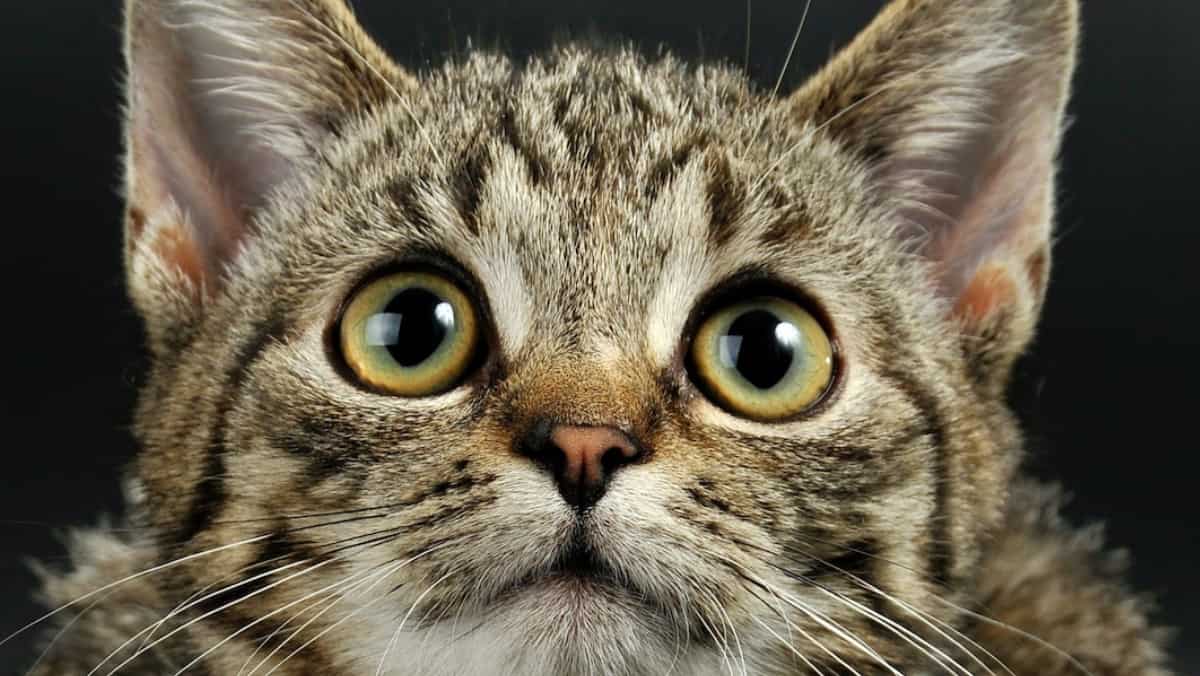
The researchers created a 3D computer model of the cat nose
A groundbreaking study has unveiled the intricate nasal airway structure responsible for the exceptional olfactory abilities of domestic cats. Researchers have created a detailed 3D computer model of a cat's nose and simulated the flow of air carrying various food odours. The study reveals that the air in the cat's nasal passages separates into two distinct streams. One stream undergoes cleansing and humidification, while the other efficiently delivers the odour to the olfactory region.
The Cat Nose: A dual-purposed sensory tool
Scientists suggest that the cat nose functions as a highly efficient and dual-purposed gas chromatograph, a device used in laboratories to detect and separate chemicals in vaporised form.

The cat's nasal structure is so proficient in this regard that it could potentially inspire improvements to existing gas chromatographs.
Also Read | France riots: 600 people arrested, 200 cops left injured as violence continues on third night
The compact size of a cat's head, as opposed to the elongated snout of an alligator, likely drove an evolutionary change that led to the labyrinthine airway structure. This unique structure allows cats to adapt to diverse environments more effectively.
&imwidth=180&imheight=135&format=webp&quality=medium)
Shreyas Iyer blames dew for West Indies' record run chase in 2nd T20I in Ranchi
&imwidth=180&imheight=135&format=webp&quality=medium)
100,000 strikes in 3 years: How October 7 redefined Israel's war
&im=FitAndFill=(700,400)&imwidth=180&imheight=135&format=webp&quality=medium)
Happy Birthday Rekha: Watch these 7 evergreen Bollywood hits on Netflix, Prime Video and more
&imwidth=180&imheight=135&format=webp&quality=medium)
'I am not going to be watching it': JD Vance on livestream of Nidal Hasan's firing squad execution
&imwidth=180&imheight=135&format=webp&quality=medium)
UK navy hit by espionage scandal: Sailor accused of spying for Russia | Gravitas
&imwidth=180&imheight=135&format=webp&quality=medium)
Katie Zacharia likely to succeed Karoline Leavitt as Trump's White House press secretary
&imwidth=180&imheight=135&format=webp&quality=medium)
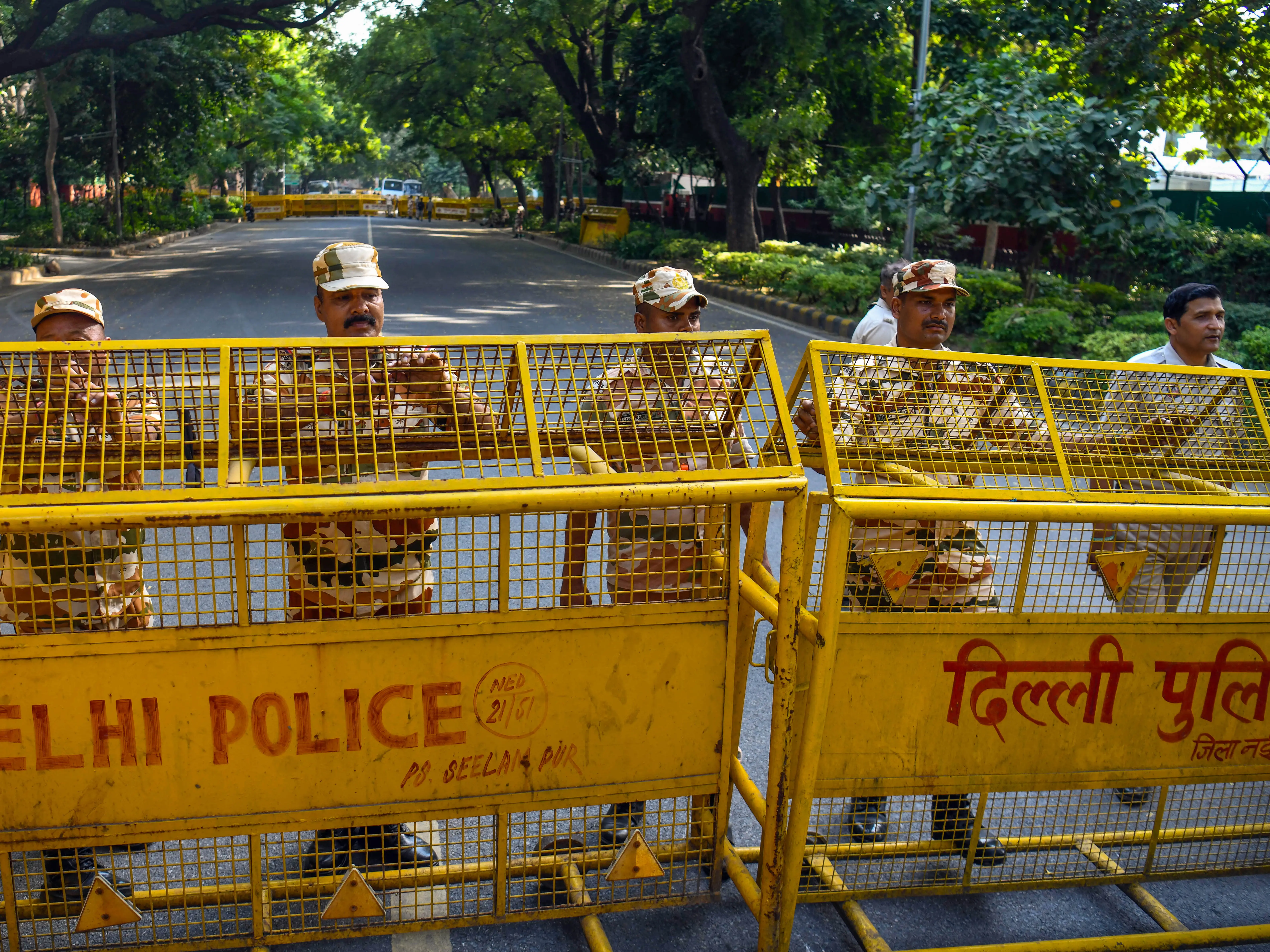
Delhi on high alert for CJP protest: Delhi police to use body cams to 'prove whether we did anything’; Pink Force, RAF, 35,000 personnel deployed
&imwidth=180&imheight=135&format=webp&quality=medium)
‘Never-ending flow of cheap labour’: JD Vance hits back at Indian-origin Congresswoman over US green card curbs for major tech companies
&imwidth=180&imheight=135&format=webp&quality=medium)
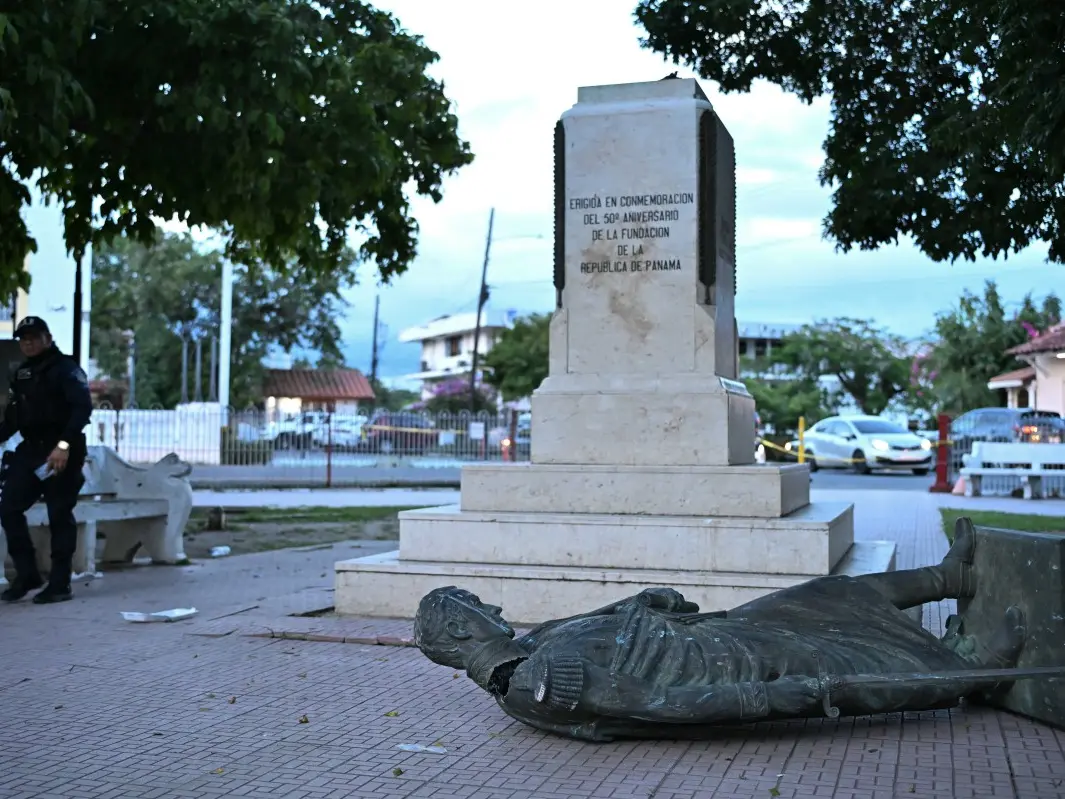
Panama president declares ‘major disaster’ after powerful 7.7-magnitude earthquake; over 80 aftershocks recorded
&imwidth=180&imheight=135&format=webp&quality=medium)
‘250? Cool.’: Shai Hope takes swipe at Shubman Gill’s Instagram caption after Ranchi T20I masterclass
&imwidth=180&imheight=135&format=webp&quality=medium)
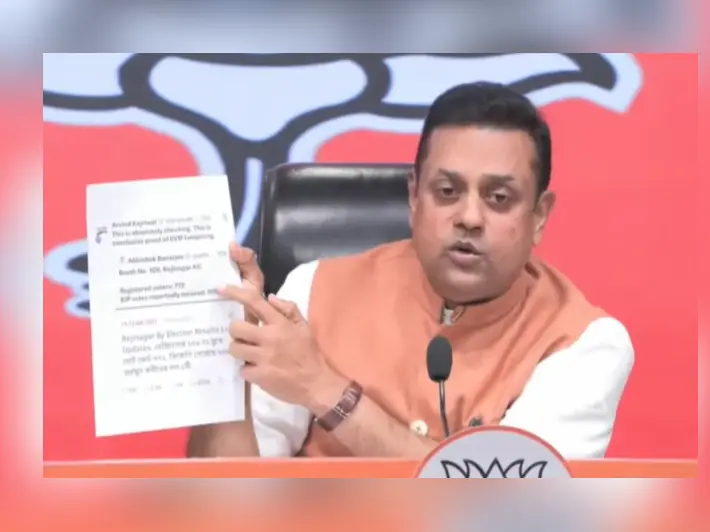
'Jantar Mantar not the story of India': BJP's Sambit Patra claims 'anarchists' tried to hold Delhi captive
&imwidth=180&imheight=135&format=webp&quality=medium)
BJP MP Ravi Shankar Prasad slams CJP protests, calls it 'shadow boxing for AAP'
&imwidth=180&imheight=135&format=webp&quality=medium)
'I ended 8 wars': Trump slams Nobel Peace prize decision, claims award was his due
&imwidth=180&imheight=135&format=webp&quality=medium)
Dhurandhar: The Revenge album submitted for Grammy consideration; But what does it mean?
&imwidth=180&imheight=135&format=webp&quality=medium)
J&K Government orders major police reshuffle, transfers 100 officers across UT
&imwidth=180&imheight=135&format=webp&quality=medium)
New York protests erupt as Trump administration defends ICE shooting
&imwidth=180&imheight=135&format=webp&quality=medium)
Delhi protest: Metro curbs, train cancellations, traffic diversions as protesters seek CEC Gyanesh Kumar’s resignation
&imwidth=180&imheight=135&format=webp&quality=medium)
'Spent Rs 2,000 cr to elect Trump': Elon Musk bought US President's loyalty by writing the biggest political cheque in human history
&imwidth=180&imheight=135&format=webp&quality=medium)
Powerful 7.7 magnitude earthquake strikes Panama, tsunami warning issued
&imwidth=180&imheight=135&format=webp&quality=medium)
Adéla gives KATSEYE’s Lara Raj and Megan Skendiel a shout-out at Fonda Theatre in LA
&imwidth=180&imheight=135&format=webp&quality=medium)
'Modi is a dictator': Abhijeet Dipke claims govt 'scared' of youth, slams stringent measures ahead of CJP Jantar Mantar protest
&im=FitAndFill=(700,400)&imwidth=180&imheight=135&format=webp&quality=medium)
New Friday OTT releases (October 9, 2026): Reporting Live, Animals, Take Charge of My Heart- 6 new titles coming on Netflix, JioHotstar and more
&imwidth=180&imheight=135&format=webp&quality=medium)
Two-thirds of competitive GOP candidates split with trump ahead of November midterms
&imwidth=180&imheight=135&format=webp&quality=medium)
'Ouch!!! That must hurt': Kangana Ranaut hails Kamal Haasan's sharp reply to Elon Musk over Starlink row
&imwidth=180&imheight=135&format=webp&quality=medium)
‘Right to protest must be protected, but...’: Delhi Police reveals why it denied CJP permission for October 10 Jantar Mantar protest
&imwidth=180&imheight=135&format=webp&quality=medium)
Trump announces Russian diesel deal as Zelensky criticises move
&imwidth=180&imheight=135&format=webp&quality=medium)
Pakistan denies reports of PAF jets being used in attacks against Iran-backed Houthis in Yemen
&imwidth=180&imheight=135&format=webp&quality=medium)
All 22 Indian seafarers safe in attack on Panama-flagged tanker off UAE coast
&imwidth=180&imheight=135&format=webp&quality=medium)
Ryan Reynolds’ private messages reveal his blunt views on Justin Baldoni from Blake Lively’s legal case
&im=FitAndFill=(700,400)&imwidth=180&imheight=135&format=webp&quality=medium)
Rakul Preet Singh birthday special: 7 times the Ramayana actress served glamorous looks

Kamal Haasan slams Elon Musk over Starlink delay row: 'Indian people, will decide our own future - not Western'
&im=FitAndFill=(700,400)&imwidth=180&imheight=135&format=webp&quality=medium)
Food shortages, suicide attempts and more: USS Abraham Lincoln returns to US after 321 day deployment — What happened aboard the US carrier?
&imwidth=180&imheight=135&format=webp&quality=medium)
Thai queen becomes first reigning monarch to fly jet solothailand #queen #wion
&imwidth=180&imheight=135&format=webp&quality=medium)
SC questions closure of 57 Delhi Metro stations, asks Centre to resume services in regulated manner
&imwidth=180&imheight=135&format=webp&quality=medium)
Rahul Gandhi calls Modi, Shah ‘cowards’ amid CJP protest crackdown in Delhi
&imwidth=180&imheight=135&format=webp&quality=medium)
Flydubai co-pilot developed extremist views while studying in Australia: UAE prosecutors
&imwidth=180&imheight=135&format=webp&quality=medium)
Why was CJP founder Abhijeet Dipke detained? What Delhi Police said
&imwidth=180&imheight=135&format=webp&quality=medium)
Trump honours Microsoft CEO Satya Nadella with top technology honour amid immigration scrutiny
Understanding the flow patterns
The researchers discovered that the nasal structure optimises odour detection by providing a high-speed pathway for the odourants, bypassing the slower respiratory flow.
The simulation also revealed a surprising finding: once the odourant-laden air reaches the olfactory region, it is recirculated through parallel channels for an extended period.
"That was actually a surprise," Kai Zhao, the study's senior author said adding, "It's like you take a sniff, the air is shooting back there and then is being processed for a much longer time."
Also Read | UK environment minister Zac Goldsmith resigns, accuses Rishi Sunak of neglecting Climate Change
This recirculation allows for more thorough odour processing. The researchers estimate that the cat's nose is over 100 times more efficient at odour detection compared to species with straight, amphibian-like noses of a similar size.
This study provides the first quantitative comparison of gas chromatography efficiency between mammals and other species. The research sheds light on the evolutionary pathways that have shaped different nose structures and their functional purposes.
Watch | French President spotted at singer Elton John's concert amid riots
While much is known about vision and hearing, this study opens the door to a deeper understanding of the nose and its vital role in sensory perception.
"It's a good design if you think about it," said Zhao. "For mammals, olfaction is very important in finding prey, identifying danger, finding food sources and tracking the environment. In fact, a dog can take a sniff and know what has passed through - was it a friend or not?"
The study's authors
The study's senior author is Kai Zhao, an associate professor of otolaryngology at Ohio State's College of Medicine. Zhenxing Wu, a postdoctoral scholar in Zhao's lab, is the first author.
Other contributors include researchers from Monell Chemical Senses Center, Waltham Petcare Science Institute, and the University of Pennsylvania. The research received partial funding from the National Institutes of Health and Mars Petcare UK. The study was published in PLOS Computational Biology on June 29, 2023.
WATCH WION LIVE HERE You can now write for wionews.com and be a part of the community. Share your stories and opinions with us here.