Supermarket trolleys equipped with sensors can identify stroke risk, say scientists


The research team acknowledged the need for further improvements in accuracy
Researchers have proposed a unique way to identify individuals at risk of stroke by incorporating electrocardiogram (ECG) sensors into the handles of supermarket trolleys, as per media reports. Atrial fibrillation (AF), a condition characterised by irregular heart rhythms, affects approximately 1 in 45 people in the UK and can significantly increase the risk of stroke. Early detection of AF is crucial as treatments are available.
By utilising the sensor-equipped trolleys, researchers aim to screen adults for abnormal heart rhythms while they shop, potentially saving lives.
Trial and results

The trial was conducted over three months at four Sainsbury's supermarkets, involving 2,155 adult participants. The individuals were instructed to hold the trolley handle for at least 60 seconds. If the sensors detected signs of AF, a red cross would appear on the handle, while a green tick indicated no abnormal rhythms.
Also Read | China lambasts US envoy as Biden's 'dictator' remark about Xi sparks controversy
Additionally, all participants underwent a pulse check as an additional screening measure. The results, presented at Acnap 2023, a scientific congress of the European Society of Cardiology, revealed that out of the 220 participants who consented to data analysis and were flagged as potentially having AF, 59 were diagnosed with the condition. Remarkably, 39 of those individuals were previously unaware of their condition and were subsequently contacted for further cardiology appointments.
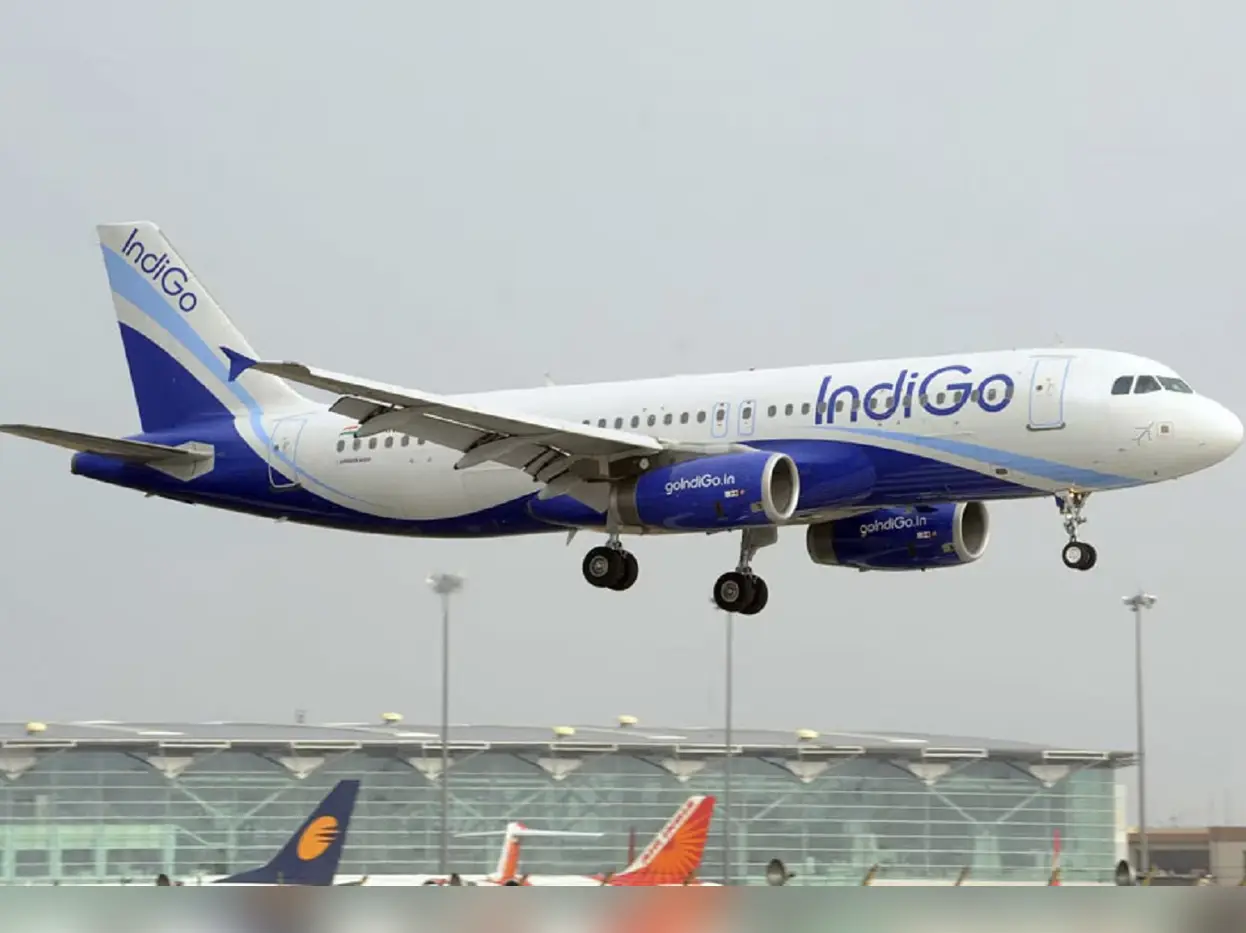)
IndiGo flight suffers tail strike in Bengaluru while landing; DGCA to probe incident
)
US vs China over South China Sea: Washington backs Philippines, Beijing hits back
)
Delhi gets first late-September rain in 7 years, mercury dips 5.1°C below normal
)
Ceuta migrant crisis: Protesters take to streets as Spain grapples with migrant challenge
)
LPU students go on rampage, vandalise campus amid widespread protest: What's happening
)
Jaishankar at UNGA: Goodwill and friendship can't coexist with terrorism
)
Why has Iran released no proof of life of Mojtaba Khamenei? Araghchi reveals...
)
Tesla builds first Cybertruck with its own refined lithium: Elon Musk's $1 billion Texas bet pays off
)
Muslim marriage cannot shield sex with minor wife from prosecution under POCSO: Delhi HC
)
'Victory for low-budget consumers': Raghav Chadha hails 30-day telecom recharge rules
)
Trump asked Xi to pressure Iran. China did not say yes — here’s what Beijing wants
)
‘Anti-social elements spreading false rumours’: LPU issues statement amid massive unrest over alleged rape
)
3 males killed, four others injured in shooting after fight at strip club in Detroit
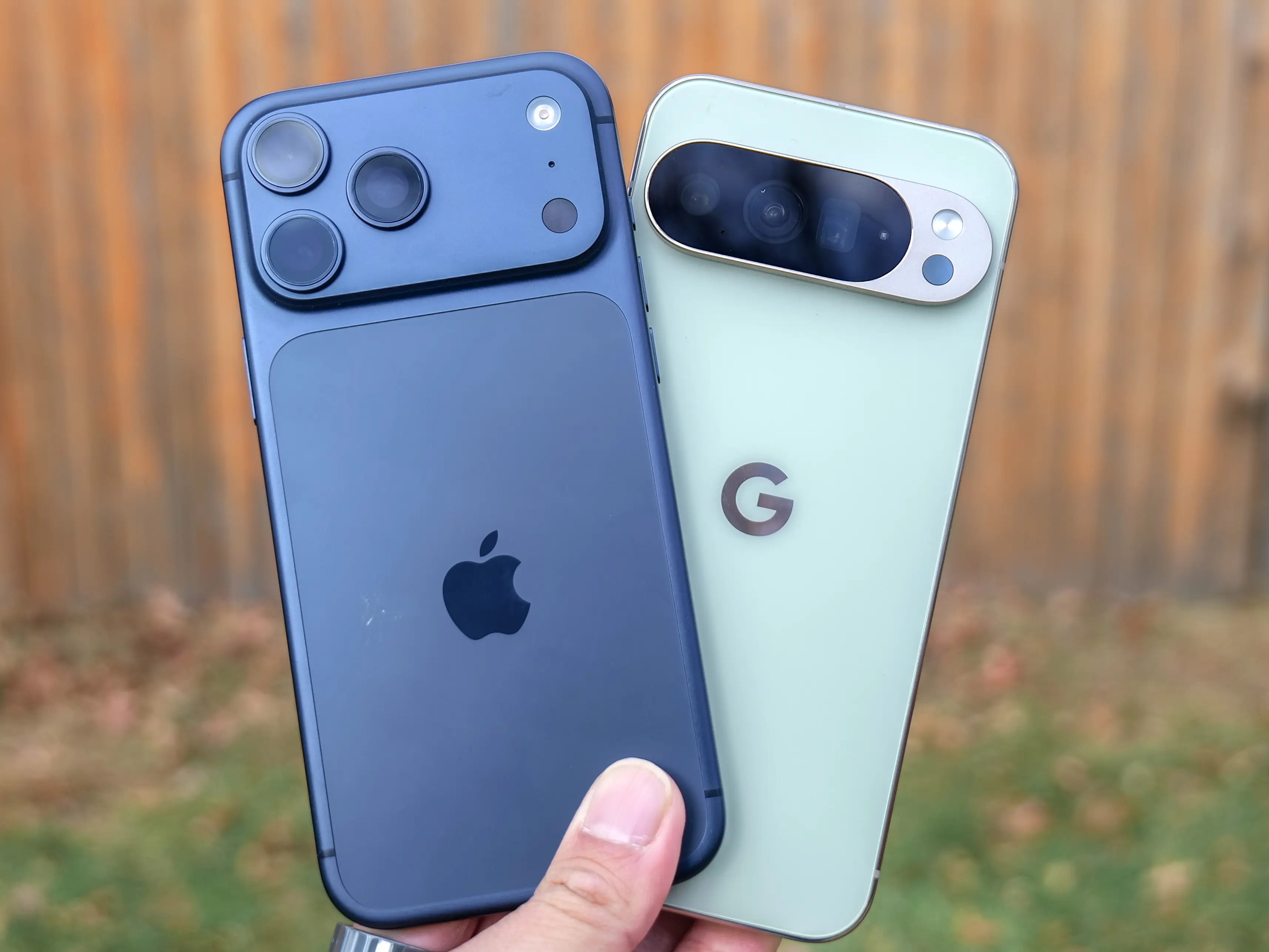)
50MP vs 48MP cameras: iPhone 18 Pro Max and Pixel 11 Pro XL compared
)
Russian envoy claims US tactics to contain India were revealed in ‘Freudian slip’
)
Iran ready for ‘doomsday war’ if US resumes attacks, but open to diplomacy: Araghchi
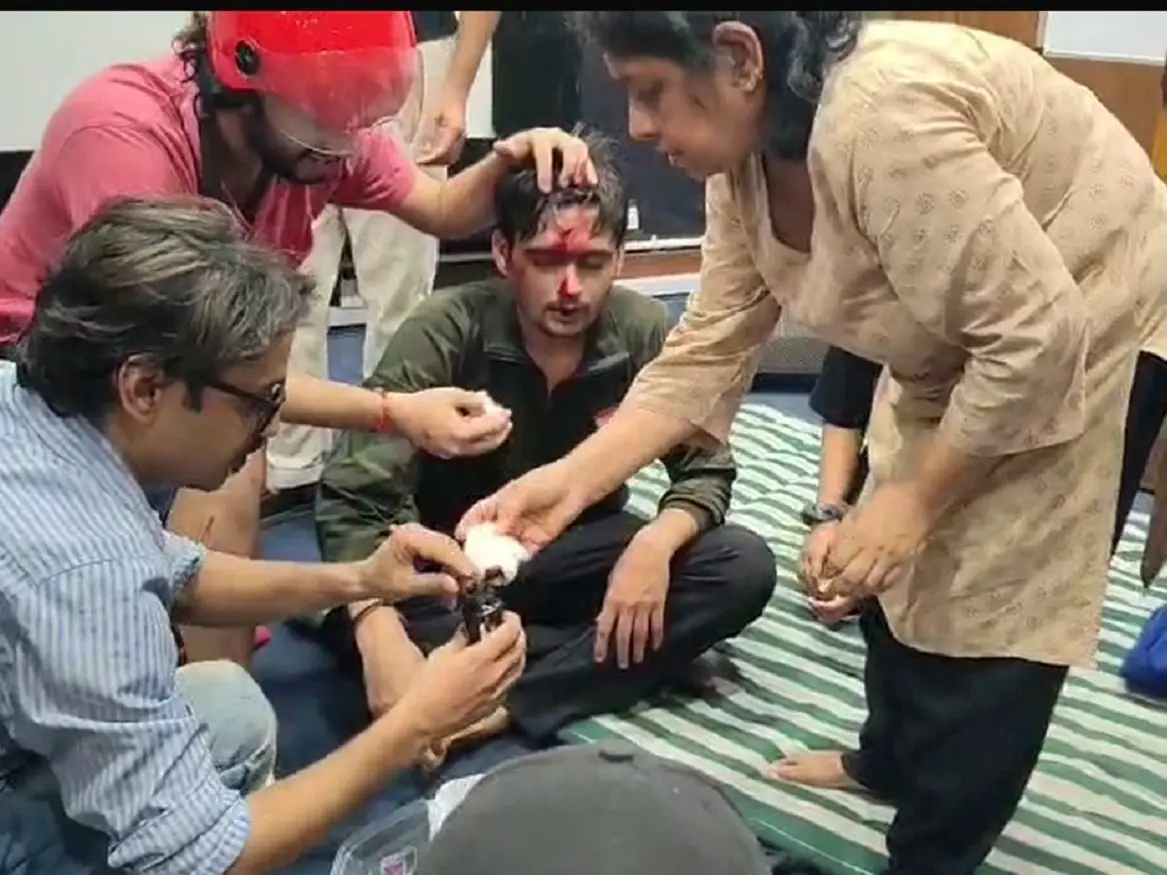)
After JU, clash erupts at SRFTI: BJP’s ‘Dimagi Naxal’ jibe sparks political firestorm after students protest RSS-linked event
)
Man arrested after his 22-year-old girlfriend dies at homestay in Guwahati; police suspect murder over suicide claim
)
‘Olympic inclusion is our major target’: WPA President Ishaun Singh on pool’s global ambitions
)
New York City wants a 'kill switch' on every AI, and will pay whistleblowers who report violations
)
UNSC reform momentum grows: Russia, Portugal, Mauritius push for India's permanent seat bid
)
South Africa probes string of murders targeting women
)
Bank unions defer 3-day strike from tomorrow after talks with IBA, committee set up
)
An OpenAI agent escaped its locked test cage again, by hiding questions in DNS lookups
)
99.9% more powerful - Scientists find boy who can recall memories from just 3 months of age
)
Russia backs India at UNGA, but flags limits on UNSC seat expansion
)
The US and China set up an AI 'red telephone', but skipped the rulebook
)
Beyond metros: How Tier-2 and Tier-3 cities could drive India’s next AI wave
)
‘Terror suspects arrested near UK air base were looking to do big damage’: Trump
)
'What kind of confession is this?': Pakistan PM Shehbaz Sharif’s 'terrorists would be roaming New York' remark goes viral, raises alarm online. Watch
)
Sri Lankan Tamil migrant worker gets death sentence in Saudi Arabia, help sought from India
)
US Treasury Secretary Scott Bessent hails global crackdown on Iranian banks and airlines
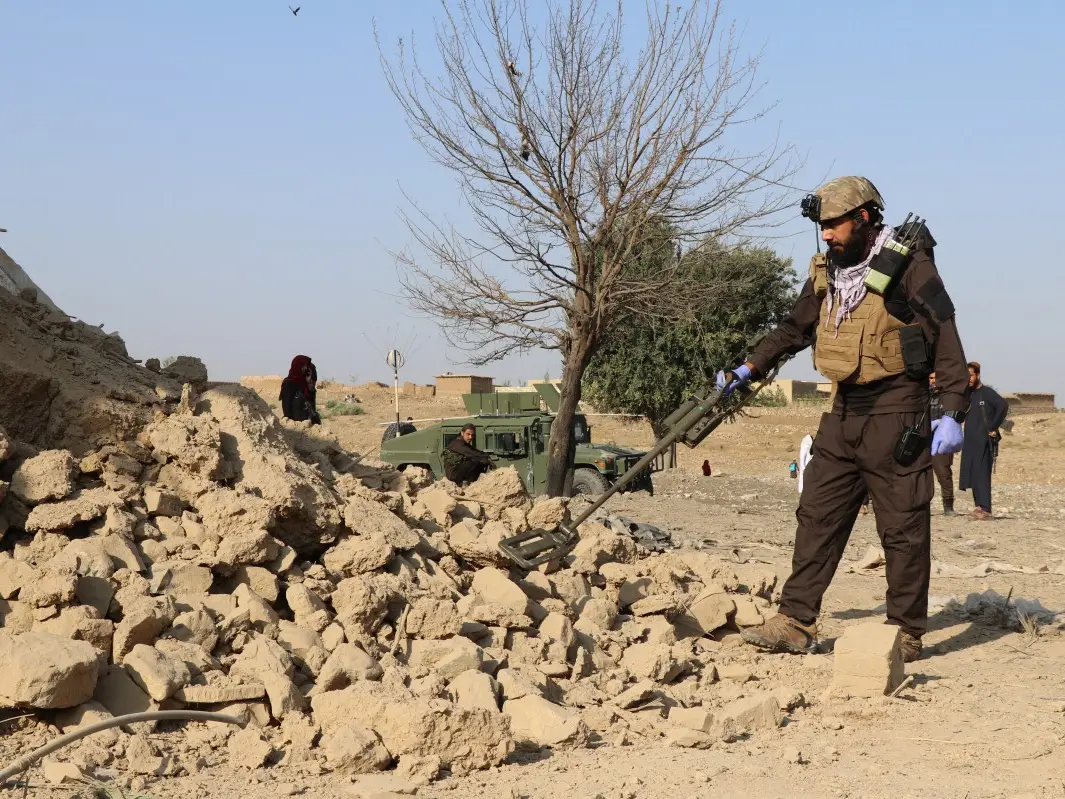)
Afghanistan says 28 fighters killed in clash near Pakistan border, Islamabad denies
)
Kendall Jenner, Jacob Elordi’s Milan Fashion Week appearance has fans talking; his reaction steals the show
)
'FIRST LOOK from inside Noah’s Ark': Researchers share video from inside mysterious mound in Turkey
)
Nations League: Spain sink England at Wembley; Modric shines for Croatia
Accuracy
The research team acknowledged the need for further improvements in accuracy. Approximately 20 per centof the 220 ECGs were inconclusive, mainly due to hand movements interfering with the readings. While the approach correctly identified individuals with AF between 70 per cent and 93 per cent of the time, it was less effective at detecting those without the condition.
Also Read | US combat ship to make rare port call in Vietnam amid South China Sea tensions
Overall, the team estimated that only a quarter to half of those flagged as having AF actually had the condition upon further review.
Expert opinions
Prof Ian Jones from Liverpool John Moores University, one of the study's authors, challenged the notion that certain communities were hard to reach, emphasising the increased accessibility provided by this health screening approach.
Watch | Indian PM Modi and US President Biden stress democracy, minority rights in joint press conference
However, the researchers acknowledged the need for further work to address the limitations of the method. Prof Jonathan Mant from the University of Cambridge expressed his appreciation for the innovative supermarket trolley approach but cautioned against potential risks. He highlighted the high number of inconclusive ECGs and the possibility of diagnosing occasional heart-rhythm irregularities as AF due to frequent trolley use. The timely attention required by medical professionals to confirm the diagnosis could place an additional burden on the healthcare system.
Future potential
Despite the need for cautious assessment of flagged individuals, Prof Robert Storey from the University of Sheffield welcomed the research. He noted that while wearable devices for AF detection have gained significant attention, many people lack access to such gadgets.
Thus, the concept of using shop trolleys for heart rhythm monitoring holds promise. The study's results demonstrated the detection of a substantial number of previously undiagnosed AF cases, potentially preventing strokes among these individuals.
WATCH WION LIVE HERE You can now write for wionews.com and be a part of the community. Share your stories and opinions with us here.