&imwidth=800&imheight=600&format=webp&quality=medium "Scientists stunned as black hole emits rhythmic heartbeat, NASA’s IXPE uncovers cosmic mystery!")
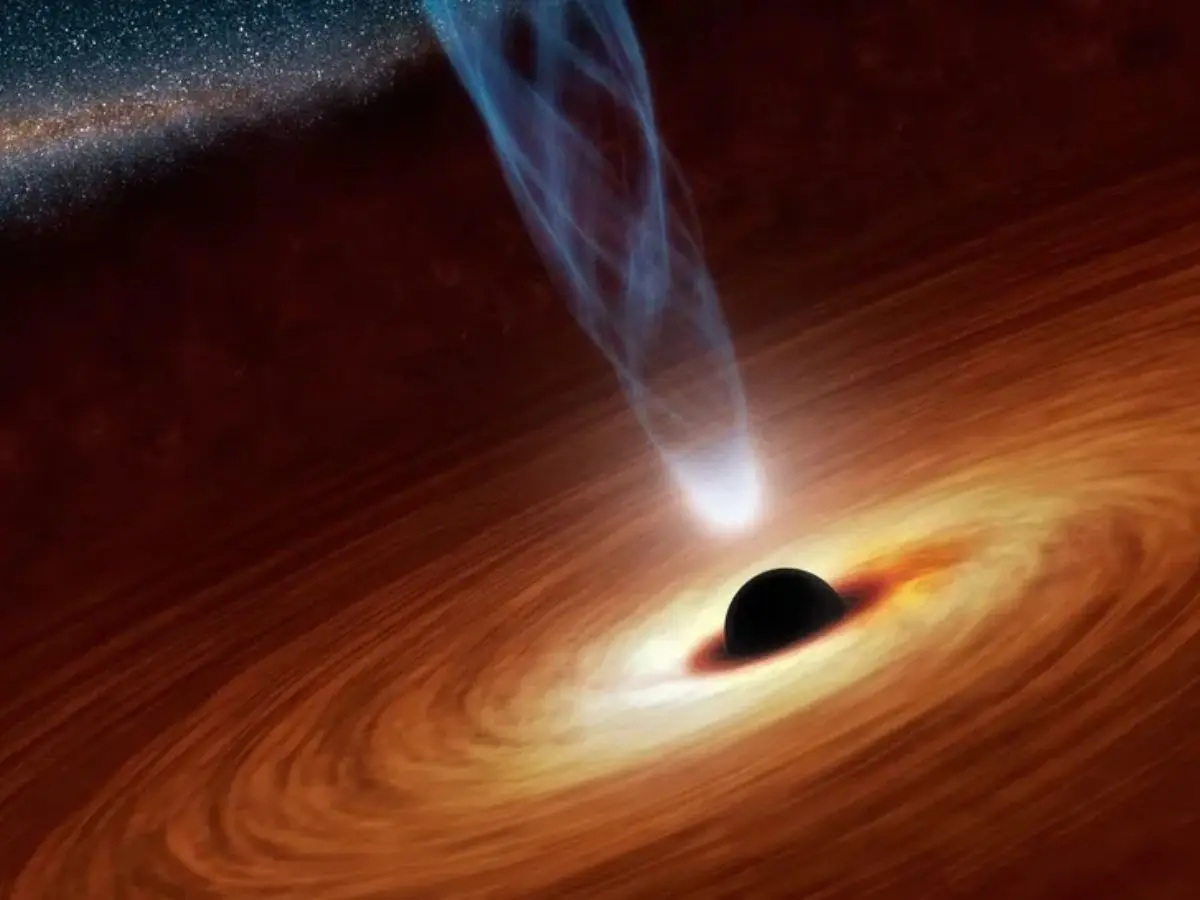
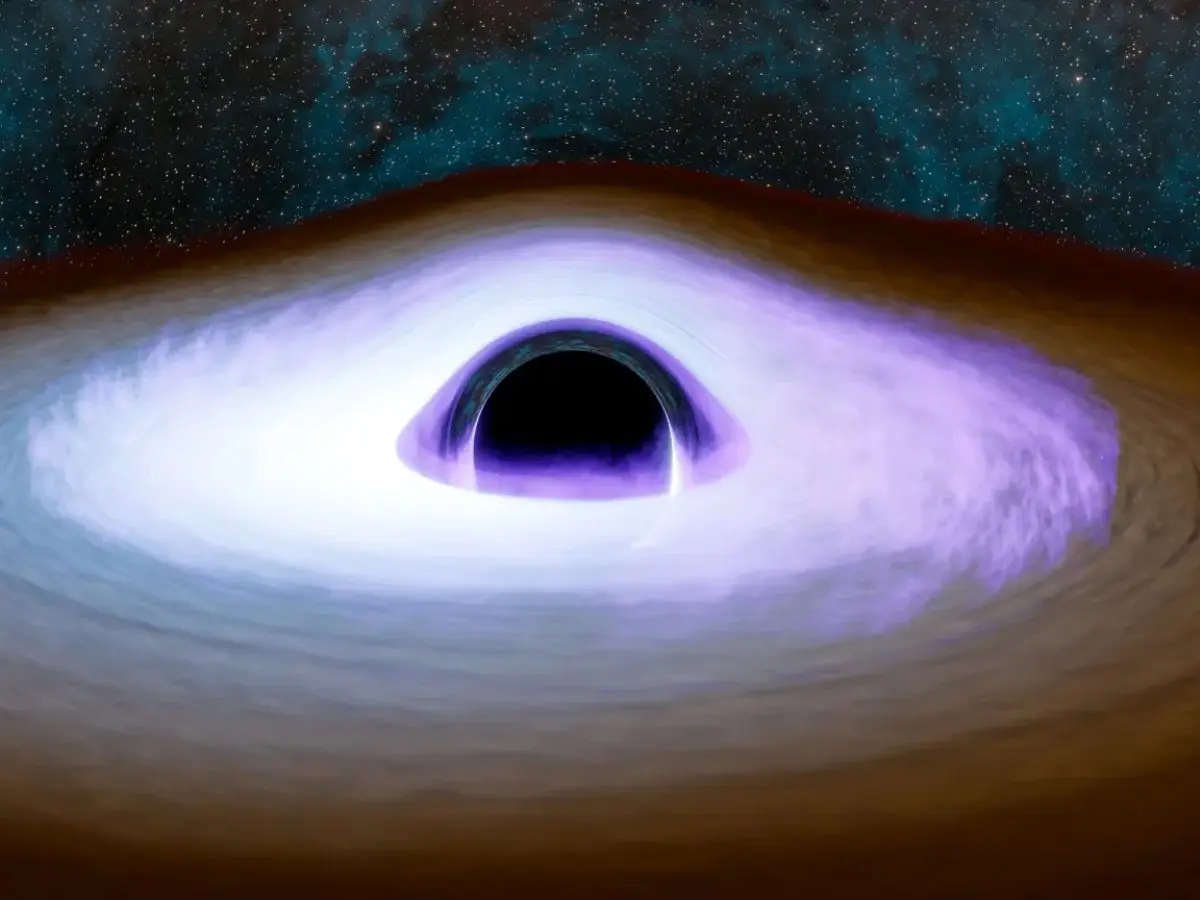
An international team of astronomers, utilising NASA’s Imaging X-ray Polarimetry Explorer (IXPE), has uncovered surprising insights into the behaviour of matter in the immediate vicinity of a black hole. Their observations of the stellar-mass black hole IGR J17091-3624, located approximately 28,000 light-years from Earth, have revealed a unique 'heartbeat' pattern in its X-ray emissions. This discovery, detailed in a recent NASA publication, challenges prevailing theories about black hole dynamics and offers a fresh perspective on their complex nature.
Revealing the Heartbeat: IXPE's Groundbreaking Measurements
In April 2025, astronomers employed IXPE to measure the polarisation of X-rays emitted by IGR J17091-3624. They detected a polarisation degree of 9.1 per cent, significantly higher than anticipated based on existing models. This high degree of polarisation suggests a highly ordered magnetic field structure around the black hole, providing new insights into the geometry of its accretion disc and corona. Lead researcher Melissa Ewing from Newcastle University said, "The black hole IGR J17091-3624 is an extraordinary source which dims and brightens with the likeness of a heartbeat, and NASA’s IXPE allowed us to measure this unique source in a brand-new way."

Implications for Black Hole Research
The observed 'heartbeat' pattern, characterised by periodic dimming and brightening of X-ray emissions, provides a novel method for studying the behaviour of matter near black holes. This rhythmic variability may be linked to complex interactions between the accretion disc, corona, and relativistic winds emanating from the black hole. Understanding these interactions is crucial for comprehending the mechanisms driving black hole growth and their role in galactic evolution. IXPE's ability to measure X-ray polarisation offers a powerful tool for probing the extreme environments surrounding black holes, potentially leading to significant advancements in astrophysical research.
Trending Stories
Conclusion: A Step Forward in Astrophysics
NASA’s IXPE mission has provided unprecedented insights into the complex behaviour of black holes, particularly through its ability to measure X-ray polarisation. The detection of a 9.1 per cent polarisation degree in the emissions from IGR J17091-3624 challenges existing theoretical models and opens new avenues for research into the dynamics of black holes. As astronomers continue to analyse data from IXPE and other observatories, our understanding of these enigmatic cosmic entities is poised to deepen, potentially leading to groundbreaking discoveries in the field of astrophysics.