Falling into a black hole: What happens when you cross the point of no return?

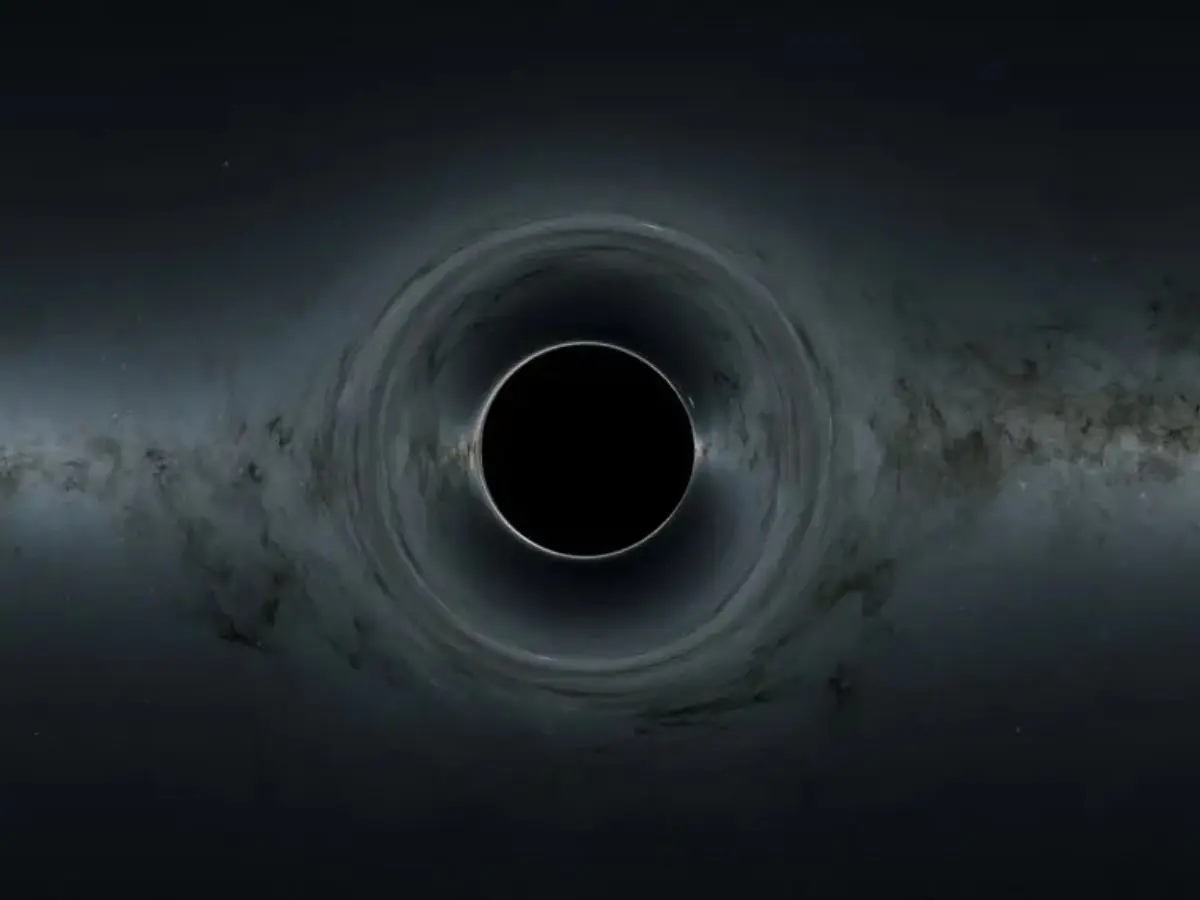
The gravitational pull of black holes is so strong that nothing, not even light, can escape once it passes the boundary known as the event horizon.
The Enigma of Black Holes
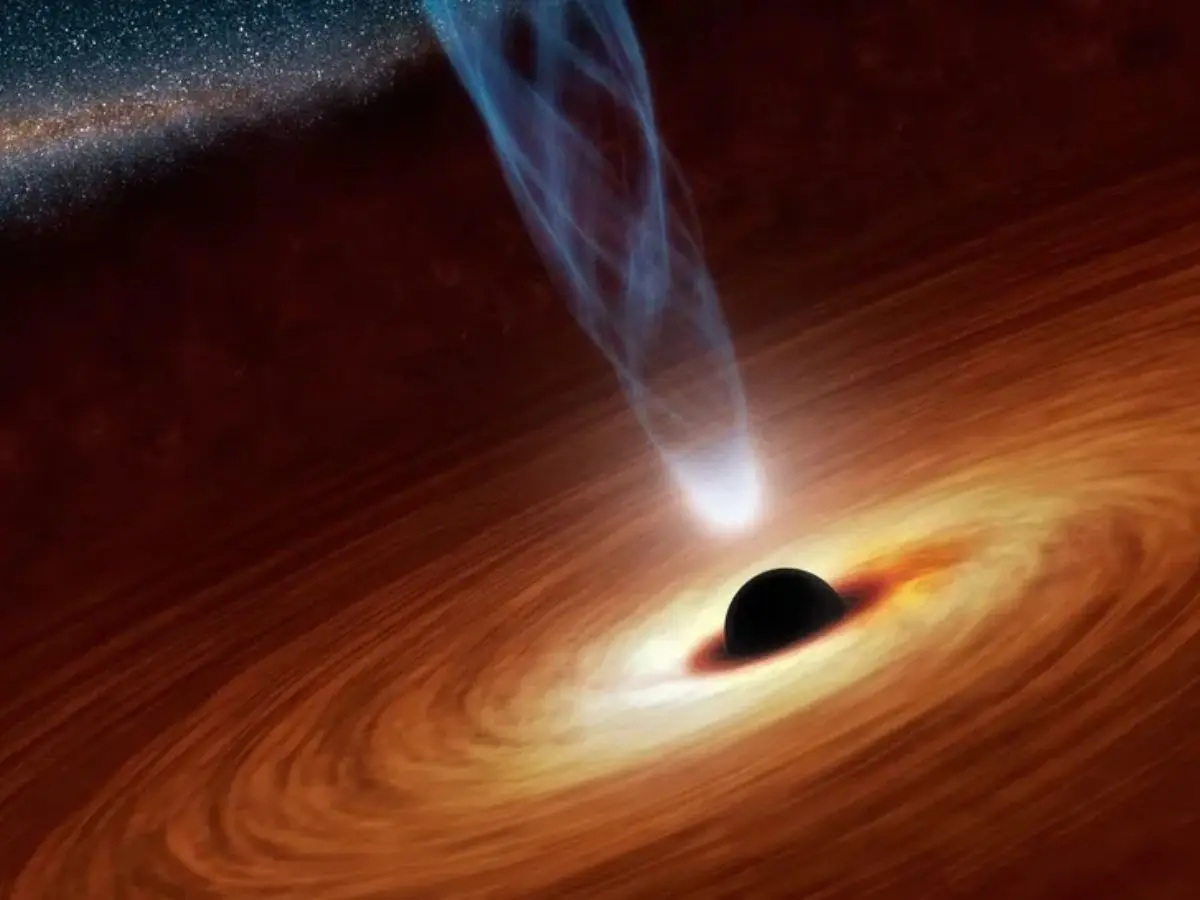
Black holes are among the most mysterious objects in the cosmos. Despite the ominous name, they are not empty voids but extremely dense concentrations of matter. Their gravitational pull is so strong that nothing, not even light, can escape once it passes the boundary known as the event horizon. Beyond this point, time and space are warped beyond our usual understanding. Scientists continue to study black holes, yet much about them remains elusive, particularly what happens within the event horizon.
Formation and Composition
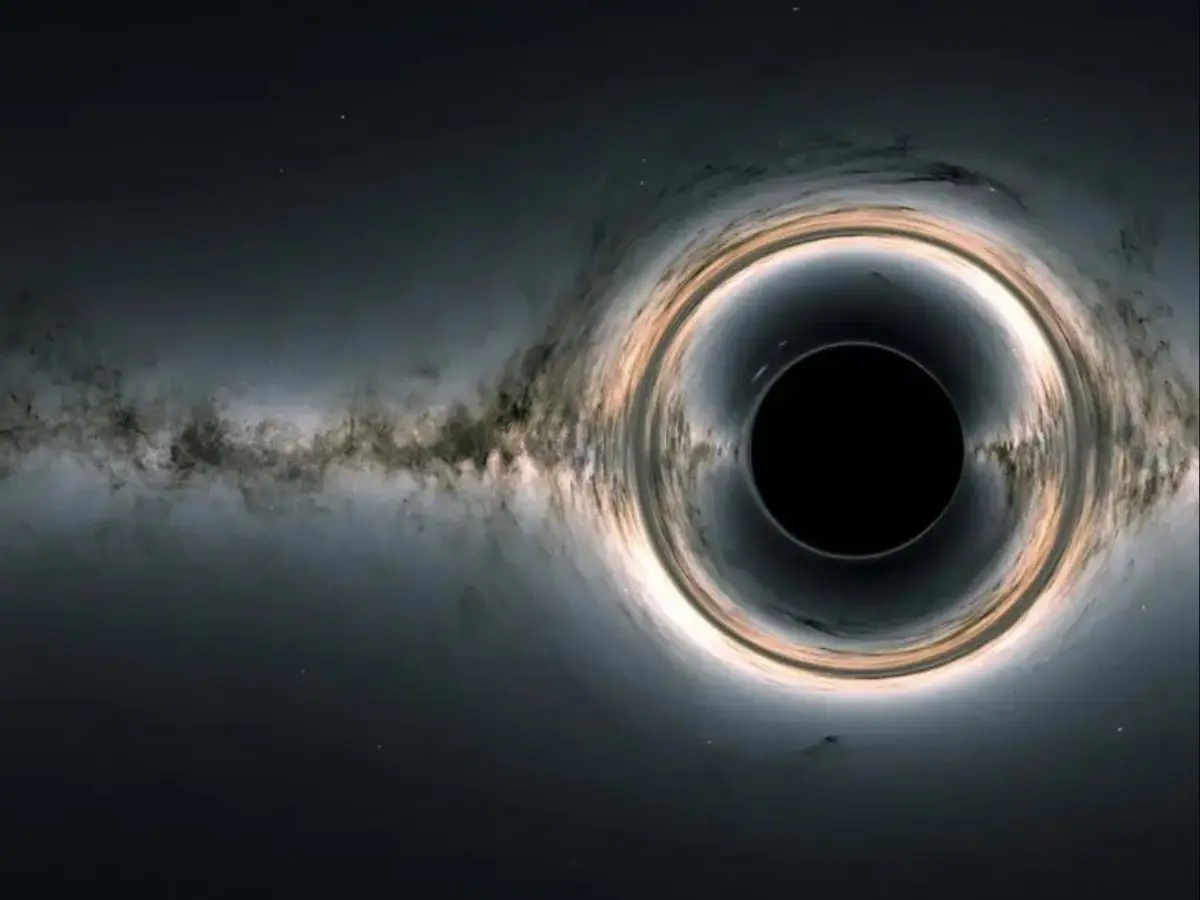
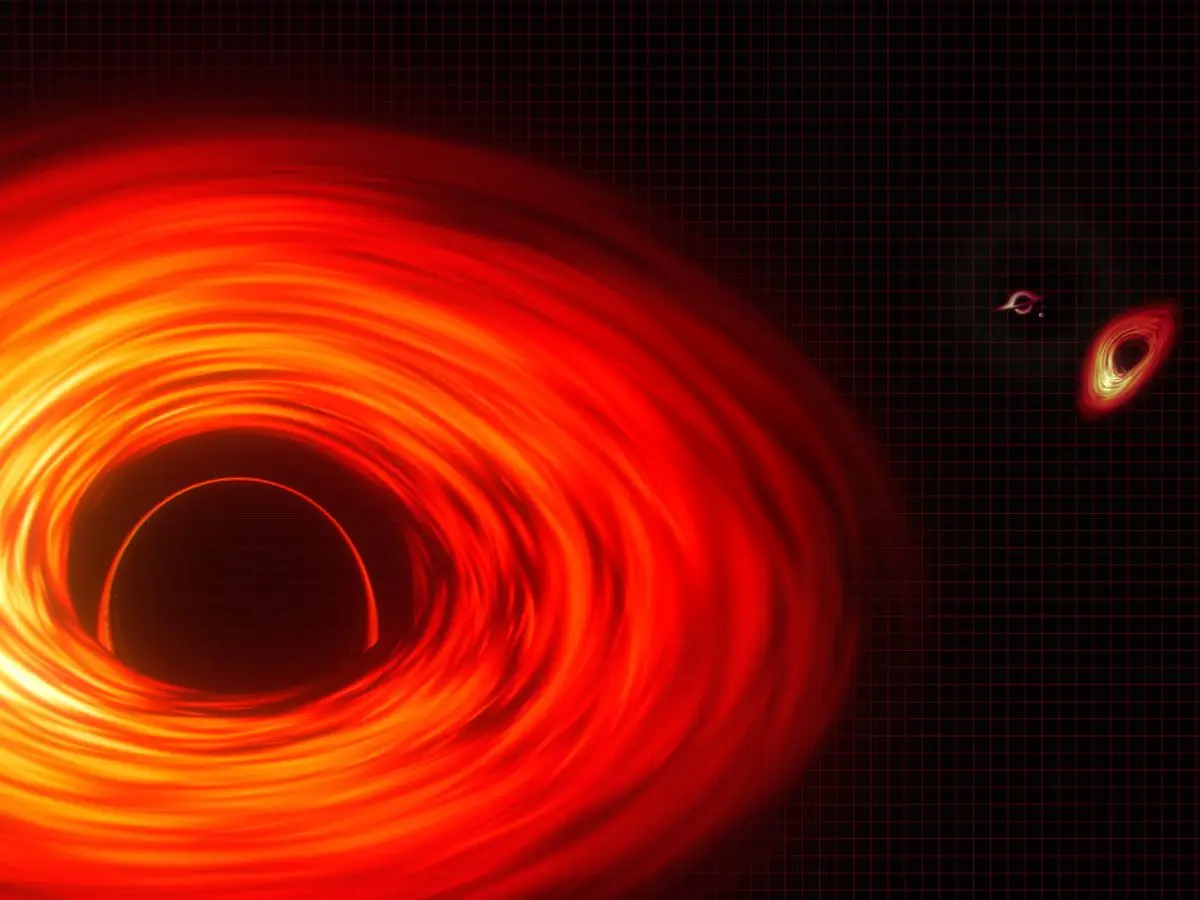
Black holes form when massive stars exhaust their nuclear fuel and collapse under their own gravity. This collapse compresses the core into a singularity, an infinitely dense point surrounded by the event horizon. The three main types are stellar-mass black holes, which weigh between 1 and 100 times the Sun’s mass and form after a supernova; intermediate-mass black holes, with masses between 100 and 100,000 Suns, still poorly understood; and supermassive black holes, millions or billions of times the Sun’s mass, often found at the centre of galaxies, growing through mergers and the accretion of stars.
Detecting the Invisible
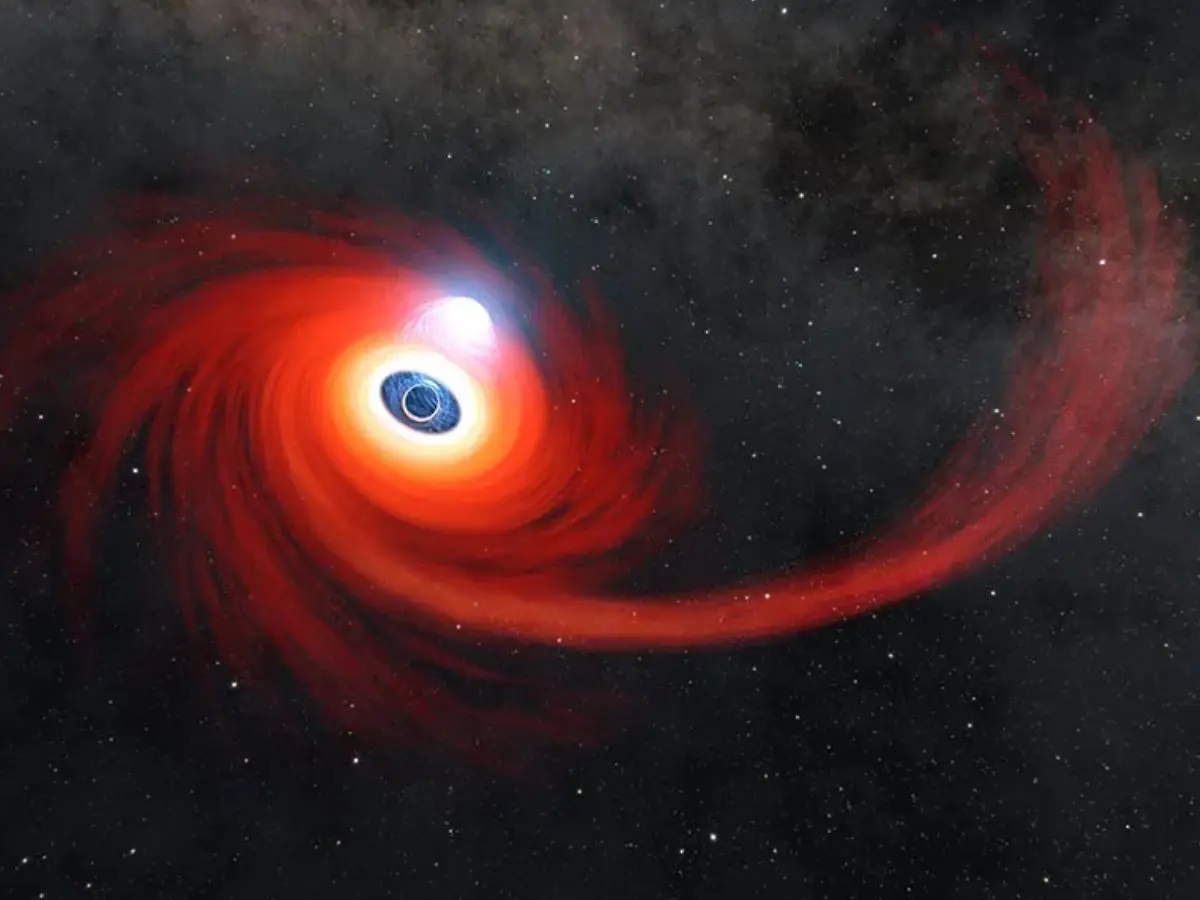
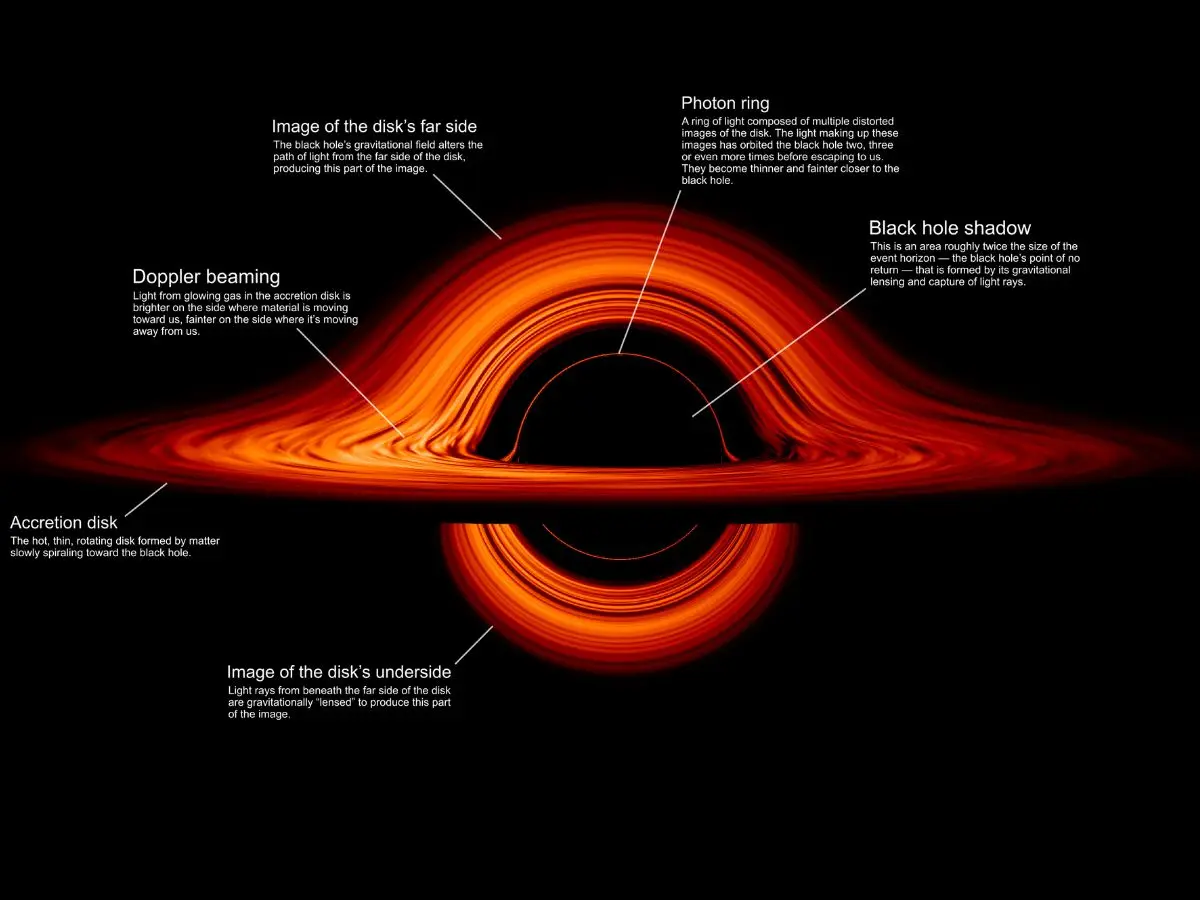
Black holes cannot be observed directly because they emit no light. Astronomers detect them by their effects on surrounding matter. Gas and dust drawn into the black hole form an accretion disk that emits X-rays. Stars orbiting a supermassive black hole in peculiar paths reveal its presence, as with Sagittarius A at the centre of the Milky Way. Gravitational waves from colliding black holes and gravitational lensing of light from distant objects are additional detection methods, providing indirect but compelling evidence of these cosmic entities.
Gravitational Forces and Relativity
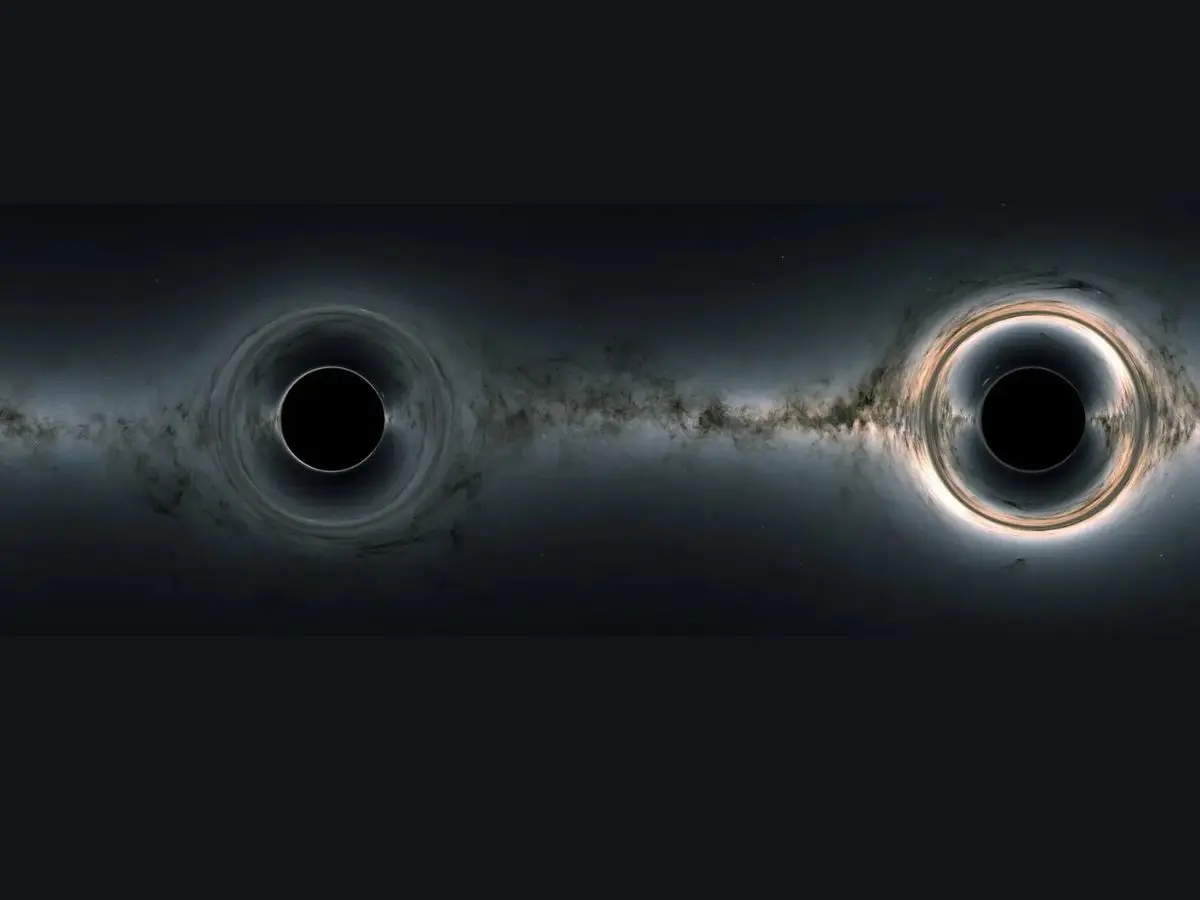
The immense gravitational pull of black holes allows them to warp spacetime, offering a natural laboratory to test Einstein’s general relativity. At the singularity, where density becomes infinite, general relativity and quantum mechanics offer conflicting predictions, making black holes a focal point for understanding the fundamental laws of the universe.
The Journey into a Black Hole
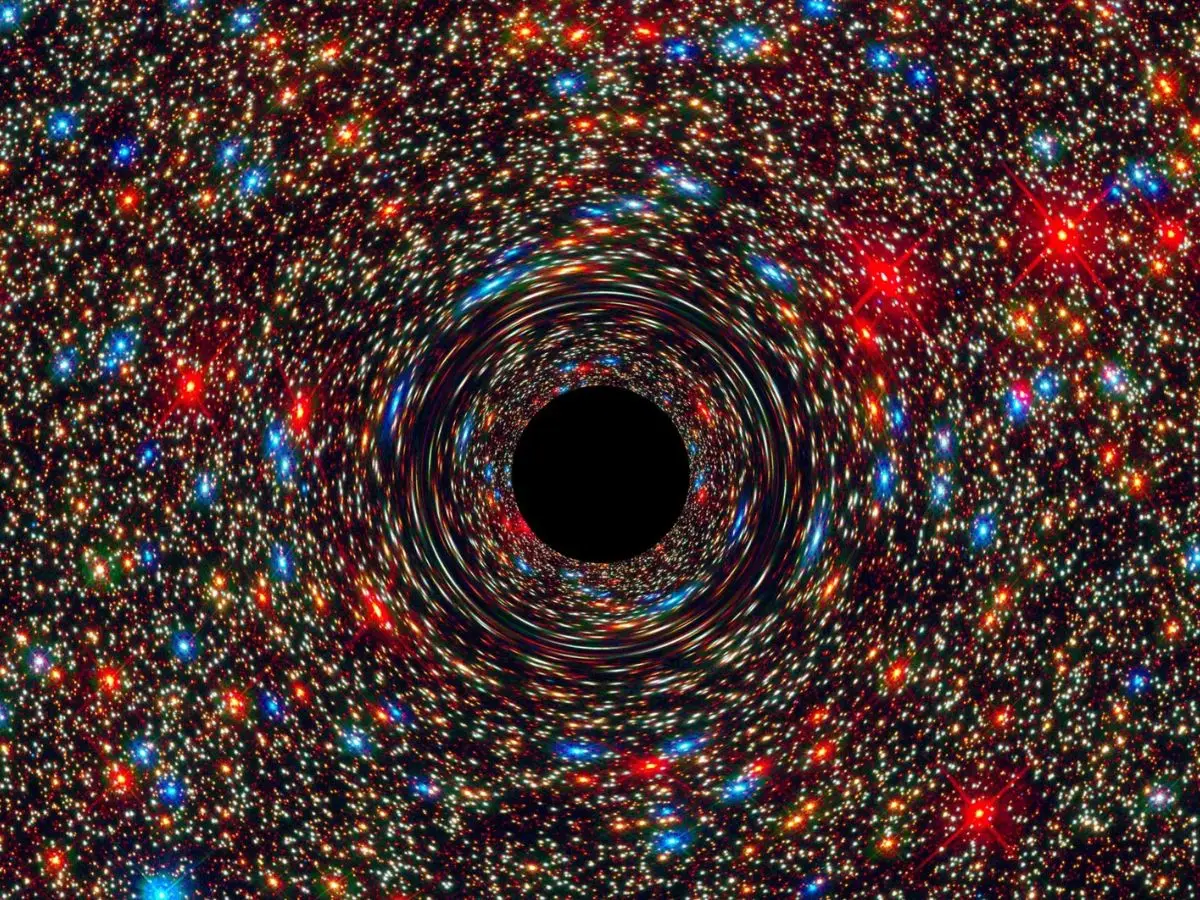
Falling into a black hole is not survivable. Stellar-mass black holes would stretch and compress the body in a process known as spaghettification. Supermassive black holes, despite stronger gravity, exert less extreme tidal forces near the event horizon, though escape is still impossible. Time dilation would make external events appear to speed up dramatically, while the infaller experiences time normally until reaching the singularity. Radiation from the accretion disk and tidal forces make survival implausible.
Sagittarius A and Extreme Cases
Sagittarius A, the supermassive black hole at the centre of the Milky Way, contains over four million solar masses and is approximately 44 million kilometres across. Any planet or object straying too close would be torn apart. Crossing the event horizon, one could do so without immediate awareness, but escape would remain impossible, highlighting the extraordinary scale and power of these cosmic phenomena.
Crossing the Event Horizon
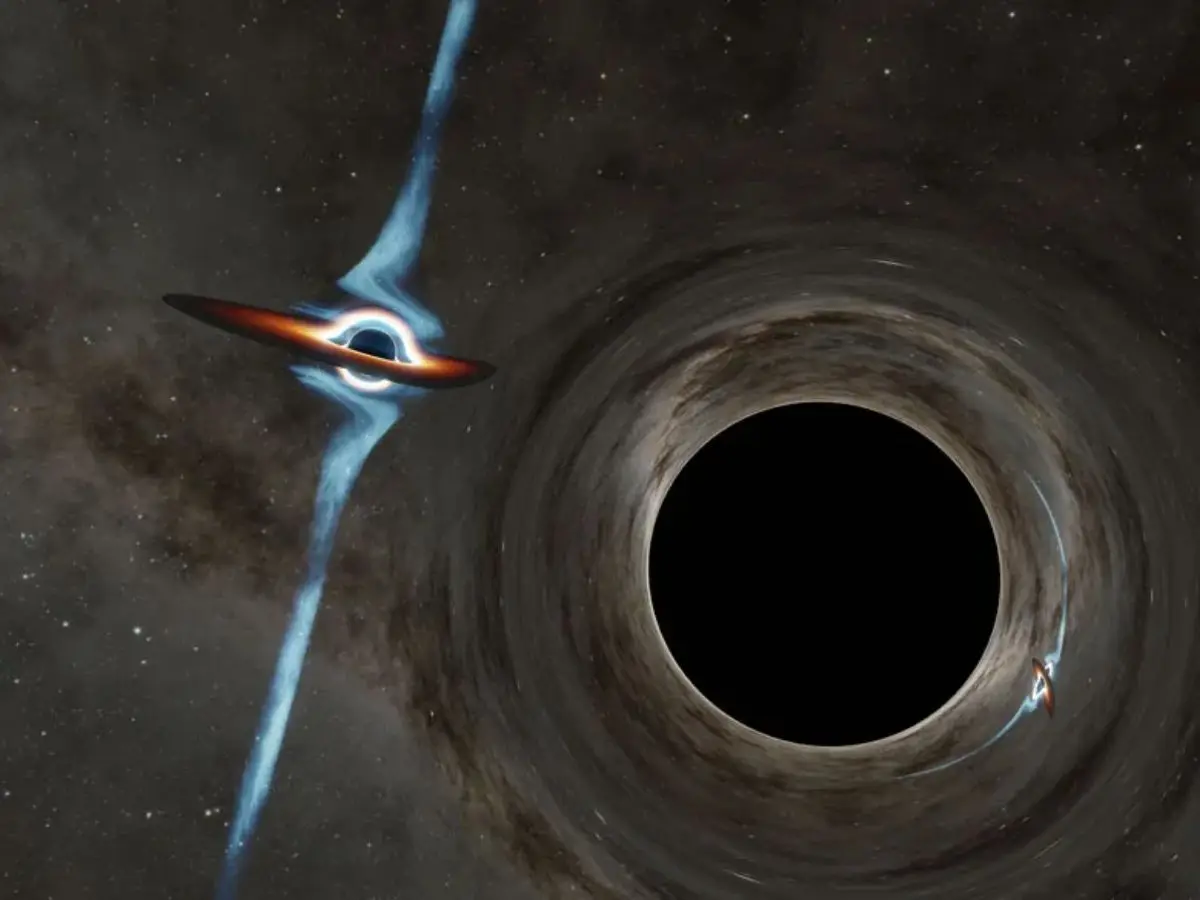
The event horizon is the point of no return. Once crossed, no information or matter can escape the black hole’s gravitational pull. From the outside, it would appear as though you are slowing down and freezing at the edge, a consequence of extreme time dilation. To the infaller, however, time flows normally, and the universe outside seems to speed up dramatically, potentially showing the entire future of the cosmos in moments.
Spaghettification and Radiation
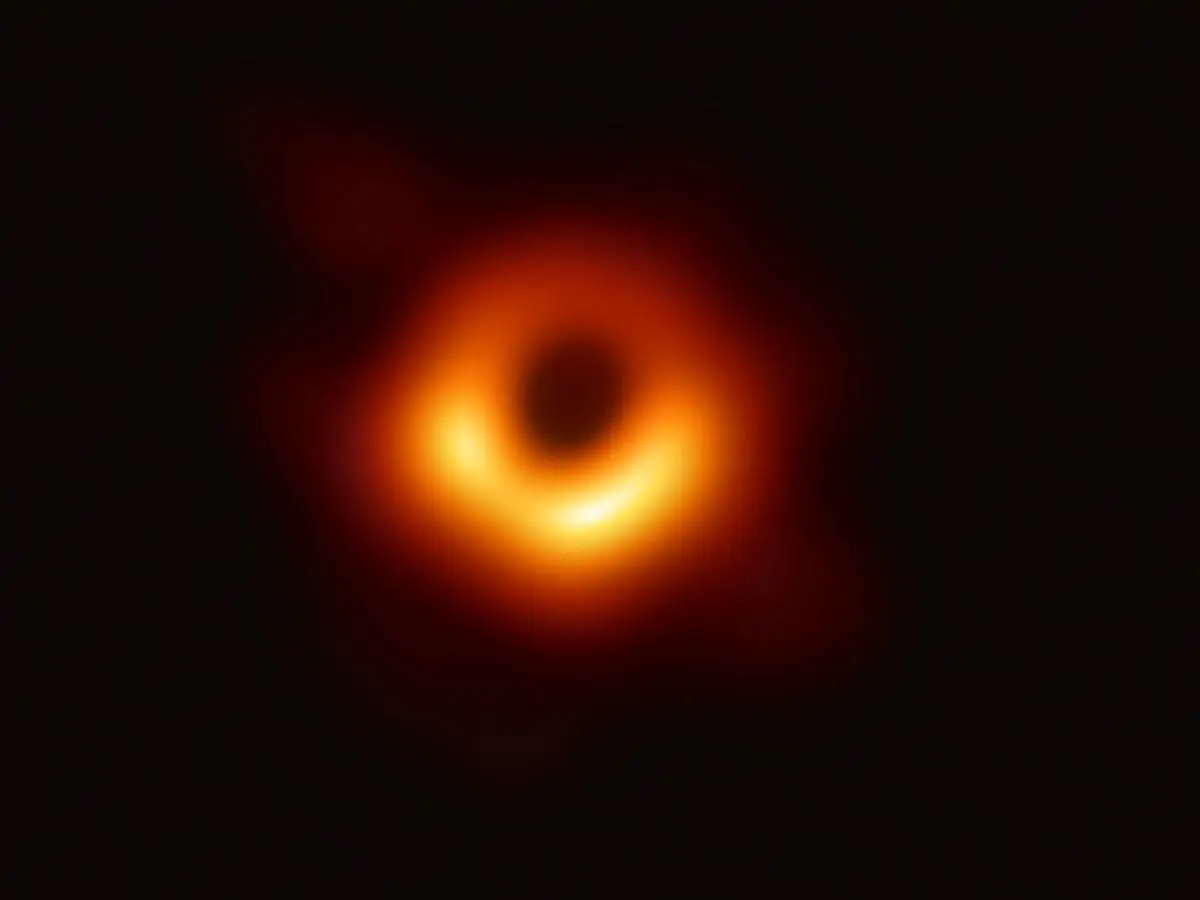
As you approach the singularity, tidal forces grow extreme. Gravity on your feet would far exceed gravity on your head, stretching your body into a long, thin shape. Simultaneously, the accretion disk emits intense X-rays and gamma rays, which would be lethal long before physical destruction by tidal forces occurs, making survival impossible.
Inside the Singularity
At the singularity, known physical laws break down. Density becomes infinite, and space and time lose conventional meaning. Any attempt at communication with the outside universe fails completely, as signals cannot escape. The ultimate fate of matter and information in this region is unknown, though theories suggest possible connections to white holes or wormholes. For the infaller, the journey ends at the singularity, leaving only speculation about what lies beyond the most extreme boundaries of the universe.
Conclusion
Black holes, numbering in the millions in our galaxy alone, represent both extreme danger and unparalleled scientific opportunity. From testing fundamental physics to shaping the structure of galaxies, they challenge our understanding of the universe. While falling into one remains a theoretical hazard, studying black holes continues to reveal remarkable insights into gravity, time, and the very fabric of spacetime.
)
)
)
)
)