Which country is actually closest to space?

While Mount Everest holds the world record for the highest elevation above sea level, it is not the closest point to outer space. Because the Earth is not a perfect sphere, regions near the equator naturally bulge outward. This unique geographical phenomenon gives a dormant volcano in Ecuador a massive head start, making it the farthest surface point from the Earth's core.
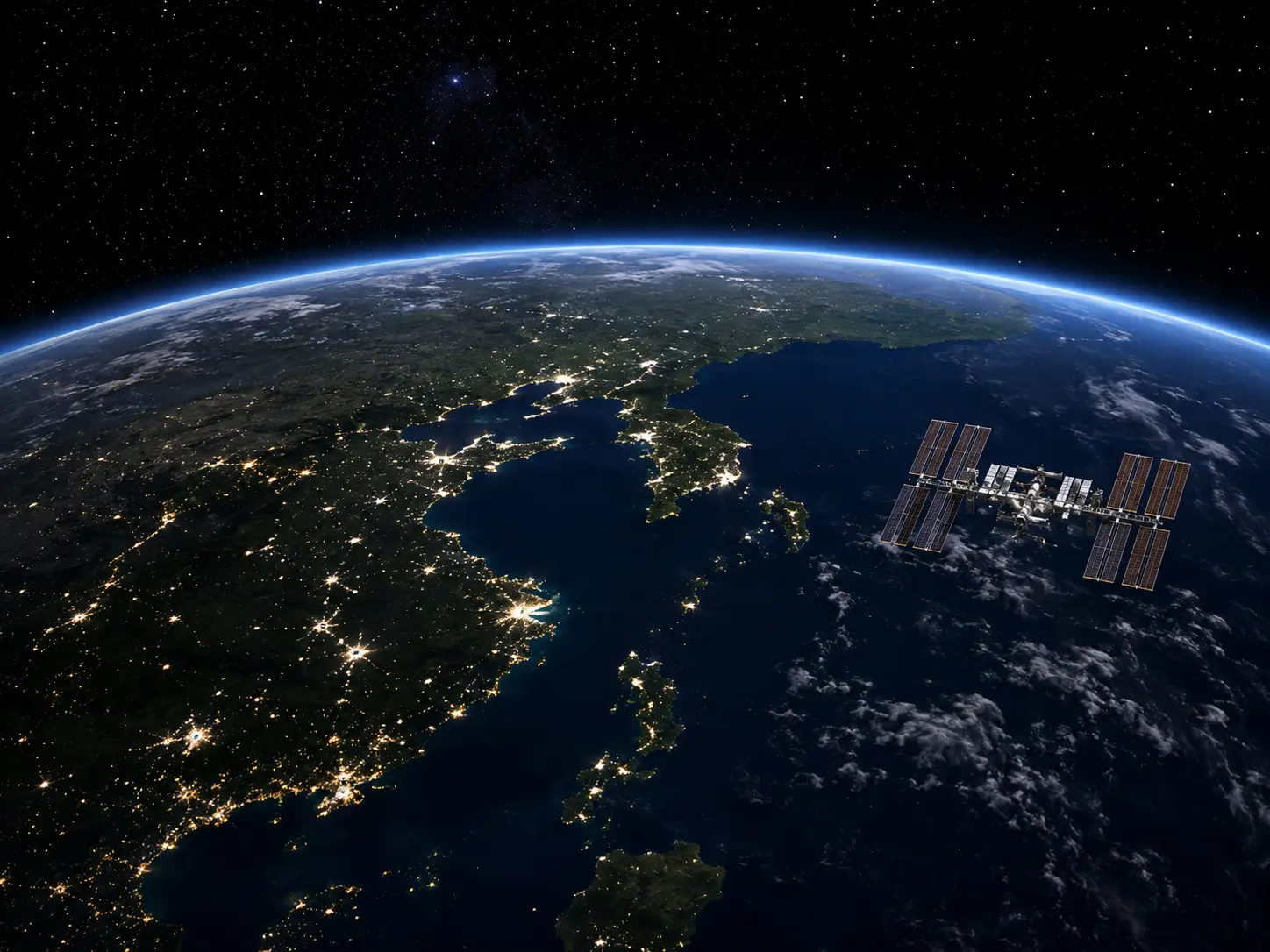
The true shape of our planet
The Earth is not a perfect sphere; it is technically an oblate spheroid. Centrifugal forces from its constant rotation cause the planet to flatten at the poles and bulge significantly around the equator, adding roughly 21 kilometres to its radius.
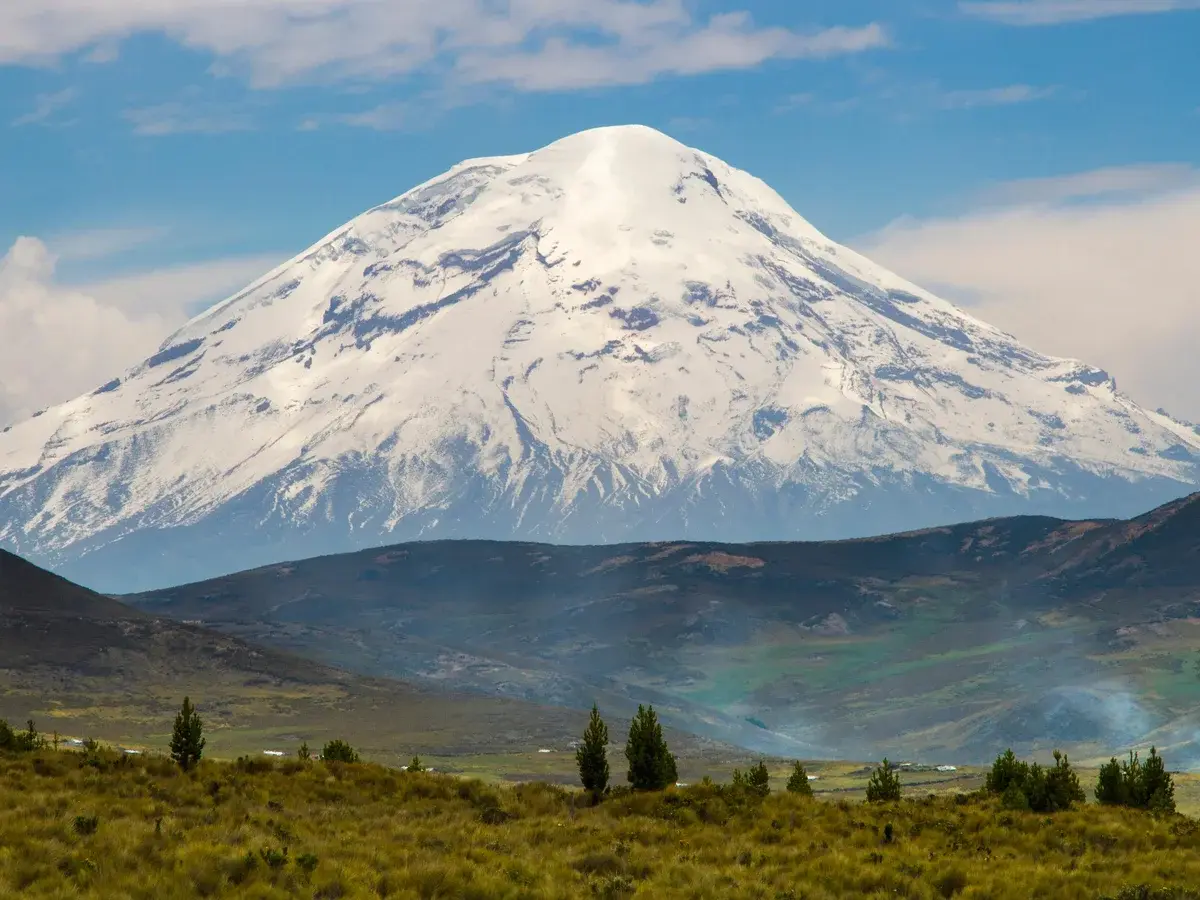
The equatorial advantage
Because of this distinct planetary bulge, mountains located near the equator start from a much higher baseline relative to the Earth's core. This natural head start gives equatorial peaks a massive advantage over mountains located further north or south.
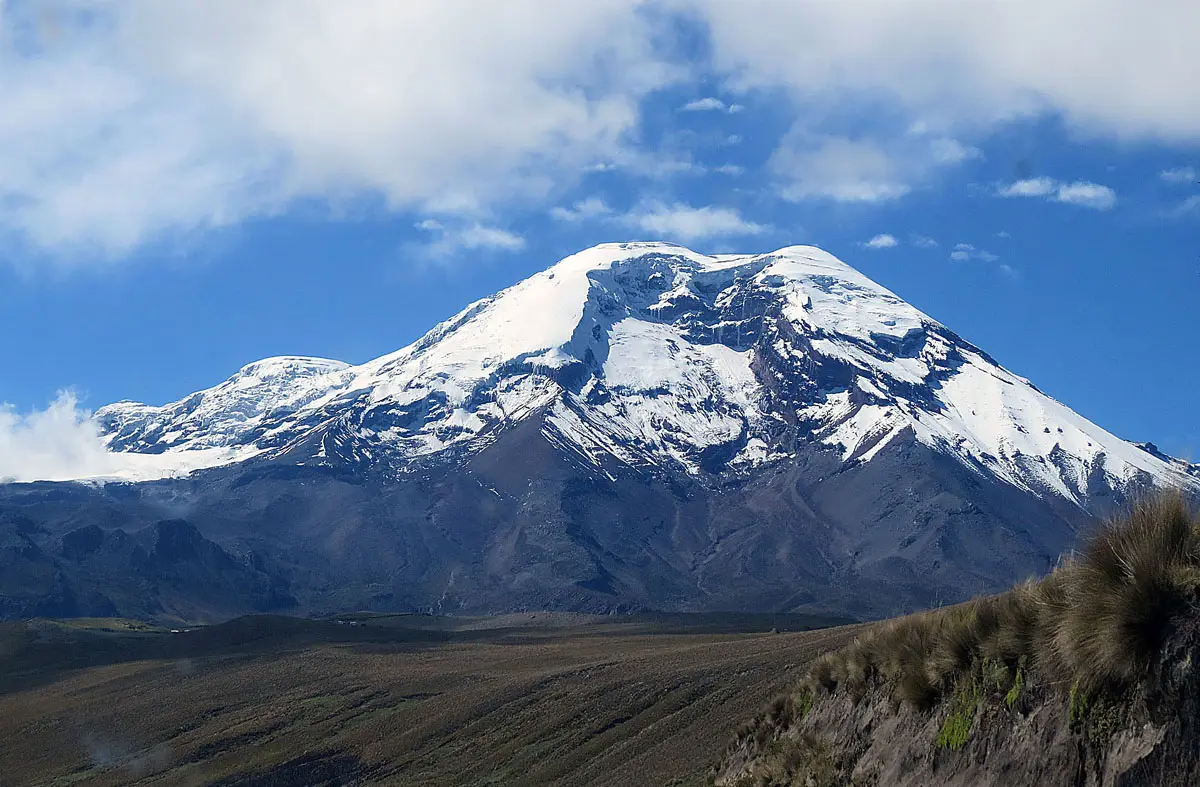
Mount Chimborazo in Ecuador
Located just one degree south of the equator, Ecuador's Mount Chimborazo directly benefits from this bulging effect. The dormant stratovolcano measures roughly 6,263 metres above sea level but stands exceptionally far from the Earth's centre.
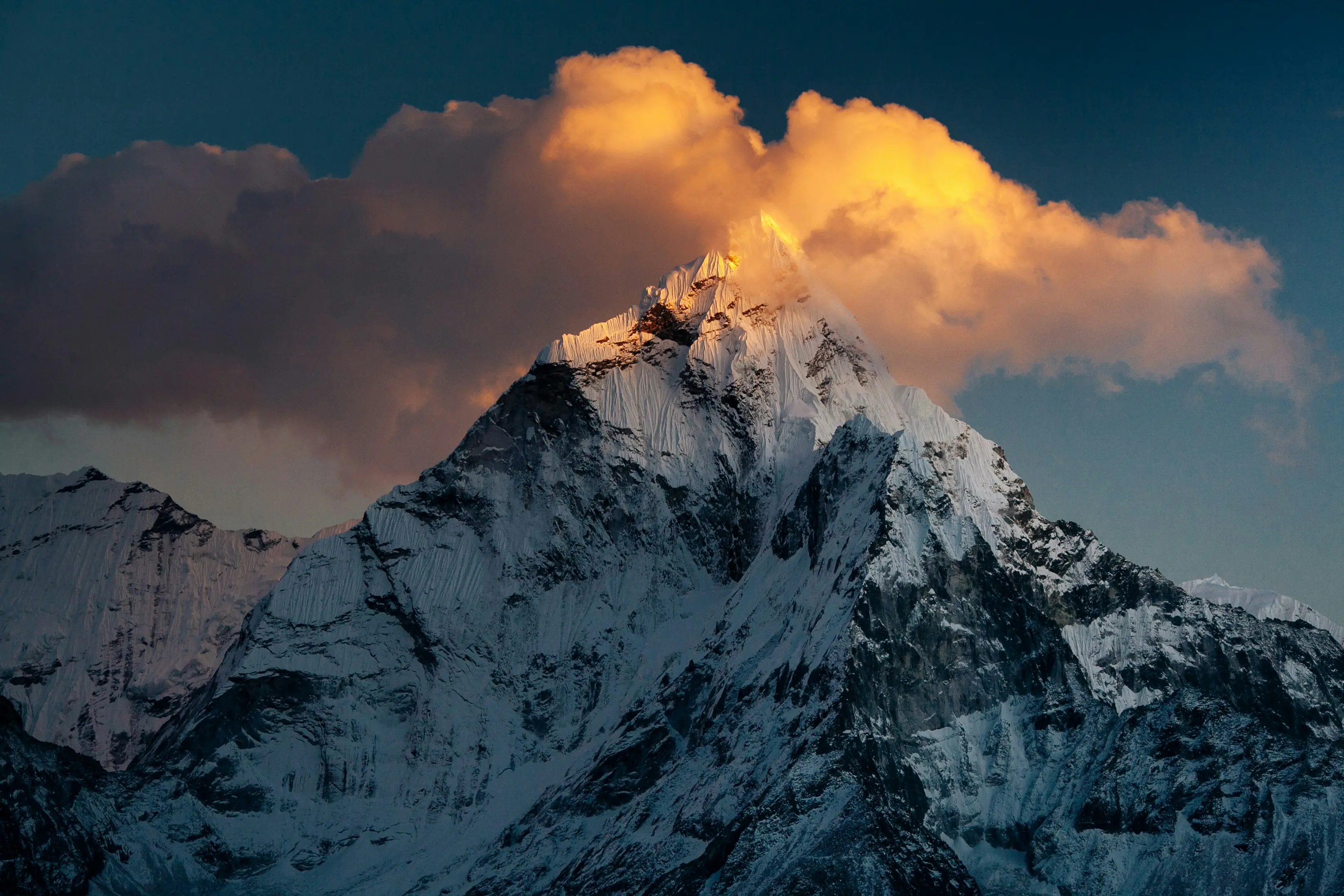
Beating Mount Everest
Although Mount Everest is nearly 2,600 metres taller above sea level, its position at 28 degrees north latitude puts it at a severe disadvantage. Chimborazo's summit reaches 6,384.4 kilometres from the core, making it about 2.1 kilometres farther into space than Everest.
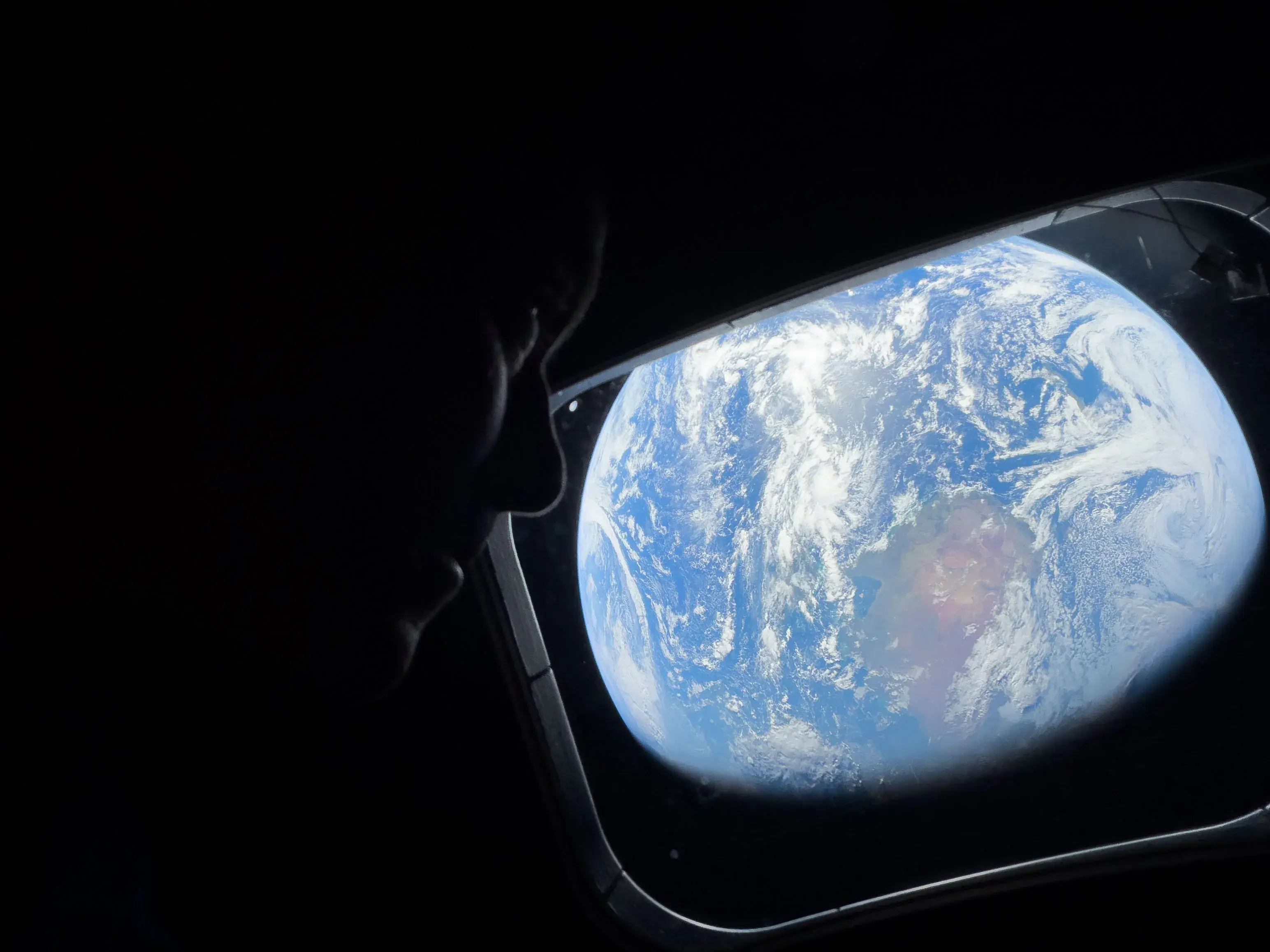
The closest country to space
Consequently, standing on the summit of Mount Chimborazo makes you physically closer to the stars than anywhere else on the planet. This incredible geodetic marvel solidifies Ecuador's unique status as the country closest to space.
)
)
)
)
)