80 years, one nation & countless stories: How Bollywood showed us freedom

Today, India is celebrating its 80th Independence Day, and over the years, cinema has shown the stories of independence in the best way possible.
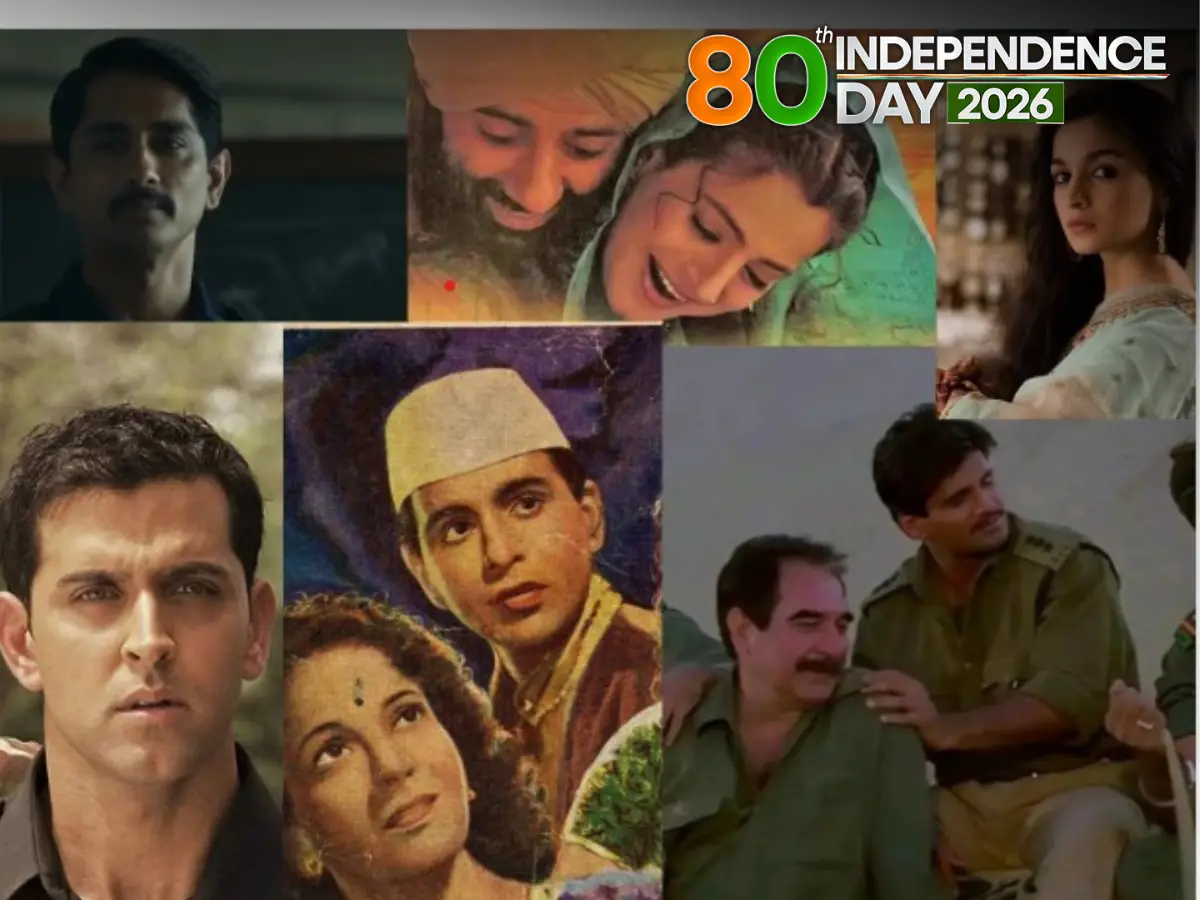
How freedom changed in movies
India turns 80 on August 15, 2026. And if there’s one place where the story of our freedom has lived the longest, it’s on the big screen. From black-and-white tales of Partition to today’s high-octane war dramas and spy thrillers, Hindi cinema has been our mirror. It has shown us the pain of losing a home, the pride of a soldier’s sacrifice, and the quiet courage of those who fight in the shadows. This Independence Day, here’s how cinema has told the story of freedom, from 1947 to 2026.
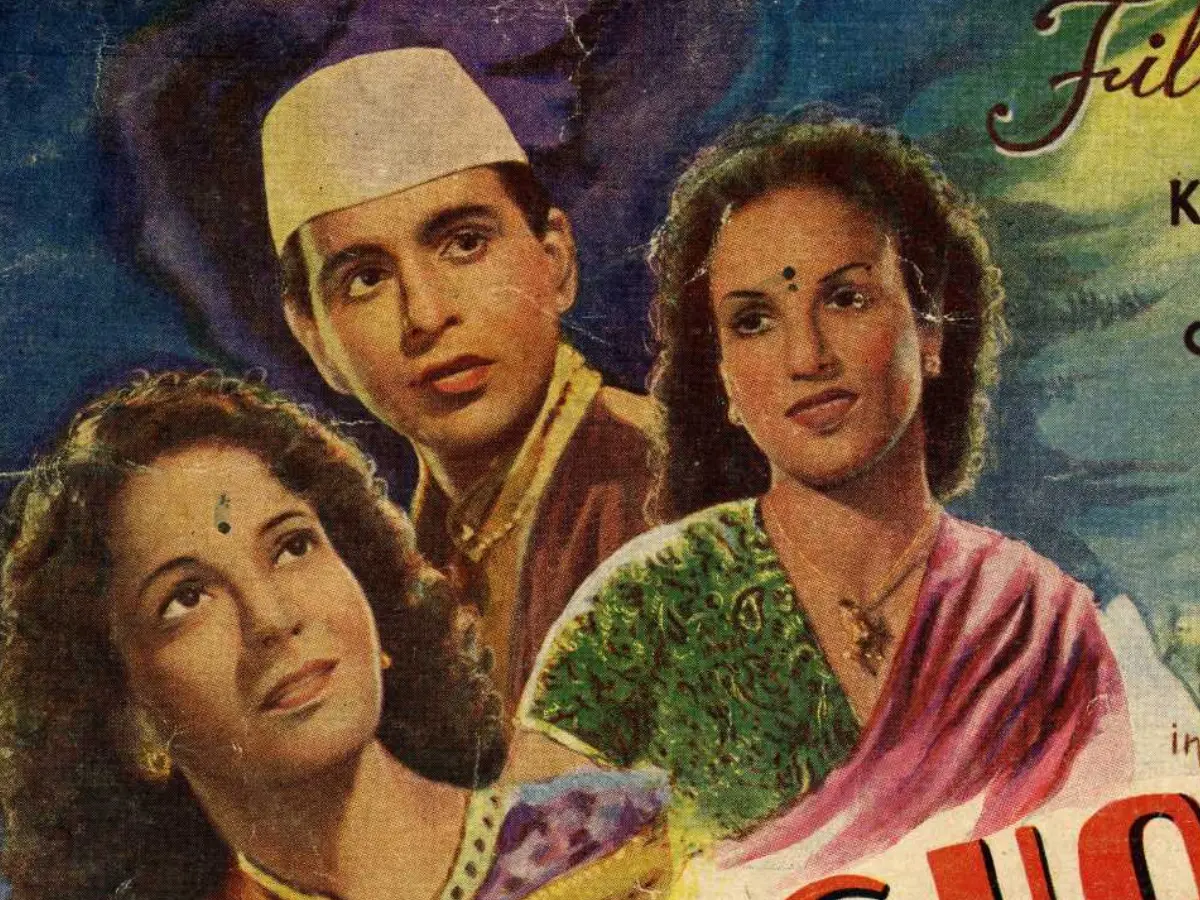
The 1940s-50s: Story of partition
Before India got independence, showing a movie on it would surely land the makers in trouble. However, immediately after independence, films began to address the scars. Partition was the core topic, not fights or spies. But it was more about feelings and raw, personal, and painful stories. In 1948, Shaheed, starring Dilip Kumar and Kamini Kaushal, was the movie that depicted India's struggle for independence, following a young freedom fighter named Ram. Directed by Ramesh Saigal, the highest-grossing Indian film of 1948. With movies like Neecha Nagar, they showed "freedom" sideways, poverty and famine, class struggle, and patriotic songs. Then, in the next decade of the 50s, it was in fact dominated by social dramas such as Pather Panchali, Awara, Shree 420, Pyaasa, Do Bigha Zamin, and Mother India. Instead of celebrating freedom patriotically, these films explored its themes of poverty and class struggle.
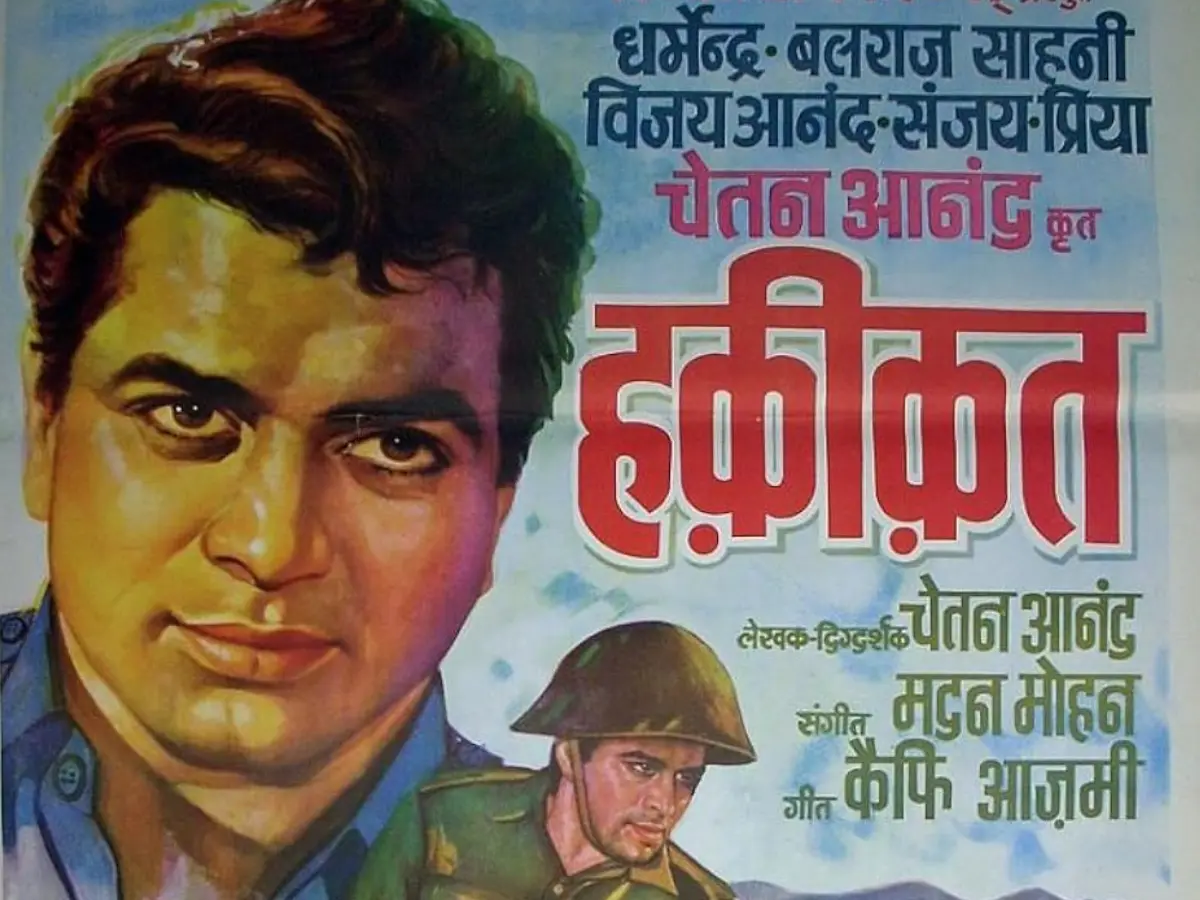
The War Films in the 60s, 70s, and 80s
In the next three decades, like the country, the cinema was also exploring new genres. While love and romance were in full bloom, war cinema also became a category for the first time, driven directly by India's 1962, 1965, and 1971 wars.
But it was new from the 40s-50s, which didn't have any real "war film" genre at all, since India hadn't fought these wars. So this was genuinely a new genre, which I feel got its peak in the 1990s. How? Have explained it below.
In 1962, one landmark movie came in 1964: Haqeeqat. Directed by Chetan Anand, this is set around the Battle of Rezang La in Ladakh, dramatizing the 1962 Sino-Indian War. The movie is considered one of India's greatest black-and-white war films. It also won a national award. But these three decades had films that were more felt than shouted. The other movies that went on to take the audience back to the war field were Manoj Kumar's Upkar (1967), Aakraman (1975), Hindustan ki Kasam (1973) and others.
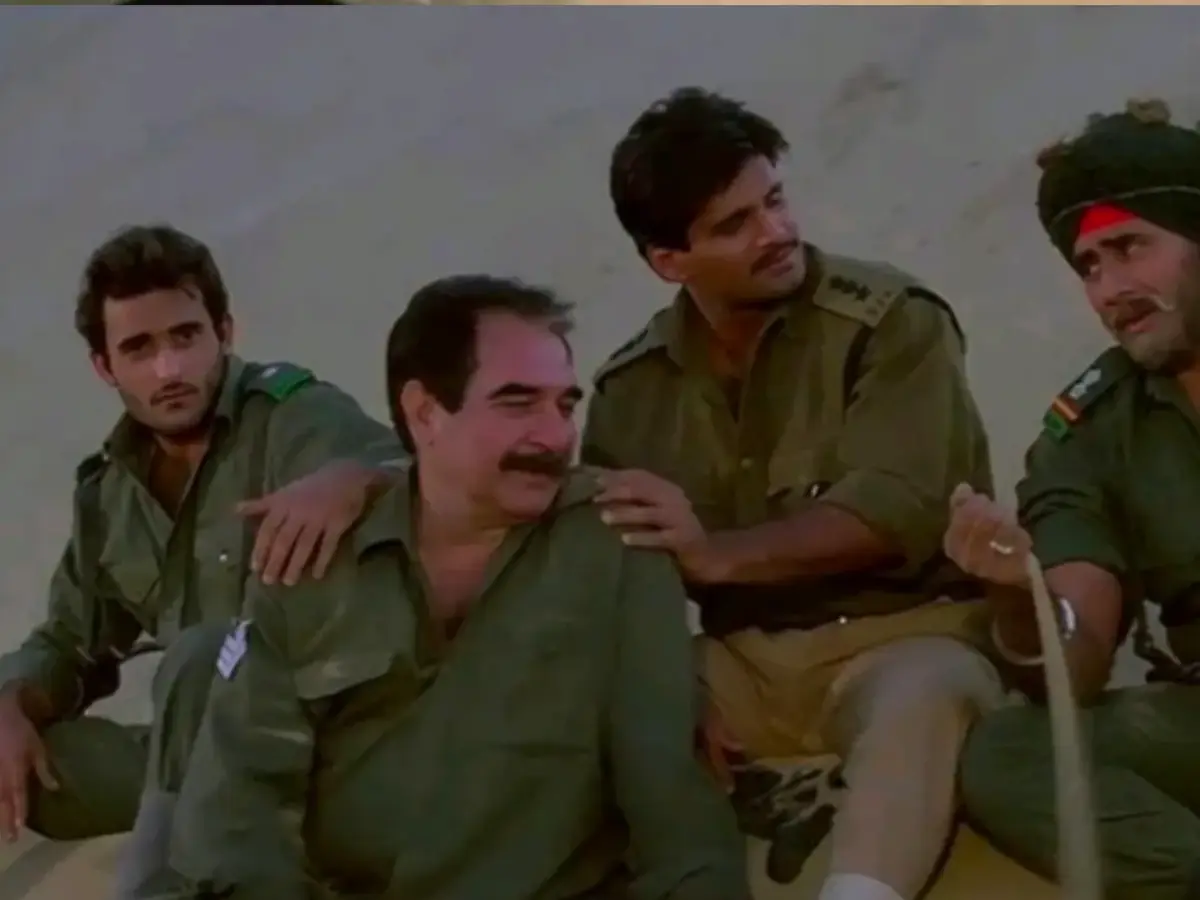
The 90s - Border came, and it changed things for the rest of the world
War cinema finally found its mass audience. In 1997, JP Dutta's Border changed the world of war films forever. Based on the Battle of Longewala during the 1971 India-Pakistan War, the movie was made on a budget of Rs 12 crore; it earned an estimated Rs 66.70 crore, a blockbuster. The movie had Sunny Deol, Jackie Shroff, Suniel Shetty, Akshaye Khanna, Suniel Shetty, and Akshaye Khanna. With realism, emotional dialogues, and a soundtrack that also became a cultural fixture. Composed by Anu Malik, with lyrics by Javed Akhtar, it has patriotic ballads, including "Sandese Aate Hai," "Hindustan Hindustan," "To Chalun," and "Hamen Jab Se Mohabbat Ho Gayi Hai" that still play every Independence Day and Republic Day.
Not a war film, but still Patriotic
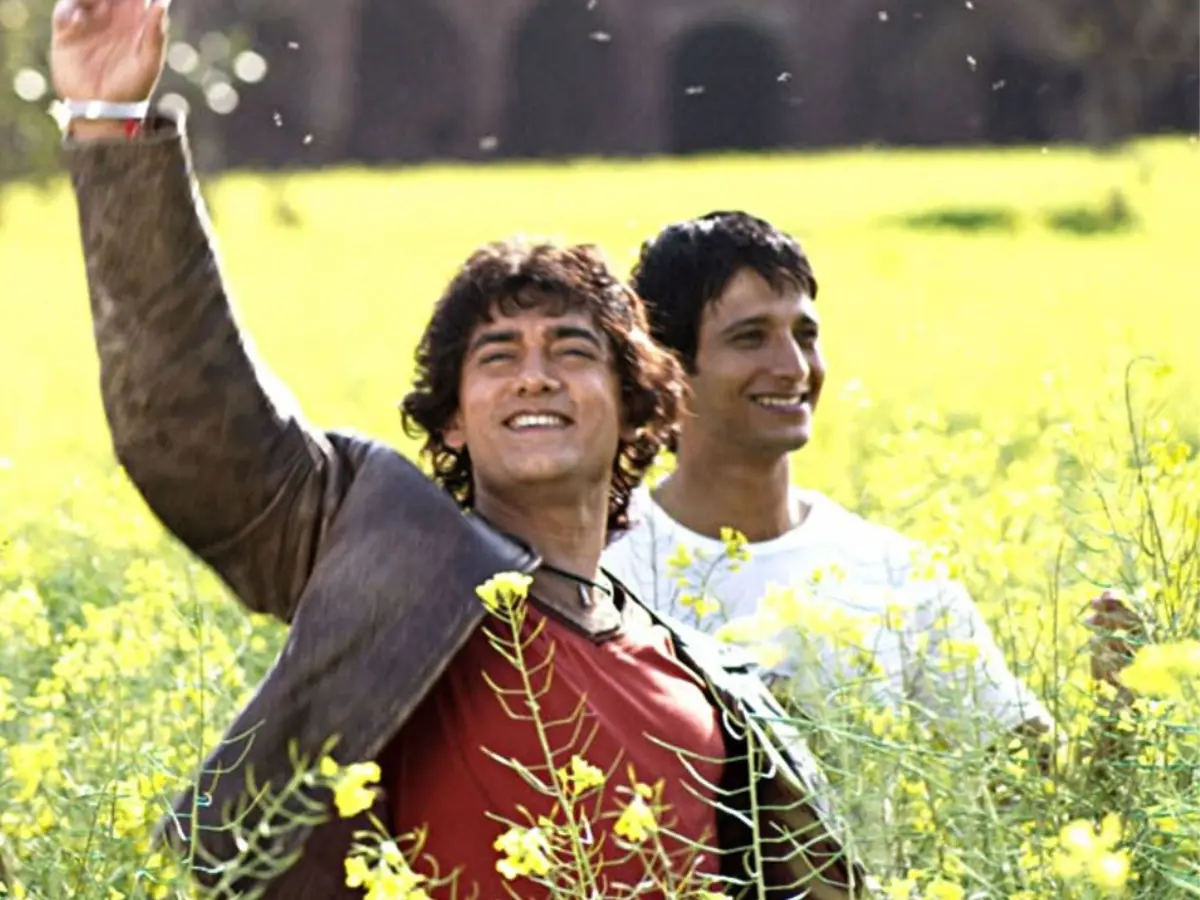
Aamir Khan's 2006 movie was not a war film: no battlefield, no army, and no India-Pakistan conflict. But it showed nationalist cinema, corruption, comments on politicians, modern youth, and the system. Directed, written, and produced by Rakeysh Omprakash Mehra, the movie starred Aamir Khan, Siddharth, Atul Kulkarni, Sharman Joshi, Kunal Kapoor, R. Madhavan, Soha Ali Khan, and British actress Alice Patten and revolves around a group of friends getting cast in a documentary style. This was not about a war or army, but it was about civic anger.
2010s - 2020s: Real Operations and OTT Stories
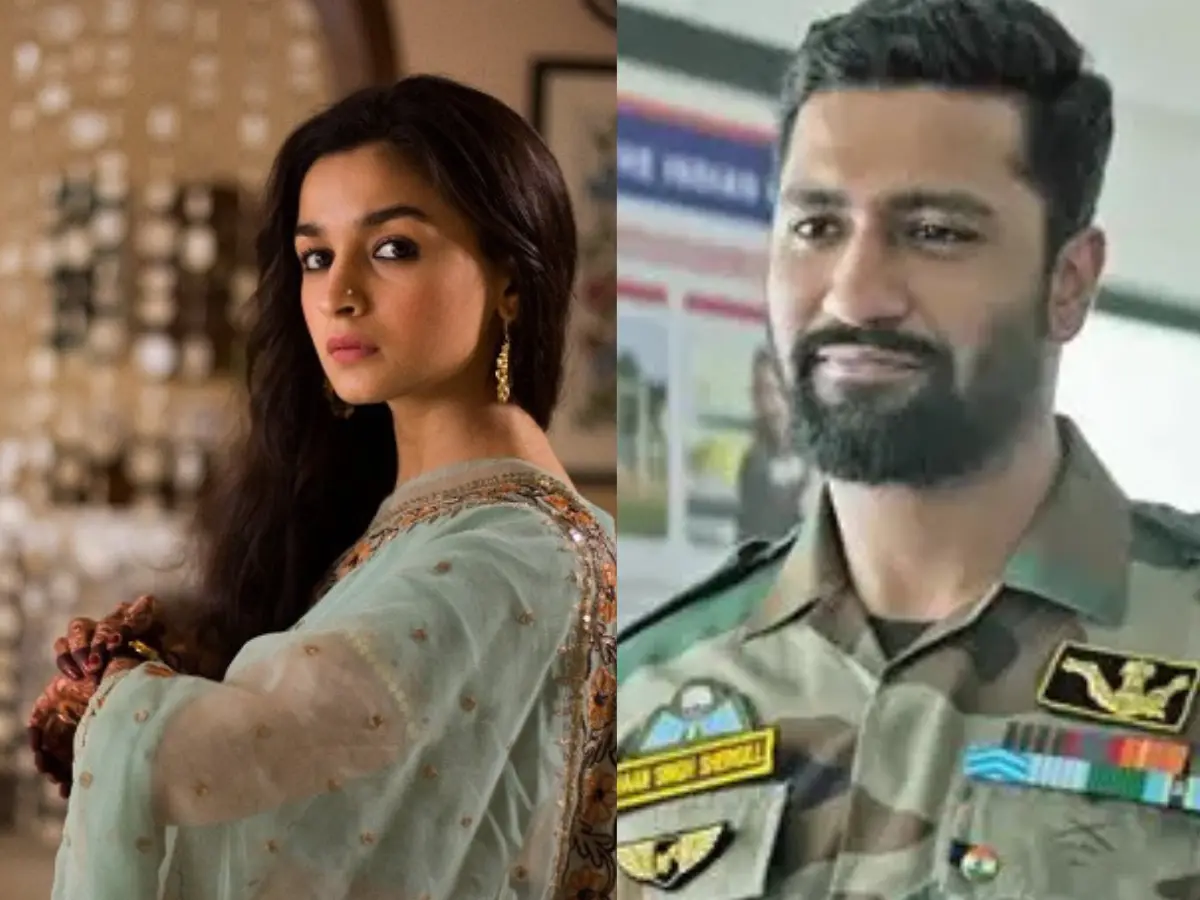
In 2017, The Ghazi Attack, India’s first underwater war film, was released. Set during the 1971 war, it revolved around the sinking of Pakistani submarine PNS Ghazi in an Indian Navy operation. In 2018, Alia Bhatt won hearts with her performance as a RAW agent married into a Pakistani military family in Raazi. But the real josh came in 2019 with Vicky Kaushal’s Uri: The Surgical Strike. Directed by Aditya Dhar, the film was based on the retaliatory Indian operation and became a massive hit. After this came a wave of biopics and real-life incident-based stories. During Covid-19, theatres shut and OTT took over, bringing more stories and series to different streaming platforms. In 2023, Gadar 2 released; in 2026, Border 2 came out, and both films again won the hearts of the audience. As we set to celebrate India’s 80th Independence Day, we have stories like Safed Sagar on Netflix which told the brave story of the Indian Army during the Kargil War. On the theatre side, we again have Sunny Deol, who, with his intense eyes, is back on the big screen to tell the story of people affected by Partition in Batwara 1947.
)
)
)
)
)